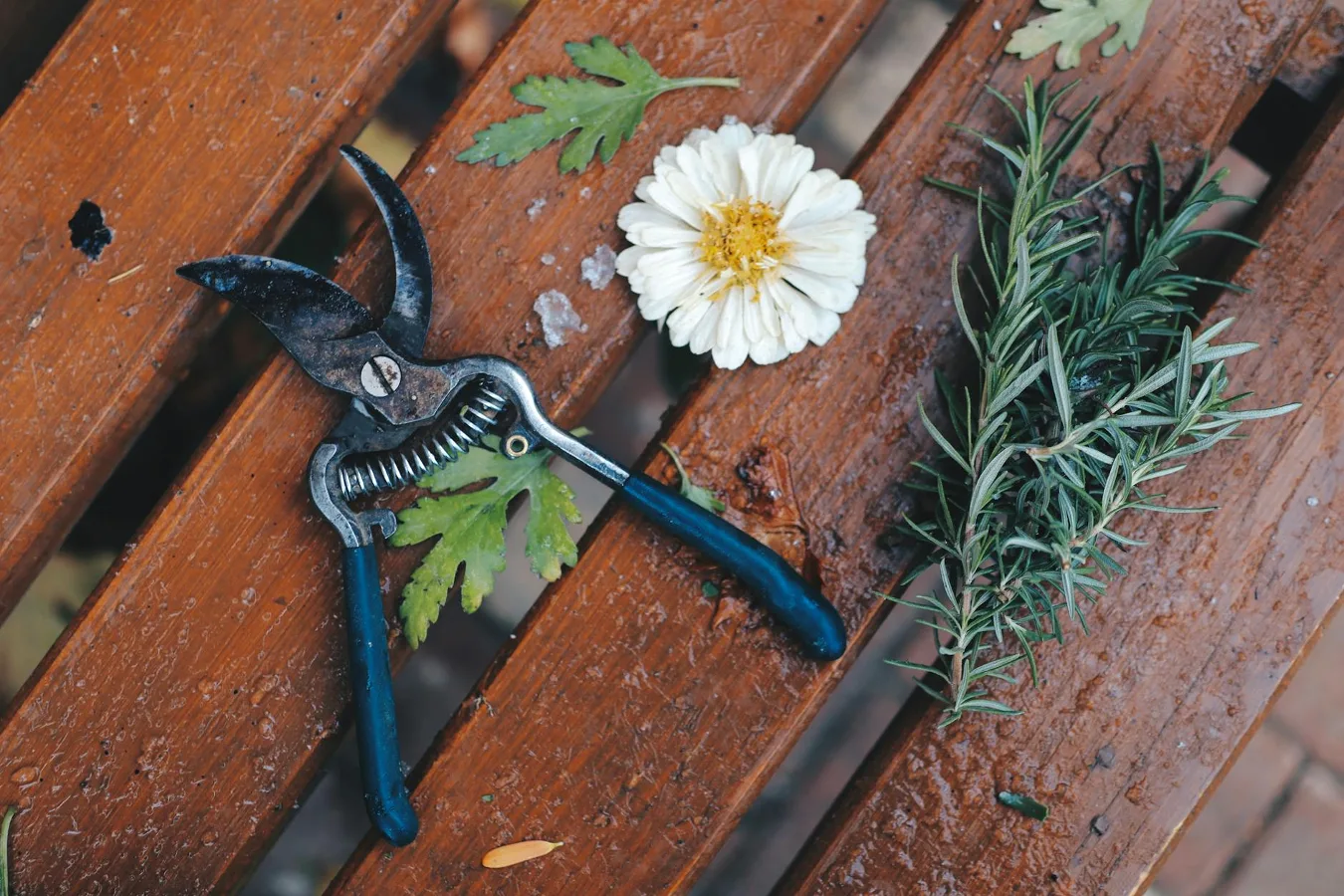
Who DeWit Garden Tools Are Best For
DeWit garden tools appeal to gardeners who want hand tools that feel purposeful rather than disposable. The brand is known for traditional metalworking and simple, task-specific designs, which makes it a strong fit for people who do a lot of close-up garden work: planting, transplanting, weeding, edging, dividing perennials, and working in beds where control matters more than reach. stainless steel garden tools offers more detail on this point.
If you are shopping for dewit garden tools, the main question is not whether they look premium. It is whether the tool shape, handle style, and material match the way you actually garden. A well-made hand tool can save time and reduce strain, but only if it suits your bed layout, soil type, and most common chores.
These tools usually make the most sense for gardeners who value durability, want a tool that can handle repeated use, and prefer straightforward designs over feature-heavy gadgets. They are also a good match for buyers who are building a smaller but better-curated set of tools instead of filling a shed with rarely used extras.
Why DeWit Stands Out in a Crowded Garden Tool Market
Many garden tools look similar at first glance, but the differences show up in the details that affect daily use. With DeWit, the appeal often comes from three things: material quality, practical geometry, and a traditional approach to toolmaking. That does not automatically make every tool right for every gardener, but it does give the line a clear identity.
One common misconception is that all hand tools are interchangeable if they are made of metal. They are not. The angle of a blade, the depth of a scoop, the length of a handle, and the balance of the tool can change how easily it enters soil and how much wrist effort the task requires. For example, a narrow trowel can be better for transplanting in tight spacing, while a wider scoop may be more efficient for moving loose soil or compost.
Another overlooked consideration is how often a gardener repeats the same motion. A tool that feels merely okay for a few minutes can become frustrating during a long weeding session. That is where design consistency and comfort matter more than appearance alone.
Material and Build Factors to Check Before You Buy
With any garden tool purchase, materials tell you a lot about likely maintenance needs and long-term value. For DeWit garden tools, buyers often look at the working head material and the handle material together, because both affect performance.
Forged steel or similar metal construction
For digging, slicing roots, prying in compacted soil, and scraping out stubborn weeds, the working edge matters. A stronger, more rigid metal head tends to hold its shape better under load than thinner, flimsier alternatives. That said, stronger construction can also mean the tool is less forgiving if you misuse it as a pry bar or strike rocks repeatedly. No hand tool is indestructible, so matching the tool to the job is still essential.
Wood handles and grip feel
Many gardeners prefer wood handles because they feel warmer in the hand and often provide a more natural grip. The trade-off is that wood may need more care than synthetic materials. It can dry out, weather over time, or feel less ideal if you garden in very wet conditions. If you are someone who leaves tools outside by accident, a wooden handle is still usable, but it will generally reward better storage habits.
Tool shape matters as much as material
A high-quality material does not rescue a poor shape. Look at the profile of the tool head, the length of the neck, and how the handle meets the working end. A narrow blade can slip between crowded roots; a broader blade can move more soil with fewer passes. A strong forked tool may be excellent for loosening soil, while a pointed weeder may be better for tapping out deep-rooted invaders from cracks and tight beds.
Choose by Task, Not by Category Name
The best way to shop DeWit garden tools is to start with the job you do most often. Categories like trowels, forks, weeders, and hoes are useful, but the real decision is about function.
- For planting and transplanting: Look for a trowel or transplanter with enough depth to move soil cleanly without crushing root balls.
- For weeding: A narrow, pointed, or hooked design can help remove weeds from tight spaces with less disturbance to nearby plants.
- For soil loosening: A hand fork or cultivator can work better than a flat blade when the soil is crusted or compacted.
- For edging and dividing: A sturdier tool with a more aggressive edge may be worth prioritizing over a lightweight option.
- For raised beds and containers: Compact hand tools are often easier to control than oversized versions.
If your garden work is spread across containers, raised beds, borders, and a few in-ground beds, you may need more than one tool type. That is normal. A single “all-purpose” hand tool usually becomes a compromise, especially in dense plantings or mixed soil conditions.
Buyer Scenario: Who Should Consider DeWit First
DeWit is worth a close look if you fit one of these situations:
- You want fewer tools, but better ones.
- You garden often in flower beds, herbs, vegetables, or mixed borders.
- You care about comfort and control during detailed work.
- You prefer tools with a traditional, repairable, no-nonsense feel.
- You are replacing worn-out hand tools and want a longer-term upgrade.
It may be less compelling if you mainly need lightweight tools for occasional use, if you want the lowest upfront cost, or if your gardening is mostly rough-duty work in rocky soil where damage risk is high. In those cases, a more budget-oriented or replaceable option may be the better fit.
Trade-Offs Worth Thinking About
Better hand tools rarely come without trade-offs. With DeWit garden tools, the main trade-off is often between craftsmanship and convenience. A well-built tool can last longer and feel better in use, but it may ask more of the owner in terms of care and thoughtful selection.
Weight versus control: Heavier tools can help with penetration and stability, but they may feel tiring during long sessions. Lighter tools are easier to carry and maneuver, but may feel less substantial in dense or hard soil.
Specialization versus versatility: A highly specialized weeder or transplanter can outperform a generic all-purpose tool for a specific task. The downside is that you may need a more complete set to cover all your garden chores.
Durability versus delicacy: Strong tools are useful, but even strong tools have limits. They are not substitutes for a digging bar, a spade designed for heavy excavation, or a pruner for woody stems. Using the right tool helps protect both the tool and the plant bed. spade and shovel buying basics offers more detail on this point.
Natural materials versus low maintenance: Wood handles and traditional construction often feel better and age attractively, but they generally benefit from better storage and occasional care. If you prefer a leave-it-in-the-rain approach, that matters.
Where DeWit Fits Against Other Garden Tool Options
Comparing DeWit garden tools to other options is most useful when you focus on the type of buyer, not just the price point.
Versus budget store-brand tools: DeWit may make more sense if you are tired of handles loosening, heads bending, or edges wearing out quickly. Budget tools can be fine for very light use, but they often lose value when they need frequent replacement.
Versus broad, multi-purpose garden sets: Sets can look convenient, yet they often include tools you will not use often. A more selective DeWit purchase may be better if you know your real tasks and want each tool to earn its place.
Versus ergonomic synthetic-handled tools: Synthetic handles can offer excellent grip consistency and weather resistance. DeWit may be preferable if you value traditional feel, balance, and a more classic hand-tool experience. The better choice depends on your grip comfort and storage habits.
Versus power tools: Hand tools are quieter, more precise, and better for delicate work. They are not replacements for powered equipment when you need to clear large areas quickly, but they are often the smarter choice near established plantings.
Maintenance and Storage: Small Habits That Protect the Tool
Long-term value depends on care as much as construction. Even a well-made tool benefits from simple maintenance.
- Brush off soil after use instead of letting it harden.
- Dry the tool before storing it, especially if the handle is wood.
- Keep edges and points from knocking around in a crowded bin.
- Store hand tools in a dry shed, garage, or tool rack when possible.
- Check for loosening at the handle or working head if the tool sees frequent use.
One practical nuance that many buyers overlook is storage layout. A tool that is excellent in theory becomes annoying if it is always buried under pots, hoses, and fertilizers. Easy access encourages regular maintenance, and regular maintenance extends the life of the tool.
Common Mistakes When Buying Garden Hand Tools
The biggest buying mistake is choosing a tool by brand reputation alone. Brand quality matters, but the wrong tool shape will still disappoint. Another common error is buying a tool that is too large or too heavy for the way you garden. If you mainly work in raised beds or containers, oversized digging tools can feel clumsy. garden digging tools offers more detail on this point.
Some buyers also forget to account for handle comfort. A handle that looks attractive may still feel awkward if your grip style or hand size does not match it well. If you garden for extended periods, that mismatch becomes more obvious over time.
Finally, do not overbuy specialty tools before covering the basics. A solid trowel, fork, weeder, and pruner usually support more real work than a drawer full of novelty tools.
Next Steps: How to Narrow Your Choice
If you are considering DeWit garden tools, start with a short list of your most common jobs and the conditions you garden in. Ask yourself:
- Do I work mostly in containers, raised beds, or in-ground beds?
- Do I need precision, digging power, or weed removal?
- Do I prefer wood handles or low-maintenance synthetic materials?
- Will I use this tool often enough to justify a more durable option?
- Do I need a single specialty tool or a small set of complementary tools?
That approach keeps the purchase grounded in real use rather than marketing language. It also helps you decide whether to buy one carefully chosen tool or build a compact collection over time.
If your garden work is detail-oriented, and you prefer tools that feel solid, direct, and built for a specific purpose, DeWit is easy to understand as a category. The best choice is usually the one that matches your tasks, your grip, and your storage habits—not the one with the longest list of features.