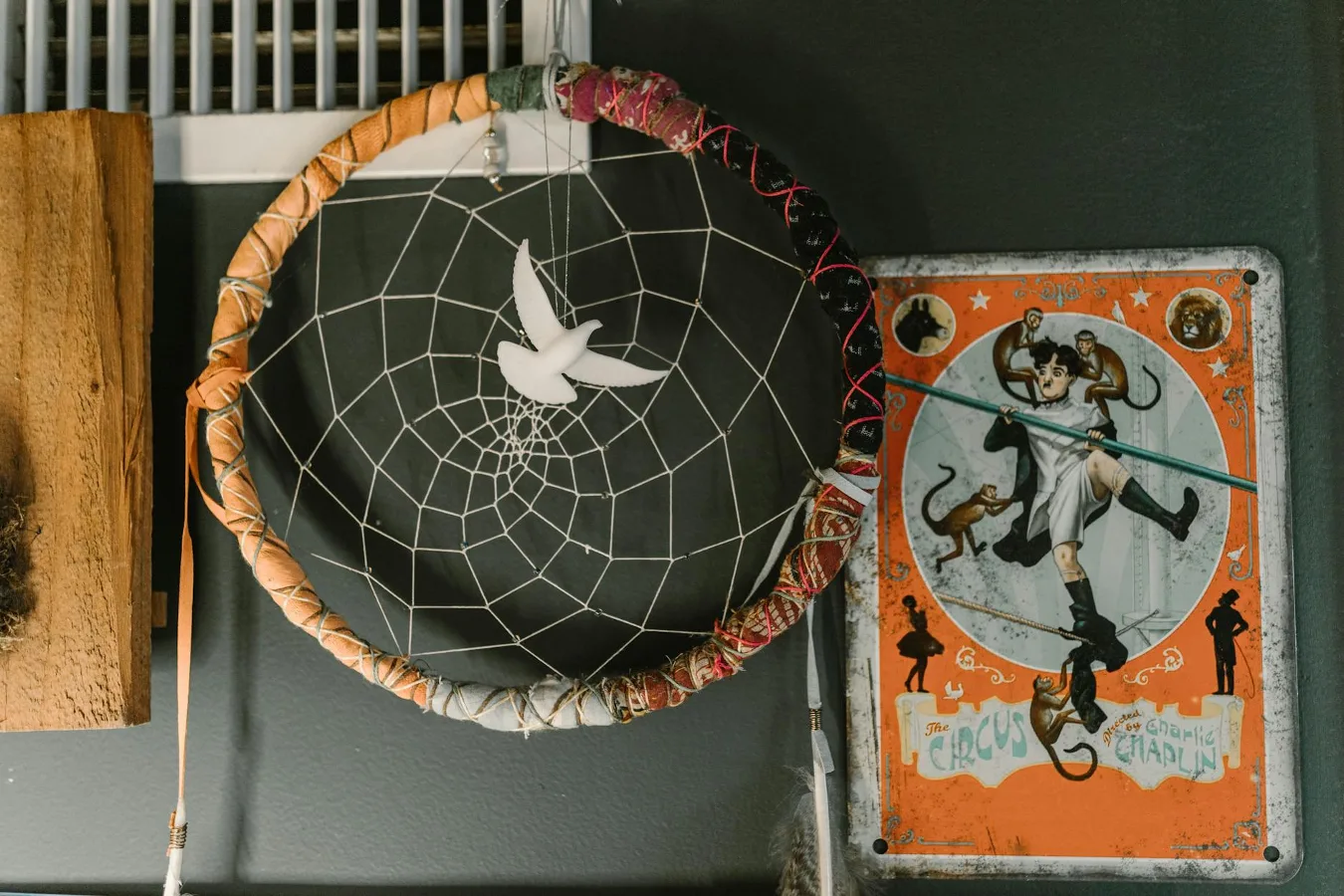
What witchcraft home decor really means
Witchcraft home decor is a style approach that uses symbolic objects, moody textures, natural materials, and ritual-inspired details to create a space with atmosphere and meaning. For some people, that means a dedicated altar or spiritual corner. For others, it is simply a home that reflects lunar imagery, herbal references, antique-inspired objects, and a more intentional visual rhythm. wall decor home gym offers more detail on this point. Gothic Decor for Home: Styling Guide offers more detail on this point.
The most useful way to think about this style is not as a fixed look, but as a set of choices. You can make it subtle, eclectic, gothic, bohemian, minimal, or highly ceremonial. The best version fits your space, your routines, and how public you want the style to feel.
If you are shopping for witchcraft home decor, the main question is not just what looks magical. It is what feels cohesive, easy to maintain, and appropriate for the room it will live in.
Key factors that shape the look
Before buying pieces, it helps to decide what kind of atmosphere you want. Witchcraft-inspired decor can lean in several directions, and each one calls for different materials and accents.
Symbolism
Common motifs include moons, stars, herbs, crystals, owls, keys, hands, mirrors, and botanical imagery. These details can be literal or abstract. A framed lunar print reads differently from a black ceramic dish or a brass candleholder, even though all three support the same mood.
The practical advantage of symbolic decor is that it can be layered over almost any base style. The risk is overdoing it. Too many competing symbols can make a room feel crowded rather than thoughtful.
Materials and finishes
Material choice has a bigger impact than many shoppers expect. Matte ceramics, aged brass, dark wood, smoked glass, linen, velvet, iron, and stone all reinforce the style without relying on novelty shapes. Natural textures also help the space feel grounded rather than costume-like.
Shiny plastics and ultra-bright finishes tend to weaken the effect. That does not mean they never work, but they usually need to be balanced with quieter pieces so the room still feels intentional.
Color palette
Black is the most obvious starting point, but it is not the only one. Deep green, plum, burgundy, charcoal, cream, antique gold, muted brown, and smoky gray all fit well. A palette with a few grounded neutrals can prevent the room from feeling visually heavy. gold floor lamp tips offers more detail on this point.
One common misconception is that witchcraft decor must be dark to feel authentic. In practice, many effective spaces use a lighter base and add depth through candles, glass, dried botanicals, and symbolic accents.
Function and placement
A decorative item that looks beautiful but has no clear place to live often becomes clutter. Think in terms of shelves, mantels, console tables, bedside tables, entryways, and windowsills. A piece should either support a ritual use, anchor a vignette, or contribute to a broader room composition.
This is especially important in smaller homes and apartments, where every object needs to earn its footprint.
Practical ways to build the style room by room
You do not need to redesign an entire home to create a witchcraft-inspired look. A few focused zones usually work better than trying to make every room match.
Living room
In a shared space, the most successful approach is usually subtle layering. Start with textured throws, dark or earthy cushions, candleholders, framed botanical art, a mirror with aged detailing, or a low tray with crystals and small vessels. A book stack with tarot, folklore, or herbal references can add personality without taking over the room.
If the room is already busy, choose one focal surface rather than multiple small displays. A single styled console or shelf can carry the mood better than scattered objects across every surface.
Bedroom
Bedrooms suit softer witchy decor especially well because the style often overlaps with calm, introspective spaces. Look for moon phase wall art, linen bedding in darker neutrals, a bedside candle, a small dish for jewelry, or a simple crystal arrangement. Velvet pillows or a canopy-like drape can add quiet drama without feeling theatrical.
For bedrooms, restraint matters. The goal is a restful room with a mystical undertone, not a display that keeps the eye moving all night.
Entryway
An entryway can set the tone quickly. A small table with a candle, key bowl, mirror, and a botanical or celestial accent creates a welcoming ritual of arrival and departure. This is also a practical place for apothecary-style jars, dried florals, or a compact tray that keeps daily items organized.
If your entry is narrow, keep the palette tight and use vertical elements like wall art or a small hanging piece rather than multiple tabletop objects.
Altars and spiritual corners
Not all witchcraft decor is altar decor, but the two often overlap. If you are building a spiritual corner, prioritize stability, clarity, and easy access. Common elements include candles, incense or smoke-cleansing tools where appropriate, a cloth or runner, symbolic objects, and containers for frequently used items.
The overlooked consideration here is maintenance. An altar that is hard to clean or restyle becomes a burden. Choose surfaces and objects you can safely move, dust, and reset without much effort.
Buying decisions that matter more than trend appeal
Witchcraft home decor is easy to shop impulsively because many pieces look striking online. A more durable approach is to judge items by how they will function in your home over time.
Scale and proportion
A common mistake is buying pieces that are visually strong but physically awkward. A large ornate object can overwhelm a small shelf, while tiny trinkets can disappear on a console or mantel. Before purchasing, think about where the item will sit and what it will sit beside.
Grouping often helps. A candleholder, a small bowl, and a framed print may work better together than any one object alone.
Safety and practicality
If candles are part of your look, choose holders with a stable base and use them in a way that suits your household. Keep flame-sensitive materials away from open heat, and never treat decorative styling as a substitute for safe candle use. The same applies to incense, dried herbs, and smoke-producing items.
For homes with pets, children, or limited ventilation, non-burning alternatives such as flameless candles, sealed vessels, framed herb art, or crystal displays may be the better choice.
Care and upkeep
Some finishes demand more maintenance than others. Brass can tarnish. Glass shows fingerprints. Velvet collects dust. Matte black surfaces may reveal lint. If you want a low-maintenance style, look for pieces you can clean easily and avoid overly delicate details in high-touch areas.
This is one of the biggest long-term value questions. The prettiest piece is not always the most usable one.
Authenticity versus aesthetics
Many shoppers want the look of witchcraft decor without turning the room into a themed set. That balance usually comes from mixing overt symbols with ordinary objects that fit the palette: a dark wood stool, a ceramic vase, a linen runner, or a simple antique-style frame. The result feels more personal and less costume-driven.
That same principle also helps if you are concerned about cultural sensitivity or religious overlap. If a symbol carries a meaning you do not fully share, choose more neutral atmospheric elements instead of borrowing motifs carelessly.
Practical styling moves that work
You can build a stronger witchcraft-inspired space by using a few repeatable styling patterns.
- Use odd-number groupings for shelves and tables so displays feel balanced without looking staged.
- Mix textures such as wood, stone, glass, and fabric to avoid a flat look.
- Anchor with one dark element so lighter rooms still carry the style.
- Leave negative space so symbolic objects read clearly instead of blending into clutter.
- Repeat one motif such as moon phases or botanical forms to tie the room together.
These choices matter more than buying a large number of themed items. A restrained arrangement with good spacing often feels more evocative than a shelf packed with every possible magical symbol.
Common mistakes to avoid
People often run into the same problems when decorating in this style.
- Overcrowding surfaces: too many small objects create visual noise.
- Ignoring function: decorative items that block storage or everyday use quickly become frustrating.
- Using only black: a monochrome scheme can work, but it often needs contrast and texture to stay rich.
- Mixing too many substyles: gothic, boho, celestial, and apothecary influences can coexist, but they need a shared palette or material language.
- Choosing fragile pieces for busy areas: delicate items often do better on higher shelves or in low-traffic zones.
A practical insight that gets overlooked: witchcraft decor looks strongest when it supports daily life. A beautiful room that is hard to live in will not stay beautiful for long.
Alternatives if you want a softer or broader look
Not everyone wants a highly explicit witchy aesthetic. If you like the mood but want something more flexible, there are several adjacent styles worth considering.
Dark academia leans into books, wood, vintage objects, and muted drama. Gothic decor is moodier and more architectural. Boho decor adds warmth and texture with a looser, more relaxed feel. Cottagecore can borrow botanical and herbal details while staying lighter and gentler. Celestial decor gives you moon and star imagery without the heavier symbolic references.
These alternatives are useful if you want the atmosphere of witchcraft home decor without centering spiritual objects or ritual use.
How to choose the right pieces for your home
If you are deciding what to buy first, start with the room’s role. A shared living room calls for subtle accents and durable materials. A bedroom can handle softer, more personal pieces. A dedicated altar or spiritual corner can be more specific and symbolic.
Then narrow your choices by answering four questions:
- Does this piece fit the room’s scale?
- Can I clean or store it easily?
- Does it add meaning, function, or both?
- Will it still make sense if I change the rest of the room later?
If the answer is yes to most of those questions, the piece is more likely to age well.
Frequently asked questions
What counts as witchcraft home decor?
It usually includes symbolic, nature-inspired, or ritual-adjacent decor such as candles, moon imagery, crystals, botanical prints, antique-style objects, and darker or moodier finishes. The exact mix depends on how subtle or expressive you want the style to be.
Can witchcraft decor look modern?
Yes. A modern version usually relies on cleaner lines, fewer objects, and a restrained palette. You can use symbolic elements without making the room feel ornate or theatrical.
Do I need an altar to have witchy decor?
No. An altar is a spiritual or functional choice, not a requirement for the style. Many people use witchcraft-inspired decor purely for atmosphere.
How do I keep the look from becoming cluttered?
Limit the number of symbols on display, repeat a few consistent materials, and leave open space around focal objects. Grouping items intentionally usually works better than spreading them across every surface.
What is the easiest place to start?
A candleholder, a botanical print, a textured throw, or a small shelf arrangement is often enough to introduce the style without a full room makeover.
A balanced way to build the style
The strongest witchcraft home decor is rarely the most obvious. It usually comes from thoughtful layering, practical materials, and a clear sense of where the style should be visible and where it should stay quiet. Start with one room, one surface, or one ritual corner. Then add pieces slowly so each item has a reason to be there.
That approach gives you a home that feels intentional, personal, and livable rather than overly decorated. For this style, restraint is often what makes the mood work.