Quick answer: what stainless steel kitchen gadgets are best for
Stainless steel kitchen gadgets are best for cooks who want tools that feel sturdy, resist staining, and handle regular use without much fuss. They are especially useful for everyday prep tasks such as stirring, flipping, whisking, draining, serving, and measuring, as long as you choose the right design for the job. dishwasher-safe kitchen tools guide offers more detail on this point. nonreactive cookware and tools offers more detail on this point. best kitchen tools for everyday cooking offers more detail on this point.
The appeal is simple: stainless steel usually offers a good balance of durability, a clean look, and easy maintenance. But it is not the best material for every task. The right choice depends on comfort, weight, heat exposure, compatibility with your cookware, and whether the tool needs a softer edge for delicate surfaces.
If you are shopping for stainless steel kitchen gadgets, focus less on the shiny finish and more on build quality, handle comfort, and whether the shape actually solves a real kitchen problem.
Why stainless steel remains a practical choice
Stainless steel shows up across kitchen tools for a reason. It is generally strong, holds up well to repeated use, and does not absorb odors or flavors the way some porous materials can. For many people, that makes it a reliable option for utensils and gadgets that touch food every day.
Another advantage is that stainless steel often fits a wide range of kitchen styles. It can look simple and professional in a modern kitchen, but it also blends into more traditional setups. That visual neutrality may not matter much in the moment, yet it helps if you want tools that do not look out of place as your kitchen changes over time.
Still, the best material depends on how you cook. Stainless steel can feel too firm for some tasks, especially when you need a tool with more flexibility or a softer contact surface. A good kitchen setup usually combines materials rather than relying on one material for everything.
How to compare stainless steel kitchen gadgets
The phrase covers a lot of ground, from spatulas and tongs to garlic presses, peelers, measuring spoons, ladles, ladles, strainers, and serving tools. Instead of shopping by category alone, compare gadgets using the factors that affect real-world use.
Durability and construction
Not all stainless steel gadgets are built the same way. Some are made from solid metal, while others combine stainless steel with silicone, nylon, wood, or plastic. The construction matters because it affects bending, balance, and how long the tool feels comfortable in daily use.
Look for tools that feel stable in the hand and do not flex excessively under normal pressure. Welds, joints, rivets, and moving parts are often the first places where lower-quality construction shows up. A gadget can look polished on the shelf and still be awkward or weak where it counts.
Weight and handling
Heavier tools can feel reassuring, but more weight is not always better. A whisk that is too heavy may tire your wrist. Tongs that are too light may feel flimsy. The ideal balance depends on the task and your own comfort preferences.
For cooks who spend a lot of time prepping, handling matters as much as durability. A gadget that is technically sturdy but awkward to grip may end up unused. That is one reason shape and ergonomics matter just as much as material.
Surface compatibility
One common misconception is that stainless steel tools are always safe for every cooking surface. That is not true. Bare metal tools can scratch nonstick coatings, and they may also be less forgiving on delicate bakeware or specialty pans.
If you use nonstick cookware, choose stainless steel gadgets carefully or reserve them for tasks that do not involve direct contact with coated surfaces. For stainless steel, cast iron, and many uncoated pans, metal utensils are usually more straightforward to use, but even then the shape of the edge matters.
Ease of cleaning
Cleaning is one of stainless steel’s strongest practical advantages. Many stainless steel gadgets are easy to rinse, wipe down, and wash thoroughly because they do not trap residue as readily as some textured materials.
That said, design still matters. Deep seams, spring mechanisms, serrated edges, hollow handles, and complicated locking parts can make cleaning harder. A gadget may be stainless steel and still be annoying to maintain if food gets stuck in awkward places.
Heat resistance
For tools used near stovetops, ovens, or hot pans, heat resistance can be a real benefit. Stainless steel generally handles heat better than many plastic alternatives, which makes it useful for cooking tasks that expose tools to higher temperatures.
Even so, the handle design matters. A stainless steel handle can transfer heat quickly, so some tools are better when they include insulated grips or a mixed-material design. If a gadget is meant for constant stovetop use, comfort at heat is part of the buying decision.
Which stainless steel gadgets are most worth buying
Not every kitchen gadget earns its space. The best stainless steel options tend to be the ones used frequently, cleaned often, and expected to last.
- Tongs: Useful for flipping, serving, and moving food without much fuss. Look for a spring action that feels smooth, not stiff or loose.
- Spatulas and turners: Good for sautéing, flipping, and serving, especially when the edge is shaped for the way you cook.
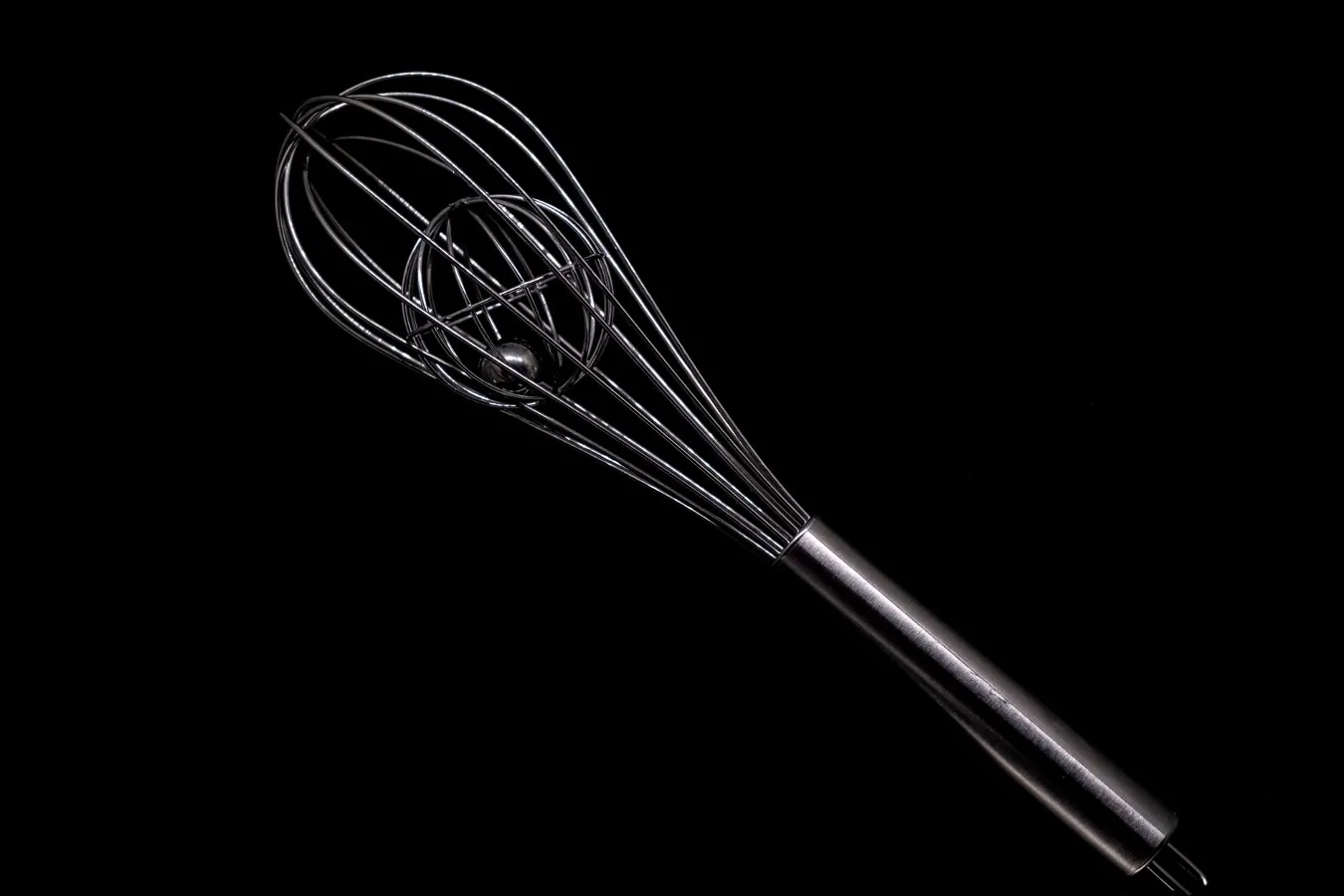
- Whisks: A solid choice if you want something durable for mixing batters, sauces, and dressings.
- Measuring spoons and cups: Helpful if you want a set that feels sturdy, stacks neatly, and cleans easily.
- Strainers and sieves: Often worth choosing in stainless steel because they tend to hold shape and tolerate repeated washing.
- Ladles and serving tools: Useful for soups, stews, sauces, and buffet-style serving.
- Garlic presses and peelers: These can be worth it if the mechanism is simple and easy to clean, but some designs are more annoying than helpful.
If a gadget is only used occasionally, stainless steel may be more about preference than necessity. For everyday tools, the material’s longevity usually becomes easier to appreciate over time.
Where stainless steel is not the best answer
Stainless steel is practical, but it is not automatically the best material for every kitchen job. That is where many buyers overcommit to a matching set and later discover they need other materials anyway.
Soft spatulas for scraping bowls, flexible turners for delicate eggs, and certain baking tools often work better with silicone, nylon, or wood. If you are protecting a nonstick pan, a softer tool may be the smarter choice. If you want a heat-safe utensil for stirring a hot pot, stainless steel makes more sense.
Another limitation is comfort. Some people prefer the warmer feel of wood handles or the lighter feel of plastic tools. Stainless steel can feel cold, rigid, and less forgiving in the hand, especially during long prep sessions.
Common mistakes when buying stainless steel kitchen gadgets
Most buying mistakes come from focusing on appearance rather than use.
- Choosing based on shine alone: A polished finish does not tell you whether the tool is comfortable or well balanced.
- Ignoring handle ergonomics: A slippery or narrow handle can make an otherwise good gadget frustrating.
- Buying gadgets that duplicate each other: A cluttered drawer often starts with tools that seemed useful at the store but solve the same problem as something you already own.
- Forgetting cookware compatibility: Metal tools are not ideal for every pan surface.
- Overlooking cleaning difficulty: Moving parts and hard-to-reach seams matter more than many shoppers expect.
- Assuming all stainless steel is equally good: Build quality, thickness, and design vary widely.
One overlooked consideration is storage. Stainless steel gadgets can be compact, but long handles, sharp edges, and mixed shapes may still create clutter if they are not easy to organize. A good purchase should fit your drawer, utensil crock, or hanging setup as comfortably as it fits your cooking style.
How to choose the right stainless steel gadgets for your kitchen
A practical way to shop is to match each gadget to a real use case rather than building a collection all at once.
- Start with your most common tasks. If you cook on the stovetop every day, prioritize tongs, spatulas, and ladles. If you bake often, measuring tools and whisks may matter more.
- Check the grip. Hold the tool if possible. The handle should feel secure, not slippery or unbalanced.
- Think about cleanup. If you dislike hand-washing, simpler designs usually save frustration.
- Match the tool to your cookware. Metal utensils make sense for durable cookware, but not always for coated surfaces.
- Avoid unnecessary complexity. A gadget with extra hinges or moving parts should earn its place by solving a specific problem.
For many kitchens, a small set of well-chosen stainless steel tools is more useful than a large bundle of specialty gadgets. The goal is not to collect everything with a metal finish. The goal is to choose tools that stay in rotation.
Stainless steel versus other common materials
Comparing materials can make the choice much easier.
| Material | Main strengths | Common trade-offs | Best for |
|---|---|---|---|
| Stainless steel | Durable, easy to clean, sturdy, versatile | Can scratch delicate surfaces, may feel cold or heavy | Everyday cooking, prep, serving, hot cookware |
| Silicone | Gentle on cookware, flexible, heat-friendly | Can feel less rigid, quality varies | Nonstick pans, scraping, mixing, baking |
| Wood | Comfortable, gentle, classic feel | Needs more care, can absorb odors or moisture | Stirring, mixing, low-impact cooking |
| Nylon | Lightweight, often affordable, nonstick-friendly | Lower heat tolerance in many products, less durable than metal | Basic prep and low-heat use |
This comparison is less about picking a winner and more about choosing the right tool for the right surface and task. Many home kitchens work best with a mixed-material toolkit.
Care and maintenance tips
Stainless steel usually needs less care than many other materials, but a few habits help it stay in better shape.
- Wash tools soon after cooking if food tends to dry and stick.
- Dry them well if you want to avoid water spots.
- Pay attention to seams and joints where residue can hide.
- Avoid abrasive scrubbing if the finish is decorative or brushed.
- Store tools so they do not rub against each other unnecessarily.
If a gadget includes non-metal parts, follow the most delicate care instruction on the item. A stainless steel body does not guarantee that every component has the same cleaning tolerance.
FAQ
Are stainless steel kitchen gadgets dishwasher safe?
Many are, but not all. The safest approach is to check the manufacturer’s care guidance, especially if the tool has mixed materials, coatings, or moving parts. Dishwasher-safe does not always mean the finish will stay pristine forever.
Do stainless steel gadgets scratch pans?
They can scratch nonstick and other delicate surfaces. For coated cookware, use caution and consider silicone or nylon alternatives. Stainless steel is usually a better fit for uncoated cookware like stainless steel or cast iron.
What makes one stainless steel gadget better than another?
Look at balance, handle comfort, thickness, and how the tool is built at stress points. A well-designed gadget should feel stable, easy to clean, and suited to the task it is supposed to perform.
Are stainless steel gadgets worth paying more for?
They can be, if the extra cost reflects better construction, comfort, and long-term usability. Paying more for a tool that fits your cooking habits is often more sensible than buying a cheaper gadget that ends up unused.
Should I buy a matching set?
Only if the pieces truly fit how you cook. A matching set can look neat, but a selective approach usually gives you better performance and less drawer clutter.