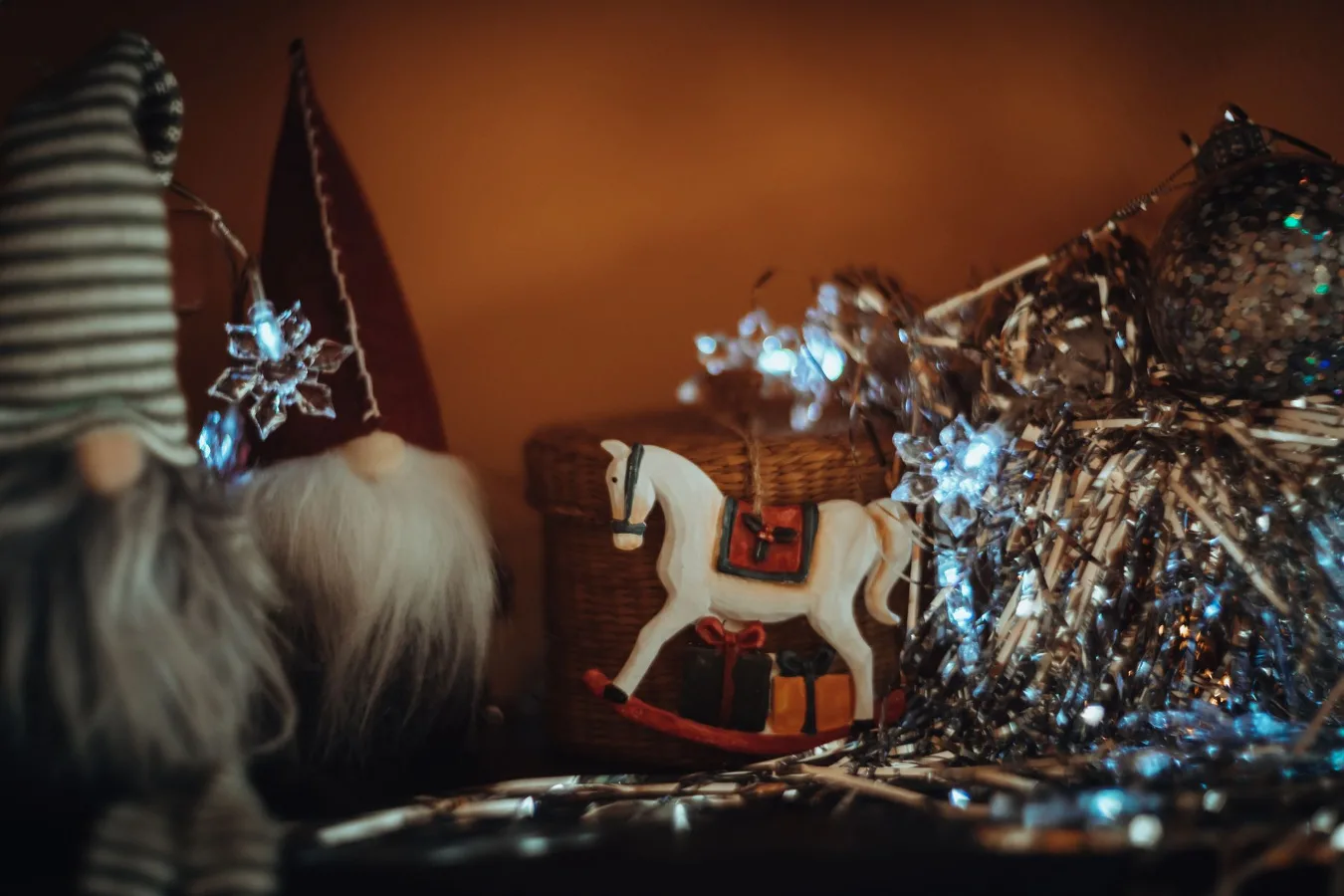
Horse home decor works best when it feels curated
Horse home decor is a strong fit for people who want a room to feel grounded, classic, and personal without going fully themed. The most successful pieces usually share one trait: they echo the look of equestrian life through shape, material, color, or movement, but they still blend with the rest of the room. home theater home decor offers more detail on this point.
If you are shopping with a commercial intent, the key question is not just what horse decor looks good, but which type fits your space. A carved horse sculpture, a framed print, a metal wall piece, or a subtle pillow pattern each creates a different effect. That choice matters because horse decor can easily move from refined to overly literal if scale, finish, or placement is off.
The best approach is to treat horse decor as an accent category. Use one or two focal pieces, then support them with textures and colors that already belong in the room. That keeps the decor intentional and easier to live with over time.
When horse decor makes sense
Horse-inspired pieces work especially well in rooms that already lean toward farmhouse, rustic, transitional, traditional, western, cottage, or gently modern styles. They can also soften a space that feels too minimal by adding warmth and visual motion.
Horse home decor is especially useful when you want one of these effects:
- A natural focal point for a shelf, mantel, console, or wall.
- A sense of movement in a room that feels too static.
- A subtle nod to equestrian interests without turning the room into a novelty theme.
- Texture and contrast through wood, metal, ceramic, fabric, or canvas.
It is less effective when the room already has several competing motifs. If you are using florals, coastal accents, vintage signage, and western details all at once, horse decor can become one layer too many. In that situation, a smaller or more abstract equine piece usually works better than a literal horse statue or a large horse print.
Step-by-step criteria for choosing the right piece
1. Start with the room’s style, not the horse motif
Choose the style direction first. A sleek metal horse sculpture suits a modern or transitional room better than a distressed wood horse head plaque. A painted equestrian print can work in a more traditional setting, while a natural-finish carving may feel right in a rustic room.
This is the most common mistake people make: they select the horse image first and the decor style second. The result often feels disconnected from the rest of the space. Matching the finish and form to the room matters more than picking the most detailed design.
2. Decide how visible you want the theme to be
Horse decor can be obvious or understated. If you want a subtle effect, look for abstract silhouettes, line drawings, neutral horse art, or small sculptural objects. If you want the equestrian theme to be clear, choose larger wall art, framed illustrations, or a pair of coordinated horse accents.
For many homes, the most versatile option is a piece that reads as decorative first and thematic second. That gives you more flexibility as the room evolves.
3. Pay attention to scale
Scale has a bigger impact than many shoppers expect. A small horse figurine can disappear on a large mantel, while an oversized horse canvas can overpower a compact entryway. Measure the wall, shelf, or tabletop before buying, and think in terms of visual balance rather than just available space.
A useful rule: larger horse decor usually works best as a focal point, while smaller pieces are better for layering. Grouping can help too. Two or three coordinated objects often look more polished than one isolated item that feels too tiny for the surface.
4. Choose materials that suit the room’s use
Materials shape both appearance and maintenance. Wood brings warmth and works well in relaxed rooms. Metal can feel more refined or more rustic depending on the finish. Ceramic and resin often suit shelves and side tables, while canvas, paper, or framed prints are easier for walls.
If the room is busy or family-oriented, easier-to-clean finishes usually make more sense than delicate textures. In low-traffic areas, decorative details can be more intricate because they will not face as much wear. This practical decision is often overlooked when people shop by style alone.
5. Think about color and contrast
Horse decor does not need to be brown or black to feel authentic. Neutral whites, deep charcoals, warm taupes, muted greens, and faded sepia tones often blend well with everyday interiors. Strong contrast can help a horse piece stand out, but too much contrast can make it feel disconnected from the room.
If the rest of your decor is already busy, choose a quieter horse accent. If the room is mostly neutral, a darker or more detailed horse piece can become the anchor that adds definition.
Common formats and where they work best
Wall art
Horse wall art is the easiest way to introduce the theme without taking up floor or shelf space. It works well above a sofa, console table, bed, or fireplace mantel. Framed prints tend to feel more polished, while canvas pieces can feel softer and less formal. related advice on gold floor lamp offers more detail on this point.
For a balanced look, pair horse wall art with simple surrounding decor. A busy gallery wall can work, but only if the other frames, images, and finishes are kept coordinated.
Sculptures and figurines
Horse statues and figurines are best used where they can be seen from a short distance: on a shelf, console, desk, or mantel. They add dimension and can make a room feel more collected. Their main advantage is versatility; their main limitation is clutter risk.
If you already have books, lamps, baskets, and framed photos on the same surface, keep the horse piece simple so the arrangement does not feel crowded.
Textiles and soft accents
Horse throw pillows, blankets, and patterned textiles are useful when you want a lighter touch. They are easy to change seasonally and do not require a big commitment. The trade-off is that they usually look more casual than art or sculpture, so they may not create the same sense of permanence.
Soft accents are a smart choice for bedrooms, family rooms, and casual sitting areas where you want the theme to feel welcoming instead of formal.
Decorative mirrors, lamps, and functional pieces
Some horse-inspired decor shows up as functional objects or mixed-material accents. These can be especially effective in smaller spaces because they add personality without sacrificing usefulness. Look for pieces that suggest the equestrian aesthetic through shape, finish, or subtle detail rather than overt novelty.
Room-by-room styling guidance
Living room
In a living room, one strong horse piece usually works better than several small ones. A framed print or sculptural accent can create a focal point without overwhelming the seating area. If the room already has patterned upholstery, keep the horse decor quieter so the space stays readable.
Use horse decor to support the room’s main palette. If you have warm woods and neutral upholstery, a bronze, black, or sepia-toned piece usually feels cohesive. If the room is more modern, choose cleaner lines and less distressed finishes.
Entryway
The entryway is a natural place for horse home decor because it sets a tone quickly. A console table, wall hook area, or narrow shelf can all support a tasteful equestrian accent. Since entryways are often small, avoid oversized pieces unless the architecture can handle them.
One good strategy is to use a single horse artwork above a console and keep the rest of the styling simple: a lamp, a bowl, and one or two books. That keeps the focus on the decor rather than the clutter around it.
Bedroom
Bedrooms benefit from quieter horse decor. Soft artwork, muted colors, or a small sculptural object on a dresser usually feels more restful than highly detailed western imagery. If the room is for an adult, choose pieces that feel elevated rather than novelty-driven. bedroom decor ideas for adults offers more detail on this point.
A common misconception is that horse decor only suits rustic bedrooms. In reality, a restrained equestrian print or line drawing can work in a contemporary bedroom if the frame and colors are right.
Office or study
A study or home office can be a strong setting for horse decor because the subject naturally pairs with tradition, focus, and craftsmanship. Here, framed art or a compact sculpture works better than soft accents. The goal is to add character without distracting from work.
If the office is already book-heavy, use one standout piece instead of several small ones. Too many objects on a desk can quickly make the room feel busy.
Checklist before you buy
- Match the style to the room first, then choose the horse motif.
- Check scale against the wall, shelf, or surface where it will sit.
- Choose a finish that works with existing furniture and hardware.
- Decide how literal or subtle you want the horse theme to feel.
- Consider maintenance if the piece will sit in a high-traffic or dusty area.
- Think in layers so the decor complements the room rather than competing with it.
- Favor versatility if you may redecorate later.
Practical trade-offs to keep in mind
Horse home decor can be surprisingly flexible, but it has a few limits. Highly themed pieces can date faster than simple silhouettes or classic equestrian imagery. Intricate surfaces may need more dusting. Large wall art may be striking, but it narrows your placement options if you move furniture later.
If you want longevity, lean toward pieces that are decorative even without the horse association. A well-made sculpture, a tasteful framed print, or a subtle textile pattern usually has more staying power than novelty decor with a literal approach.
Another useful trade-off to consider is between statement and softness. A bold horse piece can energize a space, but it can also dominate it. Softer accents are easier to live with, but they may not satisfy if you want the room to make a clear impression. The right answer depends on whether the horse decor is meant to anchor the room or simply support it.
Common mistakes shoppers make
- Buying novelty before style and ending up with a piece that feels out of place.
- Ignoring scale and choosing art or objects that are too small for the surface.
- Mixing too many themes so the room loses cohesion.
- Using overly literal imagery in a refined space where subtlety would work better.
- Overcrowding shelves with too many equestrian accents at once.
- Forgetting finish consistency so metals, woods, and frames clash.
What to choose if you want a specific look
If you want a farmhouse look, choose distressed wood, black metal, neutral textiles, and simple horse silhouettes. If you want a modern look, choose cleaner frames, monochrome art, and sculptural forms with minimal detailing. For a traditional look, consider framed equestrian prints, richer tones, and more classic silhouettes. For a western look, look for warm materials, leather-like textures, earthy colors, and bolder imagery.
If you are unsure which direction to take, start with one understated accent and build from there. That is safer than committing to a highly themed room all at once, especially if you are decorating a shared space.
Buying summary
Horse home decor works best when it complements the room’s style, respects scale, and uses materials that fit the space’s function. The most dependable choices are usually the ones that feel timeless enough to move between rooms or survive a future style change. That makes the decor more useful, not just more decorative.
For most shoppers, the smartest path is simple: choose one focal piece, keep the rest of the styling restrained, and let the horse motif add character rather than take over the room.