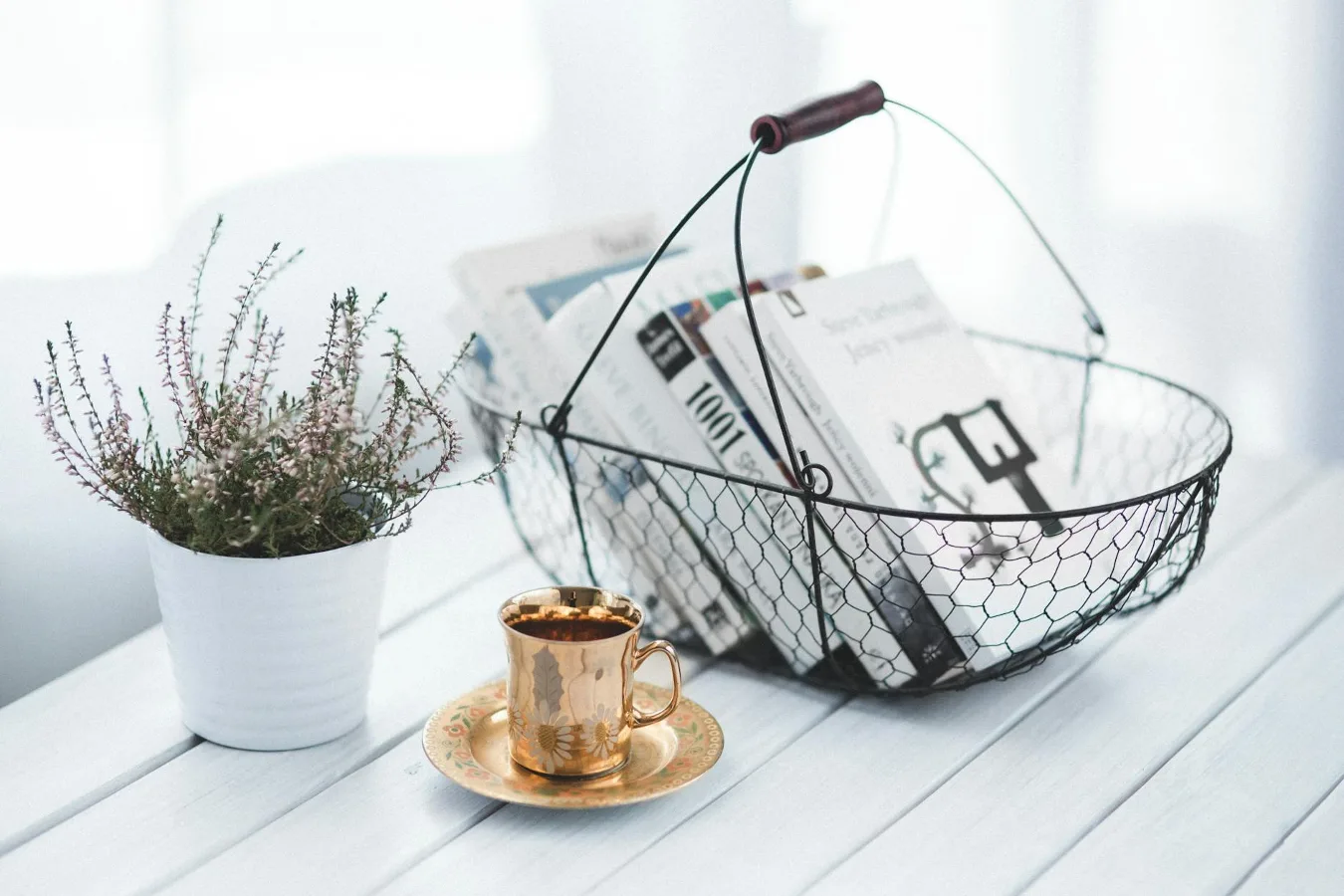
What home decor books are best for?
Home decor books are usually chosen for two jobs at once: they add visual interest and they help a room feel finished. The best ones can act as color, texture, and scale anchors on a coffee table, console table, bookshelf, entryway bench, or media cabinet. They are especially useful when a room needs one more layer without adding clutter. living room accessory guide offers more detail on this point. neutral living room decor offers more detail on this point.
If you are shopping for home decor books, start with the display goal. Some people want a bold art book that stands on its own. Others want neutral stacks that quiet a busy room. A few want books that are genuinely worth reading as well as attractive enough to leave out. The right choice depends less on trend and more on where the books will live and what they need to balance.
Buyer scenario: choose by room, surface, and style
The most practical way to shop is to begin with the space, not the book title. A large coffee table can handle oversized books with strong covers and broad spines. A narrow shelf or side table usually needs slimmer books or smaller stacks so the display does not feel top-heavy.
For coffee tables
Coffee table books are often the easiest place to start because they are meant to be seen. Look for covers that fit the room’s palette, but do not ignore the subject matter. Photography, architecture, fashion, travel, design, and art titles usually work well because their imagery supports the decorative role. If the room already feels busy, a calm cover and restrained typography may work better than a loud image.
For bookshelves
On bookshelves, decor books are most useful as structure. They can break up rows of smaller books, create horizontal layers, or lift objects to different heights. This matters in open shelving, where a shelf full of upright spines can look flat. A few horizontal stacks can restore rhythm without making the shelf feel crowded.
For entryways and consoles
Entry tables and consoles usually demand restraint. Choose books that help the area feel welcoming but not overloaded. A small stack with a bowl, lamp, or vase is often enough. Here, the books should support the vignette, not compete with it.
The trade-offs that matter before you buy
Home decor books are appealing because they are functional and decorative, but the two uses do not always line up perfectly. A book may look beautiful on a table and feel awkward to read. Another may be genuinely interesting to read but visually too plain for display. Knowing the trade-off helps you avoid regret.
Design impact versus subject interest: Some books are chosen mostly for cover design, color, and size. Others are chosen for topic and long-term interest. If you care about both, try to find a middle ground. A visually strong book that also fits your interests will stay useful longer than a purely decorative purchase.
Oversized versus compact: Larger books create stronger presence, but they can overwhelm small surfaces and may be harder to store. Smaller books are easier to place, yet they often need help from trays, objects, or layered stacks to look intentional.
Neutral versus expressive: Neutral books blend into many interiors and are easier to reuse if you rearrange a room. Expressive covers create personality but can date faster or clash with new decor.
New versus used: Used books can be a smart way to find older titles or better prices, but condition matters if the books will be part of a visible display. Worn dust jackets, bent corners, and fading may suit a vintage look, but they can read as neglected in a polished room.
Material and spec factors to check
For home decor books, the most relevant “specs” are not technical in the usual sense. They are the physical traits that affect placement, durability, and appearance.
- Format: Hardcover books usually feel more substantial and hold their shape better in display stacks. Paperback books can work, but they often look less polished on open surfaces.
- Size: Oversized books make stronger anchor pieces. Medium books are more flexible. Small books are easier to tuck into shelf groupings.
- Spine width: Wider spines often read more substantial from a distance and can help fill visual space.
- Cover finish: Matte covers tend to feel softer and more understated. Glossy covers reflect light and can look more striking, but they may show fingerprints more easily.
- Dust jacket: A removable jacket can be useful if you want a cleaner look, but it may also add glare or show wear sooner.
- Color palette: Neutral tones, monochrome covers, and limited palettes are easier to integrate into many rooms. Strong color can become the focal point.
- Subject matter: Photography, architecture, interiors, art, travel, and fashion are common choices because they often support visual display and browsing.
An overlooked detail is how the book edges and spine typography read in real light. A book that looks elegant in a product photo can appear much louder or duller in a room with warm lamps, bright daylight, or mixed finishes.
How to match decor books to your room
Think of the books as part of the room’s visual system. They should either blend with surrounding elements or deliberately break them up. Both approaches can work, but mixing them without intention often looks accidental.
Match the color story, not every shade
You do not need perfect color matching. That often looks forced. Instead, echo one or two recurring tones in the room. In a neutral space, books in cream, beige, black, gray, or muted earth tones usually feel easy to place. In a brighter room, a single accent color on the cover can help tie together pillows, artwork, or ceramics.
Use books to balance shape
Books are useful because they are rectangular and stackable. If the room already has a lot of round objects, a square-edged book stack adds contrast. If the room is full of straight lines and hard surfaces, a book stack can soften the look when paired with a vase or sculptural object.
Scale matters more than trend
A common mistake is buying books that are too small for the furniture. Tiny books disappear on a large coffee table, and oversized books can make a slim side table feel crowded. The best visual fit usually comes from repeating scale: larger furniture with larger books, smaller surfaces with smaller stacks.
What to look for if you want both style and usefulness
Some buyers want books that are decorative now and enjoyable later. If that is your goal, look beyond the cover.
- Browse value: Books with strong imagery, clear sections, or thoughtful layouts are easier to leave out and revisit.
- Evergreen topic: Design, architecture, art, and travel books often age more gracefully than trend-driven titles.
- Display flexibility: Books that look good both standing upright and stacked horizontally are more versatile.
- Giftability: A well-chosen decor book can work as a housewarming or hostess gift if the recipient’s style is clear.
If you are buying for your own space, the safest option is a book you would not mind reading on a quiet afternoon. That reduces the risk of ending up with a purely decorative object that feels disposable after the room changes.
Common mistakes to avoid
Decor books are simple in theory, but a few mistakes can make them look cluttered or accidental.
- Buying only by cover color: A pretty cover helps, but a poor format or awkward size can still look out of place.
- Ignoring room scale: Oversized books can dominate small furniture; tiny books can vanish on large surfaces.
- Using too many patterns at once: If the room already has strong prints, busy covers may create visual noise.
- Leaving no breathing room: Books need space around them. A crowded arrangement makes them feel like storage instead of styling.
- Choosing books you would never open: If the content has no value to you, the display may feel temporary rather than personal.
A practical rule: if a stack looks unfinished, add one object instead of more books. A tray, candle, bowl, or small sculpture often does more than another title added to the pile.
Helpful alternatives if books are not the best fit
Home decor books are not the only way to create a styled surface. If you need a lighter visual touch, or if the space is too small for a stack, consider alternatives that serve a similar purpose.
- Decorative trays: Useful for organizing smaller items and creating a defined zone.
- Sculptural objects: Good for adding texture and personality without needing much surface area.
- Framed art prints: Helpful when wall space is available and you want visual impact without tabletop clutter.
- Small boxes or lidded vessels: Add structure and can hide everyday items.
- Magazines with strong covers: Sometimes used in a similar way, though they usually feel less enduring.
These options can also be paired with books. A single stack of decor books often looks better when it is treated as one layer among several, not the entire display.
Next steps: how to shop with a clear plan
Before you add home decor books to cart, decide what job they need to do. Are they filling negative space, adding height, bringing in a color accent, or introducing a subject you enjoy? Once that is clear, filter by size, color family, topic, and whether the books will be read or only displayed.
For most rooms, the best results come from a small number of well-chosen books rather than a large pile of random titles. Start with one area, such as the coffee table or a single shelf, and build from there. If the first stack feels balanced, the rest of the room becomes easier to style.
If you plan to use home decor books throughout the house, keep a mix of neutral staples and a few more expressive titles. That gives you flexibility when seasons, furniture, or accessories change.
FAQ
What are home decor books?
Home decor books are books used partly for styling a room. They often add color, scale, and texture to shelves, coffee tables, consoles, and other visible surfaces. coffee table styling ideas offers more detail on this point.
Should decor books be hardcover?
Hardcover books usually work better because they hold their shape, stack neatly, and look more substantial. Paperback books can still work, especially in smaller or more casual displays.
How do I choose decor books for a coffee table?
Start with the table size, then look for books that fit the room’s palette and style. Oversized or medium-format books with attractive covers are usually the easiest to display.
Are neutral books better than colorful ones?
Neither is always better. Neutral books blend easily and are versatile, while colorful books can create a focal point or echo other accents in the room.
Can I mix decorative books with books I read?
Yes. Mixing display books with books you actually read often makes a room feel more authentic. The key is keeping the arrangement tidy and intentional.