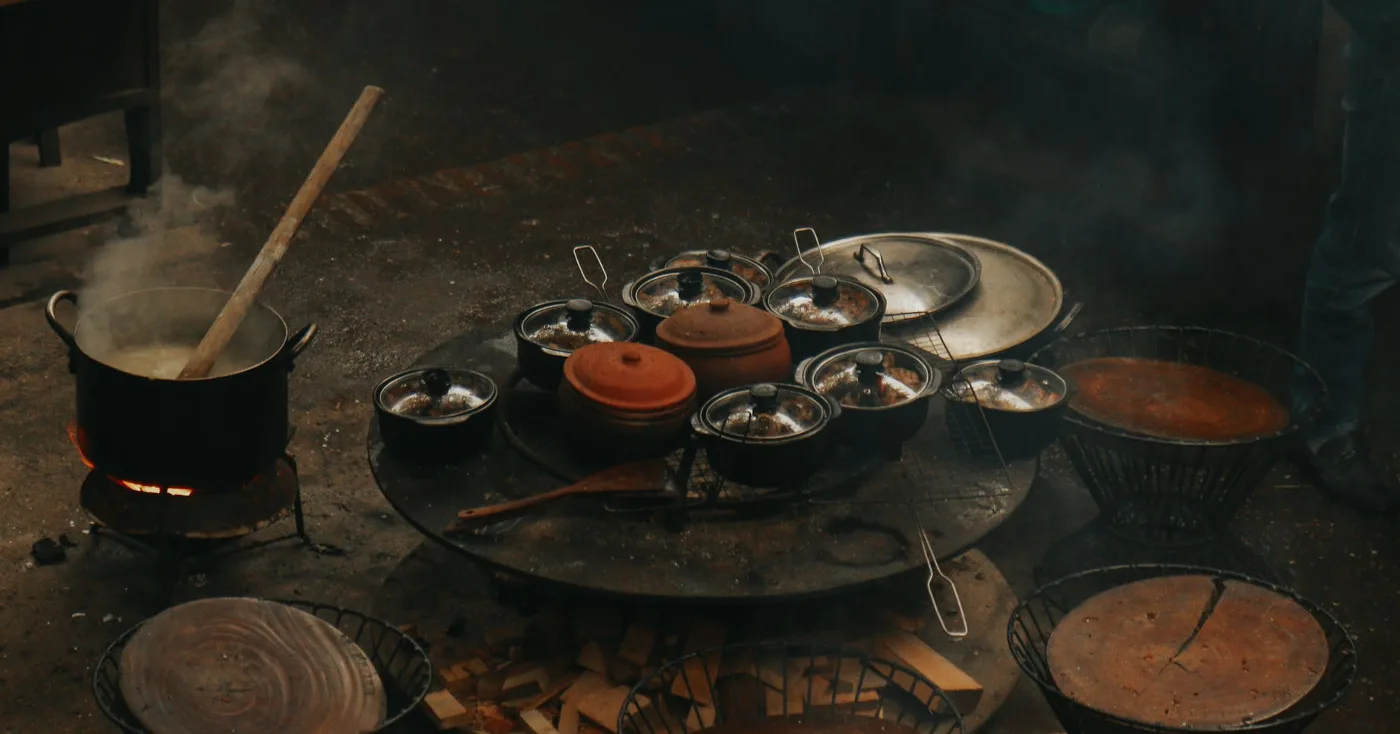
Mexican cookware covers a practical mix of traditional and modern kitchen tools used for everything from tortillas and salsas to beans, soups, and slow-simmered stews. If you are shopping for Mexican cookware, the best choice depends less on style alone and more on how you cook, what heat source you use, and how much upkeep you want to handle. choosing cookware by heat source offers more detail on this point.
For many home cooks, the key pieces are a comal for tortillas and toasting ingredients, a molcajete for grinding and serving salsas, and a pot or cazuela for beans, broths, and braises. Materials matter too: cast iron, clay, enameled steel, aluminum, and copper each bring different strengths and trade-offs. Some are ideal for authentic flavor and texture; others are better for convenience or broad compatibility.
How to choose Mexican cookware
The right set starts with the dishes you cook most often. A cook who makes fresh tortillas needs very different gear than someone focused on pozole, frijoles, or chocolate drinks. Instead of buying a large “traditional” set all at once, it usually makes more sense to choose a few pieces that match your menu, stove, and storage space.
Start with the core use case
If tortillas are a priority, a comal is the most useful piece. If you make salsa from roasted chiles, tomatoes, or garlic, a molcajete or a similar stone mortar gives you a different texture than a food processor. For beans, soups, and stews, look at pots that distribute heat evenly and can hold a steady simmer.
That practical approach helps avoid a common mistake: buying cookware because it is traditional, then discovering it does not suit your cooking habits. A clay cazuela may be excellent for certain dishes, but it is not the most forgiving choice for every kitchen.
Match the material to your stove and routine
Material is often the biggest decision factor. Cast iron retains heat well and is a strong option for tortillas, searing, and browning. Clay cookware can add a distinctive cooking character, but it usually needs more care and may be more fragile. Copper offers responsive temperature control, though it can require more maintenance and is not always the most practical choice for everyday use. Aluminum is lightweight and common in budget-friendly cookware, but it may not deliver the same heat retention as heavier materials.
Heat source compatibility matters just as much. Some traditional pieces work beautifully over gas but may not be suitable for induction unless they have a magnetic base. Others are best used in the oven or over open flame. Before buying, check whether the cookware works on your range, comal burner, grill, or camp setup.
Think about care and maintenance
Some Mexican cookware is meant to develop character with use. Cast iron needs seasoning and dry storage. Clay pieces may require special handling, gradual heating, and more careful washing. Stone tools like a molcajete may need preparation before first use and should be cleaned in ways that protect the surface. how to season cast iron properly offers more detail on this point.
If low-maintenance cookware is important, this is where modern alternatives can be the smarter pick. An enameled pot or a well-made cast iron comal can deliver many of the same cooking benefits with less day-to-day fuss than more delicate traditional items.
Consider size, weight, and storage
Mexican cookware can be heavy, especially cast iron and stone. That weight is part of why these tools perform well, but it can also be a drawback if you have limited cabinet space or prefer pieces that are easy to move from stovetop to table. Size also affects usefulness: a small comal may be ideal for single servings, while a larger one is better for family meals or batch cooking.
In many kitchens, portability and storage are overlooked. A gorgeous piece that is too heavy to lift or too large for your burner may become a decorative object rather than an everyday tool.
Common Mexican cookware pieces and what they do best
Not every piece labeled Mexican cookware serves the same purpose. Some are specialty tools, while others are versatile enough to earn regular use. Understanding the role of each item makes it easier to buy only what you will actually use.
| Cookware piece | Best for | Key trade-offs |
|---|---|---|
| Comal | Tortillas, tostadas, chiles, spices, flatbread-style cooking | May need seasoning; size and stove fit matter |
| Molcajete | Salsas, guacamole, grinding spices, serving | Heavy, porous stone may require preparation and care |
| Cazuela | Beans, stews, soups, braises, serving dishes | Can be fragile; often needs gentler heat handling |
| Bean pot | Slow-cooked beans and legumes | May be less versatile than a multipurpose Dutch oven |
| Chocolate pot or small saucepan | Hot chocolate, sauces, warming liquids | Specialized use may not justify purchase for every cook |
A comal is often the most practical starting point because it supports several techniques, not just tortillas. A molcajete is more specialized, but it can be worth the space if you enjoy rustic salsas and textured guacamole. A cazuela is especially appealing if you like cooking dishes that move from stovetop to table.
Traditional materials: strengths and limitations
Traditional Mexican cookware is often associated with clay, stone, and copper, but each material behaves differently. Choosing well means understanding both the cooking result and the upkeep required.
Clay cookware
Clay cookware is valued for gentle, even heating and a distinctive presentation. It can be a good fit for bean dishes, stews, and serving vessels. The main limitations are fragility and care. Sudden temperature changes can stress clay, and some pieces require seasoning or soaking depending on how they are made.
If you want visual warmth and a more traditional table presence, clay is appealing. If you want speed, toughness, or dishwasher-friendly convenience, it is usually not the best match.
Cast iron
Cast iron is one of the most useful materials for a home cook building a Mexican cookware collection. It holds heat well, which helps with browning tortillas, toasting ingredients, and maintaining steady cooking temperatures. With proper care, it can last for years. The trade-off is weight and maintenance, including drying thoroughly and keeping the surface protected. best cookware materials for home cooking offers more detail on this point.
For many buyers, cast iron is the best balance between tradition and practicality.
Copper
Copper cookware is known for responsiveness, which can be helpful for delicate sauces and recipes that need quick temperature adjustments. It can also be beautiful enough to serve as presentation cookware. The downside is that it often requires more polishing and careful handling than heavier, lower-maintenance options.
Because copper is not the most forgiving choice, it tends to suit cooks who are comfortable with more upkeep and want a specialized piece rather than a general-purpose pan.
Stone
Stone tools, especially molcajetes, are deeply associated with Mexican cooking. They excel at grinding and crushing ingredients into textured salsas, pastes, and guacamole. The unique result is part of their appeal. Their main limitations are weight, porosity, and the need for careful cleaning and preparation.
If you want smoother sauces or the quickest cleanup, a blender or mortar-and-pestle alternative may be more practical. If texture matters and you enjoy the ritual of preparing ingredients by hand, stone is hard to replace.
What many buyers overlook
One overlooked factor is stove realism. A traditional-looking pan can still be a poor fit if it does not sit properly on your burner, is too small for even heating, or does not work on induction. Another common blind spot is serving use. Some Mexican cookware is designed to move from stove to table, while other pieces are purely functional and may not be safe or convenient for that purpose.
A second nuance is flavor versus convenience. Clay and stone can support the textures and presentation many cooks want, but they ask more of the user. If your routine is hectic, the most “authentic” choice may be the one that gets used regularly, not the one that looks most traditional.
Mistakes to avoid when buying Mexican cookware
- Buying for looks alone. Attractive finishes matter, but cookware must fit your burner, storage, and cooking habits.
- Ignoring care requirements. Clay, cast iron, and stone often need more attention than standard nonstick or stainless steel pieces.
- Choosing the wrong size. A comal that is too small or a pot that is too large can make cooking less efficient.
- Assuming every traditional piece is universal. Some are best for specific recipes, not everyday all-purpose use.
- Overlooking heat source compatibility. Gas, electric, induction, oven, and open flame can all affect your choice.
- Expecting instant versatility. Specialty cookware often shines in a narrow role rather than replacing a full kitchen setup.
Practical alternatives if you want a simpler setup
If you like the idea of Mexican cooking but do not want a highly specialized collection, there are sensible alternatives. A heavy cast iron skillet can substitute for a comal in many cases. A sturdy Dutch oven can handle beans, soups, and braises in place of a traditional cazuela or bean pot. A mortar and pestle can provide some of the texture benefits of a molcajete without the same size and weight.
These alternatives may not deliver the same traditional feel, but they can be more practical for smaller kitchens, tighter budgets, or cooks who want a broad-use tool rather than a specialty item.
Who should buy traditional Mexican cookware?
Traditional Mexican cookware is a strong fit if you cook regional dishes regularly, value texture and presentation, or want tools that encourage slower, more hands-on cooking. It is also a good choice if you enjoy building a kitchen around a few specialty pieces rather than filling drawers with general-purpose items.
If you mostly cook quick weeknight meals, prefer minimal maintenance, or need cookware that works seamlessly across several appliances, a hybrid approach is usually better. You can still include one or two specialty pieces without committing to a full traditional set.
For many households, the smartest path is selective: start with the piece that supports the dish you make most often, then add others only when they solve a real cooking need. That approach keeps the collection useful, not decorative.