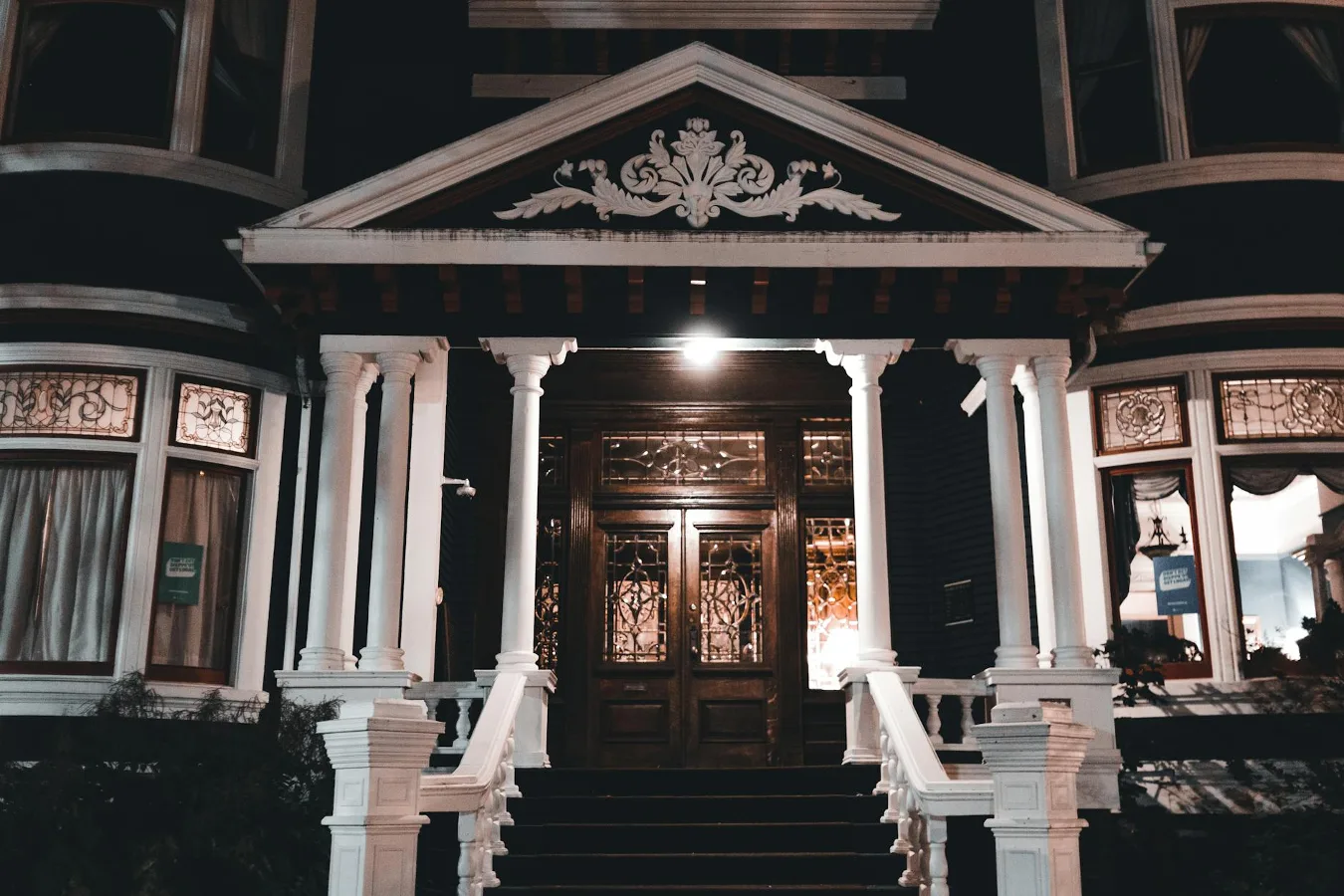
Quick answer: what gothic decor for home really means
Gothic decor for home is a style built around contrast, drama, and detail. Think deep colors, ornate shapes, antique or antique-inspired pieces, layered textures, and a slightly romantic, mysterious mood. Done well, it feels intentional and architectural rather than costume-like. french home decor offers more detail on this point.
The easiest way to approach it is to treat gothic decor as a design language, not a checklist. You can lean into black walls, carved wood, velvet, ironwork, stained-glass-inspired accents, and candlelight, or keep the palette softer with charcoal, oxblood, plum, deep green, and aged brass. The style works best when one or two elements lead and the rest support them.
If you want the look without making your home feel heavy, start with contrast: a dark rug under lighter furniture, a dramatic mirror over a simple console, or rich textiles against clean wall lines. That balance is what makes the style feel refined.
What defines gothic decor in a modern home
Classic gothic design comes from historic European influences, especially medieval and Victorian references, but modern home styling usually borrows only the most usable parts. In practice, that means you are usually working with four ideas: darkness, ornament, texture, and mood. dark home decor ideas offers more detail on this point.
- Darkness: black, charcoal, deep burgundy, forest green, ink blue, and similar tones.
- Ornament: arched shapes, carved details, scrollwork, tracery, and decorative metalwork.
- Texture: velvet, brocade, lace, wood grain, marble, iron, and worn finishes.
- Mood: low contrast lighting, layered surfaces, and a space that feels intimate rather than sparse.
A common misconception is that gothic decor must be dark everywhere. In reality, many of the most successful rooms use darkness selectively. A light ceiling, reflective glass, or pale trim can keep the room from collapsing visually while still preserving the overall effect.
How to build the look without overdoing it
The best gothic interiors usually follow a clear hierarchy. One element should be dominant, one should be supporting, and everything else should stay quiet. That keeps the room from becoming visually noisy.
Start with a base palette
Pick one main dark tone and one or two secondary shades. Black pairs well with antique gold, oxblood, cream, and deep green. Charcoal works with silvered finishes, walnut, and stone. Plum and burgundy can feel more romantic, especially in bedrooms or sitting rooms. If you want a softer version of gothic decor home styling, anchor the palette with warm neutrals so the room still feels livable during the day. guide to gold floor lamp offers more detail on this point.
Use texture to create depth
Gothic style depends heavily on surface variety. If everything is matte and flat, the room can feel unfinished rather than atmospheric. Mix velvet with wood, metal with glass, and smooth surfaces with tactile fabrics. Even a small room can feel layered when the materials are varied.
Choose decorative forms with intention
Arches, pointed silhouettes, quatrefoil motifs, ornate frames, and elongated candleholders all reinforce the look. You do not need all of them at once. One well-placed mirror or light fixture can do more for the room than several smaller themed pieces.
Where gothic decor works best in the home
The style is flexible, but it tends to work best in rooms where mood matters more than bright utility. That does not mean it cannot be practical. It just means you may need to adjust the intensity from room to room.
Living room
A gothic living room often works best when one major piece carries the mood, such as a dark sofa, a carved coffee table, or a large mirror with an ornate frame. Add layered lighting rather than relying on overhead light alone. Table lamps, wall sconces, and candles help the room feel warm instead of stark.
If the room is small, use gothic accents rather than all-dark surfaces. A black lamp, a dramatic rug, and a few vintage-inspired accessories can create the theme without making the room feel compressed.
Bedroom
The bedroom is one of the easiest places to use gothic decor because softness and atmosphere already belong there. Velvet bedding, dark floral patterns, heavy curtains, and antique-style lighting can make the room feel immersive. Keep in mind that too many strong contrasts can make a bedroom feel restless. A calmer base palette usually works better for sleep.
Dining room
Gothic styling in a dining room can feel especially effective because the room naturally suits drama. Consider a dark table, sculptural chairs, moody wall color, and an eye-catching chandelier or pendant. If the room is used often, prioritize comfort and cleaning practicality alongside visual impact.
Entryway or hallway
These spaces are ideal for a more concentrated version of the style. A mirror, a console, a lamp, and a few carefully chosen accessories can establish the tone without requiring a major investment. Small spaces often benefit from a single strong focal point.
Materials and finishes that support the style
Material choice matters as much as color. Gothic decor for home usually feels strongest when finishes have some visual weight or age.
| Material or finish | Why it fits | Where it works well |
|---|---|---|
| Velvet | Adds softness, depth, and a formal feel | Sofas, pillows, drapery, accent chairs |
| Dark wood | Brings structure and a historic reference | Tables, frames, cabinets, shelving |
| Iron or aged metal | Creates contrast and architectural character | Lighting, hardware, mirrors, decor |
| Glass or mirrored surfaces | Prevents the room from feeling too heavy | Accent tables, trays, wall pieces |
| Stone or marble | Adds permanence and a slightly ceremonial quality | Top surfaces, accessories, fireplace surrounds |
Finishes matter too. Shiny black can feel modern, while matte black reads softer and more subdued. Distressed wood feels warmer and more layered than perfectly polished dark wood. Brass can lean antique or modern depending on shape, so the surrounding pieces matter.
Comparison: full gothic style vs. subtle gothic accents
Not every home can support a fully immersive gothic scheme, and not every homeowner wants one. A lighter approach can still feel authentic if the details are consistent.
| Approach | Best for | Strengths | Trade-offs |
|---|---|---|---|
| Full gothic styling | Rooms with strong natural light, larger spaces, or a clear design commitment | Highly dramatic, cohesive, immersive | Can feel heavy if the lighting or scale is off |
| Subtle gothic accents | Smaller rooms, rentals, mixed-style homes | Easier to adjust, lower commitment, more flexible | Requires restraint so it does not look accidental |
| Gothic-inspired eclectic | Homes that mix vintage, modern, and moody pieces | More livable and personalized | Needs careful editing to avoid visual clutter |
The subtle approach is often the smartest choice if you live with shared tastes in the household, need a family-friendly layout, or want the flexibility to change the room seasonally. Full gothic styling can be beautiful, but it asks more from the space and from the lighting plan.
Mistakes to avoid with gothic decor home styling
The most common errors are not about the color palette. They are usually about balance, scale, and overcommitment.
- Using too many themed objects: A few strong pieces usually work better than filling every surface with skulls, ravens, or novelty items.
- Ignoring lighting: Dark rooms need layered light sources, not only overhead fixtures.
- Making every item ornate: If everything has scrollwork or heavy detailing, the room loses contrast.
- Choosing the wrong scale: Oversized furniture can overwhelm a small room, while tiny decor can disappear against dark walls.
- Forgetting comfort: Gothic style should still support daily living, especially in seating, textiles, and traffic flow.
- Skipping texture: A room that is only black and flat will feel unfinished rather than atmospheric.
One overlooked consideration is how the room looks at different times of day. Some gothic palettes feel rich in evening light but too severe in bright midday sun. Before committing to a paint color or large furniture piece, consider how much natural light the room receives and whether the style still feels inviting in daylight.
Practical alternatives if you want the mood without the darkness
If the classic gothic look feels too intense, there are several related styles that borrow its atmosphere without relying on all-black interiors.
- Dark academia: More bookish and scholarly, with leather, wood, and vintage references.
- Victorian-inspired decor: More decorative and traditional, often with softer colors and more floral detail.
- Moody eclectic: Focuses on deep colors and collected objects without a strict historical reference.
- Romantic vintage: Uses lace, curves, and aged finishes with lighter tones.
- Modern dramatic: Keeps the palette restrained but uses strong contrasts and sculptural forms.
These alternatives can be a smart compromise if you like the gothic mood but want something easier to update later. They also work well in apartments, multipurpose rooms, or homes with existing neutral furniture.
How to edit the room so it feels finished
Gothic decor often looks best when the room feels curated rather than decorated. Editing matters. After you add the core pieces, step back and remove anything that competes with the main idea.
A useful test is whether each item supports one of three things: the palette, the silhouette, or the texture. If an object does none of those, it may be adding clutter instead of character. That kind of restraint is especially important in smaller rooms, where every extra object affects the visual weight of the space.
Layering also helps finish the room. A gothic space usually feels more convincing when there is something tall, something reflective, something soft, and something with age or visual heft. You do not need all of those in every corner, but you do want the room to feel assembled rather than bought all at once.
A simple decision guide for choosing your version of the style
If you are deciding how far to go with gothic decor home styling, start with the room’s function and light level.
- If the room is bright and spacious, you can usually support deeper colors and stronger contrast.
- If the room is small, choose one or two dark anchors and keep the rest lighter.
- If the room is highly used, prioritize durable fabrics and easy-to-clean surfaces.
- If the room is meant to feel restful, lean toward softened textures and fewer sharp contrasts.
- If the room is meant to feel theatrical, use bolder silhouettes, richer fabrics, and stronger focal points.
That approach keeps the style from becoming generic. Gothic decor is not really about darkness alone; it is about shaping atmosphere with control. The most successful rooms usually feel intentional, a little unexpected, and fully usable.