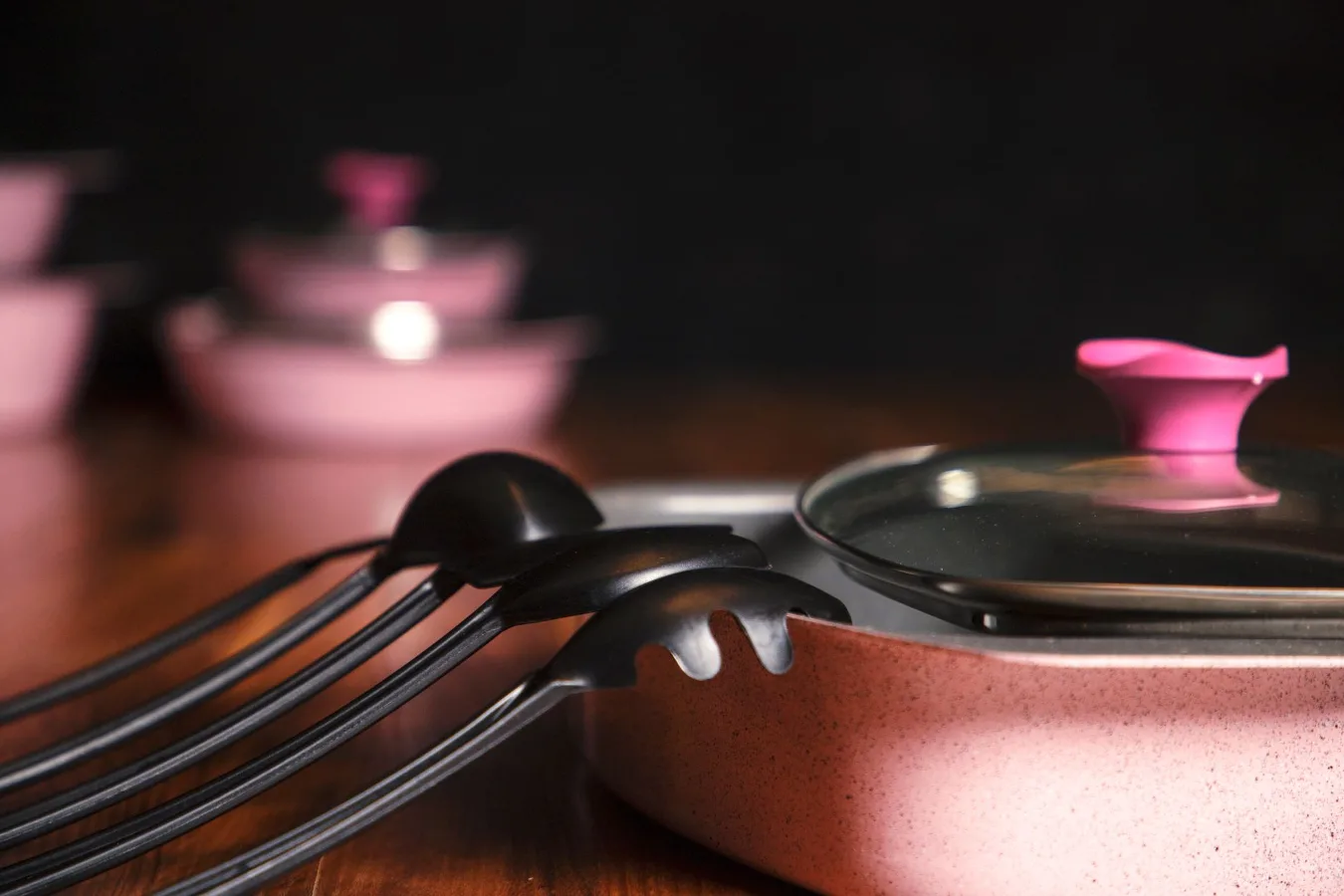
Falk cookware usually refers to premium bonded copper cookware, especially pieces built for cooks who want fast heat response, precise temperature control, and a more hands-on cooking experience. If you are looking for a quick answer, the main appeal of Falk cookware is performance: copper reacts quickly to heat changes, which can make delicate sauces, reductions, and controlled sautéing easier to manage than with many standard pans. bonded copper cookware basics offers more detail on this point. how copper pans perform offers more detail on this point.
That same strength also creates the main trade-offs. Copper cookware typically asks for more care, can cost more than conventional stainless steel or nonstick, and may not be the most practical choice for every home kitchen. For many buyers, the real question is not whether Falk cookware is “good,” but whether its strengths match the way they actually cook.
When Falk cookware matters most
Falk cookware matters most for people who care about control rather than convenience alone. If you cook frequently, enjoy recipes that depend on responsive heat, or dislike pans that seem slow to recover after a burner adjustment, copper cookware can be compelling.
It tends to make the most sense in kitchens where technique matters: pan sauces, custards, sugar work, reductions, eggs, risotto, and general stovetop cooking that benefits from small heat adjustments. It can also appeal to buyers who value long-term cookware rather than frequent replacements.
For casual cooks, though, Falk cookware may be more pan than necessary. If your usual meals involve one-pot dishes, sheet-pan cooking, or low-maintenance weeknight recipes, the extra care and higher upfront commitment may not feel worthwhile.
How to evaluate Falk cookware step by step
Instead of focusing on the brand name alone, evaluate the cookware the same way a careful buyer would evaluate any serious kitchen tool. The right choice depends on construction, compatibility, maintenance, and your own cooking habits.
1. Start with the construction
Falk is known for bonded copper cookware, which generally means copper is paired with another metal for cooking stability and easier care. That pairing matters because bare copper is highly reactive and usually not ideal for everyday use without a suitable lining.
When comparing pieces, look at how the cookware is built, what the interior cooking surface is, and whether the design aligns with the foods you cook most often. A copper exterior may deliver responsive performance, but the interior lining and pan shape also influence usability.
2. Check stove compatibility
Compatibility is one of the most overlooked considerations in copper cookware shopping. Some copper cookware works well on gas, while induction use depends on whether the piece is built for it. If your kitchen uses induction, do not assume copper cookware will automatically work just because it is premium. copper induction cookware offers more detail on this point.
Before buying, confirm whether the specific piece is induction ready. This is especially important for buyers moving from a gas range to induction or choosing cookware for a mixed-household kitchen where compatibility cannot be guessed.
3. Think about what you actually cook
Falk cookware is easiest to justify when your cooking style rewards responsiveness. If you make sauces that can break, reduce liquids, or need fast shifts from medium heat to low heat, copper’s sensitivity can be an advantage.
If most of your cooking is high-volume roasting, simmering soups for hours, or reheating leftovers, a different material may offer better practicality. In other words, the value is tied less to prestige and more to use case.
4. Compare care requirements honestly
Copper cookware usually requires more attention than stainless steel or nonstick. Depending on the piece, the exterior may develop patina and need polishing if you want to keep its appearance consistent. That is not a defect; it is part of the material’s character.
The more important question is whether you want cookware that asks for regular maintenance. If you prefer low-fuss cleaning and storage, Falk cookware may feel demanding. If you enjoy keeping well-made tools in good condition, the upkeep may be acceptable or even satisfying.
5. Judge the handle, weight, and balance
A premium pan should not only heat well; it should also feel usable in your hand. Weight, balance, and handle comfort matter more than many buyers expect. A heavy pan that heats beautifully but feels awkward to lift, tilt, or pour from can be frustrating during real cooking.
If you plan to move pans from stovetop to oven, or if you cook with one hand while stirring with the other, those ergonomics deserve attention. This is a practical detail that often gets ignored when shoppers focus only on material.
What Falk cookware does well
The biggest advantage of copper cookware is responsiveness. When you turn the burner up or down, the pan tends to react quickly. That can help reduce overcooking and gives you finer control than many slower-heating materials.
It is also appealing for cooks who like to feel connected to the process. Copper cookware often sits in the category of tools that are both functional and visually distinctive. For some buyers, that aesthetic value matters, especially in open kitchens or cookware that lives on display.
Another strength is versatility within the right temperature range. Well-chosen copper cookware can serve as a daily-use piece for sautéing, sauces, and stovetop tasks that benefit from quick adjustments. It is not just for show, but it does reward thoughtful use.
Where the trade-offs show up
The most common misconception about copper cookware is that better performance automatically means a better fit for every cook. That is not true. Performance gains come with trade-offs, and buyers should weigh them before committing.
Higher maintenance: copper finishes can require more care than simpler cookware materials.
Higher upfront cost: premium cookware often costs more, which makes the purchase harder to justify if you cook only occasionally.
Different cleaning expectations: some finishes and linings demand gentler treatment than people expect from everyday pans.
Compatibility limits: induction readiness and oven-use limits may vary by piece.
Not always the easiest choice: the best-performing pan is not always the most convenient one.
The decision is less about whether copper is excellent and more about whether its strengths outweigh these practical realities in your kitchen.
Examples of buyers who may benefit most
Home cooks who care about precision: If you frequently adjust heat while cooking and dislike laggy pans, copper can be a strong match.
Serious bakers and sauce makers: Custards, sugar-based preparations, and delicate emulsions often benefit from better temperature control.
Collectors and design-minded buyers: Falk cookware can appeal to people who want tools that are as visually refined as they are functional.
Long-term buyers: If you prefer investing in fewer, better pieces rather than replacing cookware often, premium bonded copper may fit your approach.
Gift buyers for experienced cooks: It can be a thoughtful option for someone who already knows their preferences and will appreciate the material differences.
Examples of buyers who may want a different path
Low-maintenance households: If your priority is easy cleanup and minimal upkeep, stainless steel or quality nonstick may be more practical.
Induction-first kitchens without confirmed compatibility: Do not assume all copper cookware will work on your cooktop.
Budget-conscious shoppers: If you are building a kitchen from scratch, it may make more sense to cover core pieces in more affordable materials first.
Occasional cooks: If you cook only a few times a month, you may not get enough benefit from the material differences to justify the investment.
People who dislike patina or polishing: Copper is not ideal if you want a set-and-forget appearance.
A practical checklist before you buy
- Confirm the exact piece you want, not just the brand name.
- Check whether it is compatible with your stovetop, especially induction.
- Review the interior cooking surface and choose based on your recipes.
- Consider the pan size that fits your usual portions and burners.
- Think about whether you want a polished appearance or are comfortable with patina.
- Decide how much care you are willing to give the cookware after use.
- Compare it against stainless steel, cast iron, and other premium options for your actual cooking style.
- Make sure the handle and weight feel manageable for everyday use.
Common mistakes buyers make
Buying for status instead of use: A premium pan should solve a real cooking need, not just look impressive.
Ignoring compatibility: This is especially risky for induction users.
Overestimating maintenance tolerance: Many buyers like the idea of copper more than the routine care it requires.
Choosing the wrong size: A beautifully made pan that is too small or too large quickly becomes inconvenient.
Assuming all copper cookware behaves the same: construction, lining, thickness, and design all affect usability.
Expecting nonstick behavior: Copper is about heat control, not automatic food release.
Reasonable alternatives to consider
If Falk cookware seems appealing but not quite right, a few alternatives can serve similar needs in different ways.
Stainless steel: A strong choice for durability, broad compatibility, and lower maintenance.
Cast iron: Better for heat retention and high-heat cooking, though slower to respond and heavier to handle.
Carbon steel: Useful for cooks who want responsiveness with less upkeep than copper in some cases, especially for skillets.
Nonstick: Practical for eggs, delicate foods, and easy cleanup, though not a substitute for copper’s precision.
The right alternative depends on whether you care more about speed, retention, maintenance, or versatility.
How to decide whether Falk cookware is worth it
The simplest way to judge Falk cookware is to ask three questions. First, do you cook in ways that benefit from very responsive heat? Second, are you comfortable with the care that premium copper cookware usually asks for? Third, do the specific pieces fit your stove and your actual routines?
If the answer to all three is yes, Falk cookware can make sense as a focused, high-quality investment. If the answer is mixed, you may still like the brand, but it could be smarter to start with one key piece rather than building an entire set.
That approach is often the most practical. Many buyers do better choosing a single sauté pan, saucepan, or other core item that matches a frequent cooking task, then expanding only if the pan proves useful in daily life.
For shoppers comparing premium cookware in the Kitchen category, Falk belongs in the conversation when precision, material quality, and long-term usability matter. It is not the easiest path, but for the right cook, that is exactly the point.