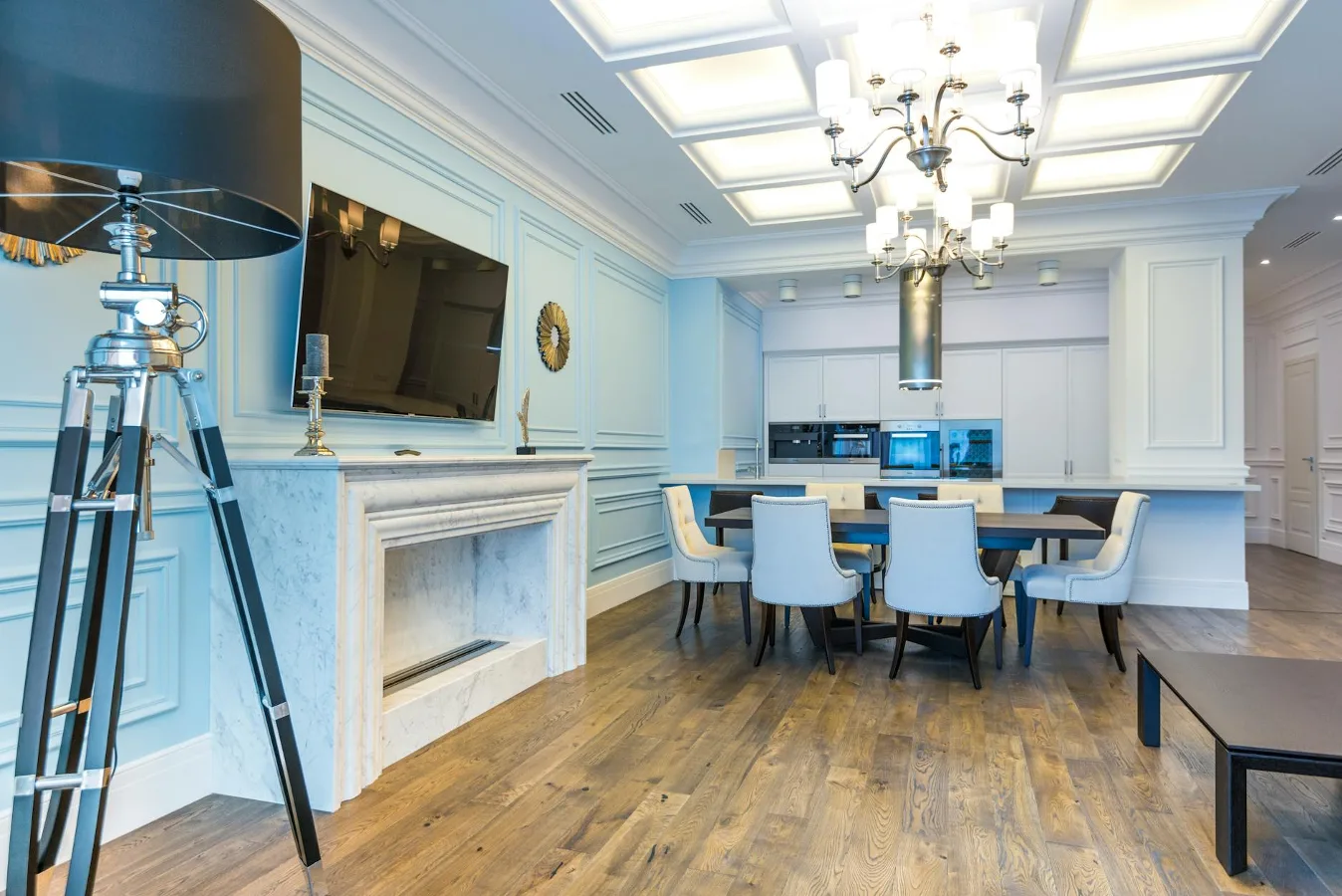
Coastal floor lamps work best when they feel relaxed, light, and quietly textured rather than themed. The right one can warm up a room, soften hard edges, and support the easygoing look that coastal decor is known for. best floor lamp shapes for small rooms offers more detail on this point. bronze floor lamp offers more detail on this point.
If you are shopping for one, focus on three things first: the material and finish, the lamp’s scale, and the kind of light it will give off. Those choices matter more than a seashell motif or a beachy name on the product page.
Quick answer: what makes a floor lamp feel coastal?
A coastal floor lamp usually combines a light, natural, or weathered look with an airy shape. Common examples include rattan, woven seagrass, linen shades, white or sand-toned bases, light wood, ceramic with matte glazing, and details that feel organic instead of glossy or heavy.
The style works because it supports the mood of coastal interiors: bright but not stark, casual but still finished, and textural without feeling busy. A lamp does not need obvious seaside imagery to fit the look. In many homes, the most successful choice is simply a clean-lined lamp with a natural material or a softened neutral finish.
That also means coastal floor lamps are flexible. They can suit a true beach house, a modern coastal living room, or a more subtle neutral space that only borrows a few seaside cues.
How to compare coastal floor lamps
If you are comparing options, the easiest way to narrow them down is to evaluate how each lamp performs in the room, not just how it looks in a listing photo. The following factors matter most.
1) Material and finish
Material does most of the style work in coastal lighting. Natural fibers like rattan, cane, seagrass, and jute create warmth and texture. Light wood can feel clean and breezy. Painted metal in white, ivory, or pale sand tones can work when the shape is simple and understated.
There is a trade-off, though. Highly textured materials often add visual interest but can be harder to clean. Smooth finishes are easier to maintain, but they may feel less organic if the rest of the room is already minimal. If your decor is busy, a simpler base may be the better choice. If the room feels plain, a woven or layered texture can add needed depth.
2) Lamp shade style
The shade is just as important as the base. In coastal spaces, linen and linen-blend shades are common because they diffuse light softly and keep the look relaxed. Drum shades tend to feel clean and modern, while tapered shades can read more traditional.
White is a safe choice, but not the only one. Warm ivory, oatmeal, and natural linen tones often work better if you want the lamp to blend into a calm palette. Avoid a shade that feels too crisp or too formal if the rest of the room leans casual.
One practical nuance: a shade that looks beautiful in daylight may throw harsher light at night than expected. If the lamp is meant for evening ambient lighting, choose a shade that softens glare rather than one that prioritizes style alone.
3) Size and proportion
Scale is a common weak point when people buy decorative lighting. A floor lamp that is too short can disappear beside a sofa or reading chair. One that is too tall or visually heavy can overpower a room that should feel light and open.
Think about the furniture it will sit next to. Coastal style often uses low, relaxed seating, slipcovered sofas, and open layouts, so the lamp should feel balanced with those proportions. If the room already has tall windows, bold drapery, or a high ceiling, a more substantial lamp may be needed so it does not look undersized.
4) Lighting purpose
Not every coastal floor lamp needs to do the same job. Some are best as ambient lighting, adding a soft glow to a sitting area. Others need to support reading, which usually calls for a more focused beam and a shade shape that directs light where it is needed. floor lamp placement for reading corners offers more detail on this point.
If you want a lamp for a corner that feels empty at night, a soft-glow lamp with an opaque or woven shade can work well. If you need light for reading, choose a design with a more open shade or an adjustable arm. The most stylish option is not always the most useful one, especially in rooms that serve multiple purposes.
5) Placement and room context
Coastal lighting should look effortless, which is harder to achieve if the lamp is crammed into the wrong spot. A floor lamp can anchor a reading nook, frame a sofa, brighten a dark corner, or balance a room with a large piece of furniture on the opposite side.
Pay attention to nearby materials. A woven lamp beside a woven chair may feel repetitive. A textured lamp near a smooth slipcovered sofa can create a better contrast. Likewise, a pale lamp may disappear against a white wall unless the shade or base has enough shape to read clearly in the room.
Best coastal floor lamp styles for different rooms
Coastal style is broad, so the best lamp depends on the room and how formal or casual you want it to feel.
- For a living room: Choose a lamp with a stable base, a linen shade, and a calm silhouette. This is usually the most versatile choice for layered lighting.
- For a reading corner: Look for directed light and a design that is comfortable to use beside a chair or loveseat.
- For a bedroom: A softer, slimmer lamp often works better so the room stays restful rather than overlit.
- For an open-plan space: A lamp with some visual presence can help define a seating area without needing a bulky fixture.
- For a subtle coastal look: Consider a neutral floor lamp in matte white, light oak, or a simple ceramic finish rather than a highly thematic design.
One overlooked consideration is how much visual texture the room already has. A room with striped textiles, woven baskets, and rattan furniture may only need a simple lamp. A very smooth room with painted surfaces and minimal accessories may benefit from a lamp with more tactile detail.
Common mistakes to avoid
People often buy coastal decor for the mood it creates, then realize the piece does not function well in the room. These are the most common missteps with coastal floor lamps.
Choosing theme over balance
A lamp can look coastal without featuring anchors, shells, or heavy nautical imagery. Those details can feel dated quickly and may limit where the lamp works. A more restrained design usually has better long-term value.
Ignoring shade quality
The shade affects both the look and the usefulness of the lamp. A thin or overly bright shade may create glare, while a dark shade can reduce the soft, airy effect many coastal rooms need.
Overmatching every finish
Coastal rooms often feel best when finishes vary a little. If the coffee table, side table, lamp base, and accessories are all the exact same tone, the room can feel flat. Mixing light wood, linen, and one or two contrasting materials creates more depth.
Buying the wrong scale for the room
A slim lamp can look elegant, but in a large room it may look underpowered. A large woven lamp may create a strong statement, but in a compact room it can crowd the furniture visually. Measure the space around the lamp and compare it to nearby seating before choosing.
Forgetting maintenance
Natural materials are beautiful, but they can require more care. Woven shades may collect dust, and textured finishes can be harder to wipe clean than smooth painted bases. If you want a low-maintenance option, look for a lamp with fewer crevices and a simpler surface.
Coastal floor lamps versus other coastal lighting
A floor lamp is not always the only or best option. It depends on the room layout and the kind of light you need.
| Lighting option | Best for | Limitations |
|---|---|---|
| Floor lamp | Flexible placement, corners, seating areas, layered ambient light | Can take up floor space and may need careful scale matching |
| Table lamp | Bedside use, side tables, smaller rooms | Requires a surface and may not solve a dark corner |
| Pendant or ceiling light | General room lighting and central coverage | Less flexible for creating a cozy reading zone |
| Wall sconce | Space-saving accent light, flanking a bed or artwork | Usually less movable and may require installation |
For many coastal interiors, the best solution is layered lighting: a floor lamp for softness, another source for task lighting, and perhaps a table lamp or sconce to balance the room. That approach often feels more natural than relying on a single oversized fixture.
What to look for if you want a lamp that lasts stylistically
Coastal decor can drift into trend territory, so longevity matters. A good long-term choice usually has a few qualities in common.
- A simple silhouette that does not depend on novelty shapes
- A neutral color palette that works with changing textiles
- Materials that look natural rather than heavily themed
- A shade that can blend with both casual and slightly more polished rooms
- Enough visual restraint to transition from summer styling to year-round use
This is where practical decision-making helps. A lamp with a very literal seaside look may feel fun at first, but a more subtle design can adapt as your room evolves. That matters if you change pillows, curtains, rugs, or wall art seasonally.
Styling tips that make coastal floor lamps look finished
Even a good lamp can feel disconnected if the surrounding decor is off. A few small choices help it fit the room naturally.
- Repeat one finish elsewhere in the room, such as light wood, woven texture, or linen.
- Use the lamp to balance a heavier object on the opposite side of the room.
- Pair textured lamps with smoother upholstery to avoid visual clutter.
- Keep nearby accessories calm so the lamp reads as part of a relaxed composition.
- Use warm, soft light bulbs that support the easygoing coastal mood rather than a harsh, clinical look.
A common misconception is that coastal style must always be pale. In practice, a room with sandy neutrals, soft gray, muted blue, or even weathered black accents can still feel coastal if the textures and proportions are right. The lamp should support the room’s atmosphere, not force a single color rule.
When a different style may be a better fit
Coastal floor lamps are not the right answer for every space. If your room leans industrial, ultra-modern, or highly formal, a woven or distressed lamp may feel out of place. In those rooms, a cleaner transitional floor lamp in matte metal or simple wood may blend better while still keeping a light, open feel.
Likewise, if you need strong task lighting more than atmosphere, a dedicated reading lamp or adjustable arc lamp may be the smarter choice. Coastal style should never make the room less usable.
FAQ
What colors work best for coastal floor lamps?
Soft whites, ivory, sand, beige, light gray, pale wood tones, and muted natural finishes usually work well. The goal is a relaxed, light feel rather than a high-contrast statement.
Are rattan floor lamps too trendy?
Not necessarily. Rattan can look classic when the shape is simple and the overall design is restrained. The more literal the design, the more likely it is to feel tied to a passing trend.
Can a coastal floor lamp work in a non-coastal room?
Yes. A neutral lamp with natural texture can fit many interiors, including transitional, Scandinavian, and relaxed modern spaces. The key is choosing a shape and finish that matches the room’s level of formality.
How do I keep a woven or textured lamp looking clean?
Choose a design you are willing to dust regularly, and avoid placing it where it will collect heavy debris or moisture. Simpler textures are easier to maintain than highly detailed weaves.
Should the lamp shade be white?
White is common, but warm ivory, oatmeal, and natural linen can be more forgiving and often feel softer in coastal rooms. The best shade is the one that gives you the light quality you want without feeling harsh.
If you are choosing one piece to make a room feel calmer and more lived-in, a coastal floor lamp is a practical place to start. Look for a design that balances texture, scale, and light quality, and you will end up with something that works long after the seasonal decor changes.