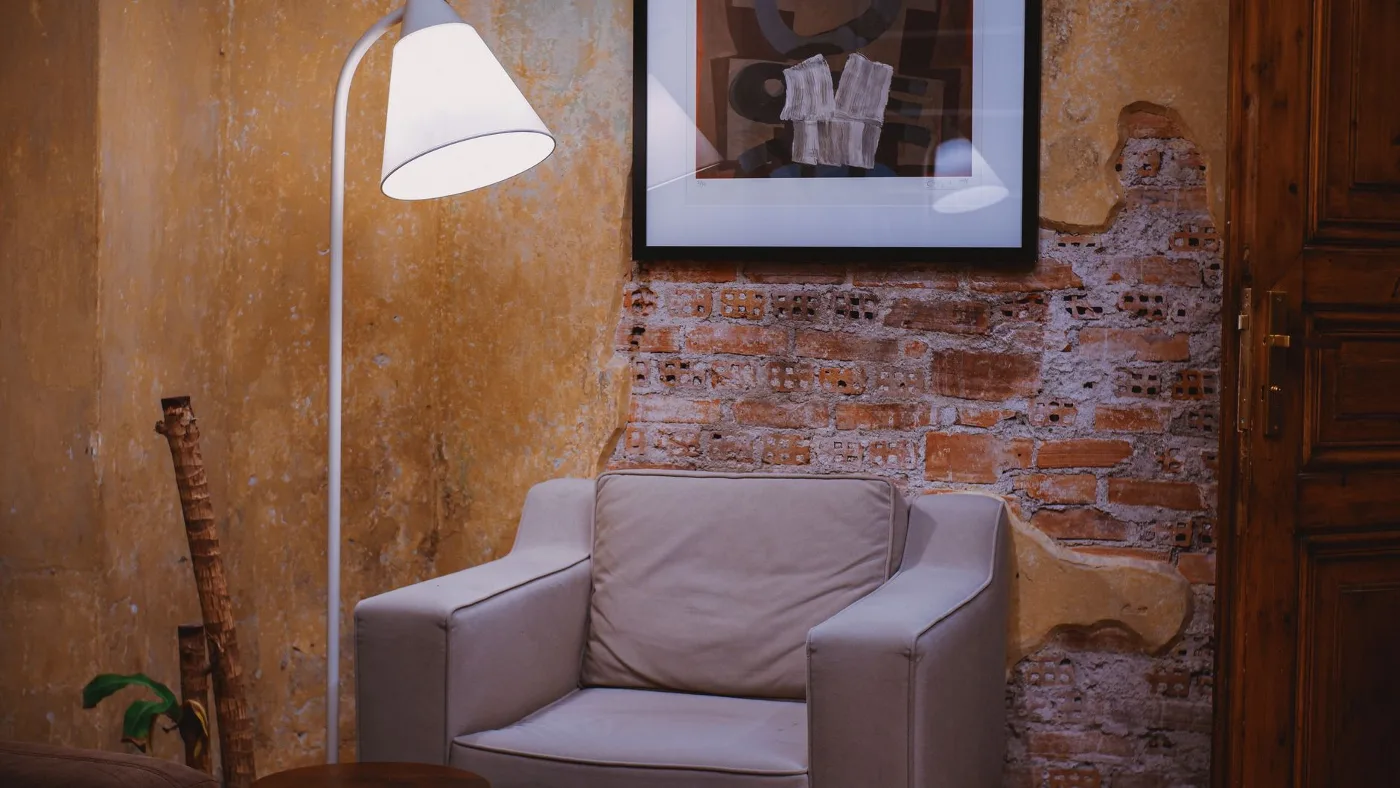
Rustic floor lamps are a strong choice when you want lighting that feels warm, relaxed, and visually grounded. The best ones do more than fill an empty corner: they add texture, soften a room with ambient light, and help a space feel finished without looking overly polished. globe floor lamp offers more detail on this point. turkish floor lamps offers more detail on this point.
If you are shopping for one, the main question is not just which rustic floor lamp looks best, but which one fits the room, the lighting need, and the style mix you already have. Some designs lean farmhouse, others feel more industrial, cabin-inspired, or transitional. The right choice depends on how much light you need, where the lamp will sit, and how much visual weight you want it to carry. industrial farmhouse style guide offers more detail on this point.
Quick answer: what to look for first
Start with three things: height, shade material, and base style. Those details determine whether the lamp feels balanced in the room and whether it gives you useful light or just decoration.
For a rustic look, common materials include wood, distressed wood finishes, wrought-iron or black metal, burlap, linen, rattan, and other natural textures. A lamp with a warm-toned shade usually feels more rustic than one with a bright white or glossy finish. If you want the lamp to work for reading, choose a design that directs light downward or outward in a controlled way. If you want atmosphere, a softer shade and a warm bulb are often the better fit.
The most overlooked detail is scale. A floor lamp can look rustic but still feel wrong if it is too slender for a large room or too bulky for a narrow corner. Rustic style often uses stronger visual materials, so proportion matters even more than in simpler lamp designs.
Rustic floor lamps compared by use case
Not every rustic floor lamp serves the same purpose. Some are meant to anchor a seating area, while others are better as accent lighting in a hallway, bedroom, or den. The best choice depends on the role you need it to play.
| Use case | What to look for | Why it works |
|---|---|---|
| Reading corner | Directional shade, taller profile, stable base | Provides focused light without needing overhead fixtures |
| Living room accent | Warm shade, textured materials, balanced silhouette | Adds atmosphere and helps define a seating zone |
| Bedroom lighting | Soft diffusion, compact footprint, easy switch placement | Creates a calmer mood and saves space on nightstands |
| Entryway or corner decor | Decorative base, moderate height, subdued brightness | Fills empty space without overpowering the room |
| Industrial rustic look | Metal frame, dark finish, simple shade | Blends rustic texture with a slightly more utilitarian feel |
Wood, metal, and mixed-material designs
Rustic floor lamps usually fall into three broad material styles. Wood-based lamps feel warmer and more organic, especially when the grain is visible or the finish looks natural rather than glossy. Metal-based lamps tend to feel sturdier and more industrial, especially in black, bronze, or aged finishes. Mixed-material lamps combine both, which is often the easiest way to bridge rustic style with modern furniture.
The trade-off is simple: wood often looks softer and more natural, while metal is usually easier to pair with darker or more structured interiors. Mixed materials can be the most flexible, but they can also look busy if the room already has a lot of competing finishes.
Shades that change the whole effect
The shade matters as much as the base. Burlap, linen, woven fabric, and paper-like textures generally reinforce the rustic feel. Harder materials and lighter finishes can make the lamp look cleaner or more modern.
If you want a cozy glow, look for a shade that diffuses light well. If you want better task lighting, choose a shape that directs more light downward. A common mistake is selecting a lamp that looks rustic in photos but produces a weak or overly diffused output for the actual room.
How to choose the right rustic floor lamp
The best rustic floor lamp is the one that suits the room’s scale, your lighting goal, and your existing finishes. These are the main factors worth weighing before you buy.
1. Match the lamp to the room size
Large rooms can handle lamps with stronger presence: a thicker wood post, a wider base, or a more substantial shade. Smaller spaces usually benefit from slimmer profiles and lighter visual weight. A rustic lamp that is too bulky can make a compact room feel crowded, while one that is too delicate may disappear.
Think about sight lines too. In open-plan spaces, the lamp will be seen from several angles, so the back side should look finished, not just the front.
2. Decide whether you need mood lighting or task lighting
Many shoppers choose rustic floor lamps for style first and function second, but the intended use should lead the decision. If the lamp is mainly decorative, softer light and a textured shade can work well. If you plan to read beside it, choose a design with better light control and enough height to cast light where you need it.
A common misconception is that all rustic lamps are inherently cozy and practical. They can be cozy, but some are better at atmosphere than visibility. That is not a flaw; it just means the style and the light pattern need to match the job.
3. Pay attention to finish coordination
Rustic design usually looks best when the lamp echoes something else in the room: a wood coffee table, black cabinet hardware, leather seating, woven baskets, or natural fiber rugs. You do not need a perfect match. In fact, overly matched rustic decor can feel staged.
Instead, aim for a finish that repeats one or two existing materials. For example, a lamp with a dark metal frame can connect nicely to black accents in a room, while a wood lamp can soften a space with heavier furniture.
4. Consider the bulb and light temperature
The bulb changes the mood as much as the lamp itself. A warmer light temperature usually suits rustic interiors better than a cool, stark light. Warm light supports wood tones, woven shades, and soft fabrics. Cooler light can make the same lamp feel flatter or more utilitarian.
If the lamp is for a bedroom or lounge area, warmer light is often the safer starting point. If you need brighter visibility for reading or work, focus on how the lamp directs light rather than assuming the style alone will be enough.
5. Check stability and placement
Rustic floor lamps often use heavier materials, but style should never replace stability. A wide or heavy base is especially useful in homes with pets, children, or narrow walkways. Tall lamps placed behind chairs or beside sofas should sit where they will not get bumped easily.
Placement is an overlooked consideration because a lamp that looks right in a product photo may not work in a real room layout. Measure the spot first, including nearby furniture arms, side tables, and the path people use to walk through the room.
Where rustic floor lamps work best
Rustic floor lamps are versatile, but they are not universal. They tend to work best when the room already has some texture or warmth to support them.
- Living rooms: Great for filling corners, softening seating areas, and balancing hard surfaces like TV stands or media consoles.
- Bedrooms: Useful when you want a softer alternative to bright overhead light.
- Home offices: Best when you want the room to feel less rigid, though the lamp should still provide enough light for the task.
- Reading nooks: A strong fit when paired with an armchair and a side table.
- Entryways: Good for creating a welcoming first impression in a space that needs warmth.
They are less effective in rooms that already have a lot of visual activity. If your space includes patterned upholstery, ornate furniture, and multiple finishes, a heavily detailed rustic lamp can tip the room into clutter rather than character.
Common mistakes to avoid
Rustic floor lamps are easy to get wrong in ways that are subtle at first and obvious once they are in the room. These mistakes come up often.
- Choosing style without checking scale. A beautiful lamp that is too tall, too short, or too wide will look awkward quickly.
- Ignoring the shade. The base may read rustic, but the overall effect depends heavily on the shade texture and shape.
- Buying for looks only. Some rustic lamps are better as accent pieces than as practical lighting.
- Overmatching every finish. Too much wood, too much iron, or too many farmhouse motifs can make the room feel themed instead of lived in.
- Forgetting the bulb needs. A lamp with beautiful styling but poor light quality can be frustrating in daily use.
- Placing it in a tight path. Floor lamps need breathing room, especially designs with tripod bases or wider shades.
Another common issue is assuming rustic automatically means dark. Rustic style can be light and airy when it uses pale wood, natural linen, and simple silhouettes. That version works especially well in rooms that need warmth without heaviness.
Rustic floor lamps versus similar styles
If you are undecided, it helps to compare rustic floor lamps with nearby styles. The differences are often small, but they matter in a finished room.
- Farmhouse floor lamps often lean a little softer, with more casual charm and friendlier finishes.
- Industrial lamps usually emphasize metal, exposed structure, and stronger contrast.
- Modern organic lamps may use natural materials, but the silhouettes are cleaner and less traditional.
- Traditional floor lamps can feel more formal, especially with tailored shades and decorative bases.
If your room mixes old and new, rustic is often the most forgiving middle ground. It can connect with leather, reclaimed wood, natural textiles, iron accents, and simple modern furniture without feeling overly specific.
Care and maintenance basics
Rustic floor lamps are usually straightforward to maintain, but the material finish matters. Wood finishes may need gentle dusting, while metal frames can show fingerprints or dust more clearly. Fabric shades should be cleaned according to their material, with extra care around woven or textured surfaces.
A useful habit is to check the cord, switch, and base area regularly so dust does not build up where the lamp meets the floor. If the lamp has a natural or distressed finish, avoid harsh cleaners that can change the surface appearance. Rustic style often depends on subtle imperfections, so maintenance should preserve the finish rather than try to make it look brand new.
FAQ
Are rustic floor lamps good for small spaces?
Yes, if you choose a slim profile and avoid oversized shades. In small rooms, lighter finishes and simpler silhouettes usually work better than heavy, highly decorative designs.
What kind of bulb works best in a rustic floor lamp?
Warm light usually suits rustic decor best because it complements wood, linen, and other natural textures. If you need a reading lamp, prioritize light direction and brightness in addition to warmth.
Can rustic floor lamps work in modern homes?
They can. Rustic lamps often work well in modern interiors when the design is restrained, especially if the room already includes natural textures, black accents, or wood tones.
What is the biggest mistake people make when buying one?
The most common mistake is choosing a lamp based on appearance alone and ignoring scale, shade quality, and how the lamp will actually be used.
Do rustic floor lamps have to look farmhouse?
No. Rustic style can also lean industrial, cabin-inspired, or transitional. The shared thread is usually natural texture, warm materiality, and an unfussy feel.
For a room that needs warmth and character, rustic floor lamps are a practical way to add both light and texture. The strongest choices balance style with function: the right height, the right shade, and a finish that works with the rest of the room rather than competing with it.