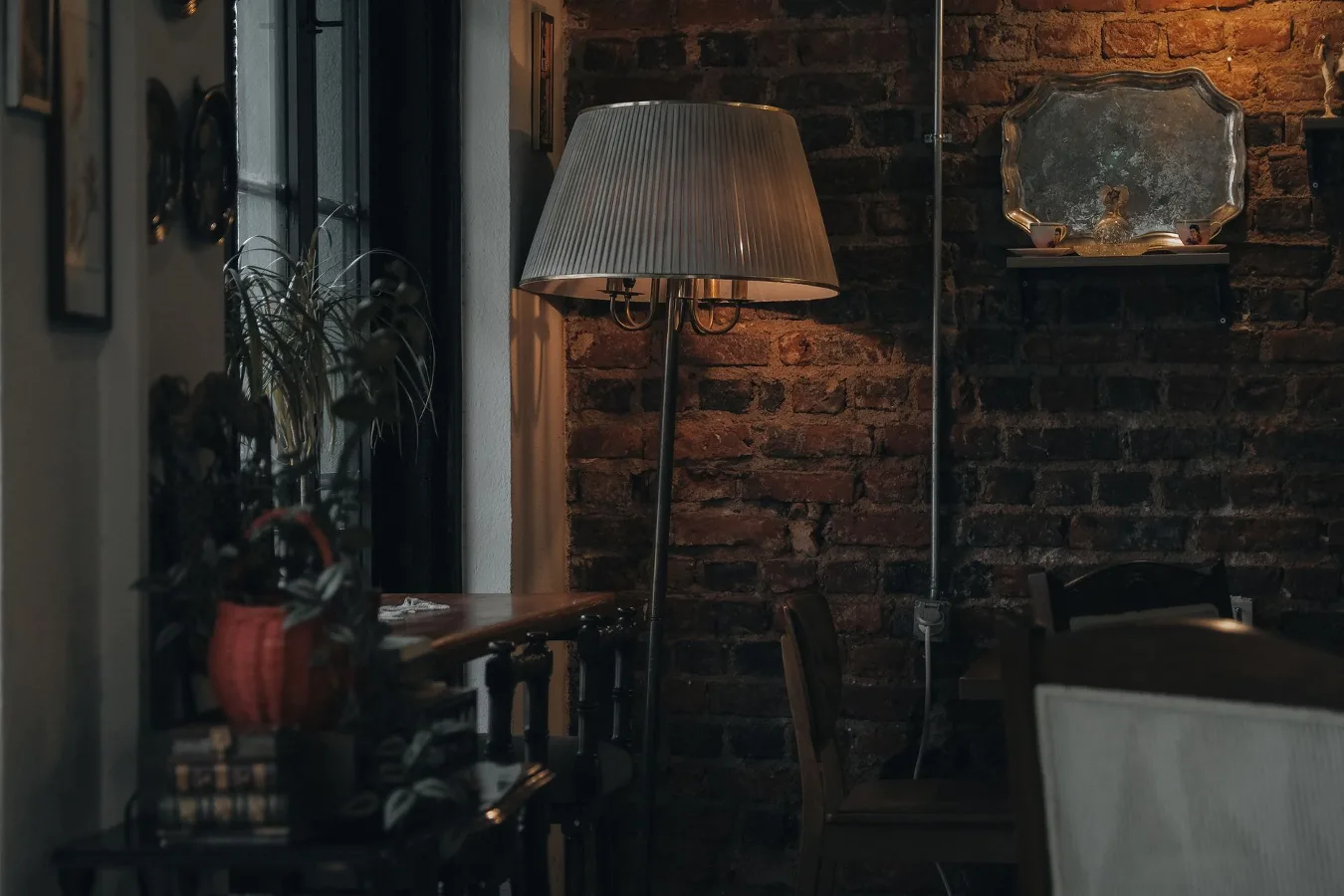
Vintage floor lamps are a strong choice if you want lighting that does more than brighten a room. They can soften a space, add visual history, and act as a focal point without taking up much floor area. The best option depends on how you plan to use it: as reading light, ambient lighting, or a decorative accent. Decor guide offers more detail on this point. vintage floor lamp offers more detail on this point.
If you are shopping for one, start with three questions: where will it live, how much light do you need, and do you want an authentic antique, a restored piece, or a vintage-inspired reproduction? That decision shapes everything else, from the lamp’s height to the shade material and the type of bulb it can comfortably handle.
Why vintage floor lamps appeal in the first place
Vintage floor lamps work well because they bring together function and character. A clean-lined modern lamp may disappear into a room, but a vintage-style piece can anchor a seating area, balance newer furniture, or introduce a finish such as brass, bronze, wood, or aged metal that makes the room feel more layered.
They also fit a wide range of interiors. A restored mid-century lamp can sit naturally in a minimalist apartment. A tripod lamp can look right at home in eclectic or transitional spaces. A torchiere can suit a formal living room, while an industrial-style floor lamp can support a loft or studio layout.
The main trade-off is that style variety often comes with more decision points. Older lamps may need rewiring, replacement shades, or extra care. Reproductions can be easier to live with, but they may not have the same patina or construction details that make an original piece appealing.
The details that matter most before you buy
1. Scale and height
Scale is one of the easiest things to overlook. A vintage floor lamp that looks elegant in a showroom may feel oversized in a small living room, or too slight next to a large sectional. Height matters as much as footprint. A lamp used beside a reading chair should usually direct light where you need it, while a decorative lamp may be chosen more for proportion than task lighting.
Think about nearby furniture first. A lamp beside a sofa, armchair, or console should feel connected to the surrounding pieces, not stranded or crowded. If the lamp has a wide base, make sure there is room for foot traffic. If it has a slim stem, check that it still feels visually stable in the room.
2. Shade shape and light quality
The shade has a bigger impact on the room than many buyers expect. Opaque shades create a softer, more directional glow. Clear or lightly diffused shades allow more light but can reveal the bulb, which changes the visual effect. Drum shades, empire shades, and tapered shades each produce a different silhouette and light spread.
For a cozy living room, a warmer, diffused look often feels more natural. For reading, the lamp should direct light where it is useful without creating glare. If you want a decorative accent, the shade itself can become part of the design story, especially with pleated fabric, linen, parchment, or glass.
3. Finish and material
Vintage floor lamps are often chosen for finishes such as brass, antique gold, chrome, wood, blackened metal, or painted surfaces. The finish should work with the rest of the room rather than compete with it. Brass can add warmth; chrome can feel sharper and more reflective; wood can soften a room with more organic texture.
Material also affects upkeep. A polished finish may show fingerprints or dust more easily. Distressed or patinated surfaces can be more forgiving, but the wear should look intentional rather than neglected. If you are buying a true vintage or antique lamp, check whether the finish has been preserved or heavily altered during restoration.
4. Construction and stability
A decorative lamp still needs to stand securely. Vintage-style floor lamps vary widely in base weight, stem design, and overall balance. This matters in homes with pets, children, or narrow walkways. A lamp that looks graceful but wobbles easily can become frustrating fast.
Look for practical details such as a solid base, clean joints, and a shade arm or pole that feels aligned. If you are considering an older lamp, ask whether it has been rewired and whether the socket, switch, and cord are in good condition. These basics matter more than decorative details if the lamp will be used regularly.
5. Bulb compatibility and lighting control
Not every vintage floor lamp works equally well with modern bulbs. Some are better for ambient light, while others can handle task lighting more comfortably. Check whether the lamp supports the bulb shape and wattage range you intend to use. If the lamp has a dimmer, make sure the bulb type is compatible.
This is an overlooked point: the same lamp can feel dramatically different depending on bulb choice. A warm, diffused bulb can make a room feel relaxed. A brighter, cooler bulb can make the same lamp feel less inviting. If you want flexibility, a dimmable setup is often more practical than a fixed-output lamp.
Choosing the right style for your room
Style should follow the room’s existing language, not fight it. The best vintage floor lamp is usually the one that looks like it belongs there, even if it is the most distinctive object in the space.
- Mid-century rooms: Look for tapered legs, clean lines, cone shades, or splayed tripod bases.
- Industrial spaces: Consider metal shades, exposed hardware, dark finishes, and adjustable arms.
- Traditional interiors: Torchiere lamps, pleated shades, and brass or bronze finishes often fit well.
- Eclectic rooms: This is where a more sculptural lamp can work as an accent piece.
- Small spaces: Slim profiles, vertical silhouettes, and lighter visual weight help the room feel open.
A common misconception is that vintage always means ornate. Many vintage-inspired or genuinely vintage pieces are actually simple, restrained, and easy to integrate. That makes them useful in homes where you want character without visual clutter.
Antique, restored, or vintage-inspired?
The right category depends on your priorities. Each has strengths and limitations.
| Option | Why people choose it | Possible downside |
|---|---|---|
| Antique | Authentic age, patina, collectible appeal | May need rewiring or careful handling |
| Restored vintage | Original character with improved usability | Quality depends on the restoration work |
| Vintage-inspired | Usually easier to buy, maintain, and match | May lack the texture and history of an original |
If you want the charm of an older design but need everyday convenience, a restored or vintage-inspired lamp is often the most practical route. If your goal is to collect or preserve a period look, an original lamp may be worth the extra care, as long as its condition is sound.
Where vintage floor lamps work best
Living rooms
Vintage floor lamps are especially effective in living rooms because they can define a seating zone. Place one near a sofa corner, next to an accent chair, or behind a sectional arm to create layered lighting. In larger rooms, they can help break up open space and reduce the need for more intrusive ceiling fixtures.
Bedrooms
In bedrooms, these lamps often replace or supplement bedside lighting. A slimmer floor lamp can free up space on nightstands, which is useful in tighter rooms. Look for a shade and bulb combination that is soft enough for winding down, especially if the lamp is close to the bed.
Home offices and reading nooks
For focused tasks, the lamp should offer enough directional light without creating glare on screens or glossy pages. Adjustable arms and targeted shades can help here. A floor lamp can also make a home office feel less utilitarian, which is helpful if the room serves more than one purpose.
Entryways and corners
Sometimes the best use for a vintage floor lamp is not task lighting at all. In an entryway or dark corner, a lamp can add welcome and structure. This is a smart option when you want to keep the floor plan flexible but still give the room a finished look.
Common mistakes to avoid
- Choosing style before function. A beautiful lamp that does not light the room properly often ends up being decorative only.
- Ignoring the shade. The wrong shade can make the entire lamp feel out of proportion or too harsh.
- Overlooking wiring on older pieces. A vintage lamp may look ready to use even when the electrical components need attention.
- Buying without checking the footprint. A bulky base can interrupt traffic flow or make a seating area feel cramped.
- Matching too literally. A lamp does not need to perfectly match every finish in the room. It only needs to feel intentional.
Another practical nuance: patina is not the same as damage. Honest wear can add character, but corrosion, unstable joints, or damaged wiring are different issues. It helps to separate cosmetic age from structural condition before buying.
How to decide with confidence
If you are choosing between several vintage floor lamps, narrow the list using this order: first function, then proportion, then style, then finish details. A lamp that suits the room’s use will almost always outperform one that only looks attractive in a listing photo.
Start with the room’s lighting gap. Do you need ambient warmth, reading light, or a statement piece? Then check the lamp’s scale against the furniture around it. After that, compare the shade, finish, and construction quality. If two options are still close, choose the one that will be easiest to live with day to day.
For shoppers who want longevity, it is also worth thinking about replacement parts and maintainability. A lamp that accepts standard bulbs, has a reliable switch, and can be re-shaded more easily will usually be simpler to keep in rotation over time.
Practical alternatives if vintage is not the right fit
If a true vintage lamp feels too delicate or too specific for your room, there are sensible alternatives. A vintage-inspired floor lamp gives you the look without the same maintenance concerns. A modern lamp with brass detailing can provide warmth without leaning fully retro. A task lamp or arc lamp may work better if your space needs directional light with a smaller visual footprint.
These alternatives are especially useful in rentals, family homes, or rooms that need frequent rearranging. They tend to offer easier bulb compatibility and fewer restoration concerns, while still letting you borrow the mood of vintage design.
FAQs
How do I know if a vintage floor lamp is safe to use?
Check the cord, plug, socket, and switch for visible wear, and confirm whether the lamp has been rewired if it is older. If anything looks brittle, loose, or damaged, have it inspected by a qualified electrician before regular use.
What shade works best for a vintage floor lamp?
That depends on the room’s purpose. Fabric and linen shades usually soften the light, while metal or more opaque shades direct it more sharply. Choose the shade based on whether you want ambiance or task lighting.
Can a vintage floor lamp work in a modern room?
Yes. A vintage lamp often works well as a contrast piece in a modern room, especially when its finish or shape repeats another detail in the space. The key is keeping the rest of the room simple enough to let the lamp stand out.
Should I buy an original antique or a reproduction?
If you want authenticity and are comfortable with more upkeep, an original may be the better fit. If you want easier maintenance and fewer compatibility concerns, a reproduction or restored piece is usually more practical.
Where should I place a vintage floor lamp?
Place it where it supports the room’s main activity: beside a reading chair, near a sofa corner, in a bedroom nook, or in an empty corner that needs warmth and balance. Avoid spots where the base can block movement.
Vintage floor lamps are most successful when they solve a real lighting need and add character at the same time. If you keep scale, shade, finish, and usability in view, you are far more likely to choose a piece that feels right long after the novelty wears off.