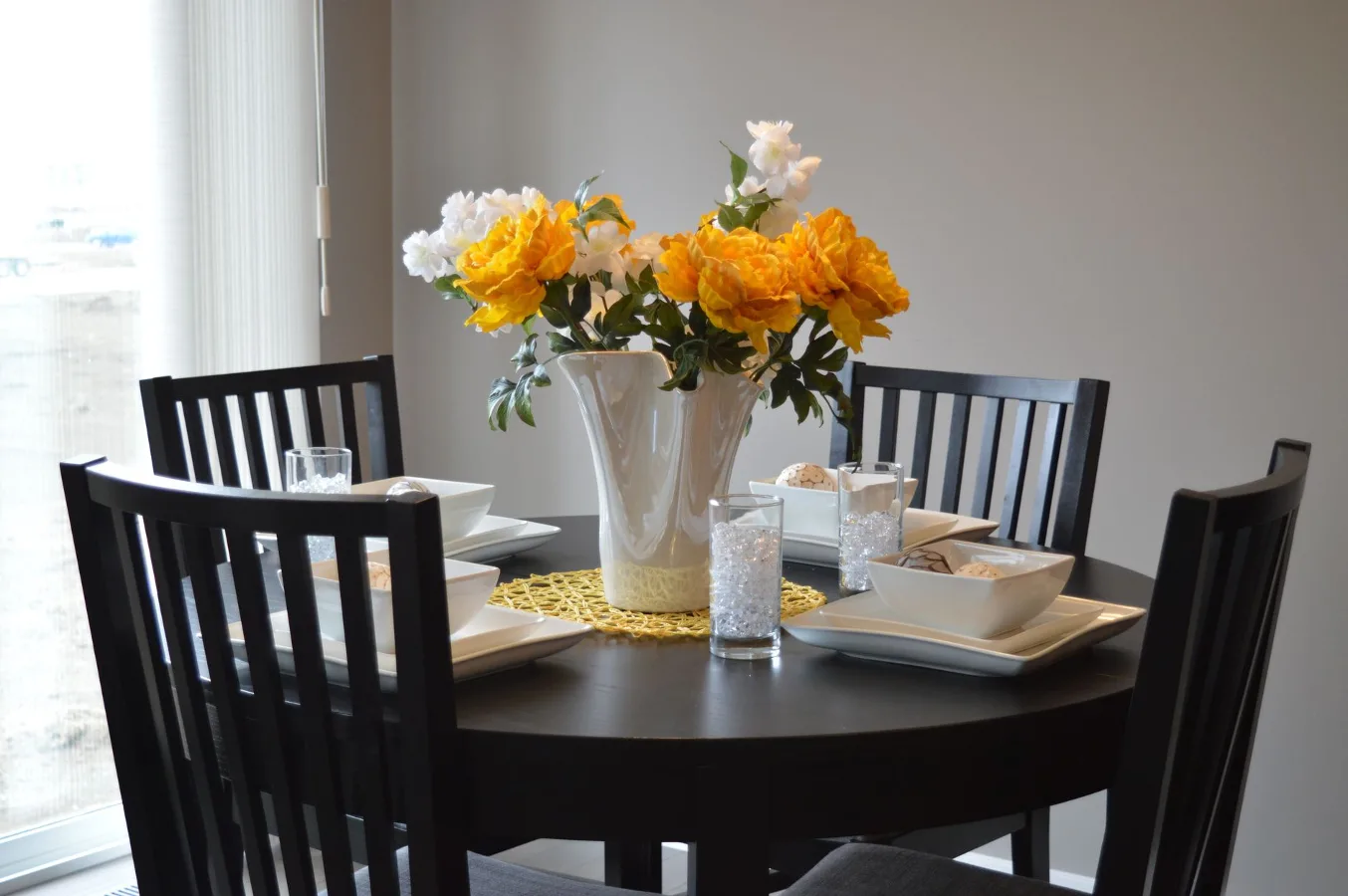
Why dining room table and 4 chair sets are such a practical buy
A dining room table and 4 chair sets solve a very common problem: many homes need a real dining setup, but not a large one. For apartments, condos, breakfast nooks, and smaller dining rooms, a four-seat set can provide enough seating without crowding the space. small space dining room ideas offers more detail on this point. concrete dining table offers more detail on this point.
The appeal is straightforward. You get a coordinated table and chair combination, a predictable footprint, and a style that works without a lot of extra planning. That makes this category especially useful for buyers who want a simple, workable dining setup rather than a fully custom arrangement.
The key is not just choosing a set that looks good. You also need to think about how it fits the room, how often it will be used, and whether the materials and chair design match your daily routine. A set that seems ideal online can feel cramped or awkward if the proportions are off.
The first decision: how the set will actually be used
Before comparing styles, start with use case. A dining room table and 4 chair sets can serve very different households.
- Everyday family meals: Durability, easy cleaning, and comfortable chairs matter most.
- Apartment dining: Compact size and visual lightness help the room feel open.
- Occasional dining: Style may matter more, but the set still needs to feel stable and comfortable.
- Multi-purpose space: The table may double as a work surface, homework station, or game table.
That use pattern affects everything else. A set for daily meals should be easier to clean and comfortable enough for longer sitting. A set for a small apartment can prioritize slim profiles and lighter finishes. If the table will also be used for laptops or crafts, consider a surface that is forgiving and easy to maintain.
Key factors that matter most
Size and room fit
Size is the first filter because a dining set can look proportional in a product photo and still overwhelm a real room. Measure the room itself, then think about walking space around the table and chairs. You want enough clearance for people to sit down, stand up, and move through the area without constant shuffling.
Round tables can feel easier in tight rooms because they soften corners and improve flow. Rectangular tables often work better in longer spaces and against a wall when needed. Square tables can be efficient in compact rooms, but they may feel restrictive if the layout is narrow.
Also consider chair pull-out space. A table that technically fits may still feel crowded if the chairs cannot be used comfortably without blocking a doorway or cabinet.
Shape and seating behavior
The shape of the table changes how the set functions.
- Round: Good for conversation and smaller rooms; may feel less formal.
- Rectangular: Common, flexible, and easier to place in many layouts.
- Square: Balanced for compact spaces, but less forgiving in narrow rooms.
For households that entertain occasionally, a rectangular table can be more adaptable. For tighter footprints, round tables often make movement easier. The best choice depends on whether the room needs visual softness, efficient placement, or a more traditional dining layout.
Materials and finish
Material choice affects durability, maintenance, and the overall look of the room. Solid wood, wood veneer, metal, engineered wood, glass, and mixed-material designs each come with trade-offs.
- Wood: Warm and versatile, but may need more care to avoid scratches and water marks.
- Engineered wood: Often budget-friendly and stylish, though quality varies widely.
- Glass: Can make a small area feel lighter, but shows smudges and may require more frequent cleaning.
- Metal accents: Can add strength and a modern look, especially in mixed-material sets.
Finish matters as much as material. Dark finishes can look elegant but may visually shrink a small room. Lighter finishes can feel more open, though they may show wear differently depending on the surface.
Chair comfort and support
Many buyers focus on the table first and treat the chairs as secondary, but the chairs often determine whether the set is pleasant to use. Seat height, back support, seat depth, and cushion feel all influence comfort.
If the set will be used for long meals or extended work sessions, look for chairs with supportive backs and a seat shape that encourages upright sitting. Upholstered chairs can feel more comfortable, but they may require more care. Wood or molded chairs are often easier to wipe down and may suit busy households better.
One overlooked consideration is chair profile. Slim chairs save space, but they can feel less substantial. Heavier chairs may be more comfortable, but they can make the dining area feel crowded. Balance visual weight against everyday usability.
Cleaning and maintenance
Dining furniture is exposed to spills, crumbs, heat, and frequent contact. If the set is for everyday use, maintenance should be part of the buying decision from the start. best materials for everyday dining furniture offers more detail on this point.
Smooth surfaces are generally easier to maintain than textured ones. Upholstery may add comfort, but it also adds care requirements. If your household includes children, pets, or frequent guests, easy-clean finishes can matter more than decorative details.
Think about where the set will be placed too. A set near a kitchen may need to handle splashes and food traffic. A more formal dining room may allow for more delicate materials, but only if the room is used carefully.
Practical solutions for different room types
For apartments and condos
Compact dining furniture should feel intentional, not squeezed in. A smaller table with four chairs can work well if the chairs tuck in neatly and the table shape complements the room. Round tables often help with flow, while slim rectangular sets can fit along a wall or near a window.
Look for lighter visual profiles: open chair backs, tapered legs, and finishes that do not feel overly heavy. These details can make a set look less bulky even when the seating count stays the same.
For kitchens and breakfast nooks
A kitchen table with four chairs should be practical and easy to live with. The surface should handle everyday use, and the chairs should be easy to slide in and out quickly. In a busy kitchen, simplicity usually wins over ornate design.
If the table will sit close to appliances or a walkway, avoid a shape that creates sharp corners in traffic zones. Rounded edges or compact profiles can help reduce friction in daily use.
For small dining rooms
Small dining rooms need furniture that feels proportionate. A set that is too large can make the room awkward, even if the table itself technically fits. In these spaces, the visual scale of the chairs matters almost as much as the table footprint.
Choose a set that leaves breathing room around the perimeter. If the room doubles as a passageway, prioritize a design with enough clearance to keep movement natural. A table with a slimmer base can also help preserve legroom.
What buyers often overlook
One common misconception is that all dining room table and 4 chair sets are interchangeable once the seating count is right. In practice, the same four-seat label can hide major differences in comfort, footprint, and day-to-day convenience.
Another overlooked point is table height relative to chair design. Even if a set is sold together, it is still worth checking whether the seating position feels comfortable for the people who will use it most. A set can look balanced and still feel awkward if the proportions are off.
It is also easy to underestimate how much the chairs affect maintenance. Upholstered seats may be inviting at first, but if your household needs quick cleanup after frequent meals, a harder-wearing surface may be the smarter choice.
How to compare sets without overcomplicating the process
A simple comparison framework can make shopping easier:
- Measure the room: Confirm the table and chair footprint will fit with walking space.
- Match the shape to the layout: Round for tight flow, rectangular for flexibility, square for compact symmetry.
- Choose the right material: Balance style, durability, and maintenance.
- Check the chair design: Focus on comfort, support, and ease of movement.
- Think about daily use: Consider spills, cleaning, and whether the table will serve multiple purposes.
This approach keeps the decision grounded in function instead of just appearance. A set that looks great but creates friction in everyday use will not feel like a good value for long.
Common mistakes to avoid
- Buying by style alone: A visually appealing set can still be too bulky for the room.
- Ignoring chair clearance: Sufficient walking space is essential for comfort.
- Choosing hard-to-clean finishes for busy homes: Maintenance can become annoying fast.
- Overlooking the base design: Pedestal, trestle, and legged tables each affect legroom differently.
- Assuming all four-chair sets seat the same way: Chair width and shape vary more than many shoppers expect.
When a different dining solution may be better
Dining room table and 4 chair sets are a strong fit for many homes, but not every space needs a fixed four-seat package. If your household size changes often, extendable tables can offer more flexibility. If the room is extremely tight, a bistro table or two-chair setup may be more practical. For open-plan homes, a larger table with mixed seating can sometimes work better than a standard set.
Alternatives also make sense if you already own chairs you want to keep. In that case, buying the table separately may give you more control over proportions and style. The trade-off is that coordination takes more effort.
Buying guidance by priority
| If your priority is… | Focus on… |
|---|---|
| Small-space efficiency | Compact footprint, rounded edges, slim chairs, lighter visual weight |
| Everyday durability | Easy-clean surfaces, sturdy construction, low-maintenance finishes |
| Comfort | Supportive chair backs, comfortable seat depth, enough legroom |
| Style | Finish, leg shape, chair silhouette, and how the set fits the room’s decor |
| Flexibility | Table shape, modular seating, and the ability to repurpose the table for other tasks |
FAQ
Are dining room table and 4 chair sets good for small spaces?
Yes, they often are. The key is choosing the right footprint and shape so the table does not block movement or make the room feel crowded.
Which table shape works best for four people?
Round and rectangular tables are the most common choices. Round tables can improve flow in tighter rooms, while rectangular tables often fit more layouts.
What is the easiest dining set to maintain?
Sets with smooth, wipeable surfaces and simple chair materials are usually the easiest to care for. Upholstery and textured finishes generally require more attention.
Should I prioritize the table or the chairs?
Both matter, but chairs often determine daily comfort. A beautiful table will not compensate for uncomfortable seating if the set is used often.
Can a four-chair set work in a dining room that hosts guests?
Yes, as long as the room and table layout allow for flexibility. If you entertain frequently, consider whether an extendable table or extra seating nearby would be helpful.
Choosing a set that feels right in real life
The best dining room table and 4 chair sets are the ones that fit the room naturally and support the way you actually eat, work, and gather. For some homes, that means a compact round set that keeps the space open. For others, it means a rectangular table with sturdy chairs that can handle daily use.
If you focus on fit, comfort, maintenance, and room flow instead of style alone, the decision becomes much easier. That is usually the difference between a dining set that looks good for a week and one that works well for years.