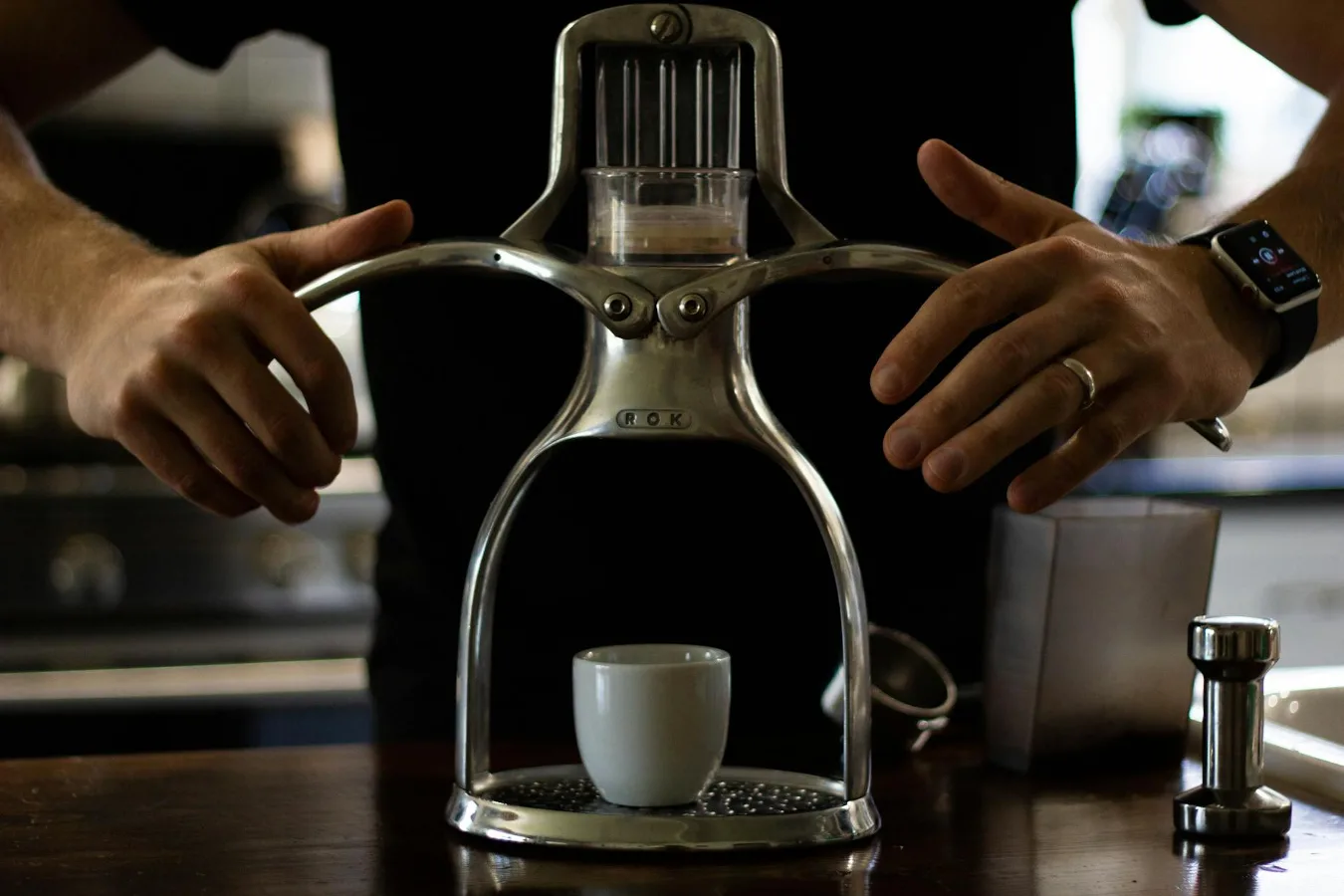
Why a manual coffee maker still makes sense
A manual coffee maker is a good choice if you want more control over flavor, less reliance on electronics, and a brewing setup that can be as simple or as hands-on as you like. Instead of pressing a button and letting a machine do the work, you decide how the water meets the coffee, how long it steeps, and how much effort you want to put into the process. manual coffee brewing methods offers more detail on this point. Proctor Silex Coffee Maker Buying Guide offers more detail on this point.
That freedom is the main appeal. Manual brewers can suit people who like a cleaner cup, a richer body, a travel-friendly setup, or a small-footprint appliance for a kitchen with limited space. They also tend to be easier to understand than many electric coffee makers because the brewing method is visible and easier to adjust. choosing a coffee maker for small kitchens offers more detail on this point.
The trade-off is equally clear: manual brewing asks more of the user. You may need a kettle, a separate grinder, a scale, or a little practice to get repeatable results. For many people, that is part of the appeal. For others, convenience matters more than control. The right choice depends on how you actually drink coffee, not just on how the brewer looks on a counter.
The main decision factors
Flavor style
Different manual coffee makers produce noticeably different cups, and flavor should usually lead the decision. A pour-over brewer tends to highlight clarity, brightness, and layered flavors. A French press usually creates a heavier body and more sediment. A Moka pot produces a concentrated cup with a stronger, more intense profile that sits somewhere between drip coffee and espresso-style coffee.
If you prefer delicate, clean-tasting coffee, look toward pour-over devices or drip-style manual brewers. If you like a fuller mouthfeel, immersion brewing may be a better match. If you want a strong stovetop brew without plugging in an appliance, a Moka pot is often the practical choice.
How much effort you want to put in
Some manual brewers are forgiving. Others reward precision. That difference matters more than many buyers expect. A French press is straightforward: add coffee, add hot water, wait, press, and pour. A pour-over setup gives you more control, but it also asks for a steadier pour and a little attention to water flow, bloom time, and extraction.
If you want the simplest possible routine, choose a brewer with fewer moving parts and less technique sensitivity. If you enjoy refining your cup over time, a more adjustable manual brewer can be a better long-term fit.
Cleanup and maintenance
Cleanup is one of the most overlooked parts of coffee ownership. A manual coffee maker can be low maintenance, but not all brewers are equally easy to rinse and reset. Simpler designs are often easier to wash, while brewers with fine filters, seals, or narrow chambers may take more care.
Think about how often you brew and how much cleanup friction you will tolerate on a busy morning. A brewer that takes an extra few minutes to clean may sound minor at first, but it can affect how often you actually use it.
Counter space and portability
Manual brewers are often chosen for their small footprint. That can be a major advantage in apartments, offices, dorms, RVs, or shared kitchens. A compact brewer paired with a kettle can take up far less space than a full automatic machine.
Portability also matters if you travel, camp, or move between locations. A lightweight brewer with few fragile parts is easier to pack and replace. If you plan to use the brewer outside the kitchen, consider whether it needs electricity, whether it works with standard mugs or carafes, and how easy it is to clean when running water is limited.
Grinder and water requirements
Manual brewing is often more sensitive to grind size than people expect. The wrong grind can make coffee taste sour, weak, muddy, or bitter depending on the method. Many manual coffee makers perform best with freshly ground coffee and a grinder that can produce a consistent grind.
Water temperature matters too, even if you do not measure it precisely every time. Some brew methods tolerate a wider range, while others are more exacting. If you want dependable results with minimal fuss, choose a manual brewer that is known for being forgiving rather than one that depends on meticulous technique.
Which type of manual coffee maker fits which user?
| Brewer type | Best for | Strengths | Common limitations |
|---|---|---|---|
| Pour-over | People who want a clean, nuanced cup | Flavor clarity, control, compact design | Technique-sensitive, usually needs more attention |
| French press | Drinkers who prefer body and simplicity | Easy to use, fuller texture, minimal equipment | Can leave sediment, requires careful timing |
| Moka pot | Those who like strong, concentrated coffee | Compact, stovetop-friendly, bold flavor | Less forgiving, can become bitter if mishandled |
| Immersion brewer | Users who want flexibility and easy learning | Balanced extraction, generally approachable | Can be slower and may need extra cleanup |
| Travel manual brewer | Frequent travelers and minimalists | Portable, lightweight, simple setup | Often smaller batch sizes and fewer extras |
This is where many buyers make a mistake: they focus on the brewer type rather than the routine it creates. A brewer can look elegant and still be the wrong fit if it requires more patience than your mornings allow. A good manual coffee maker is the one you will actually use consistently.
Practical ways to narrow the choice
Start with your preferred cup size
Some manual brewers are better suited to one cup at a time, while others work more comfortably for a larger mug or multiple servings. If you usually drink coffee alone, a compact single-cup setup may be ideal. If you brew for two people, consider whether the brewer can scale without becoming awkward to use.
Capacity affects both convenience and taste. A brewer that is too small may feel limiting, while one that is oversized can be inefficient if you only ever make one serving.
Match the brewer to your skill level
Beginners often do better with a brewer that has a forgiving extraction range and a simple workflow. More experienced coffee drinkers may prefer a method that rewards fine adjustments. Neither approach is inherently better; the right one depends on whether you want consistency with minimal effort or a brewing process you can keep refining.
If you are new to manual coffee, it usually helps to choose a brewer with a large margin for error. That way you can learn the basics of grind size, water ratio, and timing without feeling that every small mistake ruins the cup.
Consider the coffee you usually buy
The beans you use can influence which manual brewer feels best. Light roasts often shine in methods that emphasize clarity and precision, while medium and darker roasts can do well in brewers that produce body and richness. The best match depends on what you want the final cup to highlight.
If you buy pre-ground coffee, prioritize a brewer that handles a range of grind sizes more gracefully. If you grind fresh, you have more room to choose a method that benefits from precision.
Think about long-term upkeep
A manual coffee maker may seem simple, but long-term value depends on more than the purchase itself. Replacement filters, gaskets, seals, and accessories can affect convenience over time. Some brewers have very little to maintain. Others may need occasional part replacement or more careful drying and storage.
This is an easy area to overlook because the brewer may look durable at a glance. Look at how easy it is to disassemble, rinse, dry, and store after use. A brewer that is easy to maintain is usually easier to live with.
Benefits that make manual brewing attractive
Manual coffee makers are appealing for more than one reason. They can offer a more hands-on ritual, a smaller footprint, and a clearer understanding of what affects taste. They also give you more room to adapt the brew to your preferences instead of accepting a fixed machine setting.
- More control: You can adjust brew time, water flow, coffee dose, and grind size.
- Less reliance on electronics: Useful for minimalist kitchens and occasional power interruptions.
- Compact designs: Many manual brewers take up less space than automatic machines.
- Travel-friendly options: Some brewers pack easily and work well away from home.
- Lower complexity: Fewer electronic components can mean fewer things to troubleshoot.
These advantages do not make manual brewing universally better. They just make it a strong fit for people who value involvement, flexibility, and simplicity over push-button convenience.
Common drawbacks to think through first
Manual brewing has limitations, and the better you understand them, the easier it is to choose a brewer you will appreciate rather than abandon.
- More hands-on effort: You are responsible for timing, pouring, or steeping.
- Learning curve: Some methods take a few tries before they feel intuitive.
- Equipment stacking: You may need a grinder, kettle, filters, or a scale.
- Less convenience for crowds: Some manual brewers are not ideal when serving many people quickly.
- Technique sensitivity: Certain methods are less forgiving of small changes.
A common misconception is that manual coffee always equals better coffee. In reality, the result depends on the brewer, the coffee, the grind, and the user’s routine. A simple brewer used consistently often beats a more elaborate method that feels like a chore.
Practical solutions for better results
If you already know you want a manual coffee maker, the next question is how to make that setup work well in everyday use. Small choices can make a large difference.
Choose a grinder that matches the brewer
Grind consistency matters because manual methods respond strongly to how water moves through the coffee. A blade grinder can work in a pinch, but a grinder that offers more consistency usually helps you get more predictable flavor. The goal is not perfection; it is reducing variability enough that your brewer can perform as intended.
Use a kettle that gives you control
For pour-over and some other manual methods, a kettle with a controlled pour can improve consistency. That does not mean a specialty kettle is mandatory, but it can make the process smoother if precision matters to you.
Keep your routine simple
One of the best ways to enjoy a manual coffee maker is to reduce friction. Store the brewer where you can reach it easily. Keep filters or accessories nearby. Use a repeatable coffee dose if you prefer consistency. The more complicated your setup becomes, the less likely you are to keep using it.
Accept that different methods solve different problems
There is no single manual coffee maker that does everything best. Pour-over is not the same as French press, and neither replaces a Moka pot. The best decision is the one that aligns with the coffee you like, the amount of effort you want to spend, and the kind of morning routine you actually have.
Who should buy a manual coffee maker?
A manual coffee maker is usually a strong choice for people who want a simple, durable brewing setup; anyone who enjoys adjusting flavor by changing brew variables; and buyers who prefer a more compact or portable appliance. It can also be a smart fit if you are replacing a bulky automatic machine with something easier to store and clean.
It may be a weaker fit if you need a fast large-batch solution, want fully automatic brewing, or do not want to deal with grinders, filters, or warm-up steps. For those users, a basic electric drip coffee maker or single-serve machine may offer a better everyday experience.
If you are undecided, a useful test is to imagine a rushed weekday morning. If a brewer still sounds manageable in that scenario, it is probably a realistic option. If it only feels appealing on a calm weekend, that is a sign you may prefer something more automated.
Alternatives worth considering
Manual coffee makers sit within a broader range of home brewing options. If your needs are not a perfect match, a few alternatives may make more sense.
- Electric drip coffee makers: Better for convenience and serving multiple cups with less effort.
- Single-serve machines: Useful if speed and simplicity matter more than brew control.
- Espresso machines: Better for concentrated coffee drinks, though usually more expensive and more demanding.
- Cold brew systems: Useful for low-acid, ready-to-drink coffee with a different preparation schedule.
These options are not direct substitutes in every case, but they help clarify the trade-offs. Manual brewing is best viewed as a category for people who value hands-on control and compact equipment, not as the universal answer for all coffee drinkers.
How to make the final choice without overcomplicating it
If you want the shortest path to a good decision, focus on four questions: What flavor do you want? How much effort are you willing to invest? How much cleanup will you accept? Do you need portability or a larger serving size?
Those questions usually narrow the field quickly. A pour-over brewer suits people who care about clarity and control. A French press suits those who want simplicity and body. A Moka pot suits fans of strong stovetop coffee. A travel brewer suits anyone who wants a compact, adaptable setup that can move between home and away from home.
The best manual coffee maker is not the one with the most features. It is the one that fits your routine, supports the flavor you like, and stays easy enough to use after the novelty wears off. If you choose with that in mind, you are much more likely to end up with a brewer you keep reaching for.