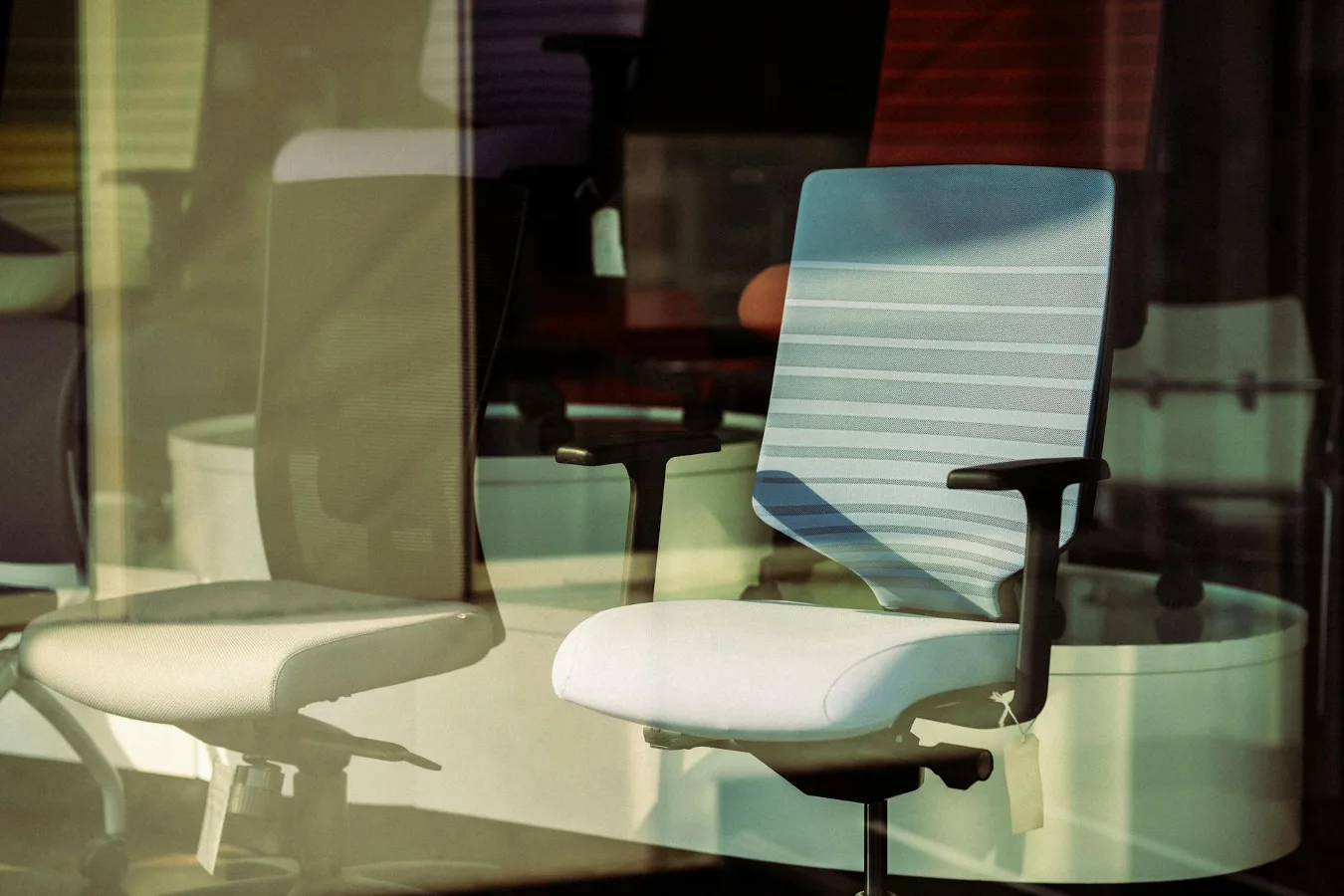
An ergonomic saddle chair is a seating option shaped to encourage a more open hip angle and a more upright working posture. For some people, that makes desk work feel lighter, more mobile, and less restrictive than a standard office chair. For others, the same design can feel demanding if the chair height, desk setup, or task pattern does not match the body. choosing the right office chair offers more detail on this point. xuegw ergonomic office chair offers more detail on this point. posture tips for long work sessions offers more detail on this point.
If you are comparing saddle chairs for home or office use, the best choice usually comes down to fit, adjustability, stability, and how long you need to sit at a time. The right model can support a more active seating position. The wrong one can simply shift discomfort from one place to another.
Quick answer: who an ergonomic saddle chair suits best
An ergonomic saddle chair is best for people who want a more upright, active sitting position and who do not mind a higher seat than a typical task chair. It is often appealing for standing desk users, creative work, light desk tasks, and short-to-medium sitting sessions. The design can also work well when you want easier movement side to side or frequent shifts in position.
It is usually less ideal if you prefer a soft, reclined feel, if your desk cannot be raised enough, or if you need all-day support with minimal posture effort. That is the key trade-off: saddle seating can promote movement and awareness, but it asks more of the user and the workspace.
How an ergonomic saddle chair compares with a regular task chair
The main difference is posture. A conventional task chair typically supports a more neutral, seated position with the pelvis level and the back resting against a backrest. A saddle chair encourages the thighs to angle downward and apart, which can open the hips and reduce the tendency to slouch for some users.
That change affects the whole setup. A saddle chair usually sits higher, so the desk, monitor, keyboard, and arm position matter more. In a well-matched workspace, the chair can feel freeing and less compressed. In a poorly matched one, it can lead to raised shoulders, wrist strain, or foot fatigue.
Comfort trade-offs to consider
- More movement, less containment: saddle chairs make it easier to shift, pivot, and sit actively, but they rarely feel as enveloping as a padded task chair.
- Open hip angle, less lounging: many users appreciate the upright feel, but anyone who likes to lean back may miss a backrest.
- Better for short focus bursts than passive sitting: the design can suit attention-heavy work, but not everyone wants that level of engagement all day.
- Setup-sensitive: comfort depends heavily on seat height, desk height, and foot support.
What to look for before buying
Because saddle chairs vary in shape and adjustability, it helps to focus on a few practical factors rather than the marketing language on the box.
Seat shape and width
Not all saddle seats feel the same. Some are narrow and encourage a more pronounced split-leg posture. Others are wider and feel closer to a gentle contour rather than a dramatic saddle shape. A narrower seat may promote movement and openness, while a wider one can feel more approachable for first-time users.
If you are new to saddle seating, a less aggressive shape may be easier to adapt to. A more pronounced shape can be useful for users who already know they prefer an active seating posture.
Height range and desk compatibility
This is one of the most overlooked considerations. Saddle chairs often sit higher than standard chairs, which means your desk may need enough clearance for your thighs and enough vertical range for your hands to work comfortably. If the desk is fixed and relatively low, a saddle chair may force your shoulders upward or leave you reaching.
Before buying, think through the full chain: chair height, keyboard position, monitor height, and foot placement. A saddle chair can only feel comfortable if the rest of the workspace is adjusted to match.
Foot support
Many people forget that a higher seat changes the need for foot support. If your feet hang or barely touch the floor, pressure and fatigue can build quickly. A footrest can make a large difference, especially for shorter users or anyone working at a higher desk.
This is not a small accessory detail. For many buyers, it is the difference between a chair that feels workable and one that feels awkward within an hour.
Base stability and mobility
If you move between screens, tools, or work areas, a stable rolling base can be useful. For more stationary work, a fixed base may feel steadier. Casters, glides, and swivel range all influence how the chair behaves during the day.
For clinical, studio, craft, or multitasking environments, ease of movement may matter as much as cushioning. For focused computer work, too much mobility can feel distracting.
Cushioning and cover material
Comfort is not just about shape. Seat padding and cover material affect pressure distribution, heat, and long-session comfort. A firmer seat may support posture better over time, while a softer seat can feel immediately pleasant but less supportive during longer use.
Breathable materials can be helpful in warmer rooms or longer sessions. Softer surfaces may feel good at first but deserve extra attention if you know you are sensitive to pressure points.
Back support and add-ons
Some saddle chairs are backless; others include a lumbar support or optional backrest. This matters because the absence of a backrest is part of the design for many models, but not every user finds that practical.
If you want the freedom of saddle seating without giving up all back support, a model with a supportive backrest or the option to add one can be a sensible middle ground.
Who tends to benefit most from saddle seating
An ergonomic saddle chair is usually most useful for people who already understand their work habits and can match the chair to them. It is especially relevant if your day includes frequent posture shifts, short task cycles, or moments when you want easier access to materials around you.
- Standing desk users: saddle chairs can complement a higher work surface and make transitions between standing and sitting feel smoother.
- People who dislike slouching: the open hip position can help some users stay more upright without constant correction.
- Creative or hands-on workers: design tasks, detail work, and movement-heavy workflows often pair well with the chair’s mobility.
- Users with compact work areas: the smaller footprint can be appealing where a large office chair feels bulky.
That said, “better posture” is not automatic. A saddle chair does not solve poor desk ergonomics by itself. If your monitor is too low or your keyboard is too far away, the chair may reveal those problems rather than fix them.
Where saddle chairs fall short
The biggest limitation is that comfort depends on active use. If you want to lean back, settle in, or stay seated for long stretches without thinking about posture, a saddle chair may feel too exposed. Some people also find the seat angle takes time to adapt to, especially if they are used to cushioned executive chairs or plush task chairs.
Another common constraint is fit. Shorter users may need a footrest or a desk that can lower comfortably. Taller users may need a higher adjustment range than the average chair offers. In both cases, the chair itself may be fine, but the surrounding setup becomes decisive.
There is also a misconception that all ergonomic chairs should feel instantly comfortable. Saddle seating often feels different before it feels better. A brief adjustment period is normal, but persistent pressure, shoulder elevation, or leg strain is a sign that the chair is not matching your body or workspace.
Common mistakes to avoid
- Buying for the shape alone: a saddle seat without the right height range or foot support can be frustrating.
- Ignoring desk height: a chair that sits too high for your surface can create wrist, neck, and shoulder problems.
- Assuming firmer always means better: support matters, but so does pressure distribution for your body type and sitting duration.
- Choosing a highly sculpted seat too early: if you are new to saddle seating, a gentler shape may be more forgiving.
- Skipping the workspace setup: monitor position, keyboard placement, and foot support all influence comfort.
- Expecting one chair to suit every task: saddle seating may be great for focused work and less ideal for relaxed reading, long calls, or extended writing sessions.
Good alternatives if a saddle chair is not the right fit
If you like the idea of more active sitting but are unsure about a full saddle chair, there are several alternatives worth considering.
- Drafting chairs: better if you need height with a more conventional seat shape and sometimes a backrest.
- Active sitting stools: useful for movement-oriented work, though they may provide less support than a saddle design.
- Ergonomic task chairs: a better choice for users who want back support and a more familiar sitting position.
- Standing desk stools: a middle-ground option for alternating between standing and seated work.
The best alternative depends on what problem you are trying to solve. If the issue is slouching, you may want a chair that promotes an upright posture. If the issue is fatigue, you may need more support rather than more activity.
How to make a saddle chair more comfortable
Small setup changes often matter as much as the chair itself. If you are considering one for a home office or workbench, it helps to think in terms of the whole workstation.
- Set the seat height so your hips feel open without forcing your shoulders up.
- Use a footrest if your feet do not rest comfortably on the floor.
- Position the monitor so you are not looking down or craning upward.
- Keep the keyboard and mouse close enough to avoid reaching.
- Give yourself a short adaptation period instead of judging the chair after one brief sit.
These adjustments can reduce the risk of mistaking a setup problem for a chair problem.
What matters most for long-term value
Long-term value in an ergonomic saddle chair usually comes from flexibility. A chair with reasonable adjustability, sensible seat geometry, and compatibility with your workspace is more valuable than one with trendy styling and limited range.
The most practical question is not whether the chair looks ergonomic, but whether it supports the kind of work you actually do. If your day is varied, movement-friendly, and desk height-compatible, saddle seating can be a smart comfort choice. If your routine demands long, uninterrupted sitting, the wiser investment may be a different kind of ergonomic chair with more traditional support.
For comfort-focused shoppers, the goal is not to find the chair that sounds most innovative. It is to find the one that fits your body, your desk, and your habits with the least friction. That is where an ergonomic saddle chair earns its place.