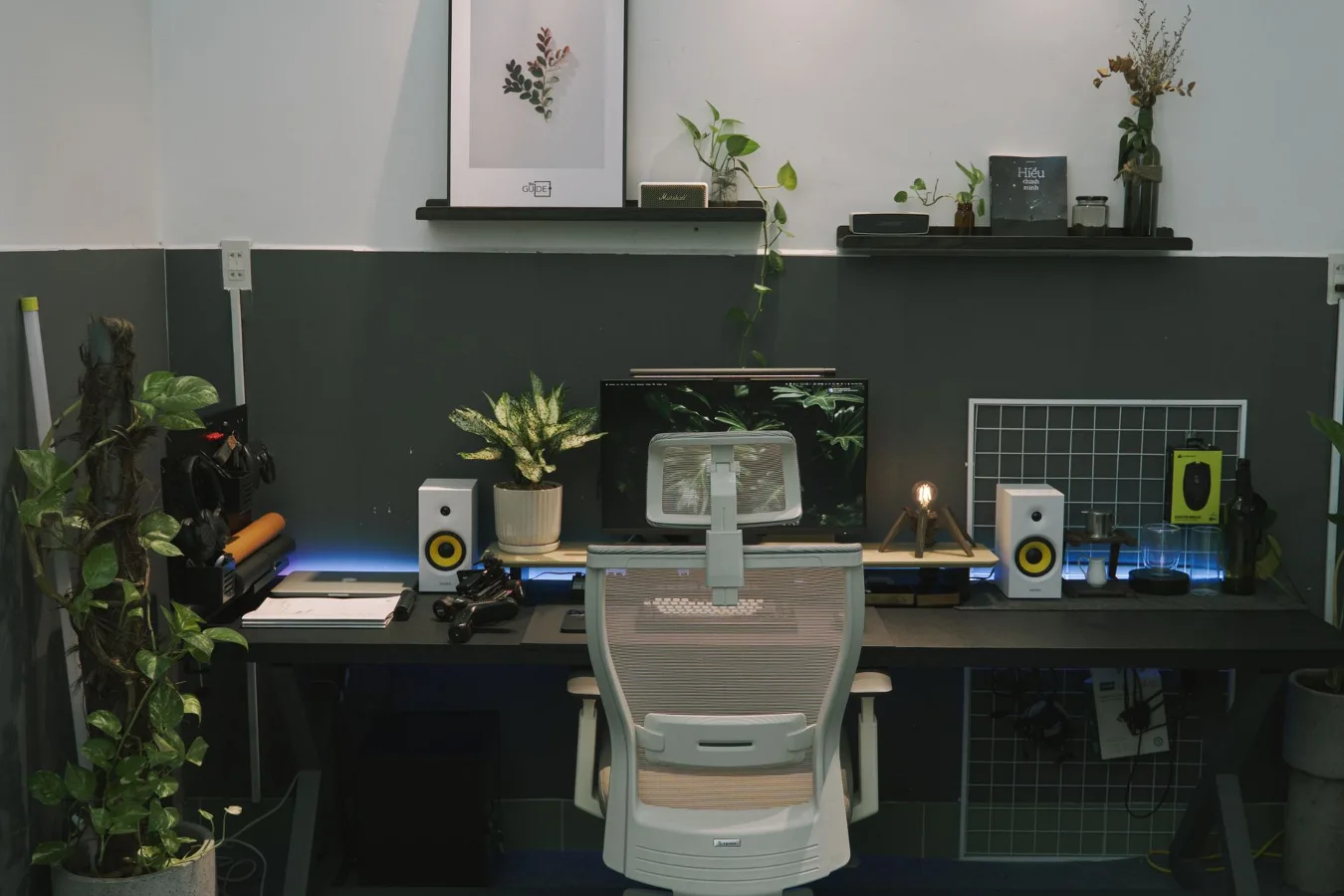
If you’re researching the Ticova ergonomic office chair, you’re probably trying to answer a practical question: is it a good fit for your desk setup, body size, and daily work routine? The short answer is that a chair like this is most useful for people who want a feature-rich office chair without moving into premium pricing territory. But the details matter more than the label.
For a chair in the comfort-focused office category, the real decision is not just whether it looks ergonomic. It is whether the chair offers the right combination of lumbar support, seat comfort, armrest adjustability, and overall fit for your workspace. That is where many buyers either get a good result or end up disappointed.
Who the Ticova ergonomic office chair is best for
This type of chair tends to appeal most to people setting up a home office, replacing a basic task chair, or looking for a more supportive seat for computer work. It is especially relevant if you spend long stretches at a desk and want a chair that feels more adjustable than a standard office chair.
It may be a sensible choice if you care about:
- adjustability more than a minimalist design
- better back support than a plain seat-only chair
- a chair that can work in a home office, study room, or shared workspace
- a breathable design that may feel better than fully upholstered chairs in warm rooms
It may be less appealing if you want a chair that feels plush right away, prefer a very simple setup, or need a model with highly specialized ergonomic customization. Like many mid-range ergonomic chairs, the value depends on whether the adjustments match your body and work habits.
The practical trade-offs to think through
A common misconception is that an ergonomic office chair automatically feels comfortable for everyone. In reality, ergonomic design is about fit and support, not universal comfort. A chair can have multiple adjustment points and still feel awkward if the seat depth, lumbar curve, or arm height does not match your frame.
That is the main trade-off with a chair such as the Ticova: more features usually mean more ways to fine-tune the fit, but also more opportunities for adjustment mismatch. If you set it up well, the benefits can be substantial. If you do not, the chair may feel fussy or inconsistent.
Another practical trade-off is between breathable construction and cushioned softness. Mesh-backed or ventilated chairs can help with airflow and reduce the sticky feeling that comes with long sitting sessions, but they may not deliver the same soft, padded feel that some users prefer. The right choice depends on whether you value support and ventilation over a lounge-like seat.
Material and spec factors that affect comfort
You do not need to memorize technical specifications to evaluate an ergonomic chair, but a few features deserve close attention because they directly shape everyday comfort.
Lumbar support
Lumbar support is one of the most important factors in any ergonomic chair. The key question is not simply whether the chair has it, but whether the support can be positioned where your lower back actually needs it. Some chairs offer adjustable lumbar height or depth, while others provide a fixed curve that may work well for one user and poorly for another. ergonomic chair lower back pain offers more detail on this point.
If you have ever felt yourself sliding forward or slumping after an hour at the desk, lumbar support is likely one of the first areas to review. A supportive lower back contour can help maintain a more neutral seated posture, but only if it aligns with your body.
Seat shape and depth
Seat comfort is often overlooked because buyers focus on the backrest first. That is a mistake. If the seat is too deep, shorter users may struggle to sit back properly without pressure behind the knees. If it is too shallow, taller users may feel as though they are perched rather than supported.
For a chair in this category, seat depth and seat contour should be treated as core fit questions. They influence circulation, posture, and whether you can sit comfortably for long stretches without shifting constantly.
Armrests
Armrests are another feature that looks simple but has a real effect on shoulder comfort. Adjustable armrests can help reduce shoulder elevation and let your forearms rest more naturally while typing. However, armrests that sit too high, too low, or too wide apart can create new discomfort instead of solving it.
A useful habit is to check whether the armrests allow your elbows to stay relaxed near your sides without forcing your shoulders up. That small detail can change how the chair feels over a full workday.
Backrest and recline behavior
Some users want a chair that stays upright and task-focused. Others want a bit of recline for reading, calls, or thinking breaks. The recline system matters because it affects both comfort and how actively you sit. A chair that tilts too freely may feel unstable for focused work, while one that feels too rigid can become fatiguing.
If you split your day between typing, reading, and meetings, a balanced recline range is useful. If your work demands a very upright posture, prioritize a chair that locks into the positions you actually use.
Breathability and surface material
Material choice affects temperature, maintenance, and long-term feel. Mesh can offer better airflow, which is especially helpful in warm climates or rooms with limited cooling. Padded surfaces can feel softer at first but may hold heat more easily and show wear differently over time.
The right material depends on your environment as much as your preference. A chair that feels fine for an hour in a showroom can feel very different during a full workday in a home office.
What to look for before buying
If you are comparing the Ticova ergonomic office chair with other desk chairs, use a practical checklist rather than focusing on a single feature.
- Body fit: Check whether the seat height, backrest shape, and armrest range suit your height and build.
- Desk compatibility: Make sure the armrests can slide under your desk if space is tight.
- Daily use pattern: Decide whether you need a chair for focused keyboard work, long reading sessions, or mixed use.
- Room conditions: Consider whether breathable materials matter in your climate or office temperature.
- Adjustment simplicity: More controls can be helpful, but only if you are willing to fine-tune them.
- Assembly and setup: Review whether you are comfortable assembling a chair and making small ergonomic adjustments afterward.
One overlooked consideration is that a chair can be ergonomically sound on paper but still be a poor match for a cluttered workstation. If your desk is too high, your monitor is too low, or your keyboard is positioned awkwardly, even a good chair will not fully solve comfort problems. Ergonomics works as a system, not a single purchase.
Buyer scenario: when this type of chair makes sense
This chair category makes the most sense for buyers who want a noticeable upgrade from a basic office chair and are willing to spend a little time dialing in the settings. It can suit remote workers, students, and anyone building a more comfortable desktop setup at home.
It is also a reasonable option if you are trying to balance support and budget. You may not get the premium feel of a top-tier ergonomic chair, but you can still get meaningful improvements in posture support and seating comfort compared with a generic task chair.
That said, if you already know you are sensitive to seat firmness, need a very soft cushion, or require unusually specific sizing, you should compare carefully against alternatives. In ergonomic seating, comfort is often more personal than brand names suggest.
Common mistakes shoppers make
Many office chair disappointments come from choosing based on appearance or feature count alone. A chair can look modern and still be wrong for the user.
- Ignoring measurements: Seat height, seat depth, and armrest height matter more than most buyers expect.
- Assuming all lumbar support feels the same: Support that is too high, too low, or too aggressive can create discomfort.
- Overlooking desk height: A good chair can feel bad if your desk setup forces awkward shoulder or wrist angles.
- Choosing the wrong material for the room: Mesh and padding have different strengths in warm, cool, and humid environments.
- Expecting instant perfection: Many ergonomic chairs need small adjustments after a few days of use.
A useful mindset is to think of the chair as part of a complete workstation. Monitor height, foot placement, keyboard reach, and chair fit all influence comfort together.
How it compares with other comfort-focused office chairs
In the broader comfort category, the Ticova ergonomic office chair sits among a very common group of adjustable home-office chairs. Compared with simpler task chairs, it is typically more attractive to buyers who want more control over posture support. Compared with premium ergonomic models, it may appeal to those who want a more approachable price-to-feature balance.
If you are comparing it with a mesh task chair, focus on support placement, armrest flexibility, and seat comfort. If you are comparing it with a plush executive chair, focus on breathability, back support, and whether the softer style actually helps you work longer without slouching.
Alternatives may make more sense if your priority is different:
- Basic task chair: better if you want simplicity and lower upfront cost.
- Executive-style chair: better if softness and a more traditional look matter more than fine-tuned adjustability.
- High-end ergonomic chair: better if you need advanced adjustability and are willing to pay for it.
Next steps before you buy
Before making a decision, measure your desk height, think about how many hours you sit each day, and decide which comfort problem you are trying to solve. Back fatigue, shoulder tension, heat buildup, and poor posture do not all call for the same solution.
If you are close to choosing the Ticova ergonomic office chair, compare it against the seating needs of your actual workspace rather than a generic product list. The best office chair is the one that fits your body, your desk, and your routine with the fewest compromises.
For a practical home office upgrade, that often means looking beyond “ergonomic” as a label and focusing on how the chair will function after the novelty wears off. Comfort that lasts through real workdays is what matters.
FAQ
Is the Ticova ergonomic office chair good for long hours?
It can be a sensible option for long desk sessions if the fit is right, especially if you value adjustable support. The key is matching the chair’s settings to your height, desk setup, and preferred sitting posture.
What should I check first before buying?
Start with seat height range, seat depth, lumbar support placement, and armrest adjustability. Those four factors have the biggest impact on comfort for most users.
Is mesh better than padded seating?
Neither is automatically better. Mesh usually helps with airflow, while padding may feel softer at first. Your room temperature, sitting time, and comfort preference should guide the choice. Comfort guide offers more detail on this point.
Do ergonomic chairs fix bad posture?
No chair fixes posture by itself. A good chair can support better habits, but your desk height, monitor position, and sitting behavior still matter a great deal.
What if the chair still feels uncomfortable after adjustment?
If the fit is still off after a few days of reasonable adjustment, the chair may not match your body or workstation well. In that case, compare alternatives with different seat dimensions, lumbar styles, or armrest designs.