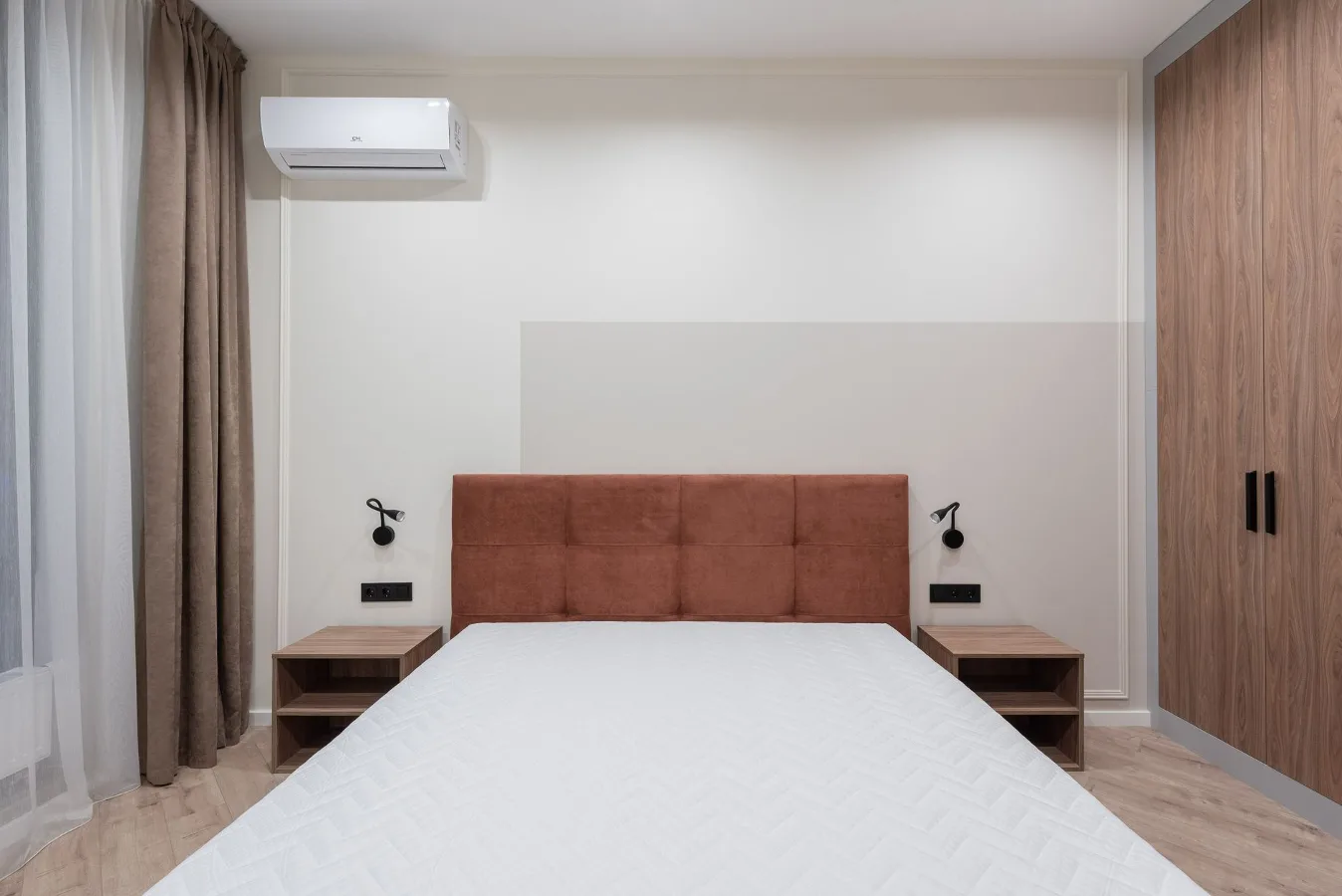
A spring air mattress is usually understood as a mattress that blends spring support with an air-based comfort or support system. For shoppers, the main appeal is straightforward: a familiar springy feel, adjustable comfort in some designs, and a sleep surface that can work well in a bedroom where firmness, support, and versatility matter. full size futon mattress offers more detail on this point. mattress pad vs topper offers more detail on this point.
If you are searching for a spring air mattress, the real question is not just what the phrase means, but whether this type of mattress suits the way you sleep. That depends on how much support you want, whether the mattress is for everyday use or occasional guests, how the bed is built, and how much complexity you are comfortable managing.
What a spring air mattress is meant to do
In practical terms, this type of mattress is about combining two sleep technologies that people often associate with different benefits. Springs typically provide structure, responsiveness, and lift. Air elements, where present, can add adjustability, a softer landing, or customizable firmness depending on the design.
That combination can make sense for sleepers who want a bed that feels more supportive than a simple foam mattress and more adaptable than a traditional innerspring alone. It can also be appealing in a guest room or a primary bedroom where comfort needs may change over time.
One common misconception is that all spring air mattresses are the same. They are not. Some are closer to hybrid mattresses with coil support and comfort layers. Others may use an air chamber as a major part of the support system. The details matter because they affect feel, maintenance, and long-term satisfaction.
The main factors to compare before buying
Support and firmness
Support is usually the first thing people notice. A spring-based mattress often feels more buoyant and lifted than all-foam options. If the mattress also includes an air component, you may be able to fine-tune firmness to match your preferences.
Think about whether you prefer a firmer sleep surface, a medium feel, or something softer with more contouring. A mattress that feels great for a back sleeper may not be the best choice for a side sleeper who needs more pressure relief at the shoulders and hips.
Motion isolation
Spring systems can transfer more movement than some sleepers expect, especially if the mattress has a lively, responsive feel. If one person shifts positions frequently or gets in and out of bed at different times, motion isolation becomes more important.
Air-supported designs and newer hybrid constructions may reduce this issue, but not always. If you share a bed, look beyond the marketing label and focus on the feel of the mattress structure itself.
Edge support
Edge support is easy to overlook until you use the outer edge of the bed every day. Stronger edges can make a mattress feel larger and more stable, which matters for couples, people who sit on the side of the bed, and anyone who prefers a secure perimeter.
Some spring mattresses do this well. Others feel less stable around the edges, especially when the comfort layers are plush or the support structure is lightweight. If the mattress will be used in a small bedroom, good edge support can make the layout feel more functional.
Durability and construction quality
With any spring air mattress, construction quality matters more than the category name. Look at how the support system is built, whether the mattress is designed for frequent inflation adjustments, and how well the comfort layers are likely to hold up under regular use.
Long-term value is usually better when the mattress feels balanced rather than overly gimmicky. A complicated design is not automatically better. A simpler, well-built mattress may be more reliable if you want something that behaves predictably over time.
Maintenance requirements
Maintenance is another practical constraint. If the mattress includes an air chamber or adjustable section, you may need to manage inflation levels, check for leaks, or follow care instructions more closely than with a standard spring mattress.
That does not make it a bad choice, but it does mean the buyer should be realistic. If you want a low-maintenance bed with minimal setup, a traditional innerspring or a simple hybrid may be easier to live with.
Bedroom suitability
Consider the room, not just the mattress. A spring air mattress can be a smart pick for a primary bedroom, a guest room, or a spare space that needs flexible comfort. It may also work well when you want a more classic mattress feel rather than the deep hug of memory foam.
Room temperature can matter too. Many sleepers associate spring-based designs with better airflow than dense foam beds, although the final result depends on the full construction, not just the presence of coils.
Where a spring air mattress makes the most sense
This type of mattress tends to fit a few common use cases especially well.
- Primary bedrooms: Good for sleepers who want support, bounce, and a more traditional mattress feel.
- Guest rooms: Useful when you want a broadly comfortable option for different sleep preferences.
- Couples with different preferences: Helpful if the mattress allows some firmness adjustment or has a balanced feel that works for more than one sleeper.
- People who dislike the slow sink of foam: Better for those who prefer easier movement on the bed surface.
At the same time, this category may be less ideal for sleepers who want a very contouring feel, very strong motion isolation, or a mattress that requires almost no adjustment or upkeep.
Common trade-offs to keep in mind
No mattress category solves everything. The trade-offs are usually where the best buying decision becomes clear.
Responsiveness versus pressure relief: A springier bed often feels easier to move on, but it may not cradle pressure points as much as a softer foam design.
Adjustability versus simplicity: If the mattress includes air-based customization, you gain control but also add potential maintenance and setup considerations.
Lift versus motion transfer: A more buoyant bed can feel supportive, yet that same liveliness may create more partner disturbance than a dense foam mattress.
Versatility versus specialization: A mattress that tries to fit many sleepers can be practical, but a specialized mattress may serve one particular sleep position better.
How to judge whether it fits your sleep style
The best way to narrow the choice is to start with the way you sleep, not with the marketing label.
Back sleepers
Back sleepers often need even support through the midsection so the body does not sink too deeply. A spring air mattress can work well if it keeps the spine feeling level and does not create a hollow feeling under the lower back.
Side sleepers
Side sleepers usually need more cushioning at the shoulders and hips. If the mattress feels too firm, pressure can build up quickly. In this case, look for a design that balances spring support with enough surface comfort.
Stomach sleepers
Stomach sleepers generally do better on firmer surfaces that help prevent the hips from dropping too far. A spring-based bed can suit this group if it stays supportive and does not feel overly plush.
Combination sleepers
If you change positions often, a mattress with a responsive surface can be a plus. It may be easier to move around on than a deep, contouring foam bed. That said, responsiveness should not come at the expense of stability.
Alternatives worth considering
If you are unsure about a spring air mattress, a few alternatives may fit your needs better.
- Traditional innerspring mattress: Best if you want a classic, straightforward feel without adjustable components.
- Hybrid mattress: A useful middle ground if you want coils plus comfort layers but do not need air-based adjustability.
- Memory foam mattress: Better for pressure relief and motion isolation, though usually with a slower, more enveloping feel.
- Latex mattress: Often chosen for responsiveness and durability, with a different feel than both foam and coil-heavy beds.
Choosing between these options comes down to what matters most: support, temperature feel, movement, maintenance, or customization.
Common mistakes shoppers make
- Buying for the label instead of the feel. A “spring air” description does not guarantee a specific comfort level.
- Ignoring the base or foundation. Some mattresses perform poorly if they are not paired with the right support surface.
- Assuming plush means supportive. Softness and support are not the same thing.
- Overlooking partner needs. Motion transfer and firmness differences matter more in shared beds than many buyers expect.
- Choosing a complex design for a simple need. If you want low maintenance, extra adjustability may not be worth it.
A practical nuance many people miss is that comfort impressions change with bedroom setup. A mattress can feel firmer or softer depending on the foundation, sheets, pillow height, and room temperature. Those details are small, but they can affect whether the bed feels right after the first week.
Decision guidance: how to narrow the choice quickly
If you want a simple way to decide, start with these questions.
- Do you want a more traditional springy feel or a more contouring surface?
- Will this mattress be used every night or mainly for guests?
- Do you need easy movement and a responsive surface?
- How important are motion isolation and edge stability?
- Are you comfortable with any maintenance that comes with air-based features?
If your answers point toward support, bounce, and flexibility, a spring air mattress may be a strong fit. If you want maximum pressure relief or very low motion transfer, another mattress type may serve you better.
The best purchase is usually the one that matches your sleep position, household setup, and willingness to maintain the bed over time. That is especially true in the bedroom, where comfort is not just about the first impression but about how the mattress feels night after night. how to choose a bedroom mattress offers more detail on this point.
FAQ
What is a spring air mattress?
It generally refers to a mattress that combines spring support with some form of air-based comfort or support. The exact construction can vary, so it is worth checking the details rather than relying on the name alone.
Is a spring air mattress good for everyday use?
It can be, if the build quality, support, and firmness match your sleep style. For everyday use, durability, edge support, and comfort consistency matter more than the category label.
Is it better than memory foam?
Not universally. Spring air designs often feel more responsive and easier to move on, while memory foam usually offers more contouring and motion isolation. The better choice depends on your priorities.
Do spring air mattresses need special care?
Some do, especially if they include adjustable air components. Follow the manufacturer’s guidance for inflation, foundation support, and cleaning so the mattress performs as intended.
Who should avoid this type of mattress?
Sleepers who want a very soft, deeply contouring bed or who are highly sensitive to partner movement may prefer a different mattress category.