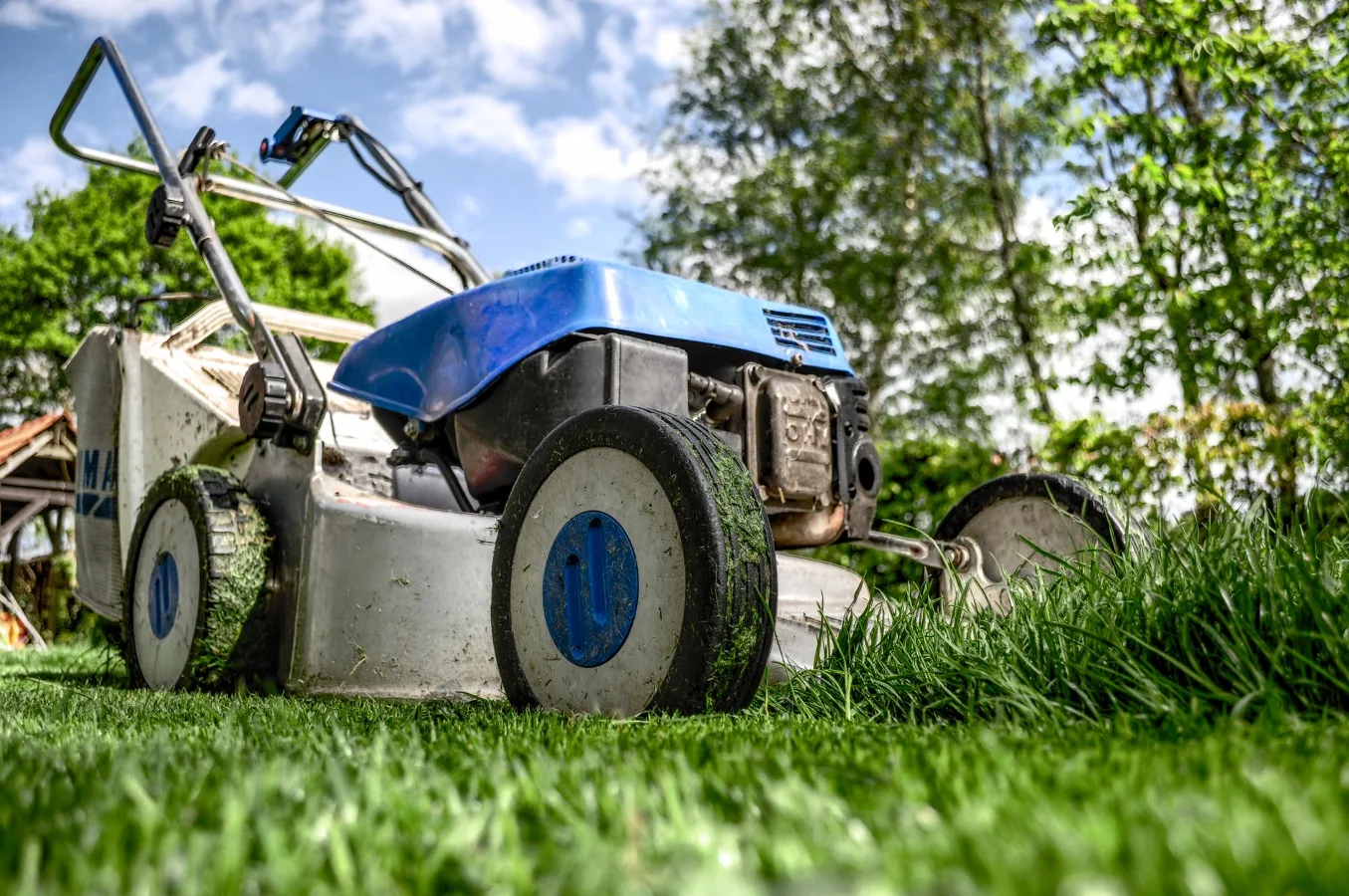
If you are comparing a Senix lawn mower, the most useful way to shop is by yard size, terrain, and the type of mowing experience you want. Senix is most relevant to buyers looking at modern residential mowers, especially cordless and electric options, so the real question is less about the brand name alone and more about whether a particular model fits your lawn and routine.
The short answer: a Senix lawn mower makes sense if you want a cleaner, lower-maintenance alternative to gas for a typical home lawn, and you are comfortable paying attention to battery runtime, deck width, slope handling, and storage needs. If your yard is small to medium and your grass is not especially demanding, that is often the right place to start. If your property is large, heavily sloped, or frequently overgrown, you should compare carefully against other mower types before buying. best lawn mower for small yards offers more detail on this point.
What to look for before choosing a Senix lawn mower
For this category, the best buying decisions usually come down to a few practical dimensions rather than brand hype. The most important ones are power source, cutting width, terrain fit, mowing style, and upkeep. Those factors determine whether the mower feels convenient in everyday use or becomes a compromise you notice every weekend.
1) Power source and battery setup
Many shoppers start with the battery system because it affects almost everything else. A cordless mower can be easier to live with than gas, but only if the battery capacity and charging workflow fit your routine. If your yard takes a long time to mow, a short runtime can turn a convenient machine into a stop-and-wait process.
Pay attention to whether the mower is designed around one battery or multiple batteries, and whether those batteries are part of a shared platform with other outdoor tools. That matters for long-term value. A compatible battery ecosystem can reduce clutter and make replacement or expansion easier later.
2) Yard size and mowing time
Not every mower suits every property. For a smaller suburban yard, a compact mower is usually easier to maneuver, store, and recharge. For a larger lawn, deck size and battery endurance matter more because you want fewer passes and fewer interruptions. This is one of the most common oversights: buyers focus on headline features and ignore the actual mowing time their lawn requires.
If you regularly mow thick grass or let it grow too long between cuts, choose more conservatively. Real-world runtime is influenced by grass density, moisture, mowing height, and speed, so the same mower can feel very different from week to week.
3) Terrain and handling
Flat lawns are forgiving. Uneven ground, mild slopes, and tight landscaping are less forgiving. If your yard has bumps, tree roots, narrow gates, or awkward edges, check the mower’s weight, wheel design, and maneuverability. A mower that is easy to steer on a showroom floor can feel less manageable once you are trimming around fences or pushing uphill.
This is especially important for homeowners who value ease of use over raw cutting breadth. A slightly narrower deck can be a smart trade-off if it makes the mower easier to guide around obstacles.
4) Cut quality and adjustment range
Cut quality is not just about power. It also depends on blade design, deck airflow, and how well the mower handles different grass heights. Look for simple, reliable height adjustment so you can adapt to seasonal growth. In many yards, the ability to fine-tune cutting height is more useful than a long list of extra features.
If you care about a neat finish, think about how you usually manage clippings. Some users prefer mulching because it returns finer clippings to the lawn. Others want bagging to reduce cleanup, especially after a long gap between mowings. The right choice depends on how tidy you want the lawn to look and how much debris you are willing to handle afterward.
5) Storage and maintenance
One understated benefit of electric lawn mowers is simpler storage and fewer routine engine tasks. That does not mean no maintenance, though. You still need to clean the deck, inspect the blade, and store batteries properly. If your garage or shed is tight on space, look closely at folding handles and overall footprint.
People sometimes underestimate storage until after the purchase. A mower that fits your lawn but not your space can be irritating every time you put it away.
Where a Senix lawn mower usually makes the most sense
A Senix lawn mower is most appealing to homeowners who want the convenience of cordless mowing without moving into a premium commercial-style machine. It tends to be a practical fit for routine lawn care rather than demanding, all-day mowing. If you cut regularly and keep the lawn reasonably maintained, the workflow usually stays straightforward.
It can also be a good option for buyers who want to simplify their yard routine. Electric mowing removes some of the friction that comes with gas equipment: no fuel storage, no carburetor concerns, and fewer seasonal chores. That makes it attractive for homeowners who value predictable operation and lighter maintenance.
At the same time, a battery mower is not automatically the best choice for every property. Large lawns, tall or wet grass, and frequent edge cases like rough ground or steep grades can expose the limitations of cordless equipment. The best purchase is the one that matches your actual mowing pattern, not the one with the most appealing spec sheet.
Senix mower comparison points that matter most
If you are comparing Senix against other mower brands or against another Senix model, use a simple framework. The goal is not to compare every feature. It is to separate what affects everyday use from what sounds attractive in a product listing.
| Comparison point | Why it matters | What to ask yourself |
|---|---|---|
| Battery runtime | Determines whether you can finish the lawn without interruption | Can the mower complete your normal yard on one charge or with manageable charging breaks? |
| Cutting width | Affects mowing speed and maneuverability | Do you need tighter control around obstacles or faster coverage on open grass? |
| Weight and handling | Influences comfort on slopes and around landscaping | Will you be pushing it through narrow areas or over uneven terrain? |
| Mulching, bagging, side discharge | Changes cleanup and lawn appearance | Do you prefer a cleaner finish, natural mulch, or the fastest cut-and-go workflow? |
| Battery platform | Impacts long-term convenience and tool compatibility | Do you already own, or plan to own, other tools that use the same battery system? |
| Storage profile | Matters for garages, sheds, and apartments with limited space | Can you store it easily without lifting or rearranging other equipment? |
For many homeowners, the battery platform is the overlooked factor. A mower can be a good standalone buy, but a better battery ecosystem can make the whole yard-care setup more efficient over time.
Common mistakes to avoid
The most common mistake is buying for the wrong lawn size. A mower that seems capable on paper can feel underpowered if your grass is thick, your yard is large, or you wait too long between cuts. Another mistake is assuming all cordless mowers behave the same. They do not. Runtime, charging behavior, and handling can vary a lot from one design to another. cordless mower buying guide offers more detail on this point.
Another easy misstep is overlooking terrain. If your yard has bumps or slopes, comfort and control matter as much as cutting performance. A mower that is easy to move around the driveway may still feel awkward on the back lawn.
Buyers also sometimes focus on bagging or mulching without thinking about maintenance habits. If you prefer a tidy lawn, bagging can be useful, but it also means more emptying and more handling of clippings. If you prefer less cleanup, mulching may fit better, provided your mowing schedule keeps grass at a manageable height.
Finally, do not treat battery convenience as the same thing as zero maintenance. Even a simple electric mower benefits from regular blade checks, debris removal, and proper battery storage. Neglecting those basics can shorten useful life and make the machine harder to use.
Alternatives worth considering
If a Senix lawn mower is close to right but not perfect, there are a few practical alternatives to consider.
Corded electric mowers can be a good fit for very small lawns where an extension cord is not a hassle. They avoid charging downtime, but the cord can become a limitation quickly.
Gas push mowers still make sense for buyers who prioritize continuous runtime and are comfortable with more maintenance. They can be useful on larger or tougher lawns, but they add noise, fuel handling, and seasonal upkeep.
Self-propelled mowers are worth a look if you have hills or simply want less pushing. They are not necessary for every yard, but they can make a meaningful difference on slopes or for anyone who wants a lighter feel during use.
Riding mowers are the better choice when the lawn becomes too large for a walk-behind machine to be efficient. That is less about brand and more about property scale. pull behind lawn mower offers more detail on this point.
Who should buy a Senix lawn mower
A Senix lawn mower is a sensible choice for homeowners who want a modern residential mower and are shopping with practical priorities in mind. If you need something easier to store than gas equipment, want to reduce routine maintenance, and mow a typical suburban lawn on a regular schedule, the category deserves a close look.
It is less compelling if your lawn is unusually large, very rough, or often left to grow too long. In those cases, you may be better served by a mower with more endurance, more traction, or a different power source entirely.
The best decision is to match the mower to your lawn rather than to the marketing. Once you do that, the right Senix model becomes easier to identify: the one with enough runtime, enough control, and enough flexibility to handle your actual mowing habits.
Quick buying rule: choose the mower that can handle your regular grass height, your terrain, and your storage space without making mowing feel like a project.