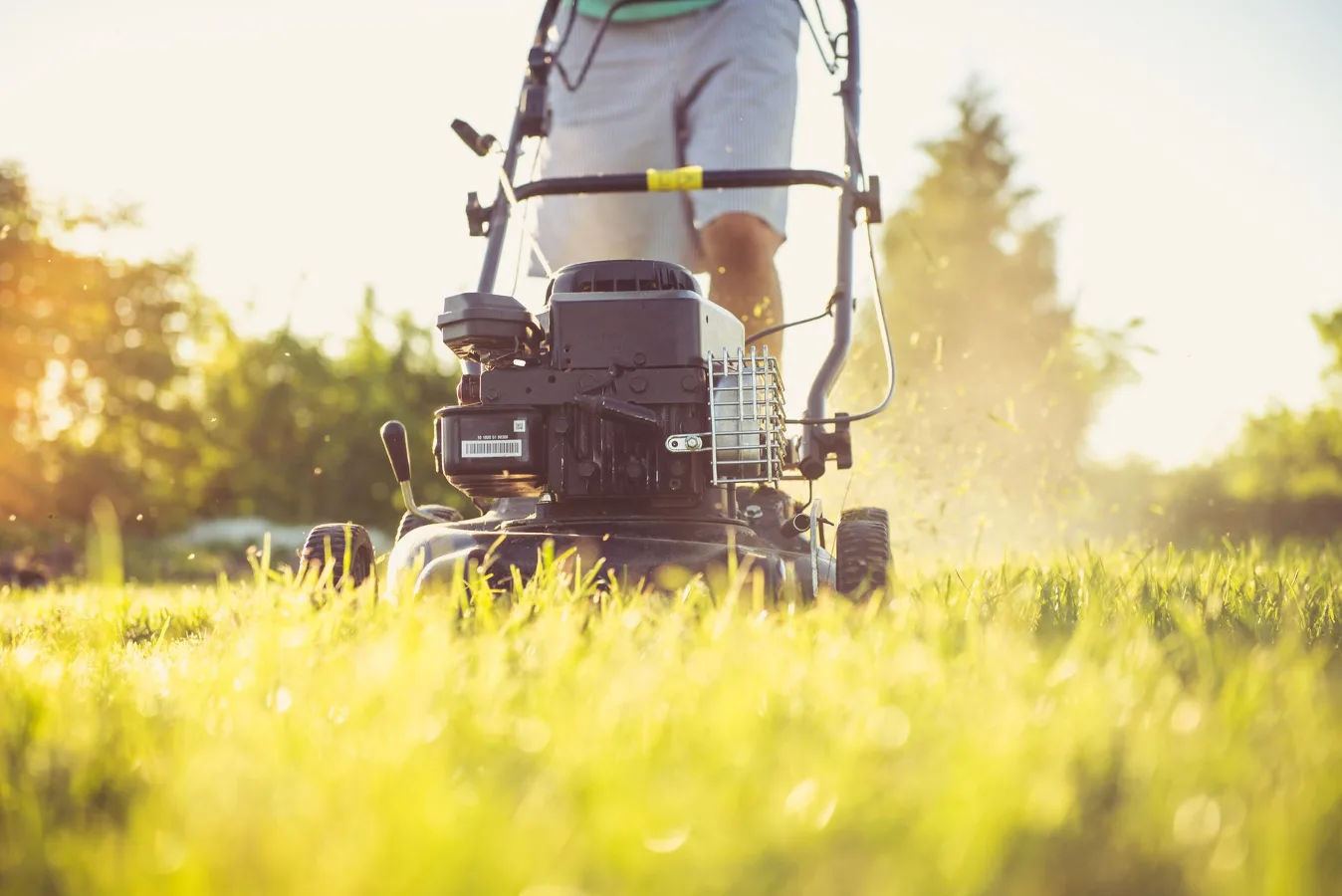
If you’re looking for a pull behind lawn mower, the real question is less about the name and more about the job it needs to do. These tow-behind mowers are usually chosen for larger properties, faster coverage, and situations where a standard push mower feels inefficient. The best option depends on what you already own, how much ground you need to cover, and whether the terrain is smooth enough for towing. lawn mower belt offers more detail on this point.
For many buyers, the appeal is simple: attach the mower to a lawn tractor, riding mower, or compatible vehicle and let the equipment handle more of the workload. But that convenience comes with trade-offs. You need to think about hitch compatibility, turning space, slope, cutting quality, and how the mower handles obstacles. If those details are overlooked, the result can be awkward at best and unusable at worst. lawn tractor attachment compatibility offers more detail on this point. common mower hitch options offers more detail on this point.
Who a pull-behind mower is best for
A pull-behind mower makes the most sense for property owners who maintain broad, open lawn areas and want to reduce the number of passes needed to finish the job. It can be a practical choice for acreage, long driveways with grass edges, and lawns that are too large for a walk-behind mower to be efficient but do not require a commercial-grade zero-turn setup.
This category is also attractive if you already use a lawn tractor or garden tractor and want to expand what that machine can do. In that case, the mower is not a standalone purchase so much as part of a larger lawn care system. The catch is that the system only works well if the towing vehicle, hitch, and mower design are all aligned.
Pull-behind mowers are usually less appealing for tightly landscaped yards with frequent curves, narrow gates, trees, or raised beds. The towing radius matters as much as the cutting width, and a wider deck is not always an advantage if the yard layout is complicated.
The main trade-offs to weigh before buying
The biggest advantage of a pull-behind mower is coverage. A wider cutting path can reduce mowing time, especially on open ground. That said, width alone does not guarantee better results. If the mower is too wide for your terrain or too difficult to maneuver around obstacles, the time savings can disappear quickly.
Another advantage is operator comfort. Because the mower is being towed, you are not walking behind the cutting path, which can be appealing on hot days or on larger properties. But comfort depends on the towing machine. A rough-riding tractor seat or a poor hitch setup can make the whole experience less pleasant than expected.
There are also limits to consider. Pull-behind mowers are not ideal for steep, uneven, or obstacle-heavy yards. Ground clearance, traction, and stability all become more important when the terrain is unpredictable. If you need precision edging or frequent tight turns, a tow-behind mower may feel like the wrong tool.
Compatibility matters more than many buyers expect
One of the most overlooked considerations is whether the mower truly matches your towing equipment. A pull-behind mower is only useful if the hitch style, drawbar height, and towing capacity work together. Some setups are straightforward, while others require adapters or additional parts.
Before buying, confirm the type of machine you plan to tow with. Lawn tractors, garden tractors, and utility vehicles are not interchangeable in how they handle attachments. A mower that works well behind one machine may sit too high, track poorly, or turn awkwardly behind another.
It also helps to think about the mower’s turning behavior. A wider deck can save time in open areas, but a long tow setup can leave more uncut grass at the inside of turns. That is one reason buyers should look beyond deck size and think about the actual shape of the property.
Material and build factors that affect long-term use
Because this is garden equipment that will see repeated vibration, contact with grass debris, and occasional bumps from uneven ground, build quality matters. A sturdier frame generally handles regular use better, especially if the mower will be stored outdoors for part of the season or moved across rougher sections of the yard.
The cutting deck is another important area. The deck material and overall construction influence how well the mower resists wear from moisture, dirt, and impact. A well-designed deck can also make cleaning easier, which matters because grass buildup can affect cut quality and maintenance burden.
Wheel design deserves attention too. Larger, more stable wheels may help on uneven turf, but no wheel setup can fully compensate for ground that is too steep, soft, or cluttered. Buyers sometimes focus only on the cutting system and ignore how the mower actually follows the towing path. That is a mistake, especially on properties with hidden dips or soft spots.
Cut quality versus convenience
Commercial intent often hides a practical question: do you want the fastest solution or the cleanest result? Pull-behind mowers tend to emphasize efficiency, but the best cut depends on how the mower is set up and where it is used. Open, regularly maintained turf is where these mowers usually perform best.
If your yard is a mix of lawn, weeds, rough patches, and trim areas, expectations should stay realistic. Some buyers are really looking for a finish mower for open grass, while others need something closer to a rough-cut solution for uneven ground. These are not the same tool, and confusing them leads to disappointment.
For homeowners who expect a near-perfect finish around landscaping features, a tow-behind mower may not replace other tools entirely. You may still need a string trimmer, handheld mower, or smaller machine for corners and detailed work.
Maintenance requirements are part of the decision
A pull-behind mower can be a practical long-term asset, but only if you are comfortable with basic maintenance. Like other mower equipment, it will need blade care, deck cleaning, fastener checks, and seasonal storage planning. The more complex the attachment setup, the more important it is to inspect wear points regularly.
Grass clippings, moisture, and dirt can build up under the deck and around moving parts. If a mower is used heavily and then stored without cleaning, performance can decline over time. That does not make the product a poor choice; it just means the convenience of towing still comes with ownership responsibilities.
If you already maintain a lawn tractor, adding another attachment may fit naturally into your routine. If you prefer low-maintenance yard tools, though, a pull-behind mower may feel like more equipment than you want to manage.
Common mistakes buyers make
One common mistake is overestimating how much lawn can be handled comfortably by towing equipment. A large deck can seem like an easy upgrade, but the yard layout may make the mower harder to use than a smaller, more agile option.
Another mistake is ignoring storage and handling. Tow-behind mowers are typically less convenient to tuck away than compact walk-behind models. If garage or shed space is already tight, the mower can become a hassle rather than a time-saver.
Buyers also sometimes assume that any towing vehicle will do. That is rarely true. A mower attachment can be mechanically compatible and still be a poor match for the terrain, turning pattern, or ground conditions of a specific property.
When a different mower type may be the better fit
If your yard has many obstacles, tight corners, or narrow access points, a riding mower or zero-turn mower may be a better fit than a pull-behind setup. Those machines offer more direct control over the cutting path and can handle intricate layouts more gracefully.
If you only need to maintain a smaller residential lawn, a walk-behind mower may be simpler, cheaper, and easier to store. For buyers who are not trying to cover acreage, the added complexity of towing equipment may not be worth it.
For rougher land, brush-heavy areas, or properties that are not meant for a manicured finish, a tow-behind rough-cut solution may be more appropriate than a finish-focused mower. The key is to match the tool to the lawn’s actual condition, not just the size of the property.
How to narrow your choice
A practical buying process starts with the property itself. Measure the open areas, note the tight spots, and consider how often you will need to turn around obstacles. Then compare that to the mower’s cutting width, turning behavior, and hitch requirements.
Next, look at the towing machine you already own. If you need adapters, extra hardware, or a different tractor class to make the system work, the total cost and complexity may change the value of the purchase. That is where many buyers make a better decision by stepping back and comparing options instead of focusing on one feature.
Finally, think about how much maintenance and storage you are willing to take on. A pull-behind lawn mower can be a smart, efficient choice for the right yard, but only if the practical details fit your routine.
Next steps before you buy
Before choosing a model, confirm three things: your towing equipment compatibility, your yard’s terrain and layout, and the type of cut you expect. Those factors usually matter more than a headline feature list.
If you are still deciding, compare pull-behind mowers with riding mowers, zero-turn mowers, and walk-behind options based on actual use rather than general assumptions. The best choice is the one that fits your property, your storage space, and the amount of maintenance you are willing to handle.
For larger lawns with open sightlines, a pull-behind mower can be a practical way to save time. For more complex properties, it may be only part of the solution. That distinction is what separates a useful purchase from an expensive compromise.