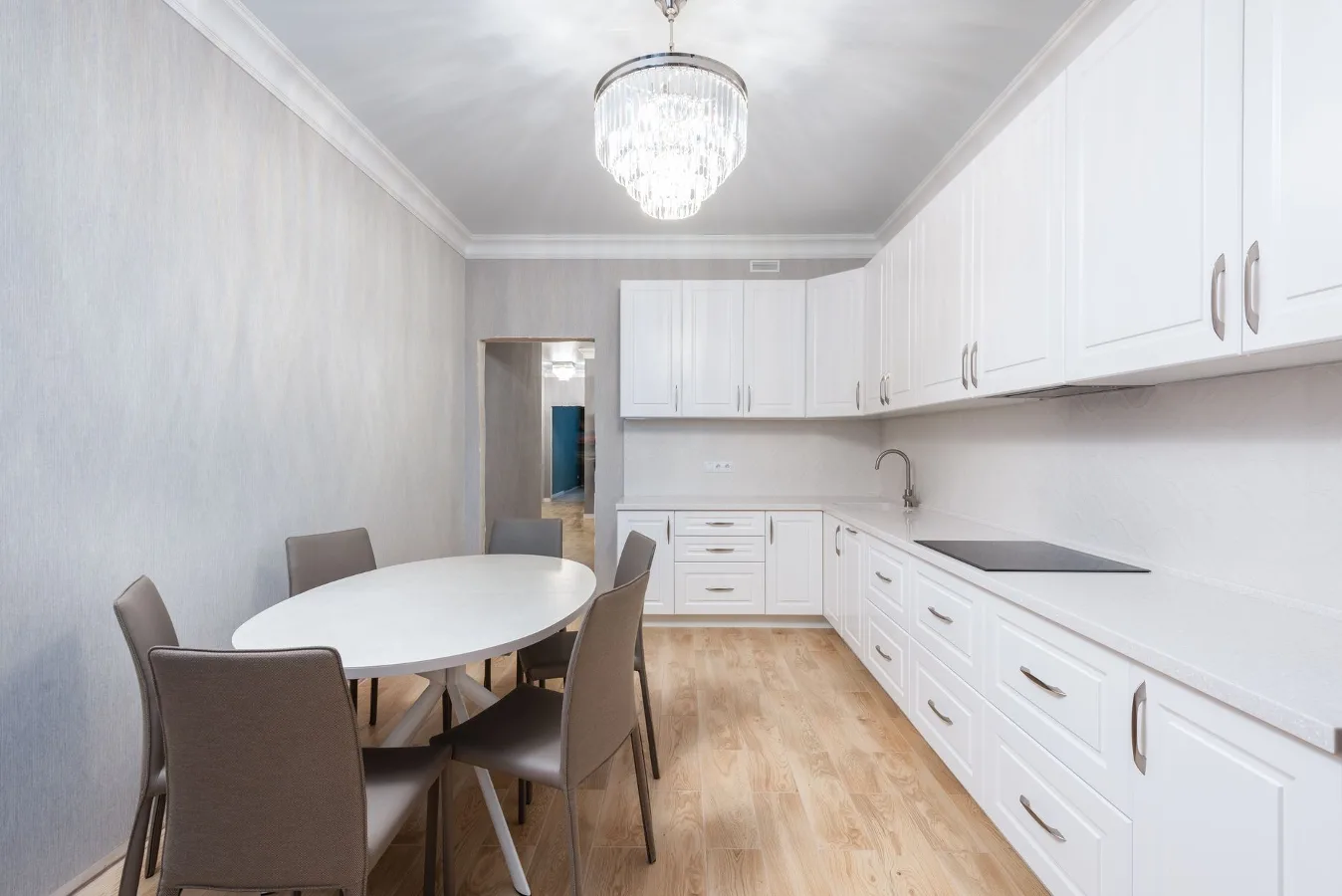
An oval wood dining table is a strong choice if you want a dining surface that feels welcoming, fits more easily into traffic patterns, and still brings the warmth of real wood into the room. The shape removes sharp corners, which can make it easier to move around in tighter spaces, while the wood material gives the table a grounded, classic look that works in many U.S. homes.
If you are deciding whether an oval wood dining table is right for your space, focus first on room layout, seating needs, wood type, base style, and finish. Those factors matter more than any decorative detail because they determine how the table will actually function day to day. choosing the right table base offers more detail on this point.
When an oval wood dining table makes the most sense
This shape is especially useful when you want a table that feels less rigid than a rectangle but still offers a generous dining surface. The curved ends help the table visually soften a room, which can be helpful in spaces with hard lines from cabinetry, windows, or built-ins.
An oval wood dining table is often a practical fit if you:
- Need smoother traffic flow around the table
- Want to reduce corner congestion in a narrow room
- Prefer a shape that feels more social and less formal than a rectangle
- Like the balance of traditional wood grain with a lighter visual footprint
- Plan to seat guests at the ends without bumping into sharp corners
One overlooked advantage is that oval tables can make a dining area feel less dominated by the tabletop edge. That can matter in open-plan homes where the dining zone needs to blend into the living area instead of standing apart as a heavy block.
Step-by-step criteria for choosing the right one
1. Start with the room, not the table
Many shoppers begin with style and end up with a table that looks good online but feels cramped at home. Measure the dining area carefully, including the path needed for chairs to pull out and for people to walk behind seated guests. The goal is not just to fit the table, but to preserve comfortable movement around it. dining chair spacing tips offers more detail on this point.
Oval tables are especially helpful in narrow or irregular rooms because the curved ends reduce the visual and physical bulk of corners. Even so, the table still needs enough clearance on all sides. If the room is tight, a table that seems modest in photos may feel larger once chairs are added.
2. Match the shape to how you actually dine
Think about who uses the table most often. A household that eats casual weekday meals, hosts holiday dinners, or uses the table for homework and laptop time will need different priorities. For daily family use, durability and easy cleanup may matter more than a finely detailed finish. For formal entertaining, a more refined wood tone or sculpted base may be worth prioritizing.
Oval dining tables tend to support conversation well because everyone sits within a shared visual field. There is no hard corner separating one end of the table from the rest, which can make gatherings feel more connected. That said, if you regularly need to place a centerpiece, serving dishes, and multiple place settings, make sure the length and width still leave enough working space in the middle.
3. Decide how much seating flexibility you need
One reason people choose an oval table is that the curved ends can make seating feel a little more adaptable than a strict rectangle. A table may technically have a set seating range, but real-world comfort depends on chair width, armrests, and how much elbow room you want.
Look beyond the seat count in the product description and ask a more practical question: Will this still feel comfortable once real dining chairs are in place? A narrow table with wide chairs can quickly become crowded. A longer oval may seat more people, but only if the dining room can still handle chair pull-out space and circulation.
4. Compare wood type with your tolerance for upkeep
Wood tables vary in appearance and maintenance expectations. A solid wood oval dining table typically offers a more traditional furniture feel and may be appealing if you want a piece that can age naturally over time. Engineered wood options can be more budget-conscious and may work well if your main priority is style and day-to-day practicality rather than heirloom-level construction.
The right choice depends on how sensitive you are to marks, moisture, and routine care. Some wood surfaces will show scratches or water rings more readily than others, especially if the finish is delicate or the room sees heavy use. If your dining table doubles as a craft or homework station, a more forgiving finish may be the smarter option than a more delicate one.
5. Pay attention to the base, not just the top
The base affects stability, legroom, and visual balance. Pedestal bases can make it easier to slide chairs in because there are fewer legs at the corners, which is one reason they are often attractive on oval tables. Trestle bases can also offer good support and a strong visual profile, especially in farmhouse or traditional interiors. Four-leg versions may feel familiar but can be more limiting if chair placement is tight near the ends.
This is a common mistake: buyers focus on the tabletop shape and forget that the base controls how usable the table really is. A beautiful oval top with awkward supports can be frustrating every day, especially if guests keep bumping into legs or if a chair cannot tuck in cleanly.
Wood options and what they mean in practice
The phrase wood dining table covers a lot of ground. The most important distinction is not just color or grain pattern, but how the material behaves in your home.
| Material type | What it usually offers | Practical trade-off |
|---|---|---|
| Solid wood | Natural grain, traditional feel, long-term appeal | Can require more care and may show everyday wear more visibly |
| Engineered wood | Often more budget-friendly and consistent in appearance | May not have the same depth or aging character as solid wood |
| Veneer over core material | Can deliver a wood look with a refined finish | Surface durability depends on the quality of the finish and construction |
Material choice should align with use-case suitability, not only visual preference. A quieter formal dining room has different needs from a high-traffic family room where spills, homework, and laptops are part of the routine.
Style choices that affect how the table feels in the room
Oval wood tables can look traditional, transitional, rustic, or modern depending on the base, edge profile, and finish tone. A lighter wood tone can make a room feel more open, while a deeper finish can create a more anchored, formal presence. Rounded edges tend to soften the look, but details like turned legs or a plank-style top can push the design in a more classic or farmhouse direction.
One practical nuance: the table style should work with the chairs you already own or plan to buy. A heavy pedestal table can feel visually substantial, so pairing it with equally bulky chairs may overwhelm a small room. In contrast, a slimmer base and lighter chairs can keep the room from feeling crowded.
Checklist before you buy
Use this checklist to narrow down the best option for your space:
- Confirm room dimensions and chair clearance
- Decide how many people need to sit comfortably on a regular basis
- Choose between solid wood, engineered wood, or veneer based on upkeep and budget comfort
- Check whether the base leaves enough legroom
- Match the finish to your daily use, not just your decor style
- Consider whether the table should feel formal, casual, or adaptable
- Make sure the shape complements the room rather than fighting the layout
If you are comparing similar tables, the safest approach is to compare them by function first and appearance second. The best-looking table is not always the best one if it blocks circulation, creates chair collisions, or demands more maintenance than your household can realistically maintain.
Common mistakes shoppers make
One common mistake is choosing an oval table because it seems smaller than a rectangle, then discovering the chairs and base still occupy a lot of floor space. Another is overlooking finish care. A surface that looks rich in product photos may be less forgiving in a dining room used every day. best dining table shapes for small rooms offers more detail on this point.
Another easy-to-miss issue is proportion. A table that is too small can look lost in a medium or large room, while an oversized oval can feel visually heavy despite its softer shape. The right table should suit the architecture of the room, not just the available square footage.
People also sometimes assume that an oval table automatically solves every space issue. It can help, but it does not eliminate the need for good measurements. Shape improves flow; it does not replace proper sizing.
Alternatives worth considering
If you like the warmth of wood but are not fully committed to an oval shape, a few alternatives may be better depending on your layout:
- Rectangle wood dining table: better for long rooms and more formal seating arrangements
- Round wood dining table: useful for compact spaces and more intimate conversation
- Extendable dining table: helpful if you need everyday efficiency and occasional guest seating
- Pedestal round-to-oval convertible styles: worth considering if flexibility matters more than a fixed shape
The right alternative depends on how often you host, how many chairs you use daily, and whether your dining room needs to stay visually light.
Examples of good fit by room type
Small apartment dining area
An oval wood dining table can work well if the room doubles as a walkway or if the dining zone sits close to a kitchen or living area. The curved ends reduce the chance of sharp-corner congestion. Keep the base simple and the finish lighter if you want the room to feel open.
Open-concept home
In a larger open-plan setting, the table often needs to act as a visual anchor. Here, an oval shape helps define the dining area without looking boxy. A stronger base and more substantial finish may help the table hold its own next to surrounding furniture.
Family dining space
For families, the best choice usually balances cleanup, durability, and enough room for daily use. A finish that is easier to maintain may be more valuable than a highly detailed design. If the table will also be used for projects or casual work, prioritize a surface and base that can tolerate regular handling.
How to make the final decision
If you are close to buying, compare each candidate against three questions: Does it fit the room cleanly? Does the base work with your chairs and seating habits? Does the wood and finish suit the level of care you are willing to give it?
A good oval wood dining table should feel natural in the room, not forced. It should support the way you eat, host, and move through the space. If it only solves the visual side of the decision but creates headaches in daily use, keep looking.
The strongest choice is usually the one that balances comfort, proportion, and upkeep. That is where oval wood dining tables stand out: they can look refined without feeling rigid, and practical without looking purely utilitarian.