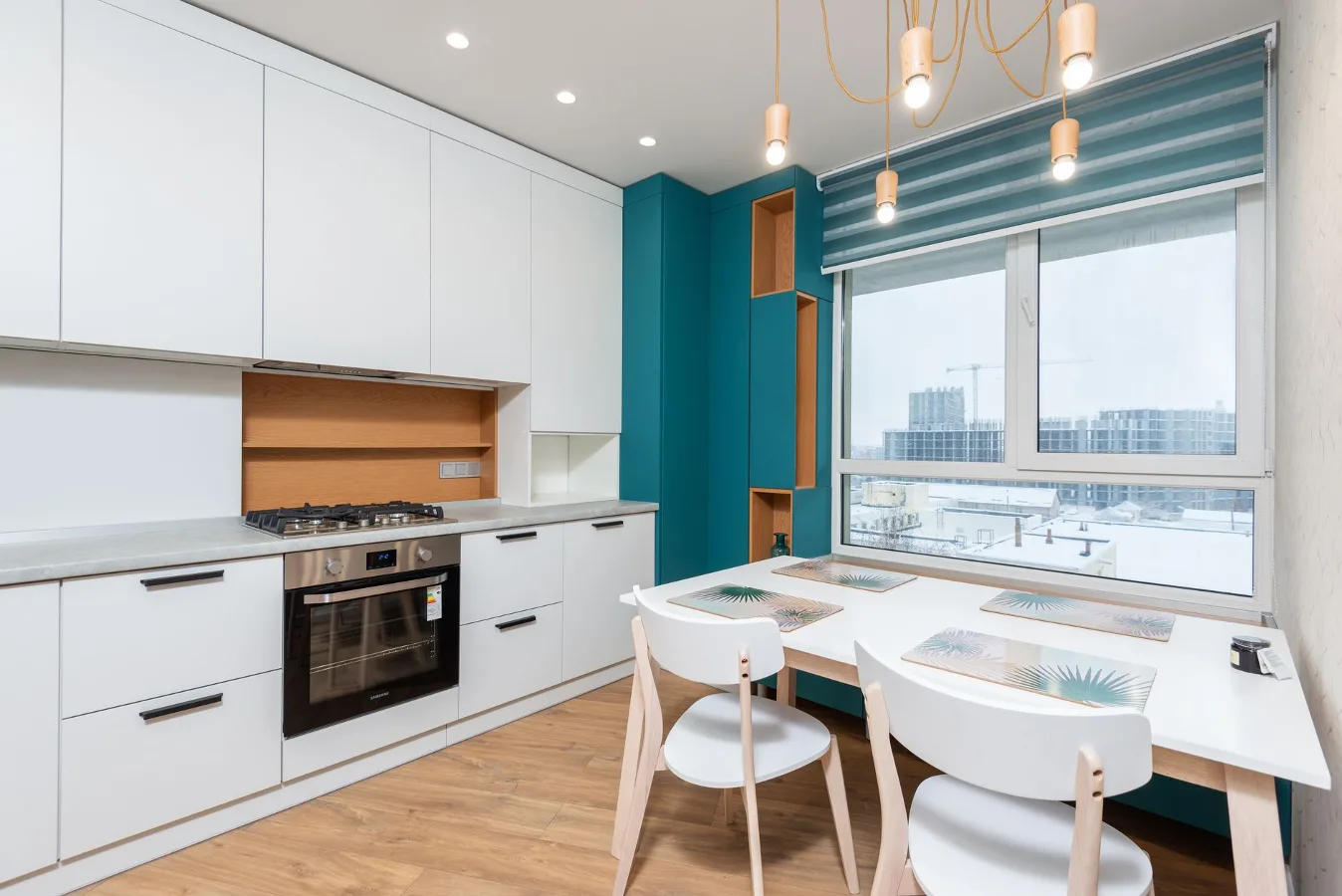
Why an oak dining table matters
An oak dining table is often chosen for the same reason people return to it year after year: it feels grounded, practical, and adaptable. Oak has a visual weight that works in both traditional and modern rooms, and the table format itself is central to daily life, from quick breakfasts to long holiday meals. If you are researching an oak dining table and want a decision that holds up over time, the real question is not just whether oak looks good. It is whether the size, finish, construction, and shape fit the room and the way the table will actually be used. extending a dining table for guests offers more detail on this point.
That is where many buyers get tripped up. A table can look perfect in a styled photo and still be awkward in a real dining space. Clearance around chairs, family traffic flow, the type of finish, and whether the table needs to handle spills, homework, or frequent hosting all affect satisfaction more than the wood species alone. marble table and dining chairs offers more detail on this point.
For most homes, oak makes sense when you want a table that balances durability with a classic appearance. The grain is part of the appeal, but so is the way oak tends to suit a range of chair styles and interior themes. The best choice depends on use case, not just appearance.
Start with the right use case
Before comparing finishes or silhouettes, decide what the table needs to do. The best oak dining table for a formal dining room is not always the best one for a busy kitchen nook or an open-plan family space.
Ask these questions first:
- Will the table be used every day or mostly for gatherings?
- How many people need to sit comfortably most of the time?
- Will children use it for crafts, meals, or schoolwork?
- Does the room need a compact table, or is there space for a larger piece?
- Do you want flexibility for guests, which may point toward an extendable design?
These answers shape everything else. A casual family table needs easy maintenance and enough surface area for plates, serving dishes, and real life clutter. A more formal setting may prioritize a refined profile, a smoother finish, or a specific leg style that fits the room’s architecture.
Step-by-step criteria for choosing well
1. Match the table shape to the room
Shape affects both movement and atmosphere. Rectangular tables are the most common because they work well in many rooms and tend to seat more people efficiently. Round tables can feel more intimate and are often easier to navigate in smaller spaces. Square tables work best when the room is also square or when seating needs are modest. Oval tables can soften the look of a room while preserving some of the practical benefits of a rectangle. best table shapes for small spaces offers more detail on this point.
If the room is narrow, a rectangular oak table may be the best fit, but only if chair clearance remains comfortable. If the room is compact and traffic flows around the dining area, a round or oval table may create a smoother path.
2. Check scale, not just dimensions
Many shoppers look only at the table’s listed length and width. That is not enough. The surrounding space matters just as much. Chairs need room to pull out. People need room to walk behind seated guests. The table should feel proportionate to the room, not simply physically acceptable on paper.
A common mistake is choosing a table that fills the room too aggressively. Oak has visual presence, especially in darker finishes or thicker tops, so scale can feel larger than the measuring tape suggests. In smaller spaces, lighter finishes and slimmer bases often feel more balanced.
3. Decide between solid oak and oak veneer
This is one of the most important trade-offs. A solid oak dining table and an oak veneer table can both look appealing, but they offer different strengths. Solid oak is typically valued for its substantial feel and long-term refinishing potential, while veneer can offer a more stable and often more budget-friendly construction with a real wood surface layer.
The better option depends on priorities. If you want a more traditional hardwood feel and the possibility of future refinishing, solid oak may be the better match. If your focus is appearance, stability, and keeping the look of oak while controlling cost, veneer can be a practical choice. The misconception is that veneer automatically means low quality. In reality, construction quality matters more than the label alone.
4. Pay attention to the finish
The finish changes how the table looks, how it handles everyday wear, and how much upkeep it needs. A natural or lightly finished oak table usually highlights grain and texture. Darker stains can feel more formal and can conceal some surface marks, though they may also make dust and fingerprints easier to notice on certain sheens. Matte finishes can look relaxed and contemporary, while glossier surfaces may feel more polished but can draw more attention to scratches or smudges.
For families or frequent use, a finish that supports easier cleaning often makes more sense than one chosen only for appearance. The goal is not to eliminate maintenance, but to choose a surface you will actually keep looking good.
5. Consider the base and leg design
The base is easy to overlook, yet it affects comfort and seating flexibility. Pedestal bases can make it easier to fit more chairs around a round or oval table. Trestle bases can provide a sturdy look and work well in rustic or farmhouse-inspired rooms. Four-leg designs are familiar and versatile, but the position of the legs matters because it can affect how comfortably chairs tuck in.
For an oak dining table and chair pairing, leg placement can be more important than the wood tone. If chairs are bulky, thick corner legs may create crowding. If the goal is to seat more people at family meals, a base that leaves the ends open can be a better solution.
How oak changes the look and feel of a room
Oak brings warmth, but the exact effect depends on finish, grain pattern, and surrounding materials. Light oak can brighten a room and pair well with white walls, linen upholstery, woven textures, and modern cabinetry. Medium tones often feel versatile and bridge traditional and contemporary elements. Darker oak can create a more formal mood and work well with richer fabrics, deeper wall colors, or classic millwork.
One overlooked consideration is how oak interacts with other wood finishes in the same space. Matching everything too closely can make a room feel flat. A more successful approach is to coordinate undertones and intensity rather than chase an exact match. That usually creates a more layered, intentional look.
Oak also pairs well with different chair materials. Upholstered chairs soften the visual weight. Metal or mixed-material chairs can push the look more modern. Woven seats, leather, and painted wood chairs each shift the tone in a different direction. This flexibility is one reason oak remains popular across styles.
Practical advantages and real limitations
An oak dining table offers several useful advantages, especially in homes where the dining area is used often. It can provide a sturdy surface, a timeless appearance, and enough visual character to anchor the room without depending on trendy details. It also tends to work across multiple design updates, which matters if you expect the room to evolve over time.
That said, oak is not automatically the best answer for every household. Heavier tables can be difficult to move. More prominent grain may not suit people who prefer a very minimal surface. Certain finishes need more attention than others. And if the table is oversized for the room, oak’s visual presence can make the space feel tighter.
There is also a common misconception that a dining table should be selected only for durability. Durability matters, but comfort and proportion matter too. A table that lasts for years is still a poor fit if it crowds the room or makes seating awkward. The best purchase balances toughness with livability.
Examples of where oak works especially well
- Family dining rooms: Oak suits regular use, especially when easy maintenance and a dependable surface matter.
- Open-plan living spaces: The natural texture can help define the dining zone without needing heavy visual separation.
- Traditional homes: Oak complements trim, paneling, and classic cabinetry.
- Modern mixed-material interiors: A simple oak table can soften metal, stone, and painted finishes.
- Homes that host often: Extendable oak designs can offer flexibility without changing the room’s core style.
What to compare before buying
Use this checklist to narrow your options before choosing an oak dining table and bringing it into a home that already has a specific layout and rhythm.
- Room size: Confirm there is enough clearance for chairs and movement.
- Shape: Choose the form that fits how people gather and walk through the space.
- Construction: Decide whether solid oak, oak veneer, or a mixed construction suits your priorities.
- Finish: Consider cleaning needs, sheen level, and how much natural grain you want to show.
- Base style: Check how the legs or pedestal affect seating and legroom.
- Visual weight: Make sure the table feels proportionate to the room and surrounding furniture.
- Chair compatibility: Verify that the chair style will tuck in comfortably and not look cramped.
- Long-term use: Think about how your needs may change if you host more, move homes, or redesign the room later.
Common mistakes to avoid
One of the biggest mistakes is choosing a table based only on the wood type. Oak is appealing, but a poor shape or oversized base can make the table frustrating to use. Another mistake is ignoring finish maintenance. A surface that looks beautiful in a showroom may demand more care than a household can reasonably keep up with.
It is also easy to over-focus on style and under-focus on compatibility. Dining chairs, lighting, rugs, and traffic flow all affect how the table functions in the room. An oak table can look strong on its own and still feel mismatched if the chairs are too bulky or the rug is too small.
Finally, do not assume every oak table needs to be rustic or farmhouse-inspired. Oak can look clean, refined, and contemporary when the lines are simple and the finish is restrained. That flexibility is part of its appeal.
Alternatives worth considering
If oak is close to what you want but not quite right, there are sensible alternatives.
- Walnut: Often chosen for a richer, darker look with a more formal feel.
- Maple: A lighter hardwood look that can feel clean and understated.
- Engineered wood with wood veneer: Useful when budget, stability, or weight are major concerns.
- Painted wood tables: Better if you want the table to blend into the room rather than stand out as a wood feature.
The best alternative depends on whether your priority is visual warmth, easier styling, lower weight, or a different maintenance profile. Oak remains a strong middle ground, but it is not the only credible option.
Final checklist before you commit
Before selecting an oak dining table and moving it into your home, pause on these last practical checks:
- Does the table fit the room without blocking movement?
- Does the shape support the way your household actually eats and gathers?
- Is the finish suitable for your maintenance habits?
- Will the base allow comfortable seating?
- Do the chairs, rug, and lighting work with the table’s scale?
- Are you choosing oak for the right reason: function, style, or both?
If those answers line up, oak is usually a strong and durable choice. The best version is not the most impressive one in isolation. It is the one that fits the room, supports the routines of the home, and still feels right after the novelty of a new purchase wears off.