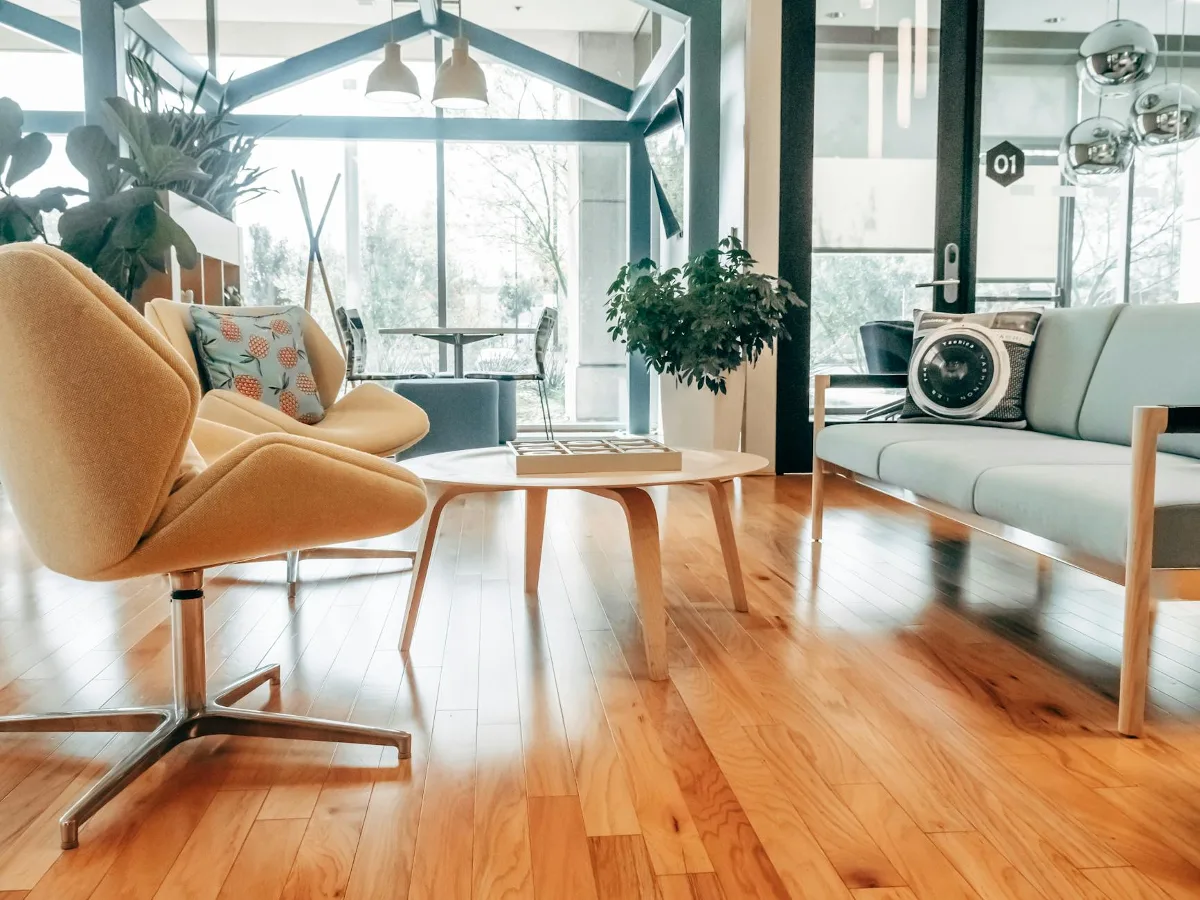
Mid-century modern outdoor furniture is a style choice built around simple silhouettes, tapered legs, balanced proportions, and materials that suit open-air use. If you want a patio, deck, or balcony to feel polished without looking fussy, this style is one of the easiest ways to get there. jensen outdoor furniture offers more detail on this point.
The best pieces usually combine visual restraint with practical construction. That means looking past the look alone and checking comfort, weather resistance, maintenance needs, and how the furniture fits your space. Mid-century modern design can work beautifully outdoors, but only if the materials and scale make sense for real use.
What defines mid-century modern outdoor furniture
Mid-century modern furniture grew out of an emphasis on functional form, clean geometry, and understated detailing. Outdoors, those ideas show up in slim frames, low-slung seating, angled legs, sculptural lounge chairs, and tables with simple rectangular or round profiles.
The style is often associated with teak, aluminum, rope accents, molded seating, and neutral upholstery. Not every piece uses all of those elements, and that is part of the appeal. A good outdoor setup can look mid-century modern even when it mixes materials, as long as the overall shape stays streamlined and the visual weight feels light.
One common misconception is that the style has to look vintage to be authentic. In practice, many contemporary outdoor collections borrow the mid-century language while using modern weather-resistant construction. That can be a better choice for everyday use than trying to match the exact look of a 1950s original.
How to judge the right pieces before you buy
The most important decision is not style alone; it is how the furniture will function in your space and climate. A beautiful chair that traps water, fades quickly, or feels awkward to sit in is a poor value no matter how good it looks in photos.
Start with the basics below, then narrow your options by room, weather exposure, and how often you plan to use the area.
Materials and weather resistance
For outdoor furniture, materials matter more than the styling language. Mid-century modern pieces may use teak, powder-coated aluminum, wrought iron, synthetic wicker, rope, mesh, or performance fabrics. Each material has strengths and trade-offs.
- Teak offers a classic warm look and works well with mid-century styling, but it usually needs more care than metal or resin alternatives if you want to preserve its original tone.
- Powder-coated aluminum is lighter, often easier to move, and generally suits streamlined modern designs.
- Steel or iron can feel substantial, but weight and rust resistance become important concerns outdoors.
- Performance fabrics are useful for cushions and slings because they are made for outdoor exposure, though they still need periodic cleaning and storage planning.
- Synthetic wicker can work if the weave pattern is subtle and the frame shape stays clean, but it reads more transitional than strictly mid-century in many cases.
If your furniture will sit in full sun, by a pool, or in a humid climate, prioritize finishes and fabrics that are easier to maintain. If it is under a covered porch, you may be able to focus more on look and comfort because the exposure is lower.
Scale and proportion
Mid-century modern design depends heavily on proportion. Oversized seating can lose the lightness that makes the style appealing, while pieces that are too small can feel flimsy or uncomfortable.
For smaller patios and balconies, low-profile chairs and compact side tables often work better than bulky sectionals. On larger decks, you can create a more grounded look with a sofa, lounge chairs, and a table that keeps the same visual language. The key is consistency in height, leg style, and visual weight.
A practical detail many shoppers overlook is clearance. Slim frames may look compact in a product photo, but armrests, seat depth, and leg placement affect how easily people move around the furniture. Measure the actual footprint and think through walking paths, door swings, and storage space before buying.
Comfort and usability
Style-forward outdoor furniture should still support long sitting sessions. Mid-century modern designs sometimes use lower seats and firmer cushions, which look elegant but may not suit every household equally.
Check the seat height, back angle, and cushion depth if you plan to use the space for dining, reading, or lounging. A dining chair can feel too upright for conversation seating, while a lounge chair that sits very low may be awkward at a dining table. Mixing seating types can solve this, but only if the pieces are visually related.
Armrests, cushion thickness, and fabric texture also matter. Smooth lines are part of the style, but comfort should not be sacrificed for visual purity. If a piece looks good but feels like a short-term perch, it is not a strong candidate for an outdoor space meant to be used often.
Maintenance and long-term value
Outdoor furniture always requires some upkeep, but the amount varies widely. Teak may need cleaning and occasional oiling depending on the look you want. Metal frames may need inspection for scratches or chips. Cushions should be stored or covered when not in use if you want them to stay fresh longer.
Long-term value is less about finding the lowest price and more about choosing a material and finish you can realistically maintain. In mid-century modern outdoor furniture, the clean design can make pieces look timeless, so it is worth choosing a construction that will still look good after regular weather exposure.
Best mid-century modern pieces for different outdoor setups
Not every outdoor area needs the same furniture mix. The right set depends on how you use the space and how much room you have to work with.
For small patios and balconies
Look for a pair of lounge chairs, a compact café table, or a slim bistro set with a clean base. Pieces with visible legs help the space feel open. Avoid heavy silhouettes that block views or make the area feel crowded.
Foldable options can be useful, but they should still carry the same visual discipline. If the area is very small, one great chair and one small side table can be more effective than trying to force in a full seating group.
For conversation areas
A low sofa or loveseat paired with two chairs often captures the mid-century look well. Add a coffee table with a simple top and a frame that echoes the seating lines. This arrangement works especially well on covered decks and larger patios where comfort and movement matter.
Keep the number of different finishes under control. Too many competing materials can make the setup feel assembled rather than designed.
For outdoor dining
Dining furniture in this style usually looks best when the table and chairs share the same visual language. A rectangular table with tapered legs, or a round table with a slim pedestal base, can fit the look without feeling overly themed.
If you plan to eat outside often, comfort and wipeability matter more than decorative details. Chairs should be easy to pull in and out, and table surfaces should be practical for everyday meals.
For poolside and sunny areas
Prioritize quick-drying materials, fade-resistant fabrics, and frames that tolerate heat and moisture. A clean-lined chaise lounge or sling chair often fits the style better than a thickly cushioned piece that is harder to maintain near water.
This is also where restraint matters most. Decorative but delicate materials can become a liability if the area sees frequent sun, splashing, or damp storage conditions.
Styling mid-century modern outdoor furniture without overdoing it
The style works best when the furniture is allowed to breathe. You do not need to fill every corner with matching pieces or add obvious retro references to make the design read correctly.
Use a restrained palette with natural wood tones, charcoal, black, cream, olive, or muted terracotta if you want warmth. Keep accessories simple: a few outdoor pillows, a textured rug, or a ceramic planter can be enough. Too many decorative objects can overwhelm the clean lines that define the style.
Also consider the surrounding architecture. Mid-century modern furniture tends to pair naturally with brick, stucco, wood siding, glass doors, and simple hardscaping. In a very ornate garden, it can work best as a contrast rather than a full theme.
An overlooked consideration is visual continuity from indoors to outdoors. If your interior has walnut tones, tapered furniture, or low-profile silhouettes, a similar outdoor direction can make the transition feel intentional. That does not mean everything has to match exactly, only that the outdoor area should feel like part of the same home.
Common mistakes to avoid
- Choosing style over climate fit: A piece that looks right on a screen may not perform well in direct sun, heavy rain, salt air, or humidity.
- Ignoring proportion: Furniture that is too large can flatten a small patio, while tiny pieces can feel out of place on a larger deck.
- Mixing too many materials: Mid-century modern design usually depends on restraint, so too many competing finishes can weaken the look.
- Overlooking cushion care: Cushions are often the first items to show wear if they are not made for outdoor use or stored properly.
- Forgetting functional flow: A stylish arrangement can still fail if doors, grill access, or walking paths are blocked.
- Assuming vintage style equals vintage durability: The look may echo classic design, but construction quality varies widely across brands and price points.
Another practical mistake is buying a set before measuring. Outdoor furniture can appear smaller in staged photos, and mid-century pieces often rely on slim frames that can be deceptively roomy once assembled. Measuring carefully avoids returns and helps you build a more coherent layout.
How to compare options more confidently
If you are narrowing down choices, compare each piece against the same set of criteria: material, maintenance, seating comfort, footprint, weather exposure, and how well it fits the rest of your outdoor area. That keeps the decision grounded in use, not just aesthetics.
| What to compare | Why it matters | What to look for |
|---|---|---|
| Frame material | Determines durability and upkeep | Weather-suited material and finish |
| Seat height and depth | Affects comfort and usability | Feels right for lounging or dining |
| Footprint | Helps preserve circulation space | Fits the area without crowding it |
| Cushion construction | Impacts comfort and maintenance | Outdoor-rated fabric and easy care |
| Visual profile | Shapes the mid-century look | Slim lines, tapered legs, balanced proportions |
If two options look similar, the better one is usually the one that suits your weather and maintenance habits more closely. That is especially true for pieces exposed to the elements year-round.
When a different style may be the better choice
Mid-century modern outdoor furniture is versatile, but it is not always the best answer. If you need deep lounge seating for long gatherings, a more casual sectional may suit you better. If your space needs extra durability with minimal upkeep, a simpler contemporary metal set could be more practical. If your garden leans rustic or cottage-inspired, a softer material palette may feel more natural than sharp geometric lines.
That does not make the style unsuitable. It just means the right choice depends on your space and your habits. The best outdoor furniture is the one that balances design, comfort, and upkeep in a way that matches how you actually live.
For many shoppers, mid-century modern works because it is flexible. It can look polished in a small urban balcony, comfortable on a family deck, or elegant in a more formal backyard seating area. The style is strongest when it is used with restraint and chosen for real-world performance, not just appearance.
If you are building a broader outdoor space, it can help to think of this style alongside related topics such as modern patio furniture ideas, small outdoor space layout tips, outdoor dining set buying guidance, and garden furniture care basics. Those decisions influence how well the furniture functions once it arrives, and they often matter more than the aesthetic category alone. outdoor dining set buying guide offers more detail on this point. modern patio furniture ideas offers more detail on this point.