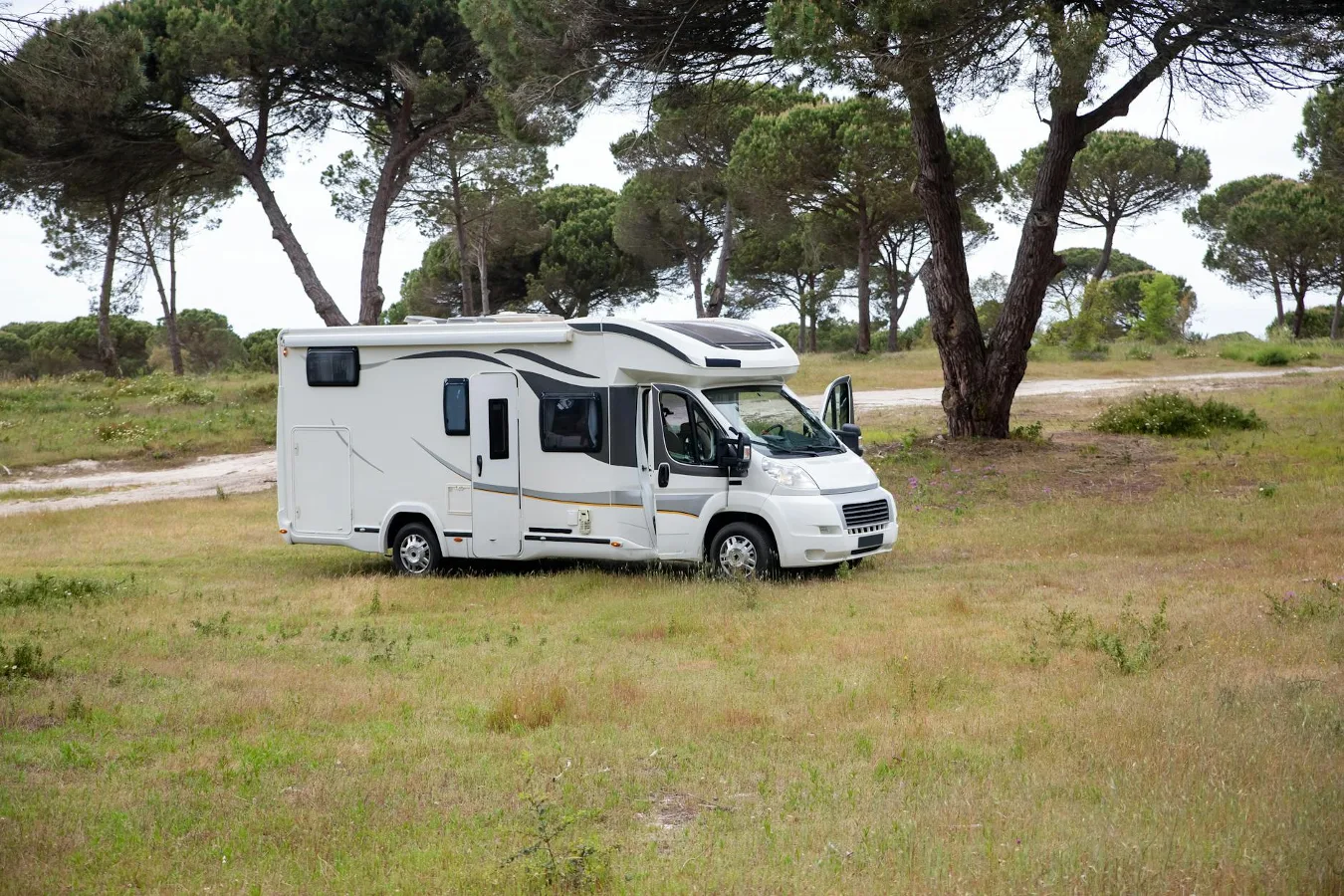
If your motorhome feels damp, fogs up overnight, or develops musty odors after travel or storage, a dehumidifier can help protect the interior and make the space more comfortable. The best choice depends less on brand name and more on how you use the coach: whether you stay on shore power, dry camp, store the vehicle in humid weather, or need something quiet enough for sleeping spaces. humidifier for calathea offers more detail on this point.
For most buyers, the right dehumidifier for a motorhome is a compact unit that matches the available power source, fits the footprint you can spare, and handles the level of moisture you actually deal with. That usually means weighing capacity, noise, energy use, drainage, and how easy the unit is to move or store when you are back on the road.
What motorhome buyers usually need from a dehumidifier
Motorhomes create a different moisture problem than a house. You are working with a tighter interior, more temperature swings, more windows, and often less ventilation than you would have at home. Cooking, showering, wet clothing, and sleeping with doors closed all add humidity quickly. If the coach sits unused for a while, stale air and condensation can become just as much of an issue as active use.
That means the best dehumidifier is not always the one with the highest capacity. In a motorhome, fit and practicality matter just as much as moisture removal. A unit that is too large may be awkward to place, noisy in a small cabin, or harder to power efficiently. A unit that is too small may run constantly without making much difference.
Start with the way you travel
Before comparing products, think about the buyer scenario. Different motorhome owners need different solutions. what to consider before buying RV accessories offers more detail on this point.
Weekend travelers and occasional campers
If you use the motorhome on short trips, your main concern may be overnight condensation, especially in cool weather or rainy climates. A compact plug-in dehumidifier can be enough if you usually stay where shore power is available. If you only see mild dampness, a moisture absorber may also help in closets, cabinets, and other enclosed areas.
Full-timers and long-stay travelers
For longer trips, moisture builds up from daily living. Showers, laundry, cooking, and frequent door use all add humidity. A more capable dehumidifier with a drainage option is usually easier to live with than a tiny unit that needs constant attention. Comfort also matters here: if the machine is noisy or visually intrusive, you may be less likely to keep it running.
Seasonal storage
When a motorhome sits for weeks or months, the goal changes from comfort to preservation. You are trying to reduce the risk of stale air, damp upholstery, and odors while the vehicle is parked. In storage, simplicity often wins. Some owners use passive desiccant products in cabinets and closets, while others prefer an electric unit if power is available and the coach is accessible.
Off-grid camping
If you dry camp often, standard electric dehumidifiers can be harder to use because they depend on power. That does not rule them out, but it does change the conversation. You may need to rely more on ventilation, moisture management habits, and small desiccant products than on a compressor-style appliance.
The trade-offs that matter most
Buying a dehumidifier for a motorhome is mostly about trade-offs. No single unit is ideal in every setup.
- Capacity versus size: Larger units remove more moisture, but they can take up precious floor space and be harder to store.
- Power use versus convenience: Electric models are more hands-off, but they require suitable power and may not be practical for dry camping.
- Noise versus performance: A more powerful unit may be less pleasant in a compact sleeping area.
- Drainage versus portability: Continuous drainage is convenient, but it may limit placement options.
- Upfront cost versus long-term value: A cheap solution may work for light use, while a better-built unit can be easier to live with over time.
One common misconception is that the strongest dehumidifier is always the best choice. In a motorhome, oversized equipment can be overkill if your moisture issue is limited to a bathroom area, a closet, or overnight window condensation. Matching the tool to the problem usually gives better results and fewer frustrations.
Material and spec factors to check before you buy
Motorhome buyers should pay close attention to a handful of specifications and design features. These are more important than flashy extras.
Size and footprint
Measure the exact spot where the unit will sit. Motorhomes often have limited flat surfaces and narrow walkways, so a compact footprint can matter more than maximum capacity. Also think about door clearance, cabinet access, and whether the unit will block seating or storage.
Power source
Check whether the dehumidifier is designed for standard AC power, low-voltage use, or another setup. Many motorhomes rely on shore power or onboard electrical systems, so compatibility matters. If you travel without hookups, a power-hungry appliance may not be realistic.
Moisture removal method
There are two broad approaches. Compressor-style dehumidifiers are common for stronger moisture removal in powered setups. Desiccant-style units can be useful in cooler conditions and may be easier for some small-space applications. Passive moisture absorbers do not plug in at all, but they are better for light dampness and storage use than for active humidity control. dehumidifiers for mold prevention offers more detail on this point.
Drainage setup
Emptying a tank repeatedly becomes tedious fast in a motorhome. If the model supports continuous drainage, that can be a major convenience. Just make sure the hose routing is practical in your layout and that the drain path will not create a tripping hazard or interfere with movement inside the coach.
Noise level
A motorhome is a small acoustic space. A unit that seems only moderately loud in a house may feel intrusive at night. If you plan to run the dehumidifier while sleeping, noise should be part of the decision, not an afterthought.
Weight and portability
If the device will move between the living area, bathroom, and storage, weight matters. Carry handles, easy-to-clean surfaces, and a stable base can make the unit more practical. For some buyers, portability is more useful than a slightly higher moisture-removal rating.
Maintenance access
Filters, tanks, vents, and drain ports should be easy to reach. In a small vehicle, a complicated maintenance routine is a real drawback. A simple design is often the better long-term choice, even if it is not the most feature-rich option on paper.
How to match the dehumidifier to the motorhome environment
Different areas inside a motorhome have different humidity challenges. A smart buying decision starts with where the moisture is most noticeable.
- Sleeping area: Look for quieter operation and a compact body that will not crowd the space.
- Bathroom area: Prioritize quick moisture control and easy placement after showers.
- Kitchen area: Consider everyday humidity from cooking and steam, especially if ventilation is limited.
- Closets and storage bays: Passive moisture absorbers or small electric units may be enough.
- Overall cabin: A central dehumidifier with drainage may make sense if the whole interior tends to feel humid.
Another useful nuance: a dehumidifier works best when the coach is reasonably sealed. If you leave windows, roof vents, or doors open for ventilation, the unit may have to fight outside humidity continuously. That does not mean you should never vent the motorhome, but it does mean the dehumidifier should be part of a broader moisture strategy rather than the only one.
When a dehumidifier is the right answer, and when it is not
Dehumidifiers are helpful, but they are not a cure-all. If the source of the problem is a leak, damaged seal, or roof issue, a dehumidifier only treats the symptom. Persistent wet carpet, water staining, or damp walls call for inspection and repair first.
They are also less helpful if your issue is limited to a very small enclosed space. In that case, a moisture absorber or better ventilation may be the simpler fix. Likewise, if you mostly camp off-grid and want to avoid electrical load, a plug-in dehumidifier may not fit your travel style.
Practical alternatives worth considering
Sometimes the best solution is not a full-size appliance.
- Passive moisture absorbers: Useful for closets, cabinets, and seasonal storage.
- Ventilation upgrades: Roof vents, fans, and cross-ventilation can reduce condensation during cooking and sleeping.
- Humidity monitoring: A simple hygrometer helps you see whether the problem is improving.
- Moisture control habits: Wiping down wet surfaces, drying gear outside when possible, and managing shower steam can all reduce the load on a dehumidifier.
These alternatives are not always replacements for a dehumidifier, but they can make a smaller unit far more effective. That is especially useful in motorhomes where every bit of storage space matters.
Common mistakes motorhome owners make
- Buying based on household dehumidifier advice instead of RV constraints.
- Ignoring available power and assuming any plug-in model will work.
- Choosing a unit that is too large for the space.
- Overlooking drainage and then resenting the tank-emptying routine.
- Using a dehumidifier to hide a leak instead of fixing the source of moisture.
- Forgetting that temperature, ventilation, and usage habits affect performance.
One overlooked consideration is storage. A unit that seems fine on a trip may be awkward to stash between seasons. If you do not have a dedicated cabinet or cargo bay location, compact dimensions and easy handling become much more important.
Simple next steps before you buy
To narrow your options, start with these questions:
- Will you use it while traveling, while parked, or both?
- Do you usually have shore power, or do you need a low-power or passive option?
- Is the main issue condensation, general dampness, or storage odors?
- How much space can you spare inside the coach?
- Do you want a unit that runs continuously with drainage, or one you can empty manually?
- Is quiet operation important for sleeping areas?
Once those answers are clear, the shortlist usually becomes much smaller. That is a good thing. In a motorhome, the best dehumidifier is the one that fits your travel pattern without creating another storage or maintenance problem.
FAQ
Do motorhomes really need a dehumidifier?
Not every motorhome does, but many benefit from one, especially in humid climates, during cool-weather trips, or when the coach sits unused for long periods. If you see condensation, musty odors, or damp fabrics, a dehumidifier may help.
Is a small dehumidifier enough for an RV?
It can be, depending on the problem. Small units are often suitable for compact spaces, closets, or light condensation. For a larger coach or heavier moisture buildup, you may need a more capable model or a better overall ventilation strategy.
Can I use a regular household dehumidifier in a motorhome?
Sometimes, but size, power draw, and drainage can make a household model less practical. A unit designed or chosen with small-space use in mind is usually easier to live with in a motorhome.
What works best for off-grid camping?
If you camp without hookups, passive moisture absorbers, ventilation, and humidity control habits are often more practical than a powered dehumidifier. If you do use electricity, pay close attention to power needs and battery impact.
How do I know if my moisture problem is from humidity or a leak?
Condensation usually appears in cool areas such as windows, corners, and vents, while leaks may leave localized staining, dripping, or soft surfaces. If moisture keeps returning in one area regardless of weather, inspect for water intrusion.
If you are comparing options for a motorhome, focus on fit, power compatibility, noise, and drainage first. Those practical details matter more than a long feature list, and they are usually what determine whether the dehumidifier becomes a useful part of your travel routine or just another item taking up space.