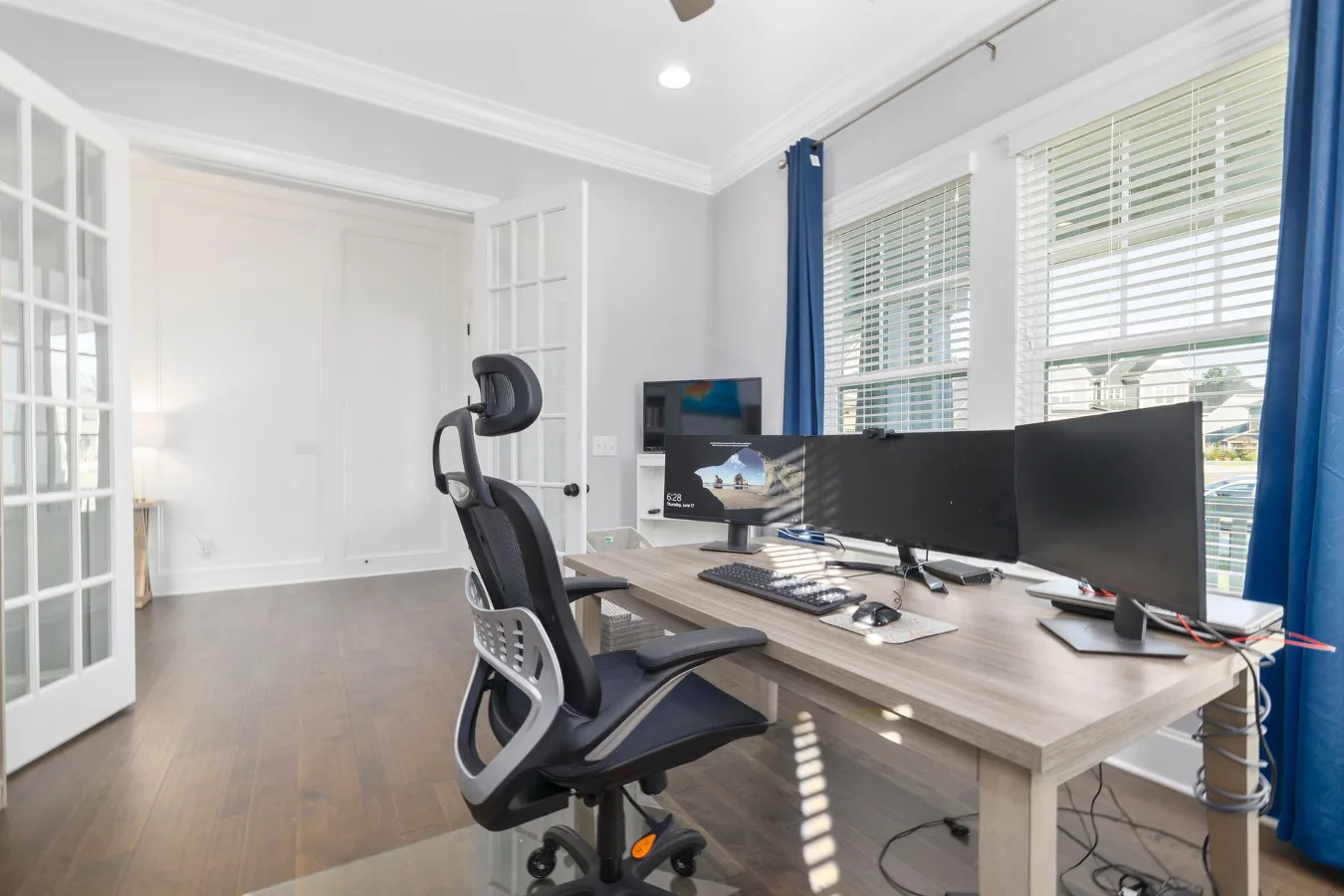
If you are considering a Colamy ergonomic mesh office chair, the main question is not just whether it looks comfortable. It is whether the chair gives you the right mix of support, airflow, and adjustability for your body and workspace. That matters more than any single feature. colamy ergonomic chair offers more detail on this point.
Mesh office chairs are popular because they tend to feel cooler than fully upholstered models, and ergonomic designs can help reduce the strain that builds up during long desk sessions. But comfort is personal. A chair can be well made and still be a poor fit if the seat depth, armrest height, or lumbar support does not match how you sit. how to choose the right office chair fit offers more detail on this point.
This guide focuses on the practical side of choosing a Colamy ergonomic mesh office chair: what to check, what trade-offs to expect, and how to tell whether this style of chair fits your needs better than alternatives.
Why this chair style appeals to so many buyers
A mesh ergonomic office chair usually aims to solve three common problems at once: heat buildup, poor posture, and stiffness from sitting too long. The mesh back allows more airflow than thick foam upholstery, while the ergonomic shape is meant to support the spine and encourage a more neutral sitting position.
That combination makes this type of chair especially appealing for home offices, compact workspaces, and users who spend long stretches at a desk but do not want a heavy executive chair. It can also be a practical choice if your room tends to run warm.
Still, mesh is not automatically more comfortable for everyone. Some people prefer a softer seat cushion, more padded armrests, or a chair that feels more substantial. Others like the firmer, more structured feel of mesh because it helps them stay in position without sinking too deeply into the seat.
Key comfort factors to evaluate first
If you are shopping for a Colamy ergonomic mesh office chair, start with the factors that affect daily comfort most. These are the details that determine whether a chair feels good for one hour or for a full workday. hbada p5 ergonomic office chair with footrest offers more detail on this point.
Back support and lumbar shape
Lumbar support is one of the most important elements in any ergonomic chair. The goal is to support the lower back’s natural curve without forcing your spine into an uncomfortable position.
Some chairs use a fixed lumbar shape, while others offer adjustable lumbar height or depth. Adjustable support is usually more adaptable, especially if multiple people use the same chair or if you are not sure what shape works best for you. A fixed curve can still be comfortable, but only if it matches your body well.
A common misconception is that more aggressive lumbar support is always better. In reality, too much pressure can become distracting, especially during long periods of seated work. A good chair should support without creating a hard point in your lower back.
Seat comfort and seat depth
The seat is where comfort problems often begin. If the seat is too short, your thighs may not feel supported. If it is too deep, the front edge can press behind your knees or make it hard to sit with your back against the backrest.
Seat depth matters just as much as cushion feel. Even a well-padded chair can become uncomfortable if the proportions are wrong for your body. If you are shorter or taller than average, this is one of the first fit checks to make.
Also pay attention to how the seat edge is shaped. A smoother front edge can reduce pressure on the legs during longer sessions.
Adjustability for real-world use
Ergonomic chairs are most useful when they can adapt to your desk, your height, and your sitting habits. Useful adjustments often include seat height, armrest height, recline tension, tilt lock, and sometimes lumbar positioning.
The key question is not how many adjustments the chair has, but whether those adjustments solve everyday problems. For example, armrests that go high enough to support your elbows at desk height can reduce shoulder tension. A chair with recline control can help if you alternate between typing, reading, and calls.
One overlooked nuance: adjustability only helps if the controls are easy to use. If changing settings feels awkward, you are less likely to fine-tune the chair after the first day, and that can reduce long-term comfort.
Breathability and temperature comfort
Mesh backs are often chosen for airflow, and that is a real advantage if you sit for long periods or live in a warmer climate. Better ventilation can make a noticeable difference compared with fully upholstered chairs, especially in rooms without strong cooling.
That said, breathability is only one part of comfort. A chair can feel cooler but still be uncomfortable if the seat is too firm or the lumbar support is poorly positioned. Breathability should be seen as a comfort advantage, not a substitute for fit.
Where a Colamy ergonomic mesh office chair can fit well
This type of chair is usually a strong match for people who want a practical office seat rather than a plush lounge-style chair. It tends to work well in these situations:
- home office setups where airflow matters
- shared workspaces that need a versatile chair
- desk jobs with alternating tasks, such as writing, email, and video calls
- smaller rooms where a lighter visual profile is helpful
- users who prefer a firmer, more structured feel
It may also be a sensible choice if you want something easier to keep tidy than fabric upholstery that can trap dust and crumbs. Mesh surfaces can still collect dust, but they are generally easier to visually inspect and maintain.
Limitations worth thinking about before buying
Every chair style has trade-offs, and mesh ergonomic chairs are no exception. Knowing those limits helps prevent disappointment later.
Not everyone likes the seat feel
Many mesh office chairs use a firmer seat base than padded executive chairs. That can be a benefit for posture, but some people find it less forgiving during long sitting sessions. If you prefer a softer landing, look closely at the seat design rather than assuming the mesh back alone will determine comfort.
Support depends on body fit
Ergonomic chairs are not universal solutions. A chair can be praised for support and still feel wrong if the seat height range, armrest spacing, or backrest shape does not suit your build. Fit is personal, and this is especially true for chairs with fixed components.
Mesh quality and tension matter
Mesh is not all the same. Some mesh feels more supportive and resilient, while other versions may feel looser or less substantial. You cannot judge mesh comfort by appearance alone. Tension, flexibility, and overall frame design all affect how the chair feels in use.
How to compare a Colamy ergonomic mesh office chair with alternatives
If you are deciding between a mesh ergonomic chair and another style, use your workspace needs as the filter.
| Chair type | Best for | Potential drawback |
|---|---|---|
| Ergonomic mesh chair | Airflow, everyday desk use, structured support | Can feel firmer than padded chairs |
| Upholstered task chair | People who want more cushion | May run warmer over long sessions |
| Executive-style chair | Those who want a softer, more traditional feel | Often bulkier and less breathable |
| Kneeling or specialty ergonomic chair | Specific posture preferences | May not suit all-day general work |
If your main priority is staying cool and getting reliable desk support, mesh is usually the more practical route. If your priority is softness and a lounge-like feel, a padded chair may be more comfortable, even if it is less breathable.
Buying guidance: what deserves the most attention
When evaluating a Colamy ergonomic mesh office chair, focus on the features that influence everyday use rather than the long list of marketing terms.
- Check the dimensions first. Seat height, seat depth, and backrest proportions should work for your body and desk.
- Look at the armrests. Fixed armrests can be fine, but adjustable ones usually offer better compatibility with different desk setups.
- Confirm lumbar adjustability. Adjustable support is useful if you want to tune comfort over time.
- Consider the recline range. A slight recline can help with reading and calls, while upright support matters more for typing.
- Think about the room environment. Mesh is especially helpful in warmer spaces or rooms with limited airflow.
A useful decision-making question is this: do you need a chair that feels soft immediately, or one that supports better over repeated work sessions? Those are not always the same thing.
Common mistakes people make with ergonomic chairs
Shoppers often focus on the backrest and overlook the rest of the chair. That can lead to avoidable discomfort.
- Buying for the label, not the fit. “Ergonomic” does not guarantee comfort for your body.
- Ignoring seat depth. This is one of the easiest ways to end up with a chair that feels awkward.
- Not adjusting the chair after setup. A few small changes can make a big difference.
- Assuming mesh equals comfort. Mesh improves airflow, but support still depends on design.
- Choosing style over use case. A chair that looks sleek may not be the best choice for eight hours of desk work.
Simple setup tips that improve comfort
Even a well-chosen chair can feel off if the setup is wrong. Before deciding a chair is not for you, make sure the basics are in place.
- Set the seat height so your feet rest comfortably on the floor or on a footrest.
- Keep your elbows near desk height so your shoulders do not shrug upward.
- Use the lumbar support to meet your lower back rather than forcing your body into the chair.
- Leave enough space between the front of the seat and the back of your knees.
- Adjust recline tension so leaning back feels supported, not loose or unstable.
These small adjustments matter because chair comfort is a system. The chair, desk height, monitor placement, and keyboard position all affect how the chair feels.
Who should seriously consider this chair type
A Colamy ergonomic mesh office chair is worth considering if you want a balanced office chair that prioritizes breathability, posture support, and everyday practicality. It is especially relevant if you work from home, spend a lot of time at a desk, or get uncomfortable in warmer seating.
It is less ideal if you want a deeply cushioned seat, a very plush executive look, or a chair that feels more like lounge furniture than task seating. The right choice depends less on the category and more on your comfort preferences and workspace habits.
FAQ
Is a mesh office chair comfortable for long hours?
It can be, but comfort depends on the seat shape, lumbar support, and how well the chair fits your body. Mesh improves airflow, while the overall design determines long-session comfort.
What should I prioritize first in an ergonomic chair?
Start with fit: seat height, seat depth, back support, and armrest position. A chair with many features is still uncomfortable if the dimensions do not match your body.
Are mesh chairs better than padded chairs?
Neither is universally better. Mesh chairs usually breathe better and feel more structured, while padded chairs often feel softer. The better choice depends on your preference and room temperature.
Can a mesh chair help with posture?
It can encourage better sitting habits if the lumbar support, recline, and seat height are set correctly. But posture also depends on desk setup, screen height, and how often you change position.
What is the most common mistake when buying this type of chair?
Choosing based on appearance or feature count instead of fit. Comfort comes from how the chair works with your body, not just from the fact that it is called ergonomic.
If you want a chair that feels cooler, supports a focused work posture, and fits a typical office routine, a Colamy ergonomic mesh office chair is the kind of option worth studying closely. The best results usually come from matching the chair to your body, your desk height, and the way you actually work.