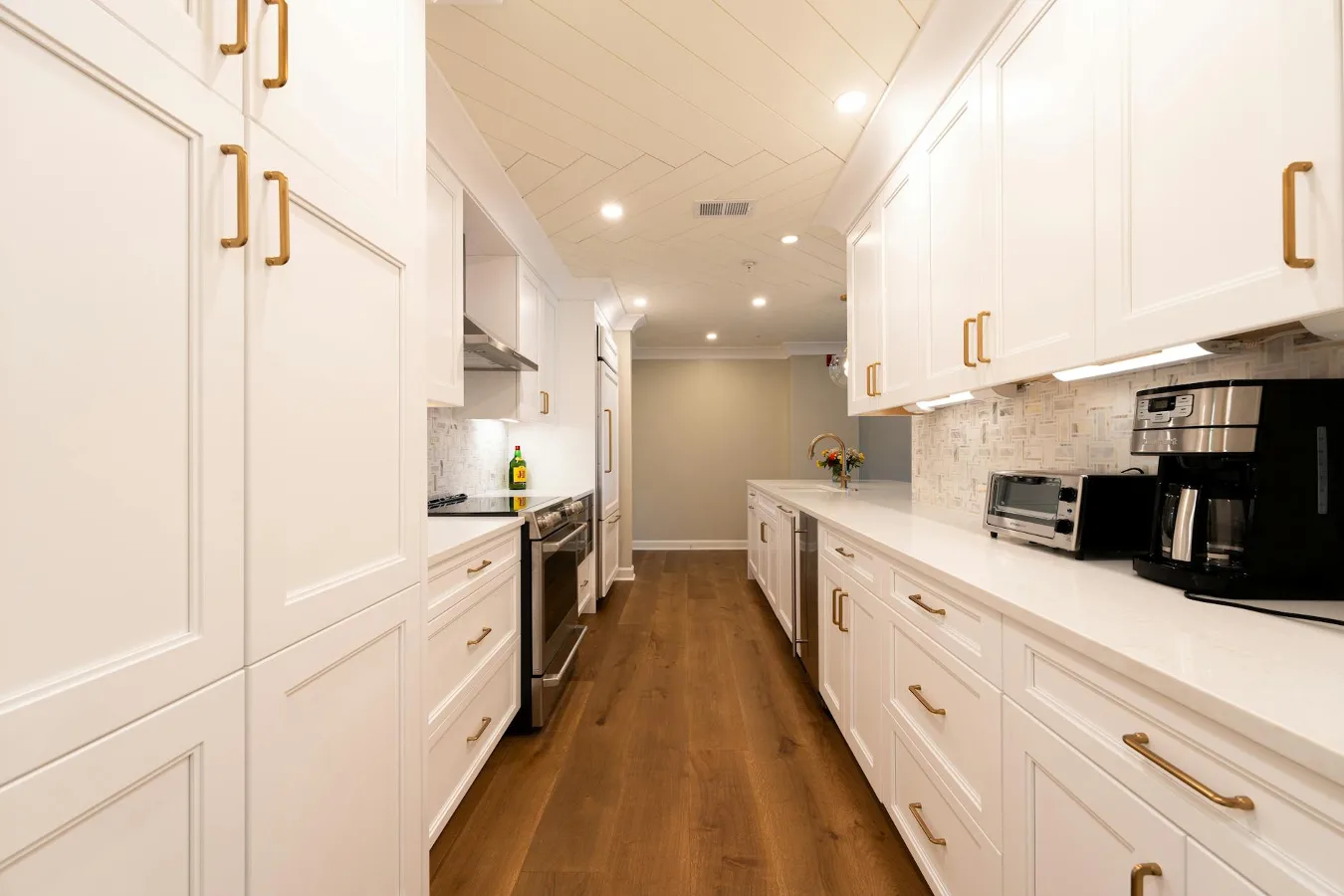
A built-in coffee maker is a permanently installed kitchen appliance that keeps your coffee setup integrated with the cabinetry rather than sitting on the counter. For many buyers, the appeal is equal parts convenience and design: one dedicated place for brewing, less counter clutter, and a more finished look in the kitchen. Wolf Coffee Maker: What Buyers Should Know offers more detail on this point.
Choosing one is less about finding the fanciest model and more about matching the appliance to your kitchen layout, water access, daily routine, and maintenance comfort. The best built-in coffee maker for one household may be a poor fit for another if it requires plumbing that is difficult to add, uses more space than expected, or offers features that go beyond what the household will actually use.
How to decide whether a built-in coffee maker is worth it
The first question is practical: will you use it often enough to justify the installation and the space it occupies? Built-in coffee makers tend to make the most sense in kitchens where coffee is part of the daily routine, where a clean built-in look matters, or where the homeowner wants a dedicated beverage area that feels closer to a planned appliance suite than a countertop collection. quest dehumidifier offers more detail on this point.
They are usually less compelling if you want flexibility. A countertop coffee maker can be replaced, moved, or upgraded with far less hassle. A built-in unit is more permanent, so the decision should account for long-term habits rather than a short-term preference.
Built-in coffee maker vs. countertop machine
The comparison is not only about appearance. The two categories solve different problems.
| Factor | Built-in coffee maker | Countertop coffee maker |
|---|---|---|
| Kitchen look | Blends into cabinetry for a streamlined finish | More visible and utilitarian |
| Space use | Preserves counter space once installed | Uses valuable counter surface |
| Installation | Often requires cabinet planning and sometimes plumbing | Simple plug-in setup |
| Flexibility | Low; tied to the kitchen design | High; easy to move or replace |
| Maintenance access | Can be less convenient depending on the install | Usually easier to clean and service |
| Best for | Planned kitchens, frequent coffee drinkers, design-focused remodels | Renters, budget-conscious buyers, people who want easy changes |
A common misconception is that built-in always means better coffee. The brew quality depends on the machine’s brewing system, grinder integration if included, temperature control, and the coffee you use. Built-in status mainly changes the installation and user experience, not the beverage itself.
Key features to compare before buying
Installation and cabinet fit
Start with dimensions, cabinet cutout requirements, and clearances. A built-in coffee maker has to fit the space precisely, including room for opening doors, extending trays, and reaching water reservoirs or service panels. This is where many first-time buyers run into problems: the appliance looks ideal online, but the surrounding cabinetry does not support it without modification.
Measure the available opening carefully and confirm whether the model is designed for flush installation, semi-integrated placement, or a standard built-in niche. If you are renovating, it is usually easier to plan the appliance around the cabinetry than to force the cabinetry around the appliance later.
Water supply and plumbing needs
Some built-in coffee makers are plumbed directly to a water line, while others use a refillable reservoir. A plumbed model can be more convenient for frequent use because it removes the need to refill water repeatedly, but it also introduces installation considerations and may limit placement.
If your kitchen layout makes plumbing complicated, a reservoir model may be the more realistic option. That trade-off matters more than many buyers expect. A direct water connection is convenient only if the installation is straightforward and the maintenance access remains manageable.
Beverage options and brewing style
Built-in coffee makers vary widely. Some focus on straightforward drip-style brewing, while others add espresso, hot water dispensing, milk frothing, or programmable beverage presets. If your household only drinks standard coffee, a simpler machine may be the better fit. If different people want espresso drinks, americanos, or specialty beverages, the extra functionality may justify the larger appliance footprint.
More features are not automatically better. Each added function can mean more cleaning, more parts, and a steeper learning curve. Buyers who want convenience should pay attention to how many steps are actually involved in making a drink, not just the list of available modes.
Grinder integration and bean handling
Some built-in systems include an integrated grinder, which can be a major convenience if you prefer whole beans. For buyers who care about freshness, that integration can simplify the routine and keep the coffee station tidy. However, grinder integration also means one more component to clean and maintain.
If you already own a separate grinder you like, or if you prefer using pre-ground coffee, a simpler built-in machine may be a better value. The goal is to avoid paying for a function that does not match how you brew.
Cleaning and maintenance access
Maintenance is one of the most overlooked considerations in this category. Built-in coffee makers still need descaling, drip tray emptying, brew group cleaning if applicable, and routine wiping around the unit. The question is whether those tasks are easy to perform in the installed location.
Look for models with accessible service panels, removable parts, and clear cleaning instructions. A machine that is easy to use but awkward to maintain can become frustrating over time, especially in a busy household where convenience is the entire point of the purchase.
Noise and daily convenience
Noise matters more in open-plan homes. Grinder noise, pump noise, and steaming sounds can all be noticeable if the kitchen is close to living or sleeping areas. If your household brews early in the morning, consider how sound travels through the space. A quieter machine is not always silent, but the difference can shape the overall ownership experience.
Who a built-in coffee maker suits best
Built-in coffee makers tend to suit buyers who value a permanent coffee station, want a coordinated kitchen design, and are comfortable with a more involved installation process. They are especially attractive in remodeled kitchens, higher-end home builds, and spaces where appliances are chosen as part of a broader design plan.
They are less suitable for renters, frequent movers, or buyers who prefer to experiment with different brewing methods over time. If your coffee habits change often, a countertop setup may offer better long-term flexibility.
Common mistakes to avoid
- Buying for appearance first. A sleek front panel does not help if the appliance is difficult to install or inconvenient to maintain.
- Ignoring cabinet and service clearances. A built-in unit needs more than just a visual fit; it needs room for ventilation, access, and everyday use.
- Overestimating how many beverage features you will use. Extra functions can add complexity without adding real value.
- Skipping the plumbing conversation. A plumbed model may require more planning than expected.
- Forgetting about cleaning access. If descaling or part removal is awkward, routine upkeep is more likely to be neglected.
- Choosing a model that is too large for the household. A feature-heavy machine can be excessive if only one or two drinks are used regularly.
Practical alternatives if built-in is not the right fit
If you want a polished coffee setup without the permanence of a built-in appliance, there are several sensible alternatives. A high-quality countertop espresso machine can offer strong beverage performance with much easier replacement and repair. A drip coffee maker paired with a built-in or under-cabinet beverage nook can create a similar sense of organization without cabinet modification.
Another option is a coffee station built from a tall pantry, appliance garage, or sideboard. This approach works well for homeowners who want a dedicated zone but do not want to commit to the cabinet depth, electrical planning, and service access that a built-in machine usually requires.
What to weigh before you commit
The best buying decision comes down to a few honest questions. Do you want a permanent installation? Is your kitchen already set up for the appliance? Will you use the extra beverage functions often enough to justify them? Can you maintain it comfortably over time? kitchen appliance buying guides offers more detail on this point.
If the answer to those questions is yes, a built-in coffee maker can be a strong upgrade for a kitchen that is meant to feel complete and highly functional. If the answers are mixed, a countertop machine or a more flexible coffee station may offer better value and less regret.
For buyers comparing options across the appliances category, the right approach is to match the machine to the room first, then to the brewing style, and only then to the feature list. That order helps prevent the most common mistake in this category: choosing a coffee maker that looks right but does not live right in the space you have.