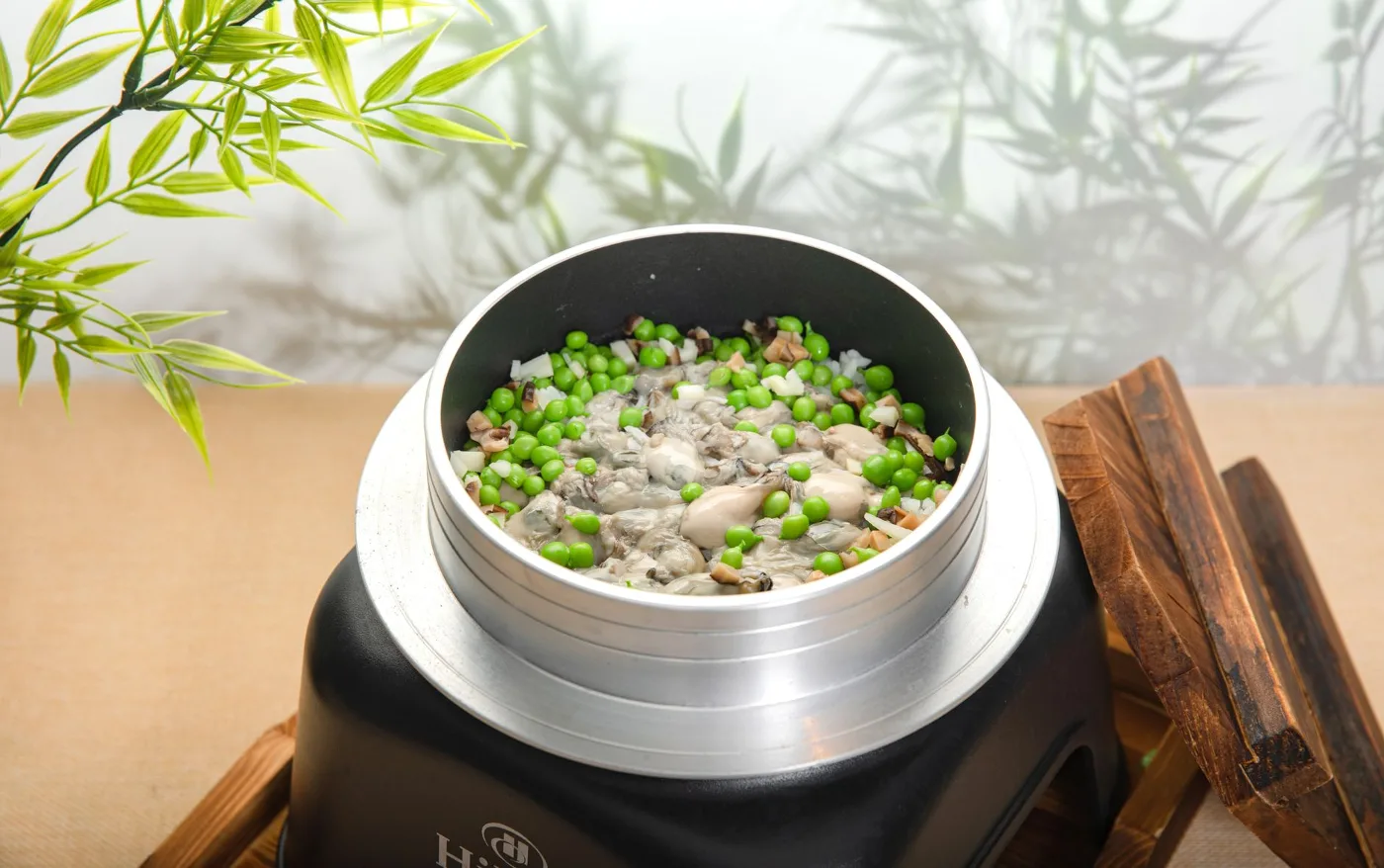
If you’re searching for a Buffalo rice cooker, you’re probably looking for a rice cooker from Buffalo that fits everyday cooking, not a generic appliance with a familiar name. The most useful way to shop is to focus on what the cooker actually offers: capacity, inner pot material, ease of cleaning, cooking settings, and whether the design suits the way you cook rice at home. best rice cookers for everyday use offers more detail on this point.
Buffalo rice cookers are often considered by buyers who want a practical appliance with a straightforward learning curve. That makes them a good fit for people who cook rice regularly, meal prep in batches, or want a dependable countertop cooker without unnecessary complexity. The key is matching the model to your household size and the kinds of grains you cook most often. Cuchen Rice Cooker Guide for U.S. Buyers offers more detail on this point.
What a Buffalo rice cooker is meant to solve
A rice cooker is less about novelty and more about consistency. If you make rice several times a week, even a modest improvement in texture, timing, and convenience can matter. A Buffalo rice cooker may appeal if you want a simple setup for white rice, mixed grains, brown rice, or steaming side dishes without hovering over a pot.
The real buying question is not whether a rice cooker is useful. It is whether this brand and model fit your cooking habits better than other options in the same category. For many shoppers, that comes down to a few practical concerns:
- How much rice you cook at once
- Whether you want basic one-touch operation or more control
- Whether the inner pot is easy to clean and handle
- Whether you need extra functions like steaming or slow cooking
- How much counter and storage space you have
Key factors to compare before buying
Capacity should match your real routine
Rice cooker capacity is one of the easiest things to get wrong. A model that is too small becomes frustrating during family meals or batch cooking. A model that is too large can feel bulky and inefficient if you usually cook only a small amount.
Think about your most common use case, not your occasional one. If you usually cook rice for one or two people, a compact model may be enough. If you often serve a household, entertain guests, or prep lunches for the week, a larger cooker may be more practical. Buyers sometimes overestimate how often they will need maximum capacity, which can lead to choosing a cooker that takes up more room than necessary.
Inner pot material affects cleanup and long-term use
Buffalo rice cookers are often discussed for their inner pot design, and that matters more than many shoppers expect. The inner pot influences how easy the cooker is to clean, how comfortable it is to lift, and how the pot holds up over time.
A nonstick inner pot can make cleanup simpler, especially for sticky rice or mixed grains. A stainless steel inner pot may appeal to buyers who prefer a more durable-feeling surface or want to avoid nonstick coatings. Neither option is automatically better; the right choice depends on how you cook and what you value more: convenience, durability, or a different maintenance routine. guide to stainless steel inner pots offers more detail on this point.
One overlooked consideration is utensil choice. If a cooker has a delicate inner coating, using metal tools can shorten its useful life. If you want less daily caution, the pot material deserves close attention.
Cooking settings should reflect the grains you actually eat
Many shoppers focus on brand name and miss the settings. That is a mistake. A cooker with the right capacity but the wrong settings may still feel limiting. If you mainly cook white rice, a basic setting may be enough. If you regularly make brown rice, sushi rice, jasmine rice, or mixed grains, it helps to choose a cooker that supports those patterns more naturally.
Some Buffalo rice cookers may include functions such as keep-warm, reheat, or steam. These are helpful if you want one appliance to handle more than plain rice. The practical question is whether you will use those features often enough to justify the extra cost or added complexity.
Ease of cleaning is part of the buying decision
People often think of rice cookers as low-maintenance, but that only stays true if the design is easy to clean. Look for removable parts, a lid design that does not trap moisture or starch excessively, and an inner pot that is straightforward to wash after dinner.
If you dislike fussy cleanup, prioritize a cooker with a simple layout over one that promises many functions you will rarely use. The more parts and accessories a cooker has, the more time you may spend washing, drying, and storing them.
Control style affects convenience
Buffalo rice cookers may appeal to buyers who want simple operation rather than a crowded control panel. That said, “simple” can mean different things. Some users want a single switch and a light indicator. Others want clearly labeled settings and a better sense of what the cooker is doing.
If you cook rice daily, a clean control layout can make the appliance feel easier to live with. If you only cook rice occasionally, a more basic interface may be preferable because it reduces the chance of selecting the wrong mode by accident.
Practical ways to decide if a Buffalo rice cooker is right for you
Choose based on household size, not just brand preference
For singles and couples, a smaller rice cooker often makes more sense than a large one. It heats more efficiently for modest portions and usually stores more easily. For families, roommates, and meal preppers, a larger cooker can reduce repeat batches and make dinner prep less hectic.
If you frequently cook both rice and side dishes, consider whether you want a cooker that includes a steaming tray or enough internal room to handle larger portions without overflowing. Those details matter more in real use than a general promise of versatility.
Match the cooker to your rice habits
Not everyone cooks the same kinds of rice. White rice is the simplest use case. Brown rice takes a different approach and often benefits from a cooker with a setting intended for it. Sushi rice, jasmine rice, and mixed grains can also behave differently, especially if you care about texture.
A common misconception is that any rice cooker will handle every grain equally well. In practice, a basic cooker may still be fine for many households, but buyers who want more consistent results across multiple grain types should compare settings more carefully.
Consider counter space and storage before you buy
Small appliances are easy to buy and annoying to store. If your kitchen is already crowded, check whether the cooker’s footprint and lid clearance fit your counter setup. Also think about where accessories will go when the appliance is not in use.
Storage is an overlooked constraint because it affects how often you actually use the appliance. A cooker that is easy to tuck away may get used more often than a feature-rich model that lives too far back in a cabinet.
Think about long-term maintenance, not just first use
A rice cooker may seem simple at purchase time, but maintenance determines how pleasant it is to own. Removable parts, a durable inner pot, and a body that wipes down easily all contribute to long-term satisfaction. A model that is slightly less flashy but easier to care for can be the better value over time.
Look closely at what the cooker requires after each use. If daily cleanup feels burdensome, even a good appliance can become an appliance you avoid. That is why practical maintenance is not a minor detail; it is part of the buying decision.
Where Buffalo rice cookers may fit best
A Buffalo rice cooker can make sense for buyers who want a dependable rice-first appliance rather than a highly specialized multi-cooker. It is especially relevant if you value clear operation, everyday convenience, and a design that fits standard home cooking routines in the U.S.
It may be a strong match for:
- Home cooks who make rice several times a week
- People who want a straightforward appliance with a low learning curve
- Meal preppers who cook larger batches in advance
- Households that want a compact countertop option
- Buyers comparing rice cookers with basic steam functions
It may be less appealing if you want a highly programmable multi-cooker that replaces several appliances at once. Some shoppers need a pressure cooker, slow cooker, and rice cooker in one unit. Others are better served by a focused appliance that does one job well and stays easy to live with.
Buffalo rice cooker trade-offs to keep in mind
Every rice cooker involves trade-offs. Simplicity often means fewer advanced options. A more durable-feeling pot can require more careful handling if it uses a coating. A compact model saves space but may not be ideal for leftovers or larger meals. A larger model adds flexibility but can be more cumbersome day to day.
Before buying, ask yourself which trade-off matters least. That one question can narrow the field faster than comparing every spec on the page.
- If convenience matters most: focus on ease of cleaning and a simple control layout.
- If you cook multiple grains: prioritize settings and consistent results across rice types.
- If durability matters most: compare inner pot material and how the cooker is built to handle regular use.
- If space is tight: choose a compact size that you will actually leave accessible.
Common mistakes to avoid
One common mistake is buying based on capacity alone. A larger cooker is not automatically better if you rarely fill it. Another is assuming every rice cooker does the same job equally well. Feature sets, settings, and pot materials can change the experience significantly.
It is also easy to ignore cleanup until after purchase. If the pot, lid, or steam path is awkward to wash, that inconvenience quickly becomes part of the ownership experience. And while extra functions can be appealing, they are not always worth paying for if you only want rice and a simple keep-warm mode.
How to narrow your choice without overthinking it
If you want a Buffalo rice cooker but do not want to get lost in feature lists, use this practical order of priority:
- Pick the size that fits your usual meal count.
- Choose the pot material you are most comfortable maintaining.
- Confirm the settings match the rice and grains you actually cook.
- Check that cleanup and storage will not become annoying.
- Only then compare extras like steaming trays or advanced presets.
That approach keeps the decision grounded in daily use rather than marketing language. It also helps you avoid paying for features that sound useful but rarely leave the box.
Who should consider an alternative
If you want very precise grain control, you may prefer a more advanced rice cooker with dedicated modes and finer adjustments. If you mostly cook soups, stews, and one-pot meals, a multi-cooker may be more practical. And if rice is only an occasional side dish, a simple stovetop method might be enough.
The right choice depends on how central rice is to your kitchen routine. A Buffalo rice cooker is easiest to justify when rice is a regular part of your meals and you want a reliable appliance that makes that routine simpler.
For many buyers, the best result comes from choosing the most uncomplicated model that still covers the grains, portions, and cleanup routine you actually need. That is usually where a rice cooker earns its place on the counter.