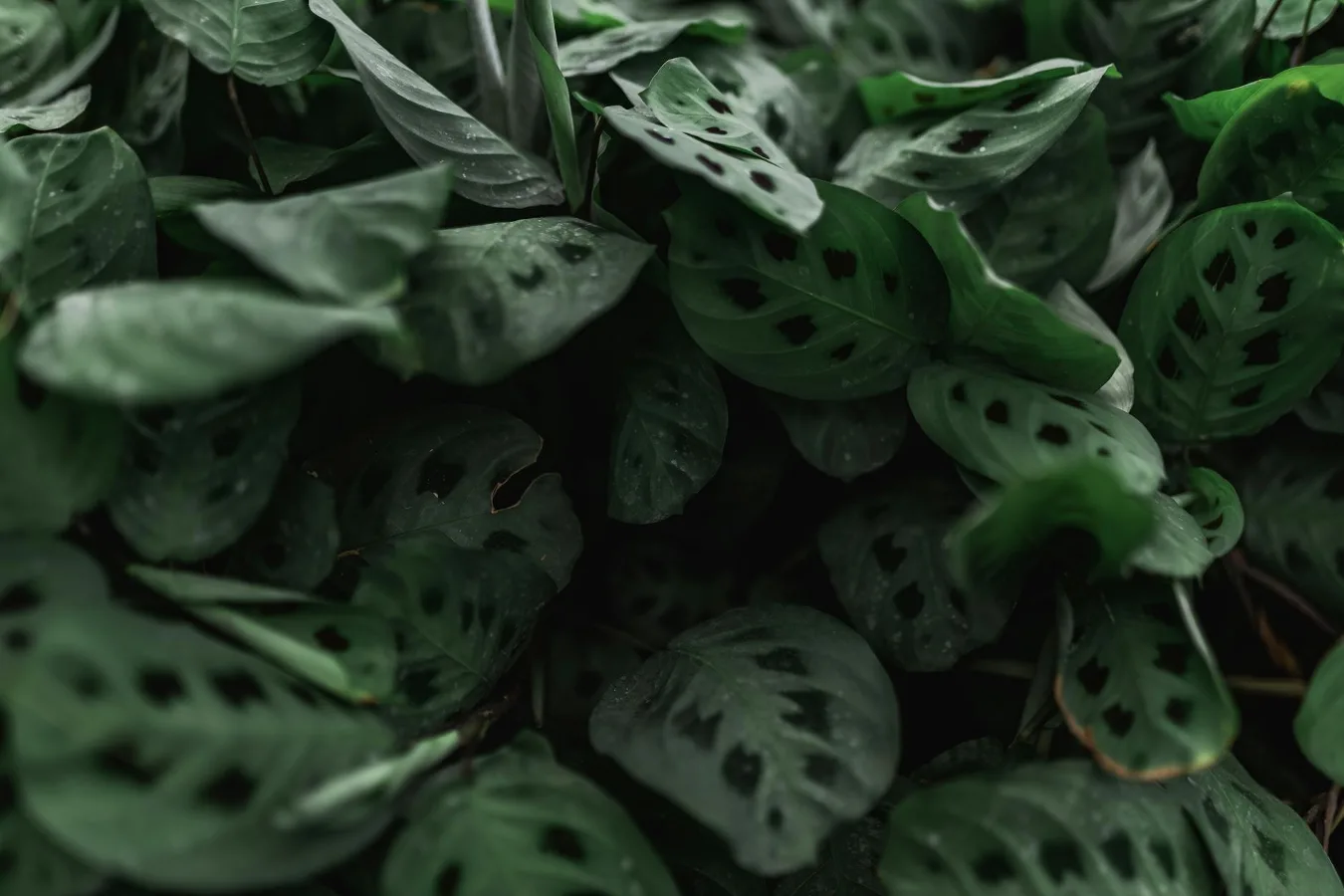
What a Calathea Needs from a Humidifier
If you are buying a humidifier for calathea, the main goal is steady moisture in the air, not just a burst of dampness. Calatheas are often treated as humidity-loving houseplants because dry indoor air can contribute to curled edges, crispy tips, and leaves that look tired or stressed. A good humidifier helps, but only if it suits the room, runs consistently, and is easy enough to maintain that you will actually keep using it. best humidity levels for houseplants offers more detail on this point.
The best choice is usually a humidifier that can run quietly in the same space as the plant, produce a fine cool mist, and be easy to clean. For most plant owners, the right model is less about special plant settings and more about practical fit: room size, output control, maintenance, and placement.
When a Humidifier Matters Most
A humidifier becomes especially useful during heating season, in dry climates, or in rooms with strong air conditioning. Calathea can also struggle in spots with drafts, near vents, or close to windows that get very dry at night. In those settings, adding humidity can make the plant environment more stable.
There are also situations where a humidifier may not be the first thing to fix. If a calathea is losing leaves, yellowing, or looking weak, humidity is only one possible factor. Watering habits, pot drainage, light intensity, root health, and temperature swings can all affect the plant. A humidifier helps most when dry air is clearly part of the problem, not as a substitute for basic care. how to care for calathea indoors offers more detail on this point.
Step-by-Step Criteria for Choosing the Right Model
1. Match the humidifier to the room, not just the plant
One of the most common mistakes is buying a tiny tabletop unit for a space that is too large. A plant may sit near the mist, but the room air around it can still remain dry. On the other hand, an oversized humidifier in a small room can create excess moisture or make surfaces damp.
Think about where the calathea lives: a bedroom, office, living room, or plant shelf. The room size and air circulation matter more than brand claims or decorative design. If the plant stays in one corner, a moderate-output humidifier placed nearby may be enough. If it shares space with other moisture-loving plants, a larger or more adjustable unit may make more sense.
2. Choose cool mist for indoor plant use
For a calathea, cool mist is usually the practical choice. It raises humidity without adding heat, which is easier to manage around houseplants and in typical indoor environments. Warm mist units may be less useful for plant placement and can be harder to position safely around leaves, furniture, and shelves. indoor plant environment guide offers more detail on this point.
Ultrasonic and evaporative humidifiers are both common options. Ultrasonic models are often quiet and compact, while evaporative models may be better at self-regulating in some spaces. The better option depends on whether you value low noise, lower mist visibility, or less chance of over-humidifying a small area.
3. Prioritize easy cleaning over extra features
For plant care, a humidifier that is difficult to clean is usually a poor long-term choice. Standing water and mineral buildup can become a problem over time, especially in units that sit unused for days. A top-fill design, simple tank shape, and removable parts can make routine cleaning much easier.
Extra settings are nice, but cleaning access matters more. If a model has a complicated water tank or narrow openings, it is more likely to be neglected. A humidifier that is easy to maintain is also easier to keep running consistently, which is what calathea benefits from most.
4. Look for quiet operation if it will run near living spaces
Many people place plant humidifiers in bedrooms, offices, or shared spaces. In those rooms, noise level becomes a real decision factor. A quiet unit is easier to leave on for longer periods, which can help keep humidity steadier around the plant.
This is especially relevant if the humidifier needs to run overnight or during work hours. Loud fan noise, frequent cycling, or a constant mechanical hum can make a unit annoying enough that it gets turned off. For a calathea, consistency is more useful than a powerful device that is too disruptive to use.
5. Consider mist direction and placement
Direct misting onto leaves is not the same thing as raising ambient humidity. In fact, placing mist too close to foliage can leave water spots or keep leaves damp for too long. Calathea generally does better with humidity in the air around it rather than a stream aimed directly at the plant.
Look for a humidifier that can be placed a few feet away and aimed into open air. If the model has an adjustable nozzle, that helps you direct mist upward or away from nearby surfaces. The practical goal is a more comfortable microclimate, not wet leaves.
What Features Are Worth Paying Attention To
- Adjustable output: Helpful for dialing in humidity without overdoing it in a small room.
- Quiet performance: Important for bedrooms, offices, and long runtime.
- Top-fill tank: Usually easier to refill and less awkward to handle.
- Simple cleaning design: Makes upkeep realistic over time.
- Auto shutoff: Useful when the tank runs dry.
- Compact footprint: Better for plant stands, shelves, and small rooms.
- Directional nozzle: Helps place mist where it can disperse naturally.
Some shoppers focus on smart features, lights, or decorative styling. Those can be nice, but they do not matter as much as stable output and easy maintenance. A calathea does not need a complicated appliance. It needs a humidifier that fits daily life.
Trade-Offs to Keep in Mind
A powerful humidifier can help in dry homes, but it also requires more oversight. If the room is small, high output can lead to condensation or a damp feeling. That is not ideal for furniture, walls, or other electronics. More mist is not automatically better.
Smaller humidifiers are easier to place and often cheaper to run, but they may not be enough for larger rooms or very dry climates. Quiet units are convenient, yet some of the quietest models trade away output speed. Easy-to-clean designs may be less feature-rich. These trade-offs are normal, and the right choice depends on whether you are solving for noise, coverage, or convenience.
Examples of Good Fits by Use Case
For a desk or plant shelf
A compact ultrasonic humidifier is often a sensible pick if the calathea sits near your desk or on a shelf in a small room. The key is not just size, but whether the mist can disperse without wetting nearby surfaces.
For a bedroom plant
Quiet operation matters most here. A low-noise cool-mist unit with auto shutoff and simple controls can work well because it is easy to run nightly without becoming a nuisance.
For a room with several humidity-loving plants
If you keep multiple calatheas, prayer plants, or other tropical houseplants together, a larger humidifier with adjustable output may be more practical. The advantage is more stable ambient humidity; the downside is more maintenance and a greater need to monitor condensation.
For a beginner
A straightforward model with one or two settings is usually better than a complex machine. Beginners often do better with a humidifier that is easy to refill, easy to clean, and easy to remember. Simplicity reduces the odds of giving up on it.
Common Mistakes When Buying for Calathea
- Assuming mist near the plant is enough: Air humidity around the whole plant matters more than a visible cloud of mist.
- Buying for aesthetics alone: A pretty design is less useful than reliable output and easy upkeep.
- Ignoring maintenance: If cleaning is inconvenient, the humidifier is less likely to stay in use.
- Using a model that is too large: Oversizing can create damp surfaces and an uncomfortable room.
- Placing it too close to leaves: Wet foliage is not the goal and can create other issues.
- Expecting it to solve every plant problem: Light, watering, and drainage still matter.
Practical Alternatives If You Do Not Want a Humidifier
A humidifier is often the most direct solution, but it is not the only one. Some plant owners prefer lower-maintenance approaches or need a stopgap solution while they decide what to buy.
- Grouping plants together: Helps create a slightly more humid microclimate around foliage.
- Using a pebble tray: Can add a modest humidity boost near the plant, though results are limited.
- Moving the plant away from vents: Reduces exposure to dry air and drafts.
- Choosing a more sheltered room: A bathroom or kitchen may naturally hold more moisture than a heated living room.
These alternatives can help, but they are usually less consistent than a humidifier. A pebble tray may support the immediate area, yet it will not change the room the way a humidifier can. That is the main difference: a humidifier acts on the environment, while the alternatives only nudge it.
Checklist Before You Buy
- Does the humidifier suit the room size where the calathea lives?
- Is it cool mist rather than warm mist?
- Can it run quietly enough for daily use?
- Is the tank easy to fill and clean?
- Can you adjust output instead of relying on one fixed setting?
- Will the mist disperse into the room without soaking the plant?
- Is the footprint practical for your shelf, floor, or nightstand?
- Will you realistically maintain it week after week?
If you can answer yes to most of these questions, you are probably looking at a better fit for calathea than a flashy model with features you will not use.
FAQ
What type of humidifier is best for calathea?
A quiet cool-mist humidifier is usually the most practical choice. The best model is one that matches your room size, is easy to clean, and can run consistently without creating excess moisture.
Should I place the humidifier right next to my calathea?
Not usually. It is better to let the mist disperse into the air around the plant rather than aiming it directly at the leaves. Too much direct mist can leave foliage damp.
Is a humidifier enough to fix curling calathea leaves?
Sometimes, but not always. Curling can be related to dry air, but it can also involve watering, temperature shifts, or light stress. A humidifier is one piece of the care setup.
Can I use a pebble tray instead of a humidifier?
You can try, especially if the dryness is mild, but a pebble tray usually has a smaller effect than a humidifier. It is more of a supporting tool than a full solution.
How do I know if the humidifier is helping?
Look for a more stable plant environment and fewer signs of dry-air stress over time. The plant should not be sitting in wet conditions, and the room should still feel comfortable for people and furniture.