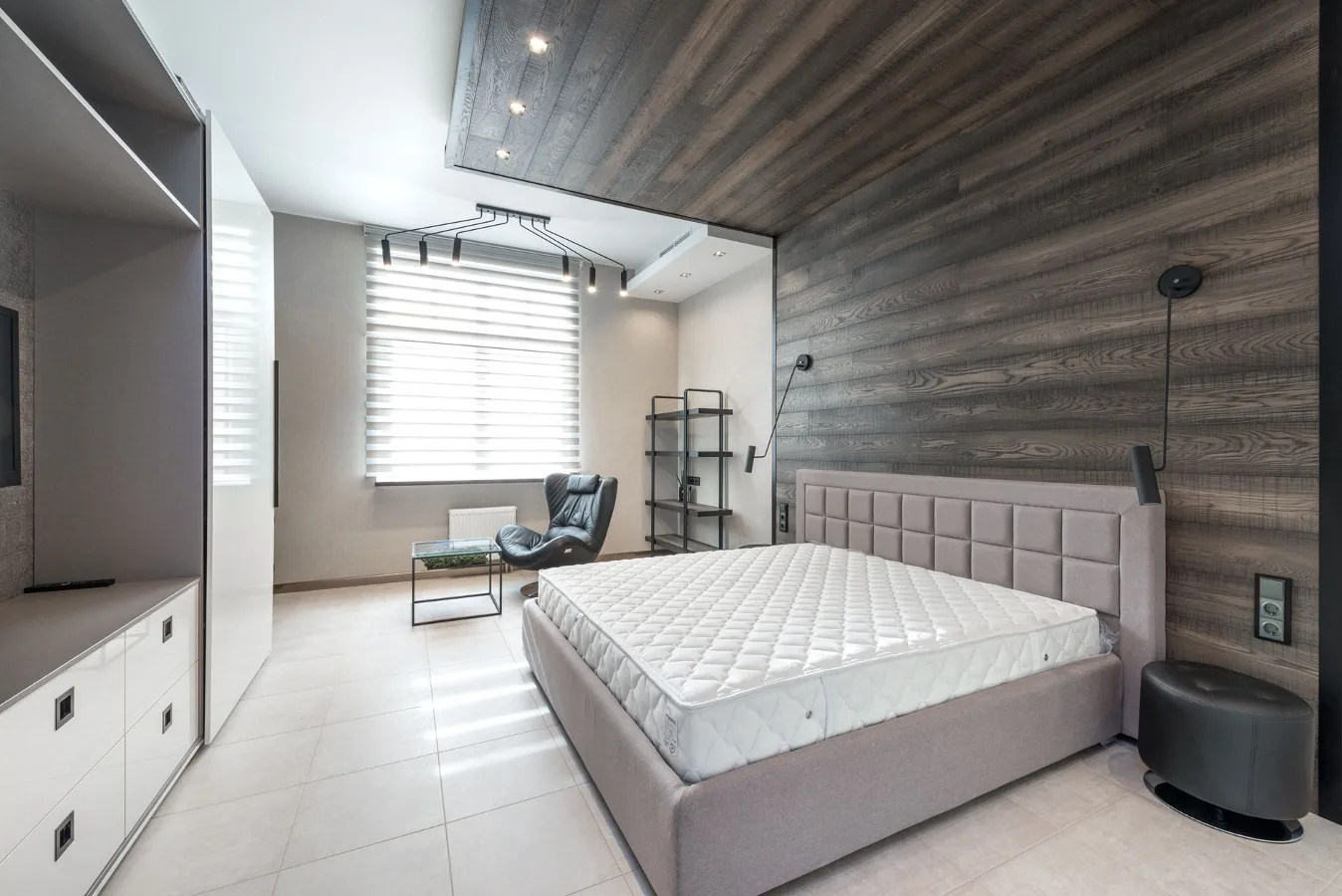
The Beautyrest Recharge mattress is best understood as a mattress line for shoppers who want to compare comfort, support, and feel rather than shop by a single feature. Depending on the model, it may lean more plush, more supportive, or more responsive, so the right choice usually comes down to sleep position, firmness preference, and what kind of bed setup you already have. what mattress support actually means offers more detail on this point.
If you are researching this collection for a new bedroom setup, start with one question: do you want a mattress that feels more contouring, more buoyant, or more balanced? That answer will matter more than the brand name alone. The Recharge line is worth looking at if you want a familiar mattress style with options that can suit different sleepers, but it is not a one-size-fits-all choice.
Quick answer: who the Beautyrest Recharge mattress is for
The Beautyrest Recharge mattress is generally a good category to explore if you want a mainstream mattress line with multiple comfort profiles. Shoppers often look at it for everyday bedroom use, guest rooms, or as a step up from an older mattress that no longer feels supportive enough.
In practical terms, this line tends to make sense for people who want to balance comfort and support without drifting into a very specialized mattress type. If you sleep on your side, back, or a mix of positions, the main task is to match the firmness level and construction to the way your body rests at night. A mattress that feels comfortable in a showroom may still feel too soft or too firm once it is paired with your frame, sheets, and sleep habits.
One overlooked point: a mattress line can share a name while still including different internal builds. That means the right comparison is not just Beautyrest Recharge versus another brand, but one Recharge model versus another Recharge model.
How to compare Beautyrest Recharge models
Since the Recharge name can cover more than one mattress feel, the most useful way to shop is by comparing a few practical dimensions rather than searching for a single “best” pick.
Firmness and sleep position
Firmness is the first filter most buyers should use. Side sleepers usually need more surface give to reduce pressure on the shoulders and hips. Back sleepers often do better with a more balanced feel that supports the lower back without creating a hard surface. Stomach sleepers typically need a firmer feel to help keep the hips from sinking too far.
If you change positions through the night, aim for a middle-ground feel unless you know you strongly prefer softer or firmer surfaces. A mattress that is too soft can create a sunk-in feeling that may be comfortable at first but less supportive over time. A mattress that is too firm can feel stable, but it may leave pressure points behind.
Support and alignment
Support is not the same as firmness. A mattress can feel soft on top while still helping maintain a more neutral sleep posture underneath. That distinction matters because many shoppers focus only on how cushioned a bed feels in the first minute.
Look for a model that supports your spine in a neutral position when you lie down in your usual sleep pose. If you wake with stiffness in the lower back, shoulders, or neck, the issue may be the match between body type, sleep style, and mattress feel rather than the brand itself.
Motion transfer and partner sleep
If you share a bed, motion control becomes more important. Traditional innerspring-style beds can feel more responsive, which some people like, but that responsiveness may also let movement travel more easily across the surface. Hybrid or layered designs may help soften that effect, depending on the build.
This is one reason shoppers should avoid choosing only by name or by whether a mattress feels “luxurious” on first sit. A bed that feels lively and supportive can still be less ideal if one partner wakes easily.
Edge support and usable surface
Edge support matters if you sit on the side of the bed, sleep near the perimeter, or share a smaller mattress. Better edge support can make the bed feel more usable from corner to corner. It can also help when getting in and out of bed, especially in rooms with limited space where the mattress sees frequent use from one side.
For buyers comparing several Recharge models, edge support is worth checking alongside the top comfort layer. A mattress can feel pleasant in the center and still feel less secure around the edges.
Heat and airflow
Temperature preference should not be overlooked. Some sleepers want a more breathable mattress feel, especially in warmer climates or rooms that do not hold air conditioning well. Others simply prefer the open, springy feel that some mattress constructions provide.
Do not assume that one brand name guarantees cooling. Instead, look at the mattress build, layer materials, and cover details when deciding whether a model may sleep warmer or cooler for you.
Where the Beautyrest Recharge mattress fits in a bedroom setup
Bedroom buyers often think about mattress comfort first, but the surrounding setup affects how the bed performs. Frame type, foundation support, room size, and bed height can all change the experience.
If your room is compact, a mattress with strong edge use may feel more practical because the usable sleep surface matters more. If you use an adjustable base, check compatibility carefully. Some mattresses are better suited to flexing bases than others, and that detail can affect long-term comfort and wear. Sleepmor Mattresses: A Practical Buying Guide offers more detail on this point.
Another useful consideration is bedding. A very plush mattress may feel more restrained under heavy bedding, while a more responsive bed may feel more noticeable through thin sheets. The same mattress can feel different once it is fully set up in a real room.
Common mistakes to avoid
Many mattress shopping problems come from skipping the comparison step and focusing on only one feature. With a Beautyrest Recharge mattress, these are the mistakes that most often lead to regret:
- Choosing by brand alone instead of comparing the actual feel and build of the model.
- Ignoring sleep position and buying a firmness level that does not match how you rest.
- Confusing softness with support; a bed can feel plush without being well aligned for your body.
- Overlooking partner needs such as motion transfer, especially in a shared bed.
- Skipping frame compatibility checks if you plan to use an adjustable base or an older foundation.
- Assuming all mattress lines sleep the same even when they share a family name.
One practical nuance that gets missed often: a mattress may feel right for a five-minute showroom test but still be wrong for a full night if you tend to sleep in one position for long stretches. Short testing can reveal surface feel, but it cannot fully predict pressure buildup or morning stiffness.
How to decide if it is the right match
The best way to evaluate a Beautyrest Recharge mattress is to match it to your everyday routine. Use the questions below as a simple filter:
- Do you want a softer, medium, or firmer feel?
- Do you sleep mostly on your side, back, stomach, or a mix?
- Do you share the bed with a partner or pet?
- Do you prefer a more responsive surface or a more contouring one?
- Will the mattress sit on a standard frame, platform bed, or adjustable base?
- Do you need stronger edge support for sitting or sleeping near the side?
If your answers point in different directions, prioritize the most important issue first. For example, a person who primarily needs pressure relief should not choose a firmer option just because it sounds more durable. Likewise, someone who wants easier movement in bed may not enjoy a very contouring feel.
Alternatives worth considering
If the Beautyrest Recharge mattress does not line up with your needs, there are still several practical paths to consider. The best alternative depends on what you are trying to improve.
- For more pressure relief: look at softer hybrid or foam-forward mattresses that reduce shoulder and hip pressure.
- For more bounce and easier movement: compare traditional innerspring or responsive hybrid options.
- For better motion isolation: consider mattresses with more foam comfort layers or designs specifically built to reduce transfer.
- For adjustable bases: focus on models that clearly support flexing foundations.
- For budget-conscious shopping: compare value-driven mattress lines that offer a simpler construction with the firmness level you want.
Alternatives are not just for lower price. Sometimes a different mattress type is the better answer because it solves the actual problem more directly.
Maintenance and care basics
Any mattress lasts longer and performs more consistently when it is cared for properly. The exact care instructions depend on the specific model, but a few habits generally help.
- Use a supportive foundation that matches the mattress requirements.
- Rotate the mattress if the manufacturer recommends it.
- Protect it with a breathable mattress protector.
- Keep the room ventilated when possible to reduce trapped moisture.
- Follow cleaning directions carefully and avoid saturating the surface.
Care is especially important if the mattress will be used in a guest room, where periods of inactivity can make it easy to ignore routine maintenance. A mattress protector and a stable frame are simple ways to protect comfort and value over time.
Beautyrest Recharge mattress: quick comparison points
| What to compare | Why it matters | What to look for |
|---|---|---|
| Firmness | Affects comfort and body support | Match it to your sleep position and preference |
| Pressure relief | Helps reduce shoulder and hip strain | Important for side sleepers and sensitive joints |
| Motion isolation | Supports shared-bed comfort | Useful if a partner moves often |
| Edge support | Improves usable sleep surface | Helpful for smaller rooms and sitting on the bed |
| Base compatibility | Determines setup flexibility | Check if you use an adjustable base or special frame |
| Temperature feel | Impacts sleep comfort through the night | Consider room warmth and personal cooling preference |
Frequently asked questions
Is the Beautyrest Recharge mattress good for side sleepers?
It can be, but the specific model matters more than the line name. Side sleepers usually need enough pressure relief at the shoulders and hips, so a comfort level with some surface give is often the better fit.
Is it better for back sleepers or stomach sleepers?
Back sleepers often do well with a balanced feel, while stomach sleepers usually need more firmness to reduce excessive sinking at the hips. The right choice depends on how the mattress supports your spine in your normal sleeping position. how to choose the right mattress feel offers more detail on this point.
Does the Beautyrest Recharge mattress work for couples?
It can, especially if the model offers a balanced feel and enough motion control for your needs. Couples should pay attention to motion transfer, edge support, and whether both people prefer the same firmness level.
Can it be used on an adjustable base?
That depends on the specific model and manufacturer guidance. Always confirm compatibility before buying, since not every mattress line or build is equally suited to adjustable use.
What should I compare before buying?
Start with firmness, sleep position, motion transfer, edge support, and base compatibility. Those factors usually tell you more about day-to-day comfort than the product name alone.
If you are narrowing down bedroom mattress options, the Beautyrest Recharge mattress is worth considering as part of a broader comparison rather than as a standalone answer. The right pick is the one that fits your body, your sleep style, and the way your room is set up.