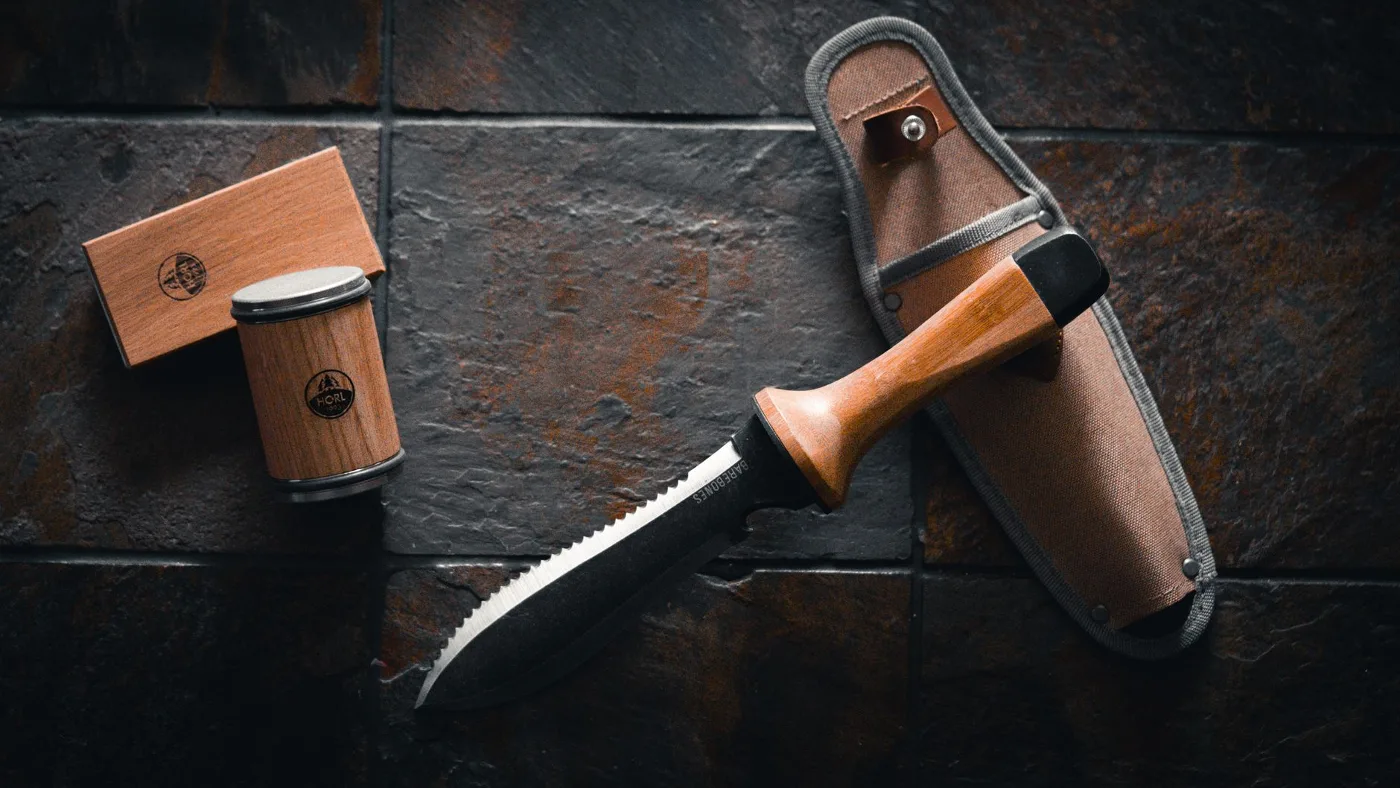
Garden tool handles matter more than many buyers expect. The handle affects comfort, leverage, control, durability, and whether a tool feels like a helpful extension of your arm or a nuisance after a short stretch of work.
If you are shopping for a replacement handle or comparing new tools, start with the job the tool needs to do. A handle for a shovel, rake, hoe, or fork should fit the task, the user, and the amount of force the tool will take. That means looking beyond the label and comparing material, length, grip, shape, and repairability. guide to shovel and rake care offers more detail on this point.
Quick answer: what should you choose?
For most gardeners, the best garden tool handle is the one that balances comfort, strength, and fit for the tool’s job. Wood handles are often preferred for a natural feel and easier replacement, fiberglass handles are valued for weather resistance and low maintenance, and metal handles can offer strength but may feel less forgiving in hand.
If you want the simplest buying approach, choose a handle that matches the original tool design, feels secure in your grip, and is appropriate for the forces the tool will handle. A lighter handle can reduce fatigue, but a handle that is too light or too flexible may feel unstable during digging, prying, or repeated strikes.
Compare the main handle materials
The material is usually the first decision worth making because it influences comfort, upkeep, and long-term value.
Wood handles
Wood remains a common choice for garden tools because it offers a familiar feel and a bit of natural flex. Many buyers like wood for hoes, rakes, shovels, and forks because it tends to be comfortable in the hand and can be replaced more easily on many tools. barebones garden tools offers more detail on this point. choosing the right garden tools offers more detail on this point.
Wood handles do have trade-offs. They can dry out, swell, crack, or wear faster if left in damp conditions or stored poorly. They may also need occasional care, such as cleaning and storage out of the weather. For buyers who want a traditional feel and a straightforward replacement path, wood is still a strong option.
Fiberglass handles
Fiberglass handles are often chosen for durability and resistance to moisture. They are a practical option for gardeners who leave tools in garages, sheds, or areas with fluctuating humidity, or for tools that get frequent use in rough conditions.
They are not automatically the best choice for everyone. Some users prefer the warmer, more natural feel of wood. Fiberglass can also vary widely in quality, so the handle should still feel solid, comfortable, and securely attached to the tool head. A smooth surface may be easy to clean, but it should still provide enough grip for safe control.
Metal handles
Metal handles are usually associated with strength and rigidity. They can work well where stiffness is important, but they may transmit more vibration and feel harsher during repetitive use. That matters for gardeners who spend long periods digging or lifting.
Because comfort is a real factor in garden work, metal is often less appealing for hand tools unless the design includes a grip that softens contact with the hand. For some applications, strength is the priority; for others, comfort and control matter more.
How to compare handles before you buy
A handle should not be chosen on material alone. The best choice depends on how the tool fits your body, your garden tasks, and the tool head it supports.
| What to compare | Why it matters | What to look for |
|---|---|---|
| Length | Affects leverage and posture | Longer handles can improve reach; shorter ones can improve control in tight spaces |
| Grip comfort | Affects fatigue and control | Look for a handle shape or surface that feels stable without feeling slippery |
| Material | Influences durability and maintenance | Wood for traditional feel, fiberglass for low upkeep, metal for stiffness |
| Compatibility | Determines whether the replacement will fit | Match the head style, shaft diameter, mounting method, and tool type |
| Weight | Impacts fatigue and balance | Choose a weight that feels controlled without making the tool tiring to use |
| Weather resistance | Influences lifespan outdoors | Consider how well the handle holds up in moisture, sun, and seasonal storage |
Fit and compatibility are often overlooked
A common mistake is assuming any replacement handle will work if it looks close enough. In reality, fit is one of the most important factors. A handle can be the right material and still be a poor choice if it does not match the tool head, the mounting point, or the shaft dimensions.
Before buying, compare the existing tool closely. Look at how the handle connects to the tool head, whether the attachment is bolted, wedged, or fixed another way, and whether the shape of the handle is meant for a specific motion. Some tools depend on a particular bend, curve, or grip position for proper use.
Length affects comfort more than many buyers expect
Handle length changes leverage and posture. A longer handle can reduce bending and improve reach, which is useful for shovels, rakes, and other tools used over a broader area. A shorter handle may offer better control for close work or smaller garden spaces.
The wrong length can create awkward body mechanics. Too short, and you may crouch more than necessary. Too long, and the tool can feel clumsy or difficult to maneuver. If possible, compare the handle to the motion you actually use most often, not just to the size of the tool head.
Grip shape can matter as much as material
Some handles are round, some are contoured, and some include a wider grip section or a built-in shape intended to reduce strain. That design choice can be useful, but only if it suits your hand size and your work style.
A grip that feels secure during short use may feel different after a longer session. Buyers with hand fatigue, arthritis, or reduced grip strength may find that a more shaped or cushioned grip improves control. Others may prefer a simpler shaft that allows flexible hand placement.
What to choose based on the tool
Not every garden tool needs the same handle characteristics. The best choice depends on the job the tool performs.
Shovels and spades
For digging tools, strength and leverage matter most. A handle should feel stable under load and comfortable enough for repeated pushing and lifting. Many buyers prefer a handle that balances stiffness with enough give to avoid feeling overly harsh.
Replacement compatibility is especially important here because shovel and spade handles often need to match the tool head and connection style closely. If the handle is too flexible or poorly matched, the tool can feel unstable when digging into compacted soil.
Rakes
Rakes usually benefit from lighter handles because sweeping motions are repetitive. A handle that feels too heavy can increase fatigue during leaf cleanup or soil leveling. Reach also matters, especially for broader garden beds or larger yards.
For rakes, comfort and balance often matter more than maximum rigidity. A handle that feels easy to guide can make a bigger difference than one that simply looks sturdy.
Hoes and cultivators
These tools often need a handle that supports controlled swinging or pulling motions. Grip security matters because repeated movement can make a smooth handle feel slippery. In many cases, the best option is one that reduces hand strain without making the tool feel bulky or awkward.
Gardeners who use hoes for extended periods may also want to pay attention to handle length, since posture and wrist position affect comfort over time.
Forks and heavy-duty digging tools
Forks place more demand on the handle because they are used to lift, pry, or break up dense material. A stronger handle is usually the better choice, but strength should not come at the expense of control. If the handle is too rigid and unforgiving, repeated use may feel harder on the hands.
Maintenance and lifespan: a practical trade-off
Longer-lasting handles are not always the easiest to live with, and low-maintenance handles are not always the most comfortable. That trade-off matters for buyers trying to choose between wood, fiberglass, and metal.
Wood may need the most care, but it is often easy to inspect and replace. Fiberglass typically asks for less routine attention, which appeals to gardeners who prefer a cleaner, more weather-resistant option. Metal may hold up well in some conditions but can feel less pleasant over time and may not suit every tool.
If you store tools in a shed or garage, think about whether the handle will be exposed to moisture, sunlight, temperature swings, or rough stacking. A handle that lasts longer in theory may still wear poorly if it is not stored properly.
Common mistakes to avoid
- Choosing by appearance alone. A handle that looks sturdy may still feel wrong in use or fail to fit the tool properly.
- Ignoring the attachment method. The way the handle connects to the tool head is often the deciding factor in whether a replacement works.
- Picking the wrong length. Comfort and leverage depend heavily on size, not just on material.
- Overlooking grip comfort. A handle that is hard on the hands can make even simple jobs feel tiring.
- Assuming one material is best for every tool. The best handle for a rake may not be the best handle for a shovel or hoe.
- Forgetting storage conditions. Moisture, sun, and poor storage can shorten the life of many handles.
Alternatives if you do not want to replace the handle
Sometimes a full replacement is not the most practical answer. If the handle is still structurally sound but uncomfortable, a grip wrap or cushioned cover may improve handling for light-duty use. If the issue is a loose connection or a worn finish, a repair may buy time before a full replacement is needed.
That said, not every handle can or should be patched. If the shaft is cracked, badly splintered, bent, or unstable at the joint, replacement is usually the safer path. A temporary fix should never create false confidence in a tool that needs to bear weight or force.
How to make a better buying decision
Start with the tool, then work backward. Ask what the tool does, how often you use it, and what your hands tolerate best. A gardener who does occasional light cleanup may prioritize comfort and easy storage. Someone who works in rough soil or uses tools frequently may need a stronger, more weather-resistant handle.
If you are replacing a handle, measure the old one carefully and compare the connection details before buying. If you are buying a new tool, test the grip in person if possible, and notice whether the handle feels balanced when the tool is lifted or swung. Small comfort issues tend to become bigger once you are halfway through a job.
For most buyers, the smartest choice is not the strongest-looking handle, but the one that fits the tool, suits the work, and stays comfortable enough to use without hesitation. That is what makes a garden tool feel dependable over the long run.