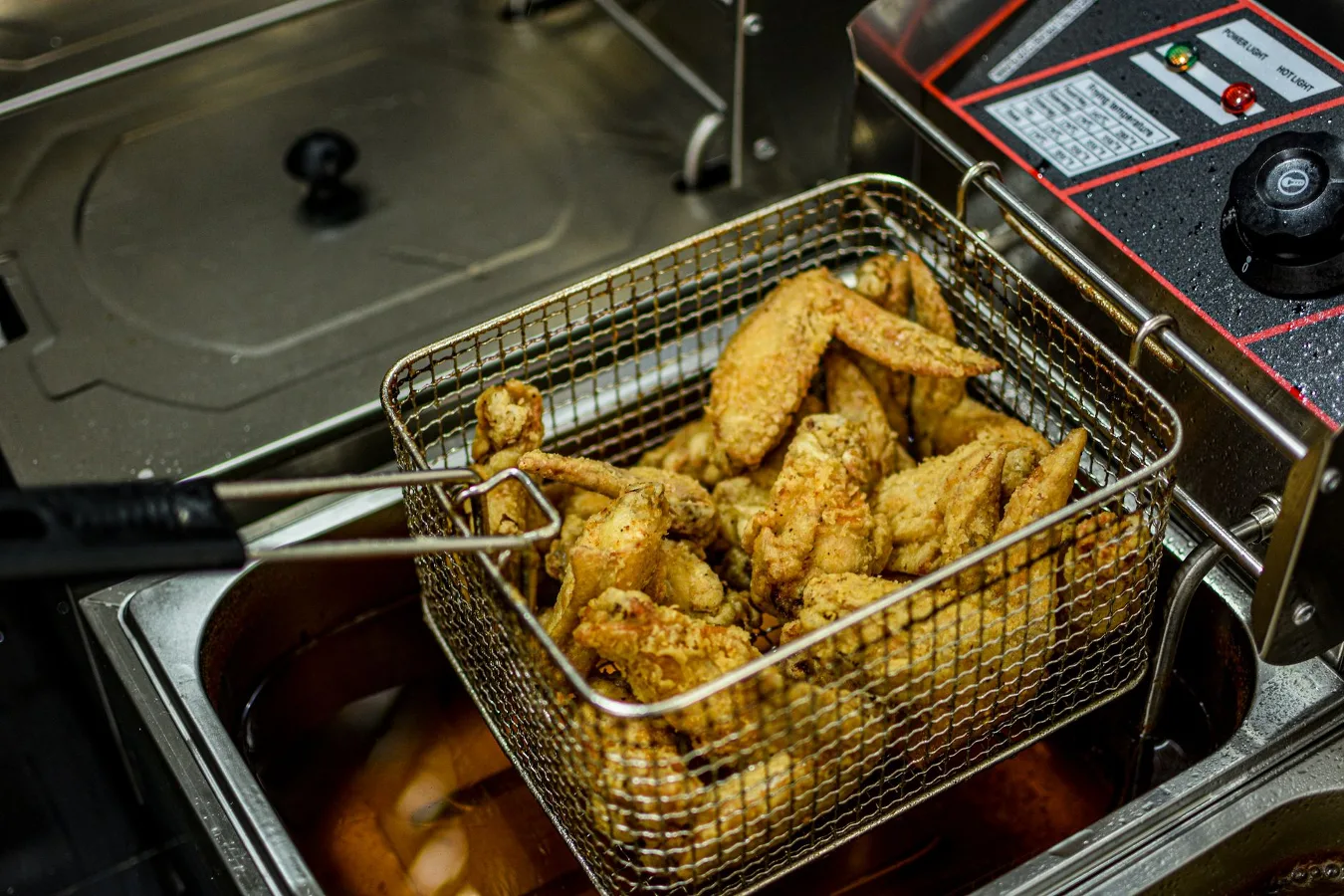
A 2-quart air fryer is a compact option built for small batches, not family-size meals. It makes the most sense if you cook for one or two people, want a machine for snacks and sides, or need a footprint that fits a tight counter. air fryer vs deep fryer offers more detail on this point.
The main advantage is simplicity: less preheating space, a smaller basket to clean, and easier storage than larger models. The trade-off is capacity. A 2-quart air fryer can feel restrictive if you want to cook bone-in proteins, multi-item dinners, or anything that needs room for airflow.
Who a 2-quart air fryer is really for
This size works best for shoppers who want a secondary appliance rather than a full meal solution. It is a practical fit for:
- singles and couples
- dorm rooms and apartments
- small kitchens with limited counter space
- people who mostly reheat, crisp, or cook side dishes
- buyers who prefer a lightweight, easy-to-store appliance
If you regularly cook for a family, batch meal prep, or want enough capacity for mixed ingredients without crowding, a larger basket will usually be more useful. A common misconception is that a smaller air fryer is always more efficient. In practice, efficiency depends on what you cook and how often you need to run multiple rounds.
What a 2-quart capacity can comfortably handle
Capacity is the first spec to check, but it helps to think in meal types rather than just quarts. A 2-quart basket is generally better suited to modest portions and simple foods that benefit from direct hot air circulation.
- French fries or potato wedges in small portions
- Chicken nuggets, tenders, or similar snacks
- Vegetable sides such as Brussels sprouts or broccoli
- Reheating pizza, wings, or leftovers
- Frozen foods made for one serving
The limitation is airflow. Air fryers work best when food is arranged in a relatively even layer. Overfilling the basket can lead to uneven browning, softer texture, and the need for more shaking or turning. If your usual meals include larger cuts, thick coatings, or sauces that drip, a small basket may feel less forgiving.
Buyer scenario: when the compact size is the right call
Choose a 2-quart air fryer if your buying decision is driven by space, convenience, or occasional use rather than volume. It is often the right choice for:
1. Limited counter space
In small kitchens, every inch matters. A compact air fryer is easier to leave out for regular use without dominating the counter. That can make a difference if you want a tool you will actually keep plugged in and ready to use. small kitchen appliance buying guide offers more detail on this point. Galanz Air Fryer Microwave Guide offers more detail on this point.
2. Simple everyday cooking
If your goal is to crisp leftovers, cook small frozen portions, or prepare one side dish at a time, the smaller basket may be more convenient than a larger model with extra features you do not need.
3. Storage between uses
Many shoppers underestimate storage until they have to move the appliance after every use. A 2-quart model is easier to tuck into a cabinet, pantry shelf, or lower drawer space than bulkier alternatives.
4. First-time air fryer buyers
For someone new to air frying, a compact model can be a lower-commitment way to learn how timing, shaking, and basket loading affect results. The learning curve is often gentler because there is less food to manage.
Trade-offs you should expect
A compact model is not just a smaller version of a bigger appliance. The trade-offs affect everyday use, especially if you cook often.
- Smaller batches: you may need to cook in rounds for anything beyond a single serving.
- Less flexibility: bulky foods and mixed meals are harder to arrange without overlap.
- Fewer large-item options: whole cuts or larger portions may not fit comfortably.
- More attention during cooking: smaller baskets can brown quickly, so timing matters.
That does not make the category inferior. It just means the best 2-quart air fryer is the one that matches your routine. If you mainly want crisp texture for snack foods or leftovers, those trade-offs may never be a problem. If you want to replace a toaster oven or cook complete dinners, they probably will be.
Material and build factors that matter most
For a 2-quart air fryer, the important details are usually less about premium branding and more about practical construction.
Basket and interior coating
Most buyers will want a basket with a nonstick surface for easier food release and cleanup. The real question is how easy the basket is to wash after regular use. Look for designs with removable parts that do not trap crumbs or grease in awkward corners.
Handle and drawer feel
A small air fryer may be lightweight, but the handle should still feel stable when you pull the basket out. A wobbly drawer or awkward latch can make day-to-day use annoying fast.
Exterior heat and footprint
Because compact appliances are often used in tighter spaces, it helps to consider how much room the unit needs around it during operation. Even a small model still needs ventilation and should not be pushed flush against a wall or cabinet.
Control layout
With a 2-quart unit, straightforward controls are often better than a cluttered interface. If you mostly cook simple foods, a dial or a few clear presets may be more practical than a menu-heavy control panel.
Performance features worth paying attention to
The most useful performance clues are the ones that affect control, not just convenience.
- Temperature range: a useful spread gives you more flexibility for reheating, roasting, and crisping.
- Timer behavior: a clear timer helps you avoid overcooking small portions.
- Shake reminder or easy access: helpful for even browning, especially in a small basket where food can pile up.
- Preset settings: useful if they match what you actually cook; less useful if they are just extra buttons.
One overlooked consideration is how the appliance behaves with delicate foods. Small baskets can be great for fast crisping, but they can also overcook quickly if the timing is not adjusted. A model that is easy to monitor and stop is often more useful than one with a long list of presets.
Cleaning and maintenance: small size helps, but only up to a point
Compact appliances are usually easier to clean than larger ones, but that depends on basket shape and coating quality. A 2-quart air fryer may still be frustrating if the basket has sharp corners, a narrow tray, or surfaces that collect grease in hard-to-reach spots.
For most buyers, the most practical cleanup questions are:
- Does the basket remove easily?
- Are the pieces simple to wash by hand?
- Can food residue settle in seams or vents?
- Is the coating easy to scratch if you use metal tools?
If you want lower maintenance, plan to use silicone or wooden utensils and avoid overcrowding that creates extra drips. Even small appliances benefit from regular wiping of the exterior and periodic attention to the heating area if the design allows it.
How to decide between a 2-quart model and a larger one
If you are torn between compact and mid-size, the better choice depends on how often you cook and what you expect the appliance to replace.
| Your need | 2-quart air fryer | Larger air fryer |
|---|---|---|
| Snacks and small sides | Strong fit | Works, but may be more appliance than needed |
| Cooking for one | Strong fit | Can be useful, but not necessary |
| Cooking for two | Usually workable | More flexible for mixed meals |
| Family meals | Too limited for most users | Better fit |
| Limited storage | Strong fit | May be awkward |
A useful rule of thumb: if your main concern is counter space, choose the smaller model. If your main concern is cooking fewer rounds, choose the larger one. That distinction matters more than any single feature list.
Common mistakes to avoid
Many shoppers focus on size alone and overlook how they will actually use the appliance.
- Buying too small for your portions: a compact basket is convenient until every meal requires multiple batches.
- Assuming presets guarantee better results: controls help, but the real difference comes from loading, timing, and monitoring.
- Ignoring cleanup design: a small basket is not automatically easy to wash.
- Forgetting ventilation space: compact still means hot-air circulation and safe placement matter.
- Expecting it to replace every cooking appliance: a 2-quart unit is usually a specialist, not an all-purpose solution.
Practical alternatives if 2 quarts is not enough
If the size feels borderline, it may be smarter to consider another appliance style rather than forcing a small basket to do too much.
Air fryer with a larger basket
This is the best alternative if you like the air fryer format but need more room for sides, proteins, or mixed meals.
Toaster oven air fryer
A toaster oven style can be a better fit if you want more versatility for toast, baking, and open-tray cooking, even if it takes more space.
Compact convection oven
If your cooking is less about basket-style crisping and more about general small-appliance flexibility, a convection-style countertop oven may suit you better.
The right choice depends on whether you value speed, capacity, or versatility most. A 2-quart air fryer is strongest on speed and convenience for small portions, while the alternatives usually win on flexibility.
What to do before you buy
Before choosing a model, compare the details that will matter after the first week of use, not just the headline capacity.
- Measure the counter or storage space where the air fryer will live.
- Think about the meals you will actually cook, not the largest meal you imagine.
- Check whether the basket shape suits the foods you make most often.
- Look for a control layout you can use quickly and confidently.
- Review cleanup details, including removable parts and coating type.
If your needs are small-batch and straightforward, a 2-quart air fryer can be a smart buy. If your cooking habits are more ambitious, the compact size may work better as a supplement than a main appliance. Matching the appliance to your routine is the real decision-maker here.