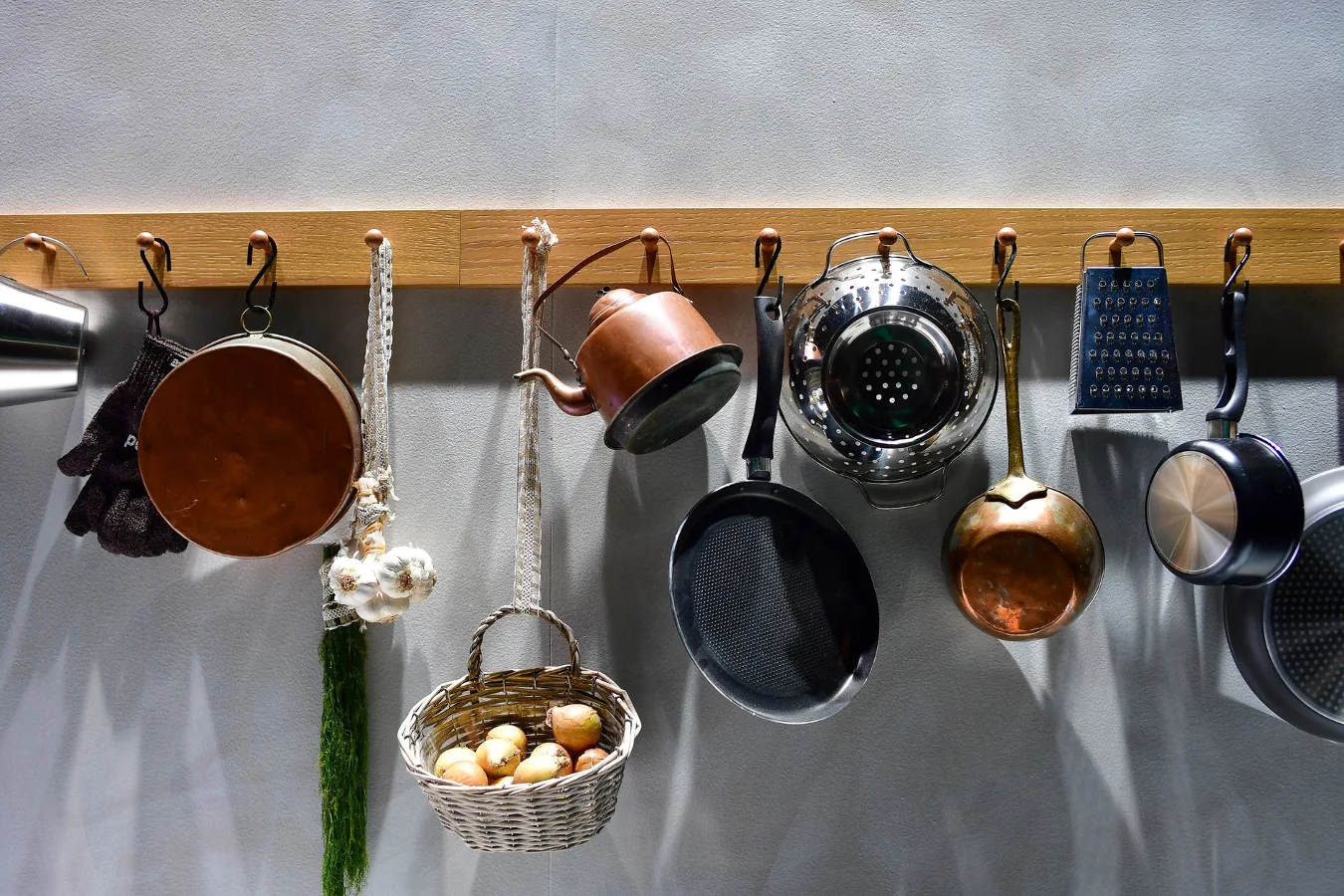
If you’re looking at copper kitchen gadgets, the main question is not just whether they look good. It is whether they are practical for the way you cook, easy to maintain, and made with a finish that will still make sense after the first few weeks of use. Copper can be beautiful in the kitchen, but the best choice depends on the item, the construction, and whether you want everyday utility or mostly visual impact.
For most shoppers, copper kitchen gadgets fall into one of three categories: decorative pieces, plated or coated tools, and functional items that use copper for a specific performance reason. That distinction matters. A whisk, measuring cup, spoon rest, or bottle opener may be bought for style first, while some copper-clad or copper-lined cookware earns a place for heat-related reasons. The right choice depends on use case, maintenance tolerance, and how much wear you expect. copper cookware versus copper accessories offers more detail on this point.
When copper kitchen gadgets make sense
Copper kitchen gadgets are worth considering when you want a warmer look than stainless steel, a more styled countertop display, or a gift that feels more polished than a basic utility item. They also make sense if you are building a kitchen around a specific aesthetic such as farmhouse, vintage-inspired, French country, or modern classic. Best Stainless Steel Kitchen Gadgets offers more detail on this point.
They are less compelling if you want something you can toss into the sink, run through the dishwasher, and forget about. Copper finishes often need more care than standard stainless steel. Some pieces also show fingerprints, water spots, or surface wear more easily. That does not make them bad purchases, but it does mean they suit a different kind of user.
There is also a common misconception that anything labeled copper automatically performs better. In reality, many copper kitchen gadgets are primarily stainless steel or another base metal with a copper-colored coating or accent. That can still be a smart buy if the look is what you want, but it changes how you should judge durability and cleaning.
Start with the purpose, not the finish
The easiest way to avoid disappointment is to decide what the gadget needs to do before deciding how it should look. A copper spoon rest, soap dispenser, or utensil crock is mainly a visual and organizational piece. A copper mixing bowl, measuring set, or colander needs to be more functional. A copper pan or pot is a different category entirely and should be evaluated on construction, lining, and cooking purpose rather than appearance alone.
Ask three questions:
- Will this sit out on display, or will it be used constantly?
- Does it need to contact food directly?
- Am I willing to maintain the finish regularly?
If the answer to the last question is no, choose a lower-maintenance material with copper styling instead. You can still get the look through accent handles, colored finishes, or mixed-material designs without signing up for extra upkeep.
What to look for in copper kitchen gadgets
Construction and base material
The base material matters more than many shoppers realize. A copper-colored gadget made from stainless steel may be far more practical than a true copper piece for daily use. Stainless steel usually offers better resistance to corrosion and easier cleaning, while copper is often chosen for appearance or heat behavior in specific cookware applications.
For utensils and accessories, look closely at whether the item is solid metal, plated, coated, or simply finished in copper tone. If the product description is vague, that usually means the build quality deserves a second look. A polished copper appearance can hide a very ordinary core, which may still be fine, but you should know what you are buying. Brass Cookware: What to Know Before Buying offers more detail on this point.
Finish quality
Finish quality affects both appearance and maintenance. A smooth, even finish typically looks better and is easier to wipe down. Thin or uneven plating may wear faster at high-contact points such as handles, edges, and hanging loops. That matters most on gadgets you handle often, like spatulas, peelers, tongs, and ladles.
If you want a decorative piece, finish quality still matters because poor finishing can make the item look cheap even if the color is attractive. For display pieces, pay attention to seams, joins, and any areas where the coating appears thin or inconsistent.
Comfort and grip
A gadget can look elegant and still be awkward to use. Handle shape, balance, and grip surface are especially important for utensils, measuring spoons, and serving tools. Sleek metal handles can feel good in the hand, but they may become slippery when wet. If the tool is meant for active cooking, make sure the handle design is practical rather than purely decorative.
This is one of the easiest details to overlook because copper styling often draws attention away from ergonomics. A gadget that photographs beautifully but feels unstable in use is rarely a good long-term purchase.
Care requirements
Copper finishes can develop patina, discoloration, or dullness depending on the material and the environment. Some buyers like that lived-in look. Others want a bright, polished appearance that stays consistent. The right choice depends on your tolerance for maintenance.
Before buying, check whether the item requires hand washing, immediate drying, occasional polishing, or special cleaners. If a gadget will be used near sinks, steam, or acidic ingredients, the care burden may be higher than expected. That is especially relevant for items used in food prep rather than just for storage or display.
Common copper gadget types and how to judge them
Utensils and serving tools
Spatulas, spoons, tongs, and turners with copper finishes can look elegant on a countertop or in a crock. For these items, prioritize practical details: heat resistance, handle comfort, and ease of cleaning. If the working end is silicone, stainless steel, or another stable material, copper may only affect the handle or visible surface. That is often a good compromise.
Serving tools are more forgiving than cooking tools because they usually see less intense wear. If you want copper style without much maintenance, this is one of the safer categories to explore.
Measuring tools
Measuring cups and spoons are popular in copper finishes because they can be both useful and decorative. Here, accuracy and construction matter more than the color. Look for sturdy joins, readable markings, and a shape that nests neatly for storage. If the finish makes the numbers harder to read, the design is working against the tool’s purpose.
These pieces also make practical gifts because they are useful in small kitchens, baking setups, and curated gift baskets.
Countertop accessories
Soap dispensers, utensil holders, canisters, and spoon rests are often the easiest way to bring copper into a kitchen without adding maintenance-heavy items. Since they are not usually exposed to repeated high heat or aggressive food prep, they can be judged more by design, stability, and finish consistency than by technical performance.
For these gadgets, consider the surrounding materials. Copper works especially well with wood, black hardware, white cabinetry, marble, and neutral stone surfaces. In a kitchen already heavy on warm metallics, too many copper accents can start to feel cluttered rather than coordinated.
Cookware-adjacent pieces
Some copper kitchen gadgets exist in the space between tool and cookware: mixing bowls, colanders, and specialty pans or molds. These deserve extra scrutiny. If the item is meant to touch food directly and be used often, construction and lining become more important than style. Copper can react with certain foods, so the inner surface and intended use matter a great deal.
For many buyers, stainless steel or enamel-lined alternatives are easier to live with. If you want the copper look here, consider pieces that use copper as an exterior accent rather than the primary food-contact surface.
A simple buying framework
If you are comparing options online or in a store, use a practical checklist instead of relying on photos alone.
- Identify the role. Decide whether the piece is decorative, everyday-use, or occasional-use.
- Check the material description. Look for solid metal, plated finish, coated surface, or mixed construction.
- Review the care instructions. Hand wash, polish, and drying requirements reveal how much upkeep to expect.
- Inspect the functional details. Grips, markings, weight, nesting, lids, and hanging features should suit the job.
- Match the style to your kitchen. Copper should complement the room, not fight with existing finishes.
- Consider replacement risk. If the gadget is likely to be used heavily, choose a version that can handle daily wear.
Examples of smart choices by use case
For decorative styling: Choose items like utensil crocks, spoon rests, canisters, and soap dispensers. These add warmth without demanding much from you beyond regular wiping.
For baking and prep: Measuring cups, measuring spoons, and mixing bowls can be appealing if they are sturdy and easy to clean. Pay attention to readability and stacking.
For gift giving: Copper-finished serving tools or a curated set of everyday gadgets can feel thoughtful without being overly specialized. Gifts work best when they are useful even if the recipient does not maintain a fully coordinated kitchen theme.
For everyday cooking: Favor mixed-material tools with copper accents rather than delicate decorative pieces. Utility should lead, style should follow.
Where copper is a strength, and where it is not
Copper kitchen gadgets have a clear strength in visual warmth. They can soften the look of a kitchen, pair well with natural textures, and make simple tools feel more intentional. That is a genuine benefit, especially in open-plan homes where kitchen items are always visible.
The limitation is that copper is often more demanding than standard stainless steel. It can show wear sooner, require more careful cleaning, and need regular attention if you want it to keep its original shine. In some homes, that trade-off is worth it. In others, it becomes a source of clutter and maintenance fatigue.
Another practical constraint is consistency. A kitchen with one or two copper accents usually looks curated. A kitchen with too many mixed-metal pieces can look busy unless the overall design is carefully controlled. If your space already includes chrome, brushed nickel, black hardware, and wood tones, copper should be introduced deliberately.
Common mistakes to avoid
- Buying for appearance only. A beautiful gadget that is awkward or difficult to clean rarely stays in use.
- Assuming all copper is the same. Copper-plated, copper-toned, and solid copper items behave very differently.
- Ignoring care instructions. If you do not want hand washing or polishing, choose another material.
- Choosing novelty over function. Decorative shapes can sacrifice balance, grip, or readability.
- Mixing too many finishes. Copper looks best when it feels intentional, not scattered across every available surface.
Practical alternatives if copper is not the right fit
If you like the look of copper but not the upkeep, there are sensible alternatives. Stainless steel is the most obvious choice for durability and low maintenance. Brass-toned or bronze-toned accessories can create a similar warmth with a different visual character. Matte black can deliver contrast in a modern kitchen, while wood and ceramic add softness without metal care requirements.
For shoppers who want a refined kitchen aesthetic more than a specific metal, mixed-material tools are often the best compromise. A stainless steel tool with a copper accent handle, for example, can preserve the visual appeal while reducing the maintenance burden.
Checklist before you add one to cart
- Does the item serve a real purpose in your kitchen?
- Is the copper look part of the structure or just a surface finish?
- Will the care routine fit your habits?
- Does the tool feel practical for daily handling?
- Will it coordinate with your existing finishes?
- Is there a lower-maintenance alternative that would work just as well?
Copper kitchen gadgets are best treated as a design choice with functional consequences. If you focus on material, care, and intended use, you can choose pieces that look refined without becoming fussy. The smartest buys are usually the ones that balance style with realistic upkeep, especially in kitchens where tools need to earn their place every day.