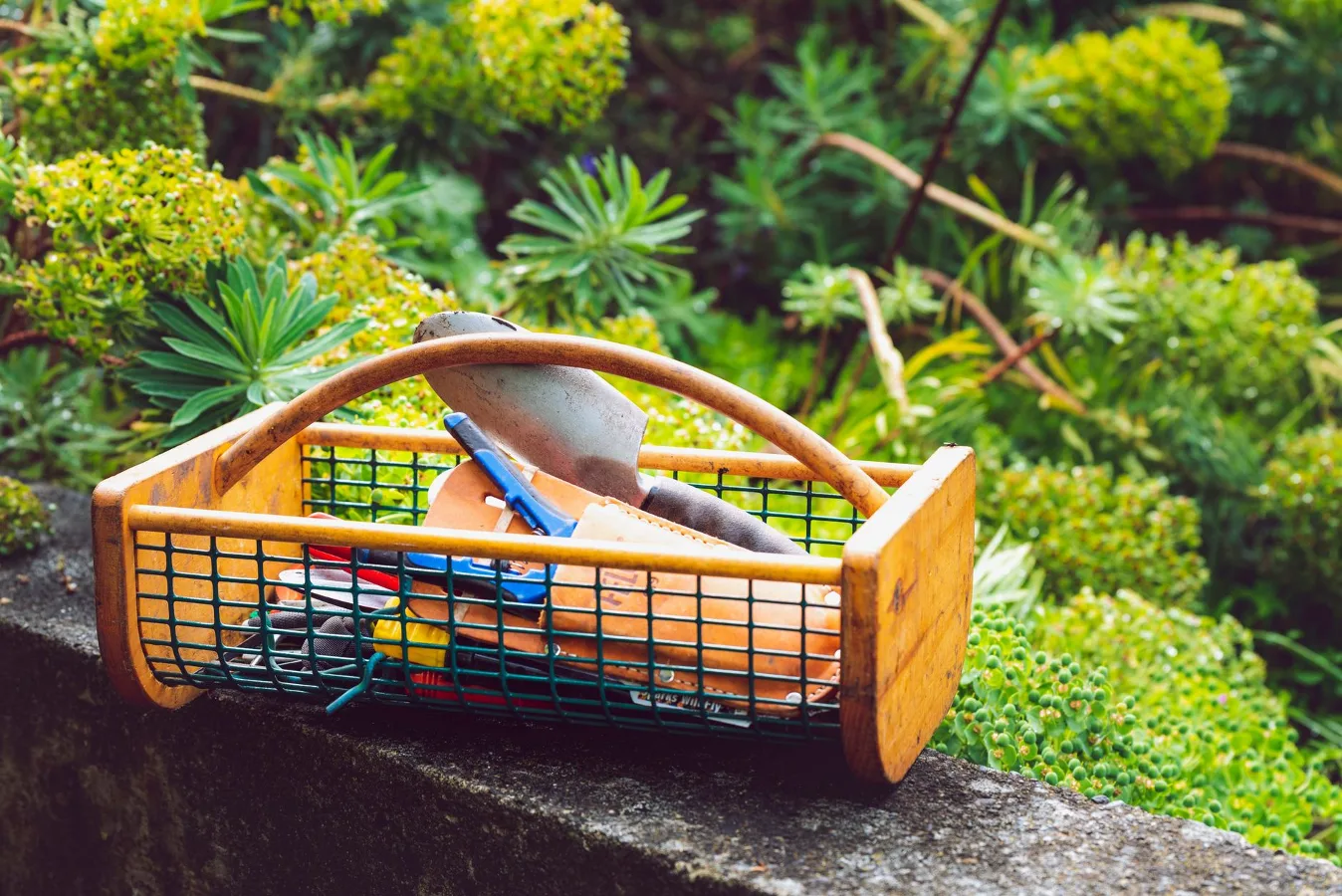
What a garden tool tote is really for
A garden tool tote is a portable carry solution for the tools and supplies you use most often outdoors. For many gardeners, that means hand pruners, gloves, a trowel, hand fork, plant labels, twine, seed packets, and a small bottle or sprayer. The point is not just storage. It is to keep the essentials together so you can move from bed to bed without making repeated trips to the shed. DeWit Garden Tools Buying Guide offers more detail on this point.
If you garden in short sessions, work in multiple areas, or tend containers and raised beds, a tote can be more useful than a rigid toolbox. It lets you bring only what you need, keeps small items visible, and reduces the usual mess of loose tools scattered across the patio, garage, or potting bench.
The best choice depends on how you garden. A tote that works well for pruning roses may not be ideal for transplanting seedlings, carrying wet tools, or hauling heavier items like hand cultivators and small irrigation accessories. how to organize hand tools in the garden offers more detail on this point.
Who benefits most from a garden tool tote
A garden tool tote makes the most sense if you want speed and convenience. It is especially helpful for gardeners who move around a lot, work in beds that are spread out, or like to keep a small set of tools ready to go.
- Container gardeners often need just a few tools at a time and benefit from compact storage.
- Raised bed gardeners usually appreciate a tote that sits beside the bed while they work.
- Senior gardeners or anyone avoiding extra trips may value a light carry solution more than a large cart.
- New gardeners can use a tote to keep a starter set organized instead of buying storage in pieces.
- Weekend gardeners may prefer something simple and grab-and-go rather than a full storage system.
If you mostly do large-scale digging, haul bags of soil, or move heavy tools, a tote alone may feel limiting. In that case, a garden cart, bucket organizer, or rolling tool carrier can be a better match.
The main trade-offs to think through
The biggest appeal of a garden tool tote is convenience. The biggest limitation is capacity. A tote is meant for portable access, not for storing every item in the shed. That trade-off matters because many buyers choose one that is either too small to be useful or too large to carry comfortably once filled.
Another practical trade-off is structure. Soft-sided totes usually feel lighter and more flexible, but they may slump when empty and can be harder to clean after muddy work. More structured designs hold their shape better and keep tools separated, but they may be heavier and take up more space when stored.
There is also a compromise between open access and protection. Open-top totes let you reach tools quickly, which is helpful during active gardening. However, open designs expose contents to rain, debris, and accidental spills. If you keep seed packets, gloves, or phone accessories in the tote, a more covered design may be worth considering.
Material matters more than many buyers expect
Material affects durability, cleaning, weight, and how the tote behaves outdoors. This is one of the most overlooked parts of the purchase because two totes can look similar online but perform very differently once they are full of damp tools.
Canvas and heavy fabric
Canvas-style totes are popular because they are lightweight, flexible, and easy to carry. They often work well for general gardening and tend to have multiple pockets for hand tools. The main limitation is that fabric can absorb moisture and soil, so it may need more care if you frequently use wet tools or work in muddy conditions.
Polyester and synthetic blends
Synthetic materials are often chosen for easy cleanup and weather resistance. They can be a practical option if your tote is likely to be set down on damp ground or exposed to splashes from watering. The trade-off is that not every synthetic tote feels equally sturdy, so the construction and stitching matter as much as the fabric itself.
Leather or leather-trimmed designs
Leather accents can improve reinforcement at handle points or edges, but a full leather tote is usually less common for everyday gardening. It may appeal if you want a more structured look or need extra durability in stress areas. The downside is that it can require more care and may not be as forgiving in wet conditions.
Plastic, resin, or bucket-style organizers
These are not always marketed as totes, but they solve a similar problem. They are easy to rinse out, often stand upright without collapsing, and can be useful for dirty tools. The drawback is comfort: hard-sided carriers can feel less pleasant to carry and may not fit as naturally against the body as a soft tote.
Layout and pocket design can make or break usability
A common misconception is that more pockets automatically means a better garden tool tote. In practice, pocket placement matters more than raw quantity. A tote with too many shallow pockets can become awkward, while one with fewer but better-sized compartments may be easier to use every day.
Look for a layout that matches the tools you actually carry:
- Deep pockets help hold pruners, hand trowels, and other longer tools without tipping.
- Smaller exterior pockets are useful for plant tags, twist ties, markers, and gloves.
- Interior compartments can reduce clutter if you carry seed packets or delicate items.
- Open central space is helpful if you want one area for larger items or a small water bottle.
One practical nuance: if pockets are too tight, they can slow you down more than they help. Tools should slide in and out easily with gloved hands. If you have to fight the fabric every time you set a tool down, the tote may be poorly matched to your routine.
Capacity should match your gardening style
Before choosing a tote, think about what you usually carry in one trip. A light pruning session may require only a few tools. A transplanting day may call for markers, gloves, a scoop, a kneeling pad, and amendments. The right tote is the one that carries your common load without encouraging you to overpack it.
Overpacking is a common mistake. A tote stuffed with too many heavy items becomes harder on your hands, shoulder, or wrist and can tip over when set down. If you often carry soil bags, hand rakes, watering gear, or larger pruners, consider whether a tote should be part of a larger setup rather than the only carrier you use.
If you want one tote for multiple tasks, a medium-sized design with a balanced pocket layout is often more versatile than a very small specialty bag. But if you garden in tight spaces or carry tools up and down steps, a compact tote may be the safer and more comfortable choice. Garden Bag With Tools: What to Look For offers more detail on this point.
Comfort and carry style deserve attention
A garden tool tote may seem simple, but comfort matters if you use it often. Handles should feel secure in hand, and the tote should be easy to pick up even when you are wearing gloves. Wider handles usually spread weight better than thin ones, especially when the tote is full of metal tools.
Some designs include a shoulder strap, which can help if you want both hands free while moving between areas. That said, a shoulder strap is not always a win. If the tote swings, slips, or puts pressure on one side of the body, it may be less practical than a hand-carry design. The best option depends on how far you walk and how often you set the tote down.
Stability also matters. A tote that collapses every time you remove a tool can become annoying fast. A reinforced base or semi-structured body can help it stand upright, which keeps tools visible and makes it easier to work from the ground or a bench.
Durability and maintenance: the hidden long-term factors
Durability is not just about fabric thickness. Stitching, reinforced seams, handle attachment, and bottom support all affect how long a tote stays useful. A tote used for garden tools faces abrasion from metal edges, exposure to moisture, and frequent set-downs on rough surfaces.
Maintenance should also be easy. Soil, sap, and plant debris are normal, so a tote that wipes clean or shakes out easily is usually more practical than one that needs special care. If you expect muddy use, choose a material and construction style that will not be ruined by regular cleaning.
Another overlooked consideration is storage when the tote is not in use. A rigid or bulky carrier may be durable, but if it is awkward to hang or tuck away, you may stop using it. The most practical garden tool tote is one that fits naturally into your routine from start to finish.
How to choose the right tote for your space
The right garden tool tote depends on where and how you work. A small patio gardener may want a lightweight tote with room for a few hand tools and labels. A larger yard gardener may need a more durable carrier with stronger handles and better compartment separation. Think about the surface you work on, the distance you travel, and how often the tote will be exposed to dirt and water.
For balconies, decks, and small urban gardens, compactness and clean storage often matter most. For larger yards or allotment-style layouts, portability and tool access usually take priority. If you frequently work at a potting bench, you may want a tote that can live nearby as a staging container rather than something you carry across the property every time.
If your garden changes seasonally, flexibility helps. A tote that works for spring planting may need to adapt for summer pruning or fall cleanup. That is one reason many gardeners prefer a general-purpose design over a highly specialized one.
Common mistakes buyers make
- Choosing by looks alone. A good color or classic canvas style does not guarantee practical pocket spacing or strong stitching.
- Ignoring weight when loaded. A tote that feels light empty may become uncomfortable once tools are added.
- Buying too small. Limited capacity often leads to clutter and constant repacking.
- Buying too large. Oversized totes can be bulky, hard to store, and tempting to overfill.
- Forgetting about cleanup. Mud, sap, and damp tools are part of gardening, so maintenance needs to be easy.
- Overlooking your workflow. A tote should support how you move through the garden, not just how it looks on a product page.
Alternatives if a tote is not the best fit
A garden tool tote is not the only way to organize essentials. If you need a different balance of capacity, protection, or mobility, several alternatives may work better.
- Tool bucket organizers are useful if you want a rigid container with upright pockets and easy rinsing.
- Garden carts suit heavier loads and larger properties where you move tools longer distances.
- Potting bench storage works well if you mostly need a place to keep tools near your workstation.
- Apron-style carriers can be convenient for short, hands-on tasks when you want tools close at hand.
- Simple bins or trays may be enough if you mostly organize supplies rather than carry them around.
The best alternative depends on whether your main need is carrying, organizing, or protecting tools from weather and dirt.
What to do before you buy
Start by listing the tools and supplies you reach for most often. Then compare that list against the tote’s pocket sizes, opening width, and carrying comfort. If possible, think through one normal gardening session from start to finish: what you grab, where you set the tote down, and how often you move it.
That simple check can prevent a lot of regret. A tote that suits your actual workflow will feel useful every time you garden, while a poorly matched one quickly becomes extra clutter.
If you are building out a larger garden setup, a tote can be one piece of a broader organization system that also includes shed storage, a potting bench, gloves, pruning tools, and seasonal cleanup gear. For a focused, portable solution, though, a well-chosen garden tool tote is often one of the easiest upgrades you can make.