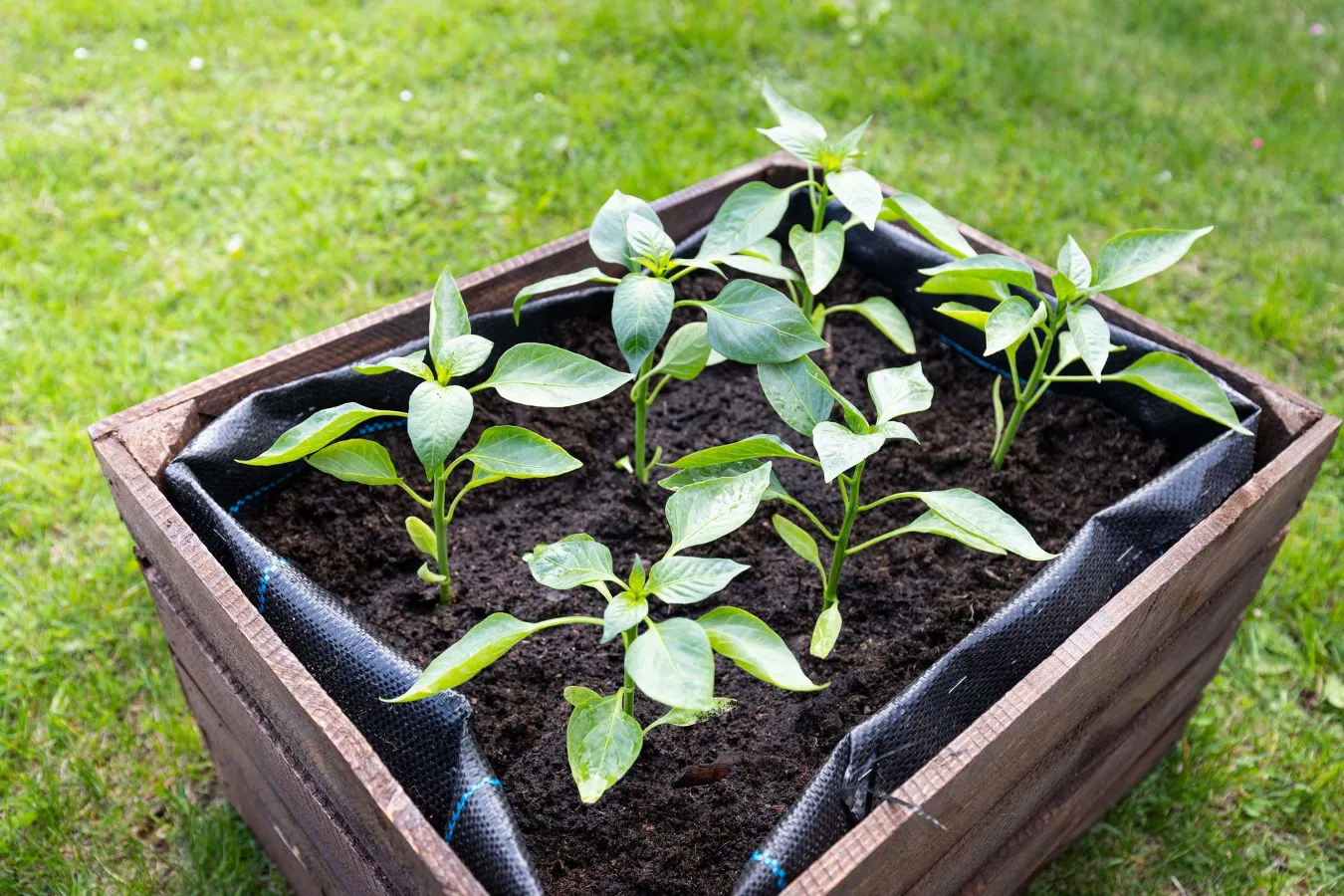
Raised bed garden tools are the smaller, more maneuverable tools that make planting, weeding, cultivating, pruning, and harvesting easier in a confined growing space. If your beds are narrow, deep, or packed with closely spaced crops, the right tools matter more than sheer size or power. The best choices are usually compact, comfortable to hold, and precise enough to work around roots and stems without disturbing too much soil. garden bag with tools offers more detail on this point. dewit garden tools offers more detail on this point.
For most gardeners, the question is not which tool looks most complete in a set. It is which tools actually help you work efficiently in raised beds without overreaching, compacting soil, or damaging nearby plants. That usually means a focused kit rather than a large collection of general-purpose garden tools.
What raised bed garden tools need to do well
Raised beds create a different kind of gardening environment than in-ground plots. The soil is often looser, the growing area is more contained, and the plants are typically arranged more tightly. That changes what you need from your tools.
Good raised bed garden tools should give you control in a small footprint. They should help you work close to plants, reach the back of a bed without awkward strain, and handle routine jobs without turning a quick task into a long one. In practice, that usually means tools with shorter heads, slimmer profiles, and handles that feel balanced rather than bulky.
A common misconception is that any standard garden tool will work just as well in a raised bed. Some will. But many full-size tools are simply too large for close quarters, especially when seedlings are young or beds are densely planted. Oversized tools can make it harder to be precise and easier to disturb roots, soil structure, or mulch.
Key factors to consider before you buy
Tool size and reach
Size is one of the most important factors for raised bed gardening. Short-handled hand tools are often the most practical for planting and weeding, while a lightweight long-handled tool can help with reach if your beds are wide or raised high off the ground. The goal is to match the tool to the bed layout, not the other way around.
If your bed is narrow enough that you can reach the center comfortably, compact tools are usually easier to manage. If the bed is wide or boxed in by pathways, a longer handle may reduce strain. The best setup often includes both types for different tasks.
Comfort and grip
Raised bed work tends to involve repeated small motions: digging holes, lifting seedlings, pulling weeds, or loosening soil around established plants. That makes comfort important. Look for handles that are easy to grip, especially if you garden for long sessions or have limited hand strength.
Ribbed grips, smooth hardwood handles, and well-shaped ergonomic handles can all work, but the best choice depends on how the tool feels in your hand. A tool that looks sturdy but causes strain will usually get used less often. Comfort is not a luxury here; it directly affects how often and how carefully you garden.
Blade shape and working width
For raised beds, narrower blades and tines are often more useful than broad ones. A slim trowel can slip between plants. A hand fork with closely spaced tines can loosen soil around roots without turning up too much of the bed. A weeder with a narrow tip is often easier to use around transplants and edging.
Wider tools can still be useful, especially for clearing a bed at the end of a season or moving mulch. But if you only want a few essentials, prioritize precision first.
Material and durability
Tool materials affect durability, weight, and maintenance. Metal heads are common for digging and cultivating, while wooden, fiberglass, or padded handles can change the feel of the tool. The best material depends on your priorities.
Heavier tools can feel solid and stable, but they may be tiring in long sessions. Lighter tools are easier to maneuver, but some may bend or wear sooner if used in dense or rocky soil. For raised beds filled with loose, amended soil, many gardeners prefer lighter, well-made tools that prioritize control over brute force.
Ease of cleaning and storage
Raised bed gardeners often use tools frequently for short tasks. That makes cleaning and storage more important than many people expect. Tools that are easy to rinse, wipe, and hang dry will usually last longer and stay ready for the next use.
Storage also matters if your garden area is small. A compact caddy, bucket, or wall hook can keep frequently used tools close at hand. That reduces clutter and helps prevent rust, damage, or misplaced tools.
The most useful tools for raised beds
You do not need a huge kit to garden well in raised beds. A focused set of tools is usually more effective than a broad assortment of specialty gear you rarely reach for.
Trowel
A sturdy hand trowel is the core tool for most raised bed gardeners. It is useful for transplanting seedlings, digging planting holes, scooping compost, and mixing amendments into the top layer of soil. For raised beds, a narrow or medium-width blade is often easier to control than a large scoop.
Hand fork or cultivator
A hand fork is helpful for loosening soil, removing shallow-rooted weeds, and breaking up crusted surfaces. In raised beds, it can also help you work around established plants without disturbing the whole bed. A cultivator with slim tines is especially useful in beds that are already planted densely.
Weeder
A dedicated weeding tool can save time in raised beds because many weeds emerge in tight spots between crops. A slim, pointed weeder is often better than a broad blade. If your beds are small, look for a tool that gives you control without requiring a lot of force.
Pruning shears
By the time harvest season arrives, pruning shears become one of the most useful raised bed tools. They are useful for cutting herbs, trimming dead foliage, harvesting peppers or tomatoes, and removing spent stems. Clean, sharp blades matter more than size here.
Transplanter
A transplanter is a narrow planting tool with measurement marks on many models. It can be helpful for setting seedlings at a consistent depth, especially in vegetable beds. It is not essential for everyone, but gardeners who start many young plants may find it more efficient than a basic trowel.
Watering tools
Watering is not always grouped with tools, but in raised beds it is part of the workflow. A watering can, hose with a gentle nozzle, or drip irrigation setup can make a major difference. Raised beds often dry out faster than in-ground beds, so easy, controlled watering is important.
Practical solutions for common raised bed tasks
Planting seedlings without damaging the bed
Seedlings are easier to damage than mature plants, so the right planting tool matters. A narrow trowel or transplanter lets you open a hole close to the correct size and depth without overworking the surrounding soil. This is especially helpful in beds with close spacing, where a large shovel would be awkward and imprecise. this mower lawn ariens guide offers more detail on this point.
For best results, keep a small hand tool nearby for final adjustments. A trowel opens the hole, but your fingers or a slim dibber may help set the root ball gently and firm the soil around it.
Weeding between crops
Weeding in a raised bed is often easier than in a ground plot, but only if you use the right tool. A hand weeder, narrow hoe, or small cultivator gives you better access between stems. Tools with a slim profile reduce the risk of accidentally nicking neighboring plants.
One practical nuance: the best weeding tool depends on the kind of weeds you get most often. Shallow seedlings are easy to lift with a narrow hand tool, while tougher rooted weeds may need a more pointed weeder and a little patience. Trying to force one tool to handle everything usually leads to frustration.
Managing dense planting
Raised beds often use intensive planting methods, which means the plants are closer together than in traditional rows. That is efficient, but it also makes tool choice more important. A tool with a long blade or wide head can do more harm than good in a tightly packed bed.
Look for tools that let you work vertically rather than sweeping broadly across the surface. This gives you precision and helps preserve the root zone around neighboring plants. It also reduces soil disturbance, which can be helpful in beds that rely on mulch or shallow feeding.
Harvesting in tight spaces
Harvesting tools should be easy to control and quick to clean. Small pruners or scissors are often better than large cutting tools for herbs, greens, and many fruiting crops grown in raised beds. For root vegetables, a compact hand fork can help loosen soil before lifting the crop.
A common mistake is pulling too aggressively at harvest time. In raised beds, a gentle tool-assisted harvest often protects nearby plants and keeps the bed structure intact for the next planting.
Choosing tools based on your bed setup
| Raised bed setup | Most useful tool traits | Why it helps |
|---|---|---|
| Narrow beds with easy reach | Compact hand tools, slim blades, lightweight handles | Better control and less overreaching |
| Wide beds | Combination of hand tools and a longer-reach option | Makes the center of the bed easier to access |
| Densely planted vegetable beds | Narrow trowel, hand fork, precise weeder, pruners | Reduces accidental root and stem damage |
| Herb-focused beds | Small trowel, scissors or pruners, lightweight cultivator | Useful for frequent trimming and delicate planting |
| High-sided or elevated beds | Ergonomic handles, comfortable grips, longer reach where needed | Helps reduce wrist and back strain |
What to skip if you want a simpler kit
It is easy to overbuy garden tools, especially if you are starting fresh. Raised beds usually do not require a large collection of specialized equipment. In many cases, a small, well-chosen kit is more useful than a drawer full of duplicates.
You can often skip oversized shovels, broad hoes, and bulky tools that are designed for open-row gardening unless your beds are very large. Heavy-duty tools may still have a place for bed construction, soil moving, or occasional major cleanup, but they are not the everyday essentials for most raised bed work.
Another overlooked consideration is storage space. If the tools do not fit neatly into your routine or your garden area, they are less likely to be used properly. Simplicity tends to support consistency, and consistency matters more than owning every possible tool.
How to build a practical raised bed tool kit
A good starting kit usually includes a trowel, hand fork, weeder, and pruning shears. From there, add only what fits your beds and your planting style. If you grow many seedlings, a transplanter may be useful. If your beds dry out quickly, make watering tools a higher priority. If your beds are large or elevated, a longer-reach tool may reduce strain.
The best tool kit is the one that matches your actual maintenance routine. A gardener who plants herbs, greens, and a few tomatoes will need a different setup from someone managing several deep vegetable beds. Think in terms of daily tasks, not product categories.
Decision guidance: how to choose with confidence
If you are trying to narrow the options, start with the work you do most often. For planting and transplanting, choose a narrow trowel with a comfortable grip. For weeds, choose a slim, precise weeder. For trimming and harvesting, choose sharp pruners that are easy to control. If your beds are elevated or hard to reach, prioritize handle length and ergonomics.
If you only buy one or two tools at first, make them the ones you will use weekly. That usually gives better value than buying a large kit with tools that solve problems you do not actually have. Raised bed gardening rewards precision, and your tools should reflect that.
Common mistakes to avoid
- Buying full-size tools that are too broad for close planting
- Choosing comfort handles that feel good in hand but make the tool too heavy for repeated use
- Ignoring reach, especially for wider or elevated beds
- Using one general-purpose tool for every task instead of matching the tool to the job
- Skipping cleaning and storage, which shortens tool life
- Overbuying specialty tools before learning which tasks come up most often
FAQ
What are the essential raised bed garden tools?
For most gardeners, the essentials are a hand trowel, hand fork, weeder, and pruning shears. Those four tools cover planting, loosening soil, removing weeds, and basic harvesting or trimming.
Are long-handled tools useful in raised beds?
Yes, but usually only in certain setups. They can help if your beds are wide, deep, or difficult to reach. For smaller beds, compact hand tools often provide better control.
Should I buy a garden tool set or individual tools?
Individual tools are often the better choice if you already know what you need. Sets can be convenient, but they may include items you will rarely use. If you are starting from scratch, a small set can work well as long as the core tools are comfortable and appropriately sized.
What kind of tools are best for weeding raised beds?
Narrow hand weeders and slim cultivators are usually the most effective. They help you get between closely spaced plants without disturbing too much of the bed.
How should I store raised bed garden tools?
Keep them clean, dry, and easy to reach. A bucket, caddy, wall hook, or small storage box near the beds can make routine gardening more efficient and help tools last longer.
Raised bed garden tools do not need to be elaborate. They need to fit the work, the space, and the way you garden. Once you focus on precision, comfort, and practicality, choosing the right tools becomes much simpler.