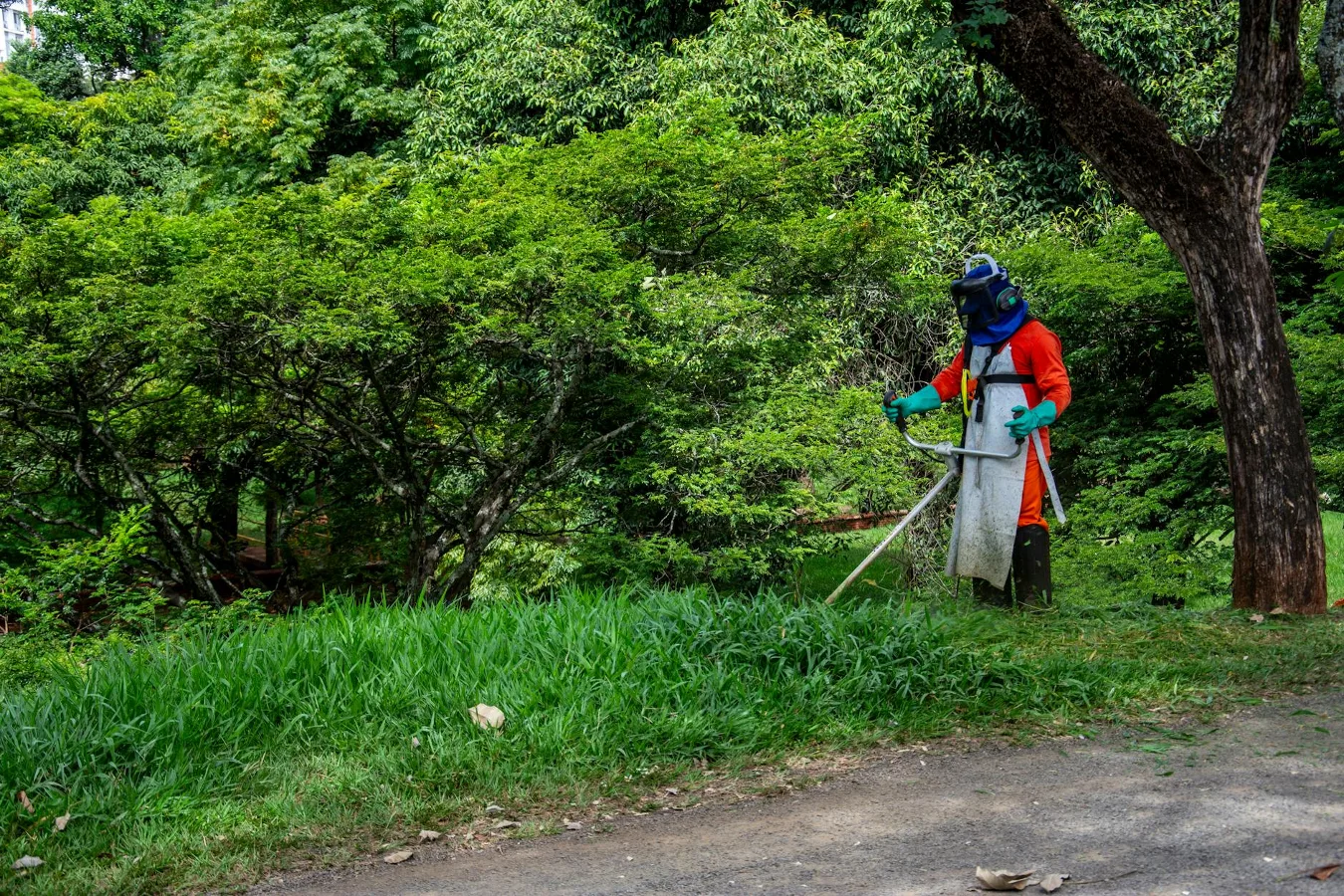
Garden weeding tools are not interchangeable. The best choice depends on what you are pulling, where the weeds are growing, and how much bending, digging, or precision the job requires. A narrow hand weeder can be ideal for tight spaces and taproot weeds, while a hoe or stirrup-style tool is often better for covering larger beds quickly. long-handled tools for easier weeding offers more detail on this point.
If you are comparing garden weeding tools, start with the weed itself. Annual weeds with shallow roots respond well to slicing or scraping tools. Deep-rooted weeds, especially those with thick taproots, usually call for a tool that can pry under the crown and lift more of the root. Weeds growing in gravel, cracks, or compacted soil create a different problem again: the best tool is often the one that can fit into the space without damaging nearby plants or surfaces. tools for deep-rooted weeds offers more detail on this point.
When the right weeding tool matters
The difference between a useful tool and a frustrating one usually shows up in three places: soil condition, weed type, and working posture. In loose soil, many tools will do the job. In hard or dry ground, flimsy blades can bend and shallow tools may leave roots behind. In crowded beds, a wider blade can be too aggressive, while a pointed weeder gives you more control.
Comfort also matters more than many buyers expect. If you weed often, handle shape, grip texture, and tool length can make the work feel manageable or exhausting. A tool that saves your back or reduces wrist strain may be worth more than one that looks more versatile on paper.
Step-by-step criteria for choosing garden weeding tools
1. Match the tool to the weed type
Start by identifying whether you are dealing with seedlings, shallow-rooted weeds, or deep-rooted invaders. That single choice narrows the field fast.
- Seedlings and small surface weeds: A hoe, stirrup hoe, or hoe-style cultivator can cut them off efficiently before they establish.
- Taproot weeds: A dandelion puller, hand fork, or narrow weeder helps loosen and lift the root without tearing the plant apart.
- Weeds in cracks or edges: A weed knife or hook-shaped tool can get into tight spaces where broader heads cannot reach.
- Dense patches: A long-handled hoe may be better than repeated hand pulling because it reduces repeated bending.
A common misconception is that one “best” weeding tool exists for every yard. In practice, the most effective setup is usually a small set of tools that covers different weed sizes and locations.
2. Consider the soil you are working in
Soil texture changes how a tool performs. Loose, moist soil is forgiving. Clay, compacted ground, and dry beds demand more leverage and sturdier construction. In heavy soil, narrow blades can help you break in without disturbing too much surrounding ground, but they also need enough strength to resist twisting.
If your yard has rocky beds or hard-packed paths, look for a tool with a rigid head and a handle that feels secure in your grip. A tool that flexes too much can slow you down and make the job feel harder than it should.
3. Decide how much bending you want to do
This is one of the most overlooked considerations. Many buyers focus on cutting ability and forget the physical posture required to use the tool repeatedly.
- Hand tools give precision and work well in raised beds, containers, and tight spaces.
- Long-handled tools reduce bending and are usually better for larger garden areas or frequent weeding sessions.
- Stand-up weeders can be helpful for users who want less kneeling, though they are not always the best choice for small or crowded beds.
If back strain is a concern, prioritize reach and handle comfort before anything else. A tool that is slightly less aggressive but much easier to use may be the smarter choice for ongoing maintenance.
4. Look at precision versus coverage
Weeding is often a trade-off between speed and control. Wider tools cover more ground, but they can also nick roots you want to keep or disturb mulch and soil structure. Narrow tools are slower, but they are safer around perennials, young vegetables, and bulbs.
For mixed plantings, precision usually wins. For open rows or larger beds, coverage becomes more important. Many gardeners end up using both a precision weeder and a broader hoe because each solves a different problem.
5. Check grip, balance, and maintenance needs
Good weeding tools should feel stable in the hand. A slippery handle, awkward angle, or poorly balanced head can make repetitive work tiring. Ergonomic grips can help, especially if you weed regularly or have limited hand strength.
Maintenance is worth considering too. Tools with simple shapes are usually easier to clean after use. Dirt that packs into joints or serrations can shorten the life of the tool and make it less effective over time. If the blade is carbon steel, it may need more care to resist rust. Stainless steel is often easier to maintain, though the best option still depends on the exact design and build quality.
Examples of the right tool for the job
Seeing the use case clearly can make the buying decision easier.
- Flower beds with scattered weeds: A hand weeder or weed knife gives control around stems and roots.
- Vegetable rows: A hoe or stirrup hoe can keep weeds down between rows without constant hand pulling.
- Patio cracks and pavers: A narrow crack weeder or hook tool is usually more practical than a broad blade.
- Lawns with broadleaf weeds: A lawn weed puller may help when the weed has a clear crown and central root.
- Raised beds: Short-handled tools work well because the bed height already reduces bending.
These examples also show a practical limitation: some tools are excellent in one setting and awkward in another. A stirrup hoe, for instance, can be efficient in open soil but frustrating near delicate transplants or dense edging.
What many buyers overlook
Two details are easy to miss. First, weed removal is easier when the soil is slightly moist. Very dry soil can hold roots tightly, while soaked soil may smear or compact, especially in clay. Second, tool sharpness or edge quality matters more than many casual gardeners expect. A dull edge can push weeds around instead of cleanly severing them.
Another real-world constraint is storage. If your shed space is limited, a compact hand tool may be more practical than a larger stand-up model, even if the larger tool sounds more comfortable. The best purchase is not just the strongest or most versatile one; it is the one you can actually keep handy and use often.
Checklist before you buy
- Identify the main weed type in your yard.
- Decide whether you need precision, coverage, or both.
- Check whether your soil is loose, compacted, or rocky.
- Choose a hand tool or long-handled tool based on how much bending you want to do.
- Look for a secure grip and balanced feel.
- Consider how easy the tool will be to clean and store.
- Think about where you will use it most: beds, cracks, lawns, or paths.
- Match the tool size to the space you actually weed.
Common mistakes to avoid
Buying a general-purpose tool without considering your garden layout is one of the most common mistakes. Another is choosing a broad tool for a narrow job, then wondering why it keeps disturbing nearby plants. Some gardeners also underestimate the value of a long handle and end up with a tool they avoid because it is physically uncomfortable. Ariens Lawn Mower Buying Guide offers more detail on this point.
Trying to force one tool into every situation is another pitfall. A hoe is not the best answer for every weed. A hand puller is not the fastest option for every bed. The smartest approach is usually a small toolkit, chosen around the tasks you repeat most often.
How to build a practical weeding toolkit
For many home gardeners, a sensible starting point is one precision tool and one broader removal tool. That might mean a hand weeder or weed knife for close work, plus a hoe or long-handled cultivator for open areas. If you deal with cracks, edges, or taproot weeds often, adding a specialized tool can make the work much faster.
The goal is not collecting the most tools. It is covering the jobs that come up in your yard without wasting energy or damaging plants you want to keep. If a tool helps you weed more often and with less strain, it is doing its job well.
Choosing based on your garden style
Different gardens naturally favor different tools. Formal beds with edging and ornamentals often require finer control. Vegetable gardens usually benefit from tools that can cover rows efficiently. Cottage-style plantings with crowded perennials may call for smaller, more careful hand tools because there is less open soil to work with.
If your garden changes through the season, flexibility matters. Seedlings, mature plants, and mulch depth all affect how easy it is to weed. The best garden weeding tools are the ones that adapt to those changing conditions without making you rethink the whole job each time.
For a broader garden setup, it also helps to pair weeding tools with basic seasonal maintenance habits: pulling weeds early, keeping paths clear, and reducing bare soil where possible. Tools are most effective when they support a routine instead of replacing one.