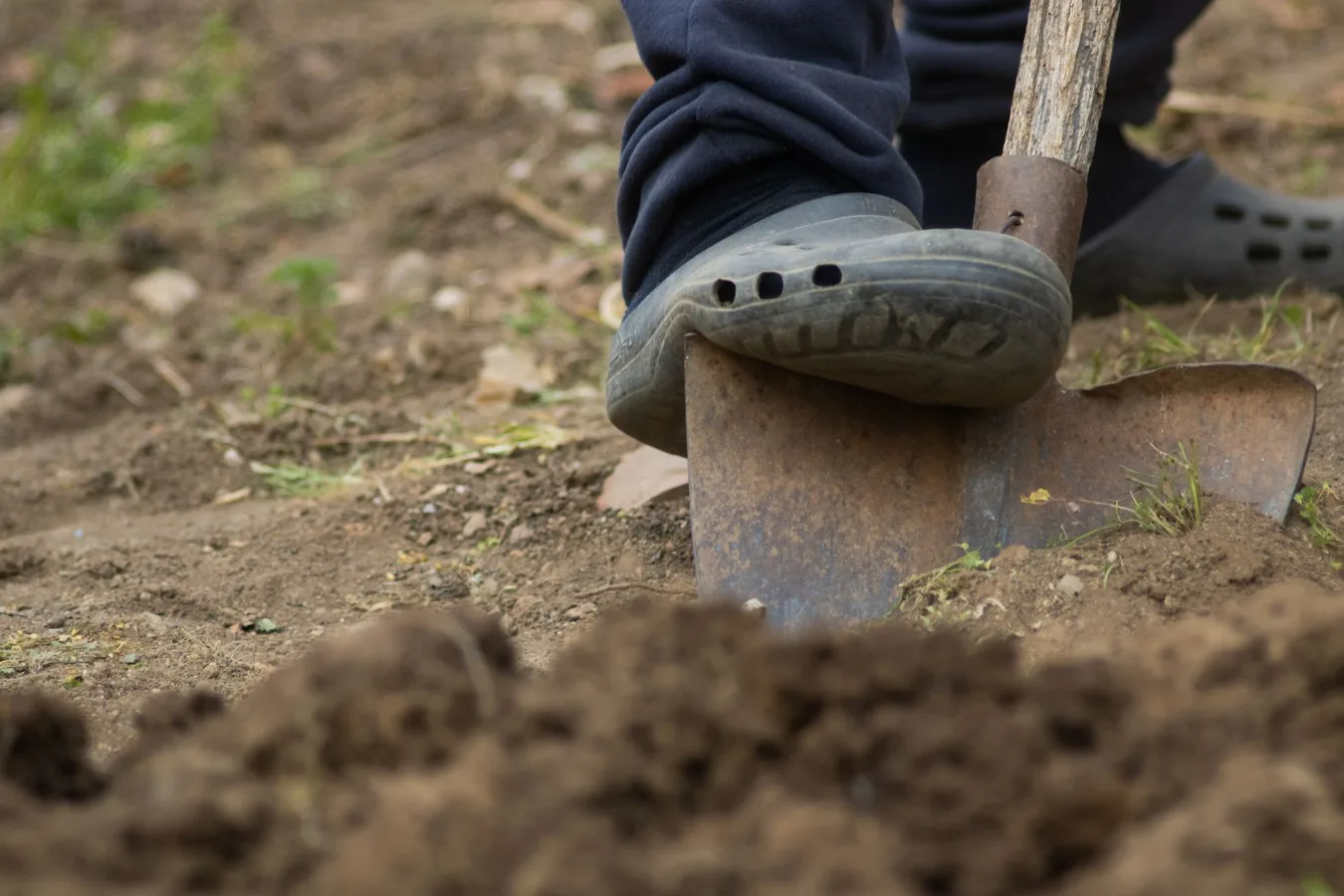
What garden digging tools are for
Garden digging tools help you move, loosen, lift, shape, or remove soil. That sounds broad because the category is broad: a tool that works well for planting a perennial may be the wrong choice for breaking compacted clay or edging a bed. Garden guide offers more detail on this point. Ergonomic Garden Tools: What to Look For offers more detail on this point.
If you are trying to decide what to buy, start with the task rather than the tool name. Most people do not need every digging tool on the shelf. They need one or two that match their soil, the scale of their garden, and how much force they are comfortable applying. How to Choose a Garden Tool Sharpener offers more detail on this point.
For that reason, the best choice is usually a mix of one full-size digging tool and one or two hand tools. That combination covers the most common garden jobs without adding clutter.
When each type matters
Different digging tools shine in different situations. The right one depends on what you are doing and what the ground is like.
Shovels
A shovel is best for moving loose soil, compost, mulch, gravel, or other materials. The blade shape is usually designed for scooping and lifting rather than cutting clean edges. If your main job is transferring material from one place to another, a shovel is more useful than a spade.
For gardeners, that distinction matters. People often buy a shovel expecting it to replace a spade, but the two tools are not interchangeable. A shovel can move soil efficiently; a spade is better for slicing into the ground and defining a bed.
Spades
A spade is one of the most versatile garden digging tools. Its flatter blade helps cut into turf, shape bed edges, and dig planting holes with more precision than a shovel. If you need a general-purpose tool for garden beds, a spade is often the first full-size digging tool to consider.
Border spades are especially helpful in tighter spaces because they are narrower and easier to control. They are not the best choice for moving large volumes of material, but they are excellent for careful digging.
Digging forks
A digging fork is useful when soil is heavy, sticky, or full of roots. Instead of slicing through the ground the way a spade does, the tines loosen and lift soil with less disruption. That can make it easier to aerate a bed, lift root crops, or break up compacted soil without turning it into a dense clump.
This is an overlooked option for many home gardeners. In soil that resists a shovel, a fork can often do cleaner work with less effort. It is also a good choice when you want to preserve the structure of the soil rather than chop it apart.
Hand trowels
A hand trowel is one of the most useful tools for planting bulbs, annuals, and seedlings. It is also handy for small weeding jobs, container gardening, and transplanting. If your work is mostly close to the ground and on a small scale, a trowel may get more use than any full-size tool.
The main limitation is reach and leverage. A trowel is not meant for hard-packed ground or large excavation. It is a detail tool, not a heavy-digging tool.
Hand cultivators and weed diggers
These smaller tools help loosen the top layer of soil, remove weeds, and work in tight spaces around roots or stems. They are useful support tools, but they do not replace a spade or fork for deeper digging.
If your beds already have decent soil structure, a hand cultivator can be enough for maintenance work. If the soil is compacted, you will still need a stronger digging tool to open it up first.
How to choose the right tool for your garden
The best garden digging tools are the ones that match your soil, your body, and the way you actually garden. A thoughtful choice saves time and reduces strain.
Start with the soil
Soil type is one of the biggest decision factors. Sandy or loose soil is easy to move with a shovel or trowel. Clay soil usually asks for more force and benefits from a sturdy spade or digging fork. Rocky soil can be rough on blades and may require a tool with a stronger shaft and a narrower working edge.
Compacted soil is a different challenge. It may look soft on top but resist the first few inches of digging. In that case, a digging fork can sometimes work better than a blade because it opens the soil gradually instead of forcing a clean cut through resistance.
Match the tool to the job
Here is the simplest way to think about it:
- Planting holes: spade or hand trowel
- Moving soil or compost: shovel
- Loosening compacted beds: digging fork
- Edging beds: spade or border spade
- Transplanting seedlings: hand trowel
- Weed removal in tight spaces: hand weeder or small cultivator
If you buy only one tool for general garden digging, a spade is often the most flexible choice. If your work includes a lot of moving material, a shovel may deserve priority instead. Most active gardeners eventually benefit from having both.
Consider handle length and leverage
Handle length affects comfort more than many shoppers expect. Longer handles usually give you more leverage and reduce bending, which can be helpful for larger beds or tougher soil. Shorter tools offer better control in containers, raised beds, and tight corners.
The trade-off is precision versus power. A long-handled tool can feel awkward in a small space. A compact hand tool is easier to maneuver, but it will not give you the same force or reach.
Think about comfort and grip
Comfort matters if you garden regularly. Look for a handle shape and grip that feel secure in your hand, especially if you work for long stretches or have wrist, hand, or back sensitivity. An uncomfortable tool can turn routine digging into a chore you avoid.
Ergonomic features can help, but they are not magic. A tool still needs to fit the task. The most comfortable spade in the world will still be the wrong choice if you are using it to scoop compost across the yard.
Check the balance between strength and weight
Heavier tools can feel sturdy, but they may become tiring during repetitive use. Lighter tools are easier to carry and maneuver, yet they may feel less stable in hard soil. The right balance depends on how much digging you do at one time.
For occasional garden tasks, a moderately light tool can be a good compromise. For frequent digging in demanding soil, a more robust tool may be worth the extra weight.
Materials and build quality to pay attention to
Build quality influences how long a tool stays useful. You do not need industrial-grade equipment for a home garden, but the weak points are usually easy to spot.
- Blade or tine material: Look for something sturdy enough for your soil conditions.
- Handle material: Wood, fiberglass, and metal each have different feels and maintenance needs.
- Connection points: The joint between handle and head should feel secure, because that area takes a lot of stress.
- Grip shape: A well-shaped grip can improve control and reduce slipping.
Material choice also affects maintenance. Wooden handles may feel warmer and more traditional, but they usually need more care than some synthetic options. Fiberglass can be durable and low-maintenance. Metal tools may be strong, but they can transmit more vibration and feel less forgiving in use.
There is no single best material for everyone. The right choice depends on whether you value comfort, toughness, lower upkeep, or lighter weight.
Useful examples by gardening task
Sometimes the fastest way to decide is to picture the actual job you need to do.
Starting a new bed
If you are cutting a new planting area into turf or compacted ground, a spade is usually the starting point. It gives you the edge needed to define the space. A digging fork can then help loosen the soil without overworking it.
Planting shrubs or perennials
A spade is often the most practical tool for digging a planting hole with clean sides. In smaller spaces or container gardens, a hand trowel may be enough.
Dividing crowded plants
A digging fork can be easier on roots and soil structure than a shovel. It can help lift clumps so they separate more cleanly.
Working in raised beds
Raised beds often benefit from smaller, more precise tools. A hand trowel, hand cultivator, and compact fork are often more useful than oversized tools that feel awkward in narrow spaces.
Dealing with hard or rocky ground
This is where buying by appearance can backfire. A flimsy tool may bend, slip, or wear out quickly. A stronger spade or fork is usually a better fit, and in very stubborn soil, it helps to improve the soil over time rather than rely on brute force alone.
A short checklist before you buy
Use this checklist to narrow the options:
- What is the main task: digging, scooping, loosening, edging, or planting?
- What kind of soil do you have: loose, clay-heavy, compacted, or rocky?
- Will you use the tool in open beds, containers, or tight spaces?
- Do you need leverage, precision, or both?
- Will you use it occasionally or often enough that comfort matters a lot?
- Do you want low-maintenance materials or are you willing to care for wood and metal?
- Is the tool balanced enough to feel stable without being unnecessarily heavy?
If you can answer those questions clearly, the right choice becomes much easier. A lot of confusion in the garden tool aisle comes from trying to compare tools that were never meant to do the same job.
Common mistakes people make with garden digging tools
One of the most common mistakes is using a shovel where a spade would work better. Another is buying a heavy-duty tool for a light-duty job and assuming stronger always means better. In practice, an oversized tool can slow you down and make precise digging harder.
Another frequent issue is ignoring handle length and grip comfort. A tool can look sturdy online and still feel wrong once you are actually working with it. That is especially true if you have limited hand strength, back sensitivity, or a garden layout with narrow access points.
A quieter mistake is not considering maintenance. Dirt left on blades, wet storage, and loose joints shorten the life of many tools. Even a solid digging tool performs better when it is cleaned, dried, and stored properly.
How to get more value from fewer tools
You do not need a huge collection to handle most garden jobs. A practical starter set often includes a spade, a shovel, a digging fork, and a hand trowel. From there, add specialty tools only if you keep running into tasks your current set cannot handle well.
That approach is often smarter than buying a large bundle. Bundles can include tools you barely use, while leaving out the one tool that would actually make your work easier. Buying gradually also helps you learn what your garden really demands.
For many home gardeners, the best long-term value comes from choosing a few well-matched tools and maintaining them well rather than replacing cheap, mismatched ones over and over.
Final guidance for choosing garden digging tools
If your goal is to garden more comfortably and efficiently, focus on the job first, then the tool. A spade is often the best all-purpose digging choice. A shovel is better for moving material. A digging fork handles compacted or rooted ground more gracefully. A hand trowel is essential for smaller planting tasks.
The right set is not the biggest one. It is the one that fits your soil, your space, and the way you work.