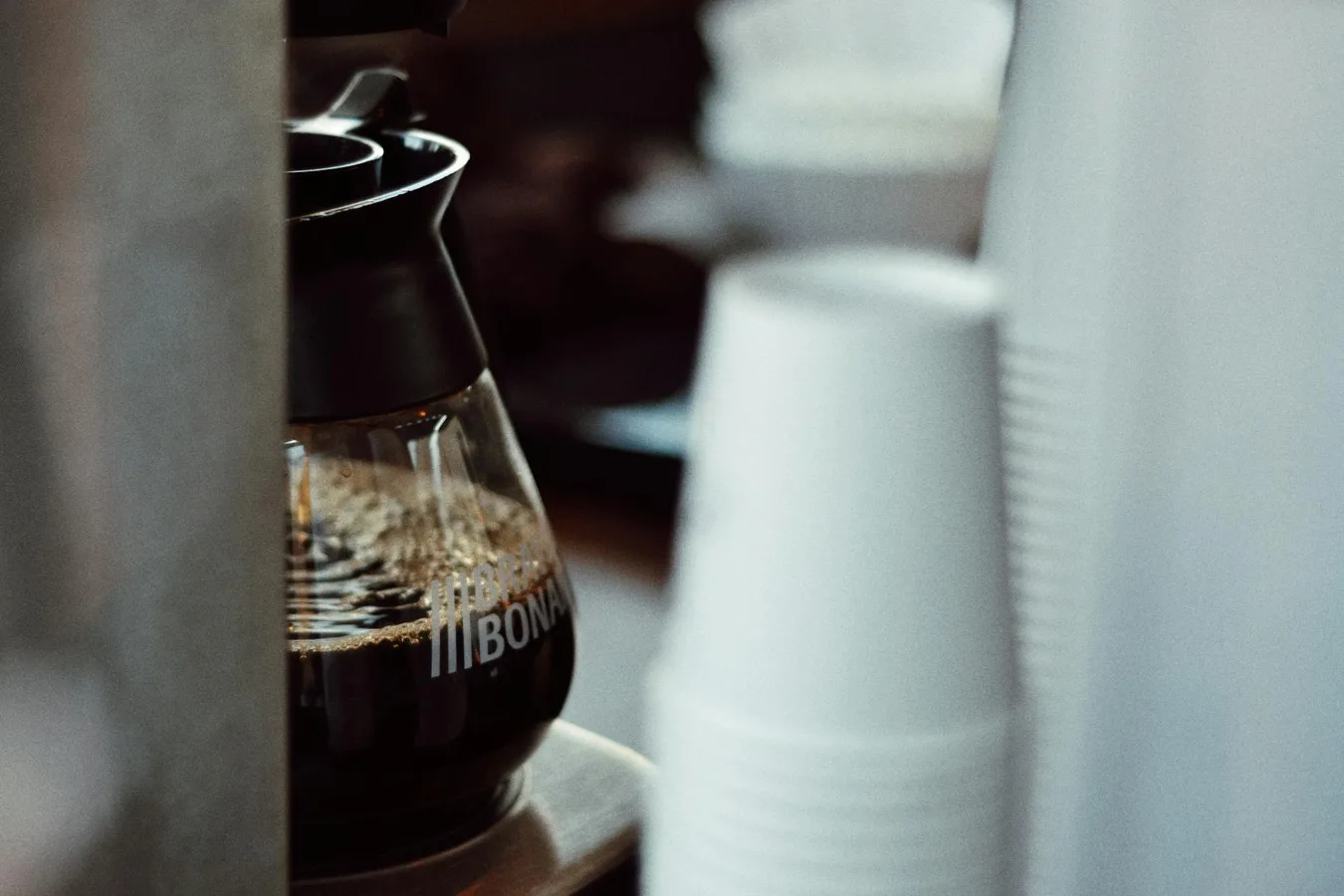
What the Ratio Six coffee maker is best for
The Ratio Six coffee maker is best understood as a streamlined drip brewer for people who want coffee that feels closer to a carefully made pour-over, but without having to stand over the carafe and manage every pour. It is aimed at buyers who value consistency, simplicity, and a cleaner brewing routine more than extra programming, a built-in grinder, or a long list of presets. choosing a coffee maker for specialty coffee offers more detail on this point.
If you are trying to decide whether it belongs in your kitchen, the short answer is this: it makes the most sense for someone who wants a straightforward, high-end drip coffee setup and is comfortable using good beans, proper filters, and a bit of routine care to get the best results.
That also means it is not the right fit for every household. If you want a machine with timers, a hot-water tap, an integrated grinder, or a highly customizable interface, you will probably be happier looking elsewhere. The Ratio Six is more about brewing style and build philosophy than feature count.
Why people look at the Ratio Six instead of a standard drip machine
Most buyers land on the Ratio Six after becoming dissatisfied with ordinary drip coffee makers. Common complaints about standard machines are familiar: uneven extraction, weak flavor, too many plastic parts, awkward cleaning, and a general feeling that the brewer is doing only the minimum. how drip coffee makers work offers more detail on this point.
The appeal of the Ratio Six is that it is designed as a premium batch brewer with a simplified workflow. That matters because drip coffee can be deceptively difficult. Water distribution, contact time, filter quality, and brew temperature all influence the cup. A machine that handles those steps more thoughtfully can make home coffee feel more consistent without making the process complicated.
One practical nuance is that many people confuse “simple” with “basic.” In this category, simplicity is often the point. A minimalist brewer can be a strength if it removes friction from daily use. It can also be a limitation if you expect the machine itself to compensate for poor beans, stale coffee, or careless measuring.
The key factors that matter before you buy
Brewing style and flavor preferences
Before focusing on the machine itself, consider the flavor profile you want. The Ratio Six is positioned for people who like clean drip coffee with clarity and balance. If you prefer the body and punch of immersion methods, French press, or moka pot coffee, that may point you toward a different brewer.
By contrast, if you enjoy light- to medium-roast coffees and want the cup to preserve origin character, a better-designed drip brewer can be a strong match. Drip brewing tends to emphasize brightness and clarity when the recipe is dialed in. That can be a benefit or a drawback depending on the coffee you buy and the way you drink it.
Consistency and convenience
The practical question is not just whether the machine makes good coffee, but whether it makes good coffee with less effort than manual brewing. This is where a machine like the Ratio Six earns attention. It is built for repeatability, which can be especially useful on busy mornings or in households where more than one person wants a dependable cup.
Still, “convenience” has a limit. A drip brewer may simplify the pour, but it does not eliminate the need for attention to grind size, dose, and cleaning. If those basics are ignored, the cup will still suffer. This is one of the most common misconceptions about premium coffee machines: the machine can improve the process, but it cannot replace it.
Capacity and household use
Batch brewers are most useful when you regularly make coffee for more than one person or want enough coffee to last through the morning. If you usually make one cup at a time, a large-capacity brewer may be more machine than you need. In that case, smaller drip makers, single-serve brewers, or manual methods may be better suited. manual coffee maker offers more detail on this point.
Think about real-world use, not just ideal use. If your kitchen setup is tight, if you brew only occasionally, or if you rarely drink more than a mug or two, a premium batch brewer can feel impressive but underused. On the other hand, if you regularly brew for guests, roommates, or a family, the convenience of a full-carafe machine becomes easier to justify.
Controls and learning curve
A simplified brewer can be easy to live with, but there is still a learning curve. Buyers often overlook the fact that a “good” automatic brewer may ask for better technique elsewhere: weighing coffee, adjusting grind size, choosing the right filter, and understanding brew time. Those details can matter more than the controls on the machine itself.
If you want a coffee maker that mostly removes decision-making, you may prefer a more automated appliance with programmable routines. If you are willing to learn a few brewing variables in exchange for better flavor and a cleaner countertop experience, the Ratio Six style of brewer is more appealing.
Maintenance and cleaning
Maintenance is a major deciding factor for any coffee appliance, yet it is often overlooked until the machine starts tasting off. Drip brewers need regular cleaning to prevent coffee oils, mineral buildup, and stale residue from affecting flavor. If the machine uses paper filters, that helps with cleanup, but the carafe, brew basket, water path, and exterior still need attention.
Before buying, consider whether the brewer’s design seems easy to access and wipe down. Simpler machines are often easier to maintain, but not always. Pay attention to removable parts, carafe shape, and how easily you can reach the areas that collect residue.
How to think about performance without overcomplicating it
With a coffee maker like this, performance is less about flashy features and more about how well the brewer supports extraction. A good drip machine should wet the grounds evenly, hold a stable brew environment, and deliver coffee that tastes balanced rather than hollow or bitter.
However, it is easy to overstate the role of the appliance. Coffee quality also depends on the grinder, freshness of the beans, water quality, and the brew ratio. If one of those is off, the results can be disappointing regardless of the machine’s reputation.
A useful way to think about the Ratio Six is as part of a system. It can help a lot if your other variables are already decent. It is less likely to rescue coffee that is too old, ground too inconsistently, or brewed with water that leaves the cup flat.
Grind size and brew ratio still matter
Many buyers focus on the brewer and forget that grind size is one of the biggest levers in drip coffee. Too fine, and the brew can slow down or taste harsh. Too coarse, and the cup may taste thin. The machine can only work with the grounds it is given.
The same goes for coffee-to-water ratio. A machine may be capable of making a very good pot, but the strength you want depends on how much coffee you dose relative to the water. If you routinely prefer stronger coffee, plan to adjust the dose rather than assuming the brewer should somehow make everything taste bolder on its own.
Water quality is an underrated variable
Water is often the overlooked consideration in home brewing. If tap water tastes heavily chlorinated or overly mineralized, the coffee will reflect that. In a well-designed drip brewer, water quality becomes even more noticeable because the machine is not masking flaws with excessive roast character or heavy immersion body.
Filtered water is often a practical improvement for home drip coffee, especially if your local supply tastes inconsistent. This is less about chasing perfection and more about removing avoidable variables.
Practical buying guidance for U.S. shoppers
If you are shopping in the United States, it helps to compare the Ratio Six against the roles it might fill in your kitchen. For example:
- Choose it if you want: a premium drip machine, a minimal control layout, and a brewer that supports thoughtful coffee prep.
- Look elsewhere if you want: programmable scheduling, a grinder built in, pod compatibility, or a very compact single-cup footprint.
- Think twice if: you rarely brew multiple cups, hate cleaning carafes, or prefer highly customizable brewing profiles.
One practical decision-making insight is to separate “nice to have” features from actual daily use. Many coffee makers look attractive on paper but create friction in real routines. If a simple brewer means you will use it more often and enjoy the coffee more, that is usually a better fit than a feature-rich machine that becomes annoying after the first week.
How it compares with common alternatives
It can help to place the Ratio Six in context:
- Versus a basic drip machine: you are usually trading extra features for a more refined brewing approach and a more premium user experience.
- Versus manual pour-over: you get convenience and repeatability, but less hands-on control over every pour.
- Versus a single-serve machine: you gain better batch-brewing potential and often a more coffee-focused result, but lose pod-level convenience.
- Versus a super-automatic espresso machine: you are choosing drip coffee rather than espresso-based drinks, along with a very different daily workflow.
These comparisons matter because the “best” coffee maker is usually the one that fits your habits, not the one with the longest specification list.
Common mistakes people make with premium drip brewers
Buyers often expect a premium coffee maker to solve problems that really belong elsewhere in the brewing chain. The most common mistakes are simple but costly in flavor.
- Using stale beans: fresh coffee matters more than a more expensive machine.
- Ignoring grind consistency: an uneven grind can undercut even a well-designed brewer.
- Skipping regular cleaning: coffee oils and mineral scale will affect taste over time.
- Choosing the wrong batch size: brewing far less than the machine is meant for can change the result.
- Expecting the brewer to do everything: a good machine improves the process, but not the raw materials.
A less obvious mistake is buying for aesthetics alone. Premium appliances can look excellent on a counter, but coffee performance and daily usability should carry more weight. If the brewer is awkward to fill, clean, or store, the shine wears off quickly.
Who should consider the Ratio Six, and who should skip it
This brewer makes the most sense for coffee drinkers who want a clean, minimal batch brewer and are willing to pay attention to the rest of the brewing setup. It suits people who appreciate straightforward operation, care about cup quality, and do not need a long menu of functions.
It may not be ideal if your priorities lean toward flexibility, automation, or compactness. Households that mostly need single cups, buyers who want a programmable wake-up schedule, and users who dislike maintenance may be better served by another appliance.
If your goal is to build a better home coffee routine rather than just add another appliance, this is the right way to evaluate it. The machine should fit your routine, not force you to build one around it.
Practical ways to get better results from any brewer like this
Even without getting into brand-specific tricks, a few habits make a clear difference with this type of coffee maker:
- Use fresh, properly stored beans.
- Grind consistently and adjust based on taste.
- Measure coffee and water instead of guessing.
- Keep the brewer clean and descale as needed.
- Use water that tastes good on its own.
- Match the batch size to the amount you actually want to drink.
Those steps sound basic, but they are the difference between an expensive machine that feels average and a premium brewer that earns its place in the kitchen.
FAQ
Is the Ratio Six coffee maker worth it?
It can be worth it for buyers who want a premium drip brewer with a simple workflow and consistent results. If you value extra automation or advanced controls, another machine may be a better fit.
Do you need a grinder with the Ratio Six?
For best results, a quality grinder is highly useful. Brew quality in drip coffee depends heavily on grind consistency, so the machine works best as part of a complete setup.
Is the Ratio Six good for one person?
It can work for one person, but it is primarily a batch brewer. If you usually make only a single cup, a smaller brewer or manual method may be more practical.
What kind of coffee does it suit best?
It generally suits people who enjoy clean, balanced drip coffee, especially when using fresh beans and a dialed-in grind. Flavor preference will still depend on roast level, water, and recipe.
How important is cleaning?
Very important. Like any coffee maker, regular cleaning helps preserve flavor and keeps the brewer performing as intended over time.
Final buying perspective
The Ratio Six coffee maker is not trying to be everything at once. Its value comes from doing a specific job well: making premium-style drip coffee in a simpler, more repeatable way. That makes it appealing to people who want a cleaner routine and better coffee without the clutter of unnecessary features.
If you approach it as part of a broader brewing system, it becomes easier to judge fairly. The brewer matters, but so do beans, grind, water, and maintenance. For the right buyer, that balance is exactly what makes a machine like this attractive.