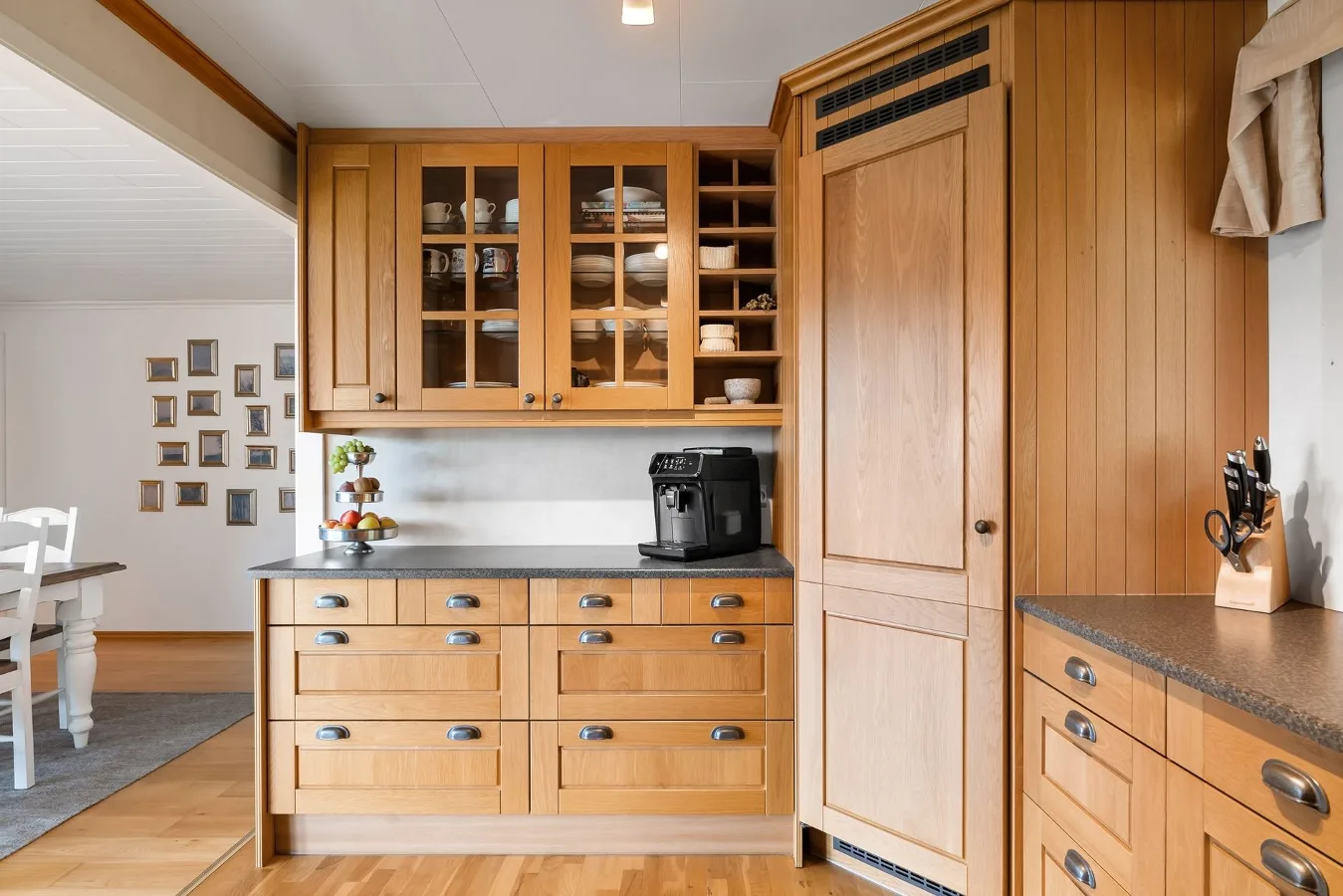
A Miele built-in coffee maker is a strong fit for homeowners who want a dedicated coffee station that blends into the kitchen rather than sitting on the counter. The appeal is not just visual. A built-in unit can help create a cleaner workflow, free up surface space, and bring espresso-style drinks into the everyday routine without turning the kitchen into an equipment display.
The right question is less “Is a Miele built-in coffee maker good?” and more “Does a built-in coffee system make sense for this kitchen, this household, and this level of maintenance?” That framing matters, because these appliances are as much a design and installation decision as they are a beverage choice. built-in coffee appliance options offers more detail on this point.
Who a Miele built-in coffee maker suits best
This category tends to work best for homeowners who already value integrated appliances and want coffee to feel like part of the kitchen architecture. It can be especially appealing in a remodel, a new build, or a kitchen where the appliance wall is already planned around ovens, warming drawers, and other built-ins.
A Miele built-in coffee maker makes the most sense if you:
- want a permanent coffee setup instead of a movable countertop machine
- prefer a streamlined look with fewer appliances visible
- make espresso drinks, cappuccino, latte, or long coffee often enough to justify a dedicated appliance
- have cabinet space and utility access planned for a built-in unit
- are comfortable with the upkeep that comes with a more advanced coffee system
It is less compelling if your household is casual about coffee, if you move often, or if you want something simple to replace quickly. A built-in appliance creates a stronger commitment to layout, service access, and maintenance than a countertop brewer. choosing between built-in and countertop coffee machines offers more detail on this point.
The main trade-offs to weigh
The biggest advantage of a built-in coffee maker is integration. It can look refined, save counter space, and keep the kitchen visually quiet. But that clean appearance comes with practical trade-offs that buyers should not overlook.
Design versus flexibility
A built-in coffee maker is not easy to relocate. Once it is integrated into cabinetry, the appliance becomes part of the room’s fixed layout. That is ideal for homeowners who are confident in their kitchen plan, but less ideal for anyone who expects their needs to change quickly.
Convenience versus upkeep
Many built-in coffee systems are chosen for convenience, but convenience has a maintenance side. Depending on the model and installation, you may need to keep up with cleaning cycles, water system management, bean storage, and general care more consistently than with a basic drip machine.
Premium fit versus budget flexibility
Built-in appliances often sit in a different planning category than countertop models. The purchase decision is tied not only to the appliance itself, but also to cabinet design, electrical planning, ventilation or clearance needs, and possible plumbing considerations. That broader scope can make the total project more complex than it first appears.
A common misconception is that the appliance choice alone determines the result. In reality, the kitchen design around the machine often matters just as much. Poor placement can make even a premium coffee maker feel awkward to use.
Material and spec factors that matter most
Because built-in coffee makers are integrated into cabinetry and used daily, the most useful comparison points are not flashy features in isolation. Buyers should focus on the practical details that affect daily use, long-term care, and installation compatibility.
Cabinet fit and appliance dimensions
Built-in coffee makers are designed around specific installation spaces. Before narrowing down a model, confirm the cabinet opening, surrounding trim allowances, and service access requirements. A common planning mistake is focusing only on the front-facing look while overlooking what happens behind and around the unit.
You also want to think about how the appliance will sit relative to adjacent ovens, microwaves, warming drawers, and storage. A coffee maker that is technically compatible with the cabinet opening can still feel inconvenient if it is placed too high, too low, or too far from the prep zone.
Water source and refill workflow
One of the most important decision points is how the machine handles water. Some buyers prefer a plumbed setup because it reduces the need to refill a reservoir by hand. Others prefer the flexibility of a self-contained tank, especially if plumbing access is difficult or if the kitchen layout is still in flux.
This is an overlooked consideration because the right choice depends on usage patterns. A household that makes multiple drinks throughout the day may appreciate the convenience of a water line. A lighter-use household may find a reservoir perfectly adequate and less complex to install.
Grinder integration and bean storage
Many built-in coffee systems are designed around whole beans and internal grinding. That can be a major advantage if you want freshness and convenience in one appliance. Still, it also means paying attention to bean storage, hopper capacity, and how often you are comfortable refilling the machine.
Fresh beans need a dry, stable storage environment. If the coffee maker is part of a busy kitchen, choose a storage plan that keeps beans away from heat, steam, and unnecessary exposure to air.
Milk system and drink versatility
If your household drinks milk-based beverages, the milk frothing system deserves close attention. Some buyers focus entirely on espresso output and later realize they want easier cappuccino or latte preparation. The best system for your home depends on how much drink variety you actually want, not just the headline appliance category.
Milk handling also adds another layer of care. More beverage options can mean more parts to clean, more surfaces to maintain, and a slightly longer daily routine.
Cleaning access and removable components
A built-in coffee maker should be judged partly by how realistically it can be maintained. Look for service-friendly design, removable brew components where applicable, and a cleaning routine that fits your household. If a machine is difficult to access or intimidating to clean, its premium feel can fade fast.
For many buyers, this is where the difference between a clever appliance and a practical one becomes clear. A coffee maker that is beautiful but annoying to maintain usually gets used less enthusiastically over time.
Why the built-in format changes the buying decision
A countertop coffee machine is usually chosen for brewing capability. A built-in coffee maker is chosen for brewing capability plus spatial integration. That changes the evaluation in a few important ways.
First, the appliance becomes part of the kitchen’s visual language. In a modern kitchen with clean lines, hidden storage, and coordinated finishes, that can be a major advantage. In a more flexible or traditional kitchen, the same appliance may feel like a bigger commitment than necessary.
Second, the machine sits inside a broader system. Cabinetry, electrical planning, access for maintenance, and the convenience of nearby cups, beans, water, and cleaning supplies all influence how well the appliance works day to day.
Third, the buying decision is more permanent. A countertop model can be upgraded or replaced relatively easily. A built-in coffee maker is usually chosen with a longer horizon in mind, so it helps to think about long-term household habits rather than this year’s preferences only. Coffee Maker Black Friday Buying Guide offers more detail on this point.
Common limitations buyers should plan around
Even a well-chosen built-in coffee maker has limitations. Understanding them early prevents disappointment later.
- It requires committed space. This is not a portable appliance and usually cannot be repurposed easily.
- It depends on proper installation. Cabinet fit, electrical planning, and access all matter.
- It creates maintenance obligations. Cleaning routines are part of ownership, not an afterthought.
- It may be less forgiving in a remodel. Changing the kitchen layout later can complicate the appliance setup.
- It may be more machine than simple brewer. Buyers who want one-button simplicity should compare interfaces carefully.
Another subtle limitation is social. Some households want a coffee maker that everyone can use intuitively. More advanced built-in systems can be excellent, but they may require a short learning period so family members understand drink settings, cleaning prompts, and routine care.
Alternatives worth considering
A Miele built-in coffee maker is not the only way to create a polished coffee setup. Depending on the kitchen and budget, these alternatives may be more practical.
High-end countertop espresso machine
This is often the best alternative for buyers who want strong beverage quality without committing to cabinet integration. It keeps the appliance flexible and can still deliver a premium coffee experience, especially if you pair it with a grinder and proper storage.
Countertop superautomatic machine
If you want convenience and drink variety but do not need a built-in look, a countertop superautomatic machine can offer a strong middle ground. It is easier to install, easier to replace, and usually simpler to adapt if your needs change.
Dedicated coffee bar setup
Some kitchens work better with a designated beverage station rather than an integrated appliance wall. This can include a coffee machine, grinder, mugs, beans, and storage arranged in one zone without tying the system into cabinetry.
The right alternative depends on how permanent you want the setup to feel, how much coffee you make, and how important seamless design is relative to flexibility.
How to evaluate whether it belongs in your kitchen
If you are serious about a Miele built-in coffee maker, the best next step is to check the appliance against your real kitchen conditions rather than an idealized wish list.
- Map the installation space. Confirm cabinet dimensions, clearances, and service access.
- Decide on water strategy. Choose between plumbing convenience and a reservoir-based setup.
- Think through drink habits. Espresso-only and milk-based households may need different features.
- Assess maintenance tolerance. Be honest about how much cleaning and upkeep your household will manage.
- Compare the coffee zone to the rest of the kitchen. The best placement is the one that fits the workflow, not just the wall.
- Plan storage nearby. Beans, cups, filters or cleaning supplies should be easy to reach.
This is where many buyers make better decisions: not by chasing the most feature-rich model, but by choosing the one that fits the kitchen’s rhythm. A coffee maker that is slightly less ambitious but easier to live with can be the better long-term choice.
Next steps before you buy
Before committing, review the manufacturer’s installation requirements, confirm whether your kitchen plan supports the unit you want, and compare it with a countertop alternative if flexibility matters. If you are working with a designer or contractor, bring the coffee appliance into the conversation early. Built-in appliances are easiest to accommodate when the kitchen layout is still being finalized.
If your goal is a seamless, upscale coffee station that feels built into the home rather than added on later, a Miele built-in coffee maker may fit that brief well. If your priority is adaptability, easy replacement, or minimal maintenance, a different coffee setup may serve you better.
The best purchase decision is the one that matches both the appliance and the household. That balance matters more than any single feature list.