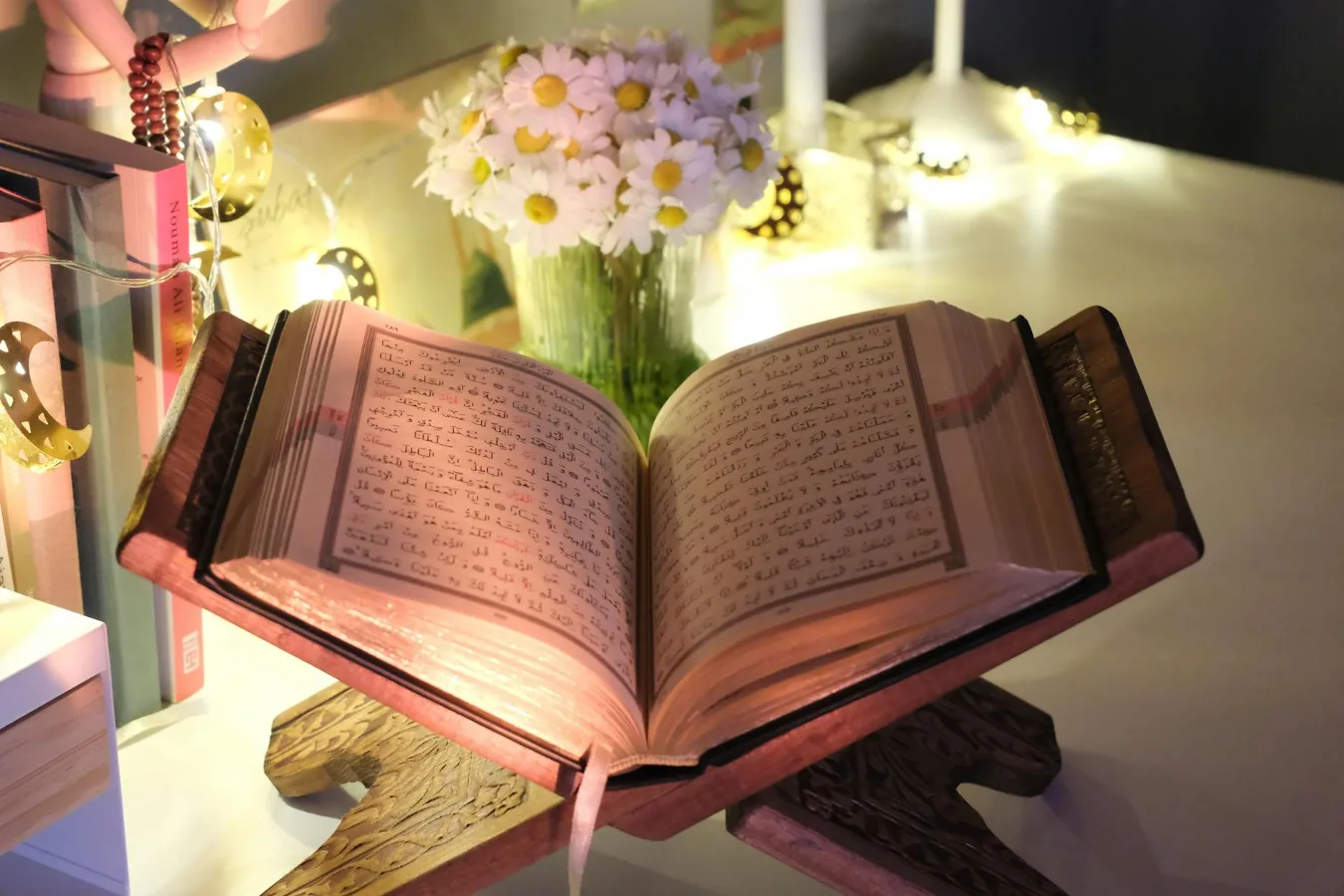
Islamic home decor is best understood as decor that brings faith, beauty, and everyday livability into the same space. For many buyers, that means more than just hanging a verse on the wall. It can include Arabic calligraphy, geometric patterns, lanterns, prayer-space accents, neutral textiles, framed supplications, and carefully chosen objects that feel respectful rather than crowded or overly themed. Home Theater Home Decor Ideas That Feel Cohesive offers more detail on this point. horse home decor offers more detail on this point.
If you are shopping for Islamic home decor, the real question is not just what looks attractive. It is what fits your room, reflects your values, and holds up in everyday use. The best choices tend to balance meaning with restraint, so the home feels intentional instead of overloaded.
Start with the role you want the decor to play
Before comparing styles or materials, decide what you want the piece to do. Some Islamic decor is meant to be a focal point, such as a large wall piece in a living room or foyer. Other items are meant to create atmosphere, like lanterns, patterned cushions, or subtle tabletop accents. A third category is personal and devotional, such as art for a prayer corner or a quiet bedroom display.
This matters because the right item for one room can feel out of place in another. A bold metal calligraphy piece might work well above a sofa, while a softer framed print may suit a bedroom or study better. If the room already has visual activity from rugs, patterned curtains, or heavy furniture, simpler decor often reads better. this gold lamp floor guide offers more detail on this point.
Key factors that shape a good purchase
1. Meaning and content
Many shoppers focus first on the inscription, and that is a sensible starting point. If the piece includes Arabic calligraphy, Quranic verses, names of Allah, or other sacred text, you want to be comfortable with the wording and the setting where it will hang. A design that feels beautiful in a listing may still be the wrong fit if the text is hard to read, the meaning is unclear, or the placement would expose it to wear and tear.
One overlooked consideration is context. Sacred wording in a high-traffic entryway, near floor level, or in a space with frequent moisture may not be the best choice. Decorative pieces inspired by Islamic geometry, arches, or abstract motifs can be a better alternative in spaces where you want the mood without using text.
2. Material and finish
Islamic home decor is made in a wide range of materials, including wood, metal, acrylic, canvas, ceramic, glass, and fabric. The right material depends on where the item will go and how much upkeep you want.
- Wood can feel warm and traditional, and it often works well in calm, natural interiors.
- Metal usually creates stronger contrast and can look more modern or architectural.
- Canvas and paper prints are easier to frame and can suit bedrooms, offices, and smaller rooms.
- Acrylic may look sleek, but it can show reflections and fingerprints more easily.
- Textiles add softness but may need more care if they are used in busy spaces.
Finish matters too. Matte surfaces generally feel quieter and more understated. Glossy finishes can look polished but may catch light in a way that makes text harder to read. If the design depends on intricate lettering, too much shine can work against legibility.
3. Size and scale
Scale is one of the most common mistakes in decor shopping. A piece that looks elegant in a product image can feel either overwhelming or insignificant once it reaches your wall. In Islamic home decor, size should be chosen based on the wall, the furniture below it, and the visual weight of the room.
As a general design principle, larger walls need either a substantial single piece or a balanced grouping. A small calligraphy plaque above a wide sofa may look lost, while a large panel above a narrow console may feel too dominant. Measure first, then imagine the decor in relation to the furniture rather than as an isolated object.
4. Style compatibility
Islamic home decor spans many styles, from traditional to contemporary. Some pieces lean ornate, with arches, gold accents, and layered motifs. Others use clean lines, monochrome palettes, and minimalist typography. Neither approach is inherently better. The right choice is the one that fits the rest of the room.
If your home already leans modern, you may prefer simplified calligraphy or geometric decor in black, white, brass, or natural wood tones. If your space has richer textures or classic furnishings, more detailed motifs can feel harmonious. The goal is cohesion, not a collection that looks like it came from unrelated rooms.
5. Placement and visibility
Where the decor will live matters as much as what it is. Wall art is usually the easiest category to place, but even then you should think about viewing height, nearby lighting, and whether the artwork will be seen from across the room or up close. Tabletop decor needs enough space to breathe, while shelves and console tables can get visually crowded quickly.
There is also a practical side to placement. Pieces near doors, kitchens, or play areas need to handle more movement and occasional contact. More delicate items may be better suited to quieter rooms such as a bedroom, study, or formal sitting area.
Practical ways to style Islamic home decor well
A room usually feels better when Islamic decor is integrated instead of added as an afterthought. That does not mean every object must match. It means the decor should connect to the room through color, material, proportion, or mood.
Use one focal point, then keep the rest quieter
If you choose a prominent calligraphy piece, let it lead. Surround it with simpler supporting elements such as neutral walls, understated textiles, or a clean-lined console table. Too many strong focal points in one room can make the design feel busy and compete with the message of the piece itself.
Lean on texture, not only decoration
Many Islamic-inspired interiors feel sophisticated because they use texture well. Woven rugs, wood grain, linen curtains, brushed metal, and ceramic finishes can all create depth without visual clutter. This is especially useful if you want a meaningful room but do not want a heavily themed look.
Coordinate with lighting
Lighting can change how Islamic decor reads. Warm light tends to soften metal finishes and make wood feel more inviting. Cool or very bright lighting can make some wall art look flatter. If a piece relies on gold, silver, or mirrored details, consider how natural light changes throughout the day. A design that seems balanced in the store may behave differently at home.
Use seasonal accents carefully
Many households like to refresh Islamic decor for Ramadan or Eid. That can be a beautiful tradition, but it is worth choosing a core set of pieces that work year-round, then layering in seasonal accents. Temporary banners, lanterns, table runners, or small ornaments can add a festive feeling without forcing a permanent style shift.
What to compare before you buy
Commercial listings often focus on appearance, but practical buyers should compare a few less visible details too.
- Readability: Is the calligraphy clear enough at the distance you plan to display it?
- Finish quality: Does the surface look even, and are edges clean?
- Mounting method: Does it come ready to hang, or will it need additional hardware?
- Care requirements: Can it be dusted easily, or will it need careful handling?
- Room suitability: Does the style suit a living room, bedroom, office, or prayer area?
- Visual balance: Will it work with your current furniture and wall color?
These details affect long-term satisfaction more than a styled product photo. A beautiful piece that is hard to mount, difficult to clean, or visually awkward in the room tends to feel like a compromise after the novelty wears off.
Common mistakes buyers make
One common mistake is treating Islamic home decor as one single style. In reality, the category includes many directions: modern, traditional, minimalist, ornate, geometric, and text-based. A piece should be chosen for the room and the household, not just for the label.
Another mistake is overdecorating. Faith-centered decor often has more impact when it is given space. If every wall, shelf, and tabletop is filled, the room can lose the calm feeling many people are trying to create in the first place.
A third issue is ignoring maintenance. Some finishes show fingerprints, dust, or scratches more readily than others. If you are decorating a busy family area, low-maintenance materials may be the better long-term choice even if they are less dramatic.
Finally, buyers sometimes choose text-based decor without considering placement. Sacred wording deserves thoughtful handling. If you are unsure about a specific room or setting, geometric and architectural motifs can provide a respectful alternative while still expressing the same aesthetic direction.
Choosing between text-based decor and non-text alternatives
Text-based Islamic decor can feel deeply personal, especially in a prayer corner, living room, or entryway. It often carries the clearest spiritual message. But it is not the only good option. Non-text pieces can create a more flexible home design, especially if you want something neutral enough to stay in place year-round or work in multiple rooms.
Text-based decor is often best when you want the message to be prominent. Non-text decor is often better when you want subtlety, broader placement options, or easier styling with existing furniture. Many well-designed homes use both: a meaningful focal point in one room and quieter Islamic-inspired motifs elsewhere.
How to make the decor feel intentional instead of themed
The difference between thoughtful styling and a themed look usually comes down to restraint and repetition. Pick a small set of materials or colors and repeat them in a few places. For example, if you choose black metal wall art, you might echo that tone in a lamp base, picture frame, or side table detail. If you choose warm wood, carry that warmth into another object nearby.
It also helps to keep the surrounding furniture simple. A calm backdrop allows Islamic decor to stand out without needing to be oversized or ornate. For many homes, the strongest result comes from one or two carefully chosen pieces rather than a full room of matching items.
Who this decor works best for
Islamic home decor is a strong fit for people who want their living space to reflect their faith in a tasteful, design-conscious way. It also suits buyers looking for meaningful gifts for weddings, housewarmings, Ramadan, or Eid. Minimalist shoppers may prefer geometric or typography-led pieces, while more traditional buyers may lean toward richer ornamentation and layered forms.
If you are decorating a rental, a small apartment, or a shared space, lightweight wall art and compact tabletop pieces are usually the easiest place to start. If you own your home and want a more permanent look, larger statement pieces and coordinated materials can create a stronger sense of identity.
A simple way to narrow your choice
If you are comparing options and feel stuck, use this order of priorities:
- Decide whether you want text-based decor or a non-text alternative.
- Choose the room and determine whether the piece should be subtle or a focal point.
- Match the size to the wall or surface before falling in love with the design.
- Select a material that fits your maintenance preferences and lighting.
- Check whether the style complements the rest of the room.
That sequence prevents the most common buying regrets. It keeps the decision grounded in how the piece will actually live in your home rather than how it appears in a product image.
Well-chosen Islamic home decor should do more than decorate a blank wall. It should make the room feel calmer, more personal, and more coherent. If you focus on meaning, scale, material, and placement, you are much more likely to find pieces that still feel right after the season changes and the trend cycle moves on.