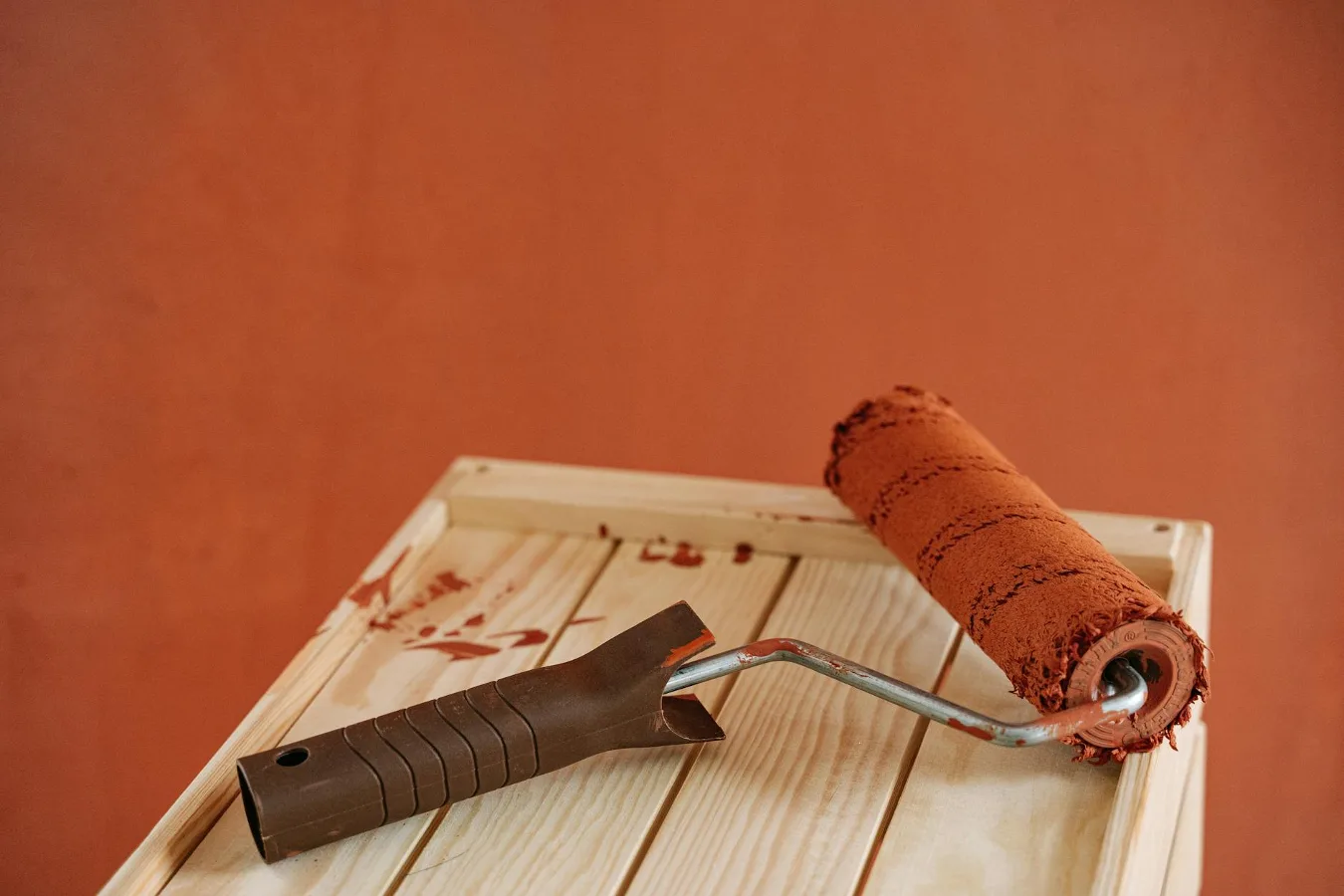
When outdoor paint for furniture makes sense
Outdoor paint for furniture is worth choosing when you want to refresh worn surfaces, protect exposed materials, or change a piece to better fit a patio, porch, or garden setting. The right paint can help a chair, table, bench, or bistro set look cleaner and hold up better against sun, moisture, and regular use. outdoor furniture outlet offers more detail on this point.
The best choice depends less on color and more on the surface underneath. Wood, metal, wicker, and some synthetic materials each behave differently outdoors. A finish that looks great on a porch rocker may fail quickly on a metal table that sits in full sun and rain.
If you are comparing products for a garden or patio project, start with the material, then think about exposure, prep time, and how often you are willing to maintain the finish. That approach will save more frustration than chasing the most marketed “all-purpose” option. how to prep garden furniture for painting offers more detail on this point.
Start with the surface, not the color
Many shoppers begin by looking for a color or finish, but surface compatibility is the real decision point. Outdoor furniture paint needs to bond to the base material and tolerate outdoor conditions without peeling, chalking, or wearing through too quickly.
Wood
Wood is usually the most forgiving material to paint, but it still needs proper preparation. Bare wood can absorb paint unevenly, while previously coated wood may need cleaning, sanding, or spot priming. Softwoods and weathered boards may also benefit from an exterior primer so the topcoat looks more uniform.
Metal
Metal furniture often needs the most attention because rust, oxidation, and slick factory finishes can prevent good adhesion. If rust is present, it should be addressed before painting. For painted metal, compatibility with an exterior primer is often just as important as the topcoat itself.
Wicker and woven pieces
Wicker furniture can be painted, but the weave creates crevices that trap dust and old finish. A thinner application usually works better than trying to cover everything in one heavy coat. Flexibility matters here, since the surface may move slightly with use.
Plastic and resin
Some plastic and resin furniture can be painted, but the result depends heavily on the exact material and the preparation. Smooth, glossy surfaces are especially challenging. If the piece flexes a lot or the plastic is difficult to bond with, a paint job may be more cosmetic than durable.
How to choose the right outdoor paint
There is no single best outdoor paint for all furniture. The right product depends on the finish you want, how the piece will be used, and how much maintenance you are willing to accept later. best wood for outdoor furniture offers more detail on this point.
Check adhesion first
Good outdoor paint should bond well to the substrate after proper prep. If a product requires very specific preparation that you are unlikely to complete, it may not be the best match. A simpler system that you can prep and apply correctly often performs better than a more specialized coating used carelessly.
Think about weather exposure
Furniture under a covered porch faces different demands than a dining set left on an open deck. Direct sun, standing moisture, and seasonal temperature swings all affect how paint ages. In harsher conditions, prioritize exterior-rated products and finishes that are easier to touch up.
Match the finish to the piece
Matte finishes can hide imperfections, while satin and semi-gloss finishes are usually easier to wipe clean. Higher-sheen finishes often feel more practical for tabletops and seats, but they can highlight surface flaws more than a flatter finish.
For decorative side tables or accent chairs, appearance may matter more than scrubbing ease. For heavily used dining furniture, a finish that cleans easily is often the better trade-off.
Choose based on maintenance tolerance
Some outdoor coatings are more forgiving of touch-ups, while others look great at first but are harder to blend later. If you expect the furniture to get bumped, dragged, or exposed year-round, choose a finish system you can maintain without stripping the entire piece every time.
Step-by-step criteria to narrow your choice
Use the following sequence to decide on a paint system without getting lost in product labels and marketing language.
- Identify the material. Confirm whether the furniture is wood, metal, wicker, plastic, or a composite surface.
- Assess the condition. Look for rust, peeling layers, mildew, cracks, loosened joints, or sun damage.
- Gauge the exposure. Consider whether the piece sits in full sun, partial shade, a covered area, or a wet location.
- Decide on the finish. Choose the look and cleanability you want, such as matte, satin, semi-gloss, or gloss.
- Review prep requirements. Make sure you are willing to sand, clean, degrease, prime, or repair before painting.
- Plan for upkeep. Decide whether you want a finish that can be touched up easily or one that prioritizes a uniform appearance.
This order matters because many paint problems come from skipping the surface assessment. A premium exterior coating will not compensate for rust left in place or dust trapped under the finish.
Common paint types and where they fit best
Different paint categories serve different needs. The label matters less than whether the coating is appropriate for the furniture and the environment.
Exterior latex paint
Exterior latex is often chosen for wood furniture because it is widely available, generally easy to work with, and suitable for many outdoor projects. It tends to be a practical option when you want straightforward application and cleanup. The downside is that some surfaces still need a good primer and careful prep to avoid premature wear.
Exterior enamel
Exterior enamel is often associated with a harder finish and a smoother look. It can be a strong option for pieces that need a more durable surface, especially when cleanability matters. The trade-off is that application can be less forgiving, and prep quality becomes even more important.
Spray paint designed for outdoor use
Spray formats are useful for chairs, woven pieces, and detailed shapes where brushes leave visible marks or miss hard-to-reach areas. They can create an even finish, but they also demand careful masking and several light coats. Overspray is a real limitation, especially if you are working near landscaping, walls, or stone.
Specialty coatings and refinishing systems
Some projects call for specialty primers, rust-inhibiting products, or coatings intended for difficult surfaces. These can be helpful for specific problems, but they are not automatically better. Use them when the furniture’s condition or material actually requires that level of support.
Preparation is the difference between a fresh look and early failure
With outdoor furniture, prep is not optional. Dirt, oils, mildew, loose finish, and corrosion all interfere with adhesion. Skipping preparation is the most common reason a painted piece starts to look tired long before it should.
At minimum, the surface should be clean and dry. Beyond that, the amount of prep depends on the condition of the piece. A lightly weathered table needs a different approach than a peeling metal chair or a glossy resin bench.
What often gets overlooked
One overlooked factor is the underside and hidden edges. These areas may not be visible in photos, but they often collect moisture first. If you leave them untreated, the finish can fail from the edges inward. Another common issue is hardware, such as screws and brackets, which may need attention before painting the surrounding surfaces.
Examples of good matches by furniture type
These examples can help narrow your search without turning the decision into a one-size-fits-all answer.
- Wood porch chair: Exterior latex or enamel with proper priming is often a practical choice, especially if you want easy color changes later.
- Metal bistro set: A rust-aware prep process and an exterior-rated coating are important, particularly if the furniture is left outside often.
- Wicker accent chair: A paint format that reaches the weave evenly may be more useful than a thick brush-applied coating.
- Covered patio bench: A finish that balances appearance and cleanability may be enough if the bench is sheltered from direct weather.
- Plastic side table: Success depends on the material and prep more than the color choice, so compatibility should lead the decision.
Limitations worth weighing before you buy
Painting outdoor furniture is not always the best answer. Some pieces are so weathered that stripping, repair, and refinishing become more work than replacement. Others, especially certain plastics or heavily textured surfaces, may not hold paint in a way that looks clean for long.
Paint also changes the maintenance equation. Once a piece is painted, future touch-ups may be visible if the original color has faded or if the coating has aged unevenly. If you want a low-maintenance route, a UV-stable stain, protective clear coat, or replacement cushion covers may be a better fit for some items than a full paint job.
Common mistakes to avoid
- Choosing paint before identifying the material. Not every finish works on every surface.
- Painting over contamination. Dust, grease, mildew, and chalky residue can ruin adhesion.
- Ignoring rust. Rust left in place can continue to spread beneath the coating.
- Applying coats too heavily. Heavy coats can drip, cure unevenly, or feel soft longer than expected.
- Using the wrong sheen for the job. A decorative matte finish may be harder to keep clean on a dining surface.
- Assuming one coat is enough. Outdoor furniture often needs a system, not a single pass of color.
Quick checklist before you paint
Use this checklist to confirm the project is set up for a better result.
- Identify the furniture material.
- Inspect for peeling, rust, mildew, and loose joints.
- Clean and dry the surface thoroughly.
- Sand or scuff as needed for adhesion.
- Use a primer if the surface or product requires it.
- Choose a finish that matches exposure and use.
- Allow proper drying time between coats.
- Plan where the furniture will cure and dry without dust or moisture.
- Decide how you will maintain or touch up the finish later.
Frequently asked questions
Can you use regular interior paint on outdoor furniture?
Usually not if you want the finish to last. Interior paint is not designed for the same exposure to moisture, sun, and temperature changes that outdoor furniture faces.
Do you need primer for outdoor furniture paint?
Often yes, especially on metal, glossy surfaces, stained wood, or anything that has a history of peeling. Primer improves adhesion and can help create a more even finish.
What finish is easiest to clean on patio furniture?
Satin, semi-gloss, and gloss finishes are generally easier to wipe down than flatter options. The trade-off is that higher sheen can show surface flaws more easily.
Is spray paint a good choice for garden furniture?
It can be, particularly for detailed shapes, woven furniture, or hard-to-reach areas. The key is using light coats and protecting nearby surfaces from overspray.
What if the furniture is already peeling?
Loose paint should be removed before recoating. Painting over failing layers usually shortens the life of the new finish and can make the final result uneven.
A practical way to shop for outdoor paint furniture projects
If you want the most reliable result, focus on compatibility first, then durability, then appearance. That order helps you avoid buying a product that looks right on the shelf but performs poorly on your actual furniture. For many garden and patio projects, the best choice is the one that matches the material, tolerates the weather exposure, and fits the level of prep you are realistically willing to do.
Outdoor paint can be a smart way to extend the life of furniture, but only when the surface is sound enough to support it and the coating system is chosen with the real conditions in mind. If the piece is worth keeping, take the time to match the paint to the job instead of the other way around.