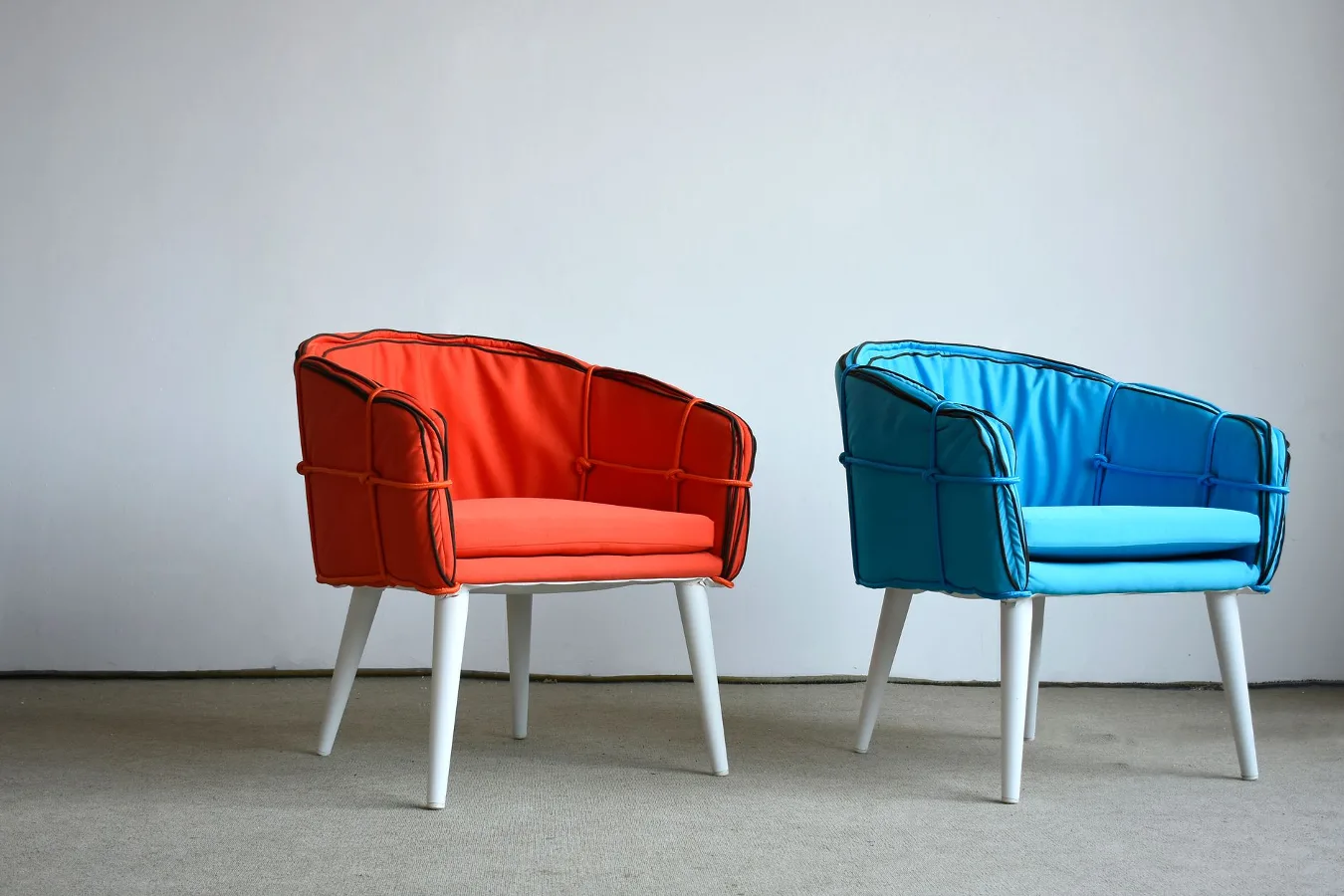
If you’re searching for Nautica outdoor furniture, you’re usually looking for a specific mix of style, outdoor durability, and practical comfort. The name often appears in the context of patio seating, dining pieces, cushions, and coastal-inspired outdoor decor, so the real question is less about one single product and more about whether the collection or piece fits your space, climate, and maintenance expectations.
The best way to shop Nautica outdoor furniture is to evaluate the same things you would for any outdoor purchase: frame material, cushion construction, weather exposure, cleaning needs, and how the piece will actually be used. That matters because a set that looks right in a product photo may not be the best choice for a full-sun deck, a covered porch, or a busy family patio.
Quick answer: what to look for first
Start with the use case. If you want relaxed seating for a covered patio, comfort and cushion feel may matter more than maximum weather resistance. If the furniture will sit in an uncovered backyard area, you should prioritize durable frame materials, rust resistance, quick-drying cushions, and easier care. patio furniture materials guide offers more detail on this point.
For most shoppers, the most important decision factors are:
- Frame material: look for materials suited to your climate and exposure level.
- Cushion quality: choose cushions that are comfortable but also realistic to maintain.
- Size and layout: make sure the furniture fits the space without crowding walkways.
- Maintenance level: select pieces you will actually be willing to clean and store.
- Style match: Nautica’s appeal often leans toward clean, relaxed, coastal-inspired outdoor living.
A common misconception is that any outdoor furniture with a familiar brand name will perform the same in every setting. That is rarely true. The right choice depends heavily on where the furniture will live and how much protection it has from rain, sun, and humidity.
How to compare Nautica outdoor furniture options
Because shoppers use the keyword in a broad way, it helps to compare the furniture by category instead of by label alone. Nautica outdoor furniture may include individual seating pieces, conversation sets, dining pieces, and accent items, each with different priorities.
| Category | What matters most | Best fit |
|---|---|---|
| Seating chairs | Comfort, cushion support, frame stability | Porches, lounges, smaller patios |
| Sectionals | Layout, modular flexibility, cushion care | Larger patios and social spaces |
| Dining sets | Table size, chair clearance, cleanup | Outdoor meals and entertaining |
| Accent pieces | Portability, finish, weather tolerance | Layered outdoor styling |
When comparing pieces, do not focus only on appearance. A set with a great look but awkward proportions can feel disappointing once it is placed on a real patio. Outdoor furniture has to work with door swing, shade coverage, storage access, and traffic flow.
Frame materials: the overlooked foundation
Frame material is one of the most important yet least glamorous parts of outdoor furniture shopping. It affects stability, maintenance, and how well the piece handles your climate. If you live in a humid area or near salt air, corrosion resistance becomes especially important. If your space gets strong sun, finish fade and heat buildup may matter more than the catalog image suggests.
Common outdoor frame categories include metal, aluminum, steel, wicker-style resin, and wood. Each has trade-offs. Aluminum is often valued for being lighter and resistant to rust, while steel can feel sturdy but may need more care depending on the finish. Resin wicker can offer a relaxed look with easier upkeep, but it still depends on construction quality and how well the frame underneath is made.
For buyers drawn to Nautica outdoor furniture, the style is often part of the appeal, but the frame should still match the environment. A piece that looks coastal in tone is not automatically coastal in durability.
Cushions and upholstery: comfort with a reality check
Cushions are where comfort lives, but they are also where maintenance starts. Outdoor cushions should be judged not only by softness but by how practical they are to keep clean, dry, and usable over time. If you expect frequent use, removable covers and easy spot cleaning become much more valuable than a slightly plusher feel. how to choose outdoor cushions offers more detail on this point.
One practical nuance many shoppers miss: thicker cushions are not always the better choice. They may feel great at first, but they can take longer to dry after moisture exposure and may be harder to move or store. A moderate cushion with a durable cover can be the smarter long-term option, especially for busy households.
Pay attention to how the furniture is intended to be used. Dining chairs need different support than deep seating. A lounge set should invite relaxation, while a dining setup should make sitting upright comfortable for longer meals. If the proportions are off, even a well-made piece will feel wrong.
Size, scale, and spacing
Outdoor furniture often looks smaller online than it does in a real yard. That is why measuring matters before you buy. You need enough room not just for the furniture itself, but for movement around it. Dining chairs need clearance to pull out. Sectionals need breathing room. Side tables need to be reachable without squeezing through the layout.
For compact spaces, a smaller loveseat, bistro set, or pair of chairs may serve you better than a large sectional. For larger patios, modular pieces can be more flexible because they allow you to adjust the arrangement as your needs change. If you expect to entertain, think about the path guests will take from the house to the seating area and whether the layout encourages conversation rather than blocking it.
Scale is one of the easiest things to get wrong, especially with polished lifestyle photos that do not show true dimensions. Before purchasing, compare measurements to your actual patio, deck, balcony, or porch.
Maintenance: choose the care level you can live with
Outdoor furniture always needs some care, even if it is marketed as low maintenance. The real question is how much effort you want to put in. If you prefer to leave furniture outside for long stretches, you will want materials and fabrics that tolerate routine exposure and regular cleaning.
- Low-maintenance shoppers: look for easy-wipe frames, removable cushions, and simple finishes.
- Seasonal users: can often accept more delicate materials if they store or cover them properly.
- Heavy-use households: should prioritize durability and quick cleanup over decorative detail.
Do not assume that a protective cover eliminates maintenance. Covers help, but trapped moisture, dust buildup, and seasonal storage still matter. If you are not likely to cover or store the set consistently, choose accordingly.
Where Nautica outdoor furniture makes the most sense
Nautica outdoor furniture tends to appeal to shoppers who want an easy coastal or classic outdoor look without making the space feel overly formal. That makes it a natural fit for porches, poolside seating, covered patios, and backyards that lean relaxed rather than ornate.
It can also work well in homes where the outdoor area is an extension of the indoor living room. Neutral tones, clean silhouettes, and simple cushions usually blend more easily with existing decor than highly specialized or heavily themed furniture. If your goal is a calm, coordinated garden seating area, that kind of versatility is useful.
That said, style should not override exposure conditions. A charming set under a roof overhang has a very different life than one sitting in direct weather. The more exposure it faces, the more conservative your material choices should be.
Common mistakes to avoid
Many outdoor furniture mistakes are avoidable once you know what to look for. The most common one is buying by appearance alone. Another is ignoring the amount of maintenance the furniture will need after the novelty wears off. Jensen Outdoor Furniture Buying Guide offers more detail on this point.
- Choosing style before function: attractive furniture that is uncomfortable or awkward in the space quickly becomes unused.
- Ignoring climate: humidity, sun, wind, and rain all affect long-term performance.
- Skipping measurements: oversized pieces can overwhelm small patios and make the area feel cramped.
- Overlooking cushion care: beautiful cushions are less useful if they are difficult to clean or dry.
- Forgetting storage: if you have nowhere to put cushions or furniture during bad weather, that should influence the decision.
A practical insight: the best outdoor furniture often looks slightly less dramatic in a product image because it has been designed with real use in mind. Comfort, cleaning, and weather tolerance are usually more important than a perfectly styled photo.
Better alternatives if Nautica is not the exact fit
If you like the general aesthetic but not the care level or price structure of the options you find, there are reasonable alternatives. Many shoppers compare similar outdoor furniture from other coastal or casual home brands, as well as modular patio collections from retailers focused on outdoor living. The right alternative depends on what matters most to you.
If comfort is your top priority, prioritize deep seating with durable cushions and supportive frames. If you need something for a compact balcony, look for smaller bistro sets or foldable pieces. If weather exposure is the main concern, focus on all-weather materials and storage-friendly designs rather than decorative details.
In other words, the best alternative is not necessarily the closest stylistic match. It is the one that solves your real problem more effectively.
How to shop smarter before you buy
Before you commit, read the product details with a checklist mindset. Look for information about frame material, cushion care, assembly expectations, and whether the piece is suited for covered or uncovered use. If that information is vague, treat that as a warning sign rather than a minor omission.
You should also think about the full ownership experience. Will you need furniture covers? Can the cushions be brought inside easily? Does the finish fit your local weather? Will the set still feel right if you rearrange the patio next season? These questions matter because outdoor furniture is part decor, part utility, and part maintenance commitment.
For many buyers, Nautica outdoor furniture is most appealing when it balances a relaxed look with practical everyday use. That balance is worth pursuing, but it only works if the piece matches your space and your routines. A well-chosen set should make the garden, patio, or porch easier to enjoy, not harder to manage.
Final buying perspective
If you are shopping for Nautica outdoor furniture, use style as the starting point and durability as the filter. Focus on the factors that affect long-term satisfaction: materials, comfort, size, care, and whether the piece suits your exact outdoor setting.
The best purchase is rarely the most elaborate one. It is the piece you will still like after a season of sun, dust, spills, and regular use. That is the standard worth keeping in mind for any outdoor furniture decision.