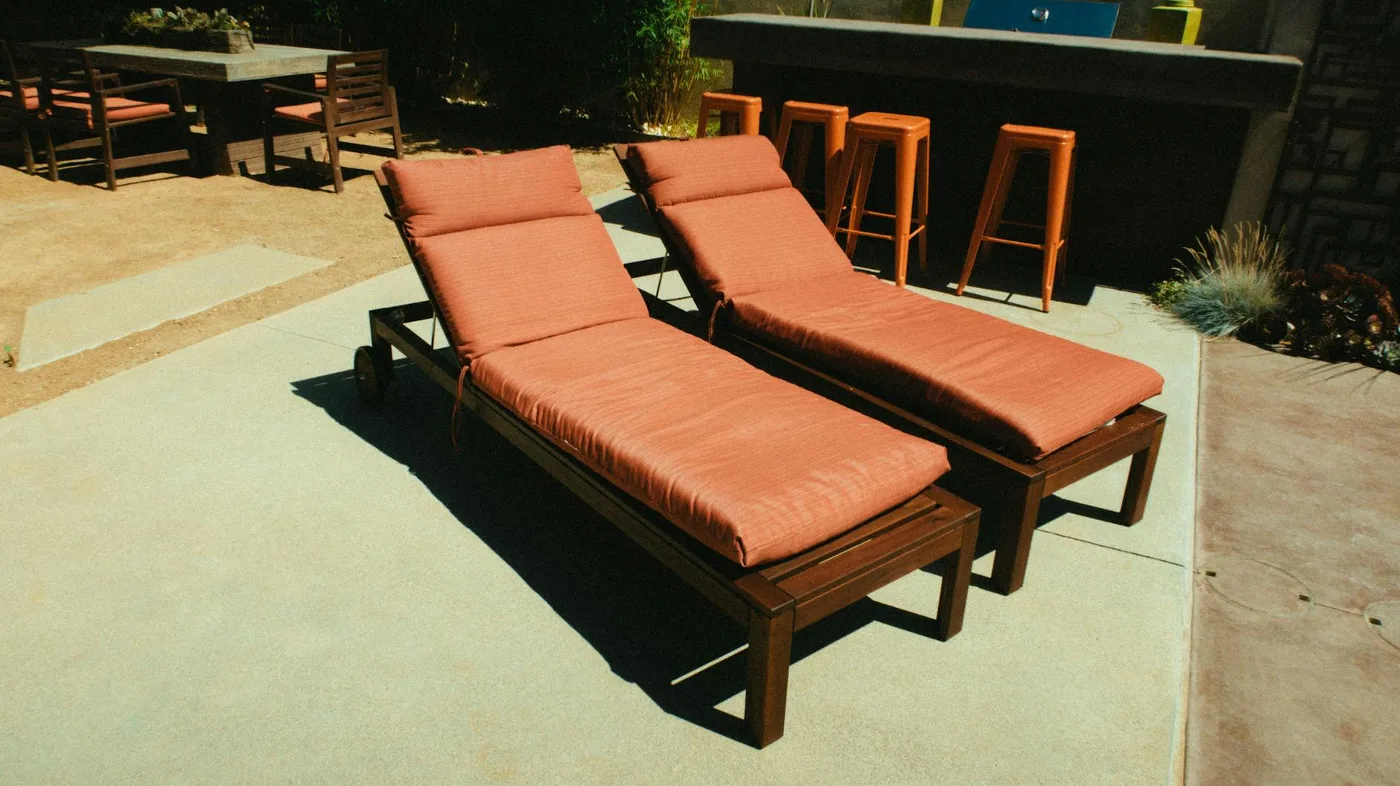
If you’re searching for Jensen outdoor furniture, you’re usually looking for a brand or collection that fits a patio, deck, porch, or garden seating area with a specific balance of style, comfort, and durability. The right choice depends less on the name alone and more on the materials, scale, weather exposure, and how you plan to use the space. ebel outdoor furniture offers more detail on this point. outdoor seating ideas for small patios offers more detail on this point.
This guide focuses on the practical side of buying Jensen outdoor furniture: what to check first, where people commonly misjudge a purchase, and how to compare pieces so they make sense for everyday use in a U.S. home. common mistakes when buying garden furniture offers more detail on this point.
When Jensen outdoor furniture matters most
Jensen outdoor furniture becomes a priority when you want your outdoor space to do more than look finished. It matters if you plan to eat outside regularly, entertain guests, create a quiet reading corner, or furnish a compact area where every inch counts. The best choice changes depending on the setting.
For a covered porch, comfort and style may matter more than extreme weather resistance. For an open patio, the ability to handle sun, moisture, and seasonal storage becomes more important. For a balcony, footprint and weight can matter more than a large matching set.
A common misconception is that all outdoor furniture is built for the same conditions. In reality, the environment shapes the right purchase more than the label does. The same set can feel ideal in one home and awkward in another if the sizing, finish, or care requirements are mismatched.
What to evaluate before you buy
1. Materials and finish
Outdoor furniture materials influence durability, maintenance, and long-term appearance. If you are comparing Jensen outdoor furniture pieces, start by identifying the frame and surface materials rather than focusing only on the style photo.
Common outdoor categories include metal, resin, wood, synthetic wicker, and mixed-material construction. Each has trade-offs. Metal frames can feel sturdy but may need attention around coatings and joints. Wood can bring warmth and a classic garden look, but it usually asks for more maintenance. Resin and synthetic wicker often reduce upkeep, though quality and construction details matter a great deal.
The finish matters too. A surface that looks attractive in a showroom setting may not stay that way if it sits in constant sun or repeated moisture. Ask how the material should be cleaned, whether covers are recommended, and whether touch-up care is realistic for your routine.
2. Comfort and everyday use
Outdoor furniture is often judged too quickly by appearance. Comfort is what determines whether a chair gets used or becomes decoration. Seat depth, back angle, arm height, and cushion thickness all affect how a piece feels during a long meal or a relaxed afternoon outside.
If the furniture is for conversation, prioritize upright but supportive seating. If it is for lounging, pay more attention to recline, cushion quality, and how easy it is to get in and out of the seat. A lower profile can look elegant, but it may not suit everyone.
One overlooked consideration is how the furniture feels after a few hours of use, not just at first sit. Outdoor pieces that seem comfortable for a few minutes may not support a full evening of entertaining.
3. Size and layout
Scale is one of the most common reasons outdoor furniture disappoints. A set can be attractive and still overwhelm a small deck or feel too sparse in a larger yard. Measure the space first, then leave room for circulation, chair pull-back, and any side tables, umbrellas, or planters you expect to use.
For dining areas, allow enough space for chairs to move comfortably. For conversation areas, think in zones rather than individual pieces. A loveseat, two chairs, and a small table may work well in one layout, while a sectional may dominate the same footprint.
Compact spaces often benefit from modular or stackable pieces, but only if those features actually match your habits. A space-saving design is only helpful if it stays convenient to move, store, and clean.
4. Weather exposure and care requirements
Not every outdoor setup faces the same conditions. A covered porch in a mild climate places very different demands on furniture than an uncovered backyard in direct sun or a damp coastal area. Think about sunlight, rain, humidity, wind, and seasonal storage before deciding.
Care requirements should be practical, not theoretical. If a set needs frequent cleaning or detailed seasonal maintenance, that may be fine for one household and unrealistic for another. Cushion covers, protective coatings, and cover compatibility can all affect how easy ownership feels over time.
If you want a lower-maintenance option, look for furniture that can handle regular wipe-downs and simple storage routines. If you enjoy upkeep and styling, a more delicate finish or natural material may be worth the extra attention.
5. Style consistency with the rest of the home
Outdoor furniture works best when it connects visually to the house and landscape. Jensen outdoor furniture may lean modern, traditional, transitional, or casual depending on the collection, but the right match should feel intentional rather than generic.
Think about roofline, siding color, landscaping, and existing hardscape. A sleek metal look can suit a contemporary patio, while warmer textures often work better with stone, wood, or lush garden planting. The goal is not to perfectly match every element. It is to create a setting that feels coherent.
A practical way to compare Jensen outdoor furniture pieces
If you are narrowing down options, use a simple decision process instead of comparing photos alone.
- Start with the space. Measure the area and decide whether the furniture is for dining, lounging, conversation, or a mixed-use setup.
- Match the material to the environment. Covered and uncovered spaces place very different demands on frames, cushions, and finishes.
- Check comfort in context. A dining chair and a lounge chair solve different problems, even if both look attractive.
- Think about maintenance honestly. Choose a care level you can keep up with across seasons.
- Consider storage. If you need to move furniture indoors or cover it often, weight and stackability matter.
- Balance style with function. A beautiful set that does not fit the way you live will become a poor value.
Common trade-offs to expect
Most outdoor furniture purchases involve compromise. Understanding the trade-offs helps you avoid disappointment later.
- Appearance vs. upkeep: More natural-looking materials can require more care.
- Lightweight vs. stability: Easy-to-move furniture may be more likely to shift in wind.
- Cushion comfort vs. weather resistance: Softer seating often needs more protection from moisture.
- Large-scale comfort vs. small-space fit: Generous seating can crowd compact patios.
- Matching sets vs. flexibility: Coordinated pieces are easy to style, but mixed selections can fit better and age more gracefully.
A useful nuance: the best choice is not always the most durable material on paper. If a household avoids pieces that are heavy, hard to clean, or awkward to store, a simpler option may deliver better long-term value because it will actually be used and maintained.
Examples of shopper priorities
Different buyers usually want different things from Jensen outdoor furniture. These use-case examples can help you clarify what matters most.
For a family patio
Durability, easy cleaning, and flexible seating usually rise to the top. Surfaces that can handle spills, frequent use, and quick wipe-downs are more practical than delicate finishes. If kids will use the area, furniture with stable bases and cushion covers that are easier to manage tends to be a smarter fit.
For entertaining adults
Comfort, layout, and visual cohesion matter more. People hosting dinner or drinks often want seating that encourages conversation and a table that feels proportionate to the number of guests.
For a quiet garden corner
Scale and atmosphere often matter most. A single chair, a small bistro set, or a pair of lounge chairs may create a better experience than a full matching collection. Here, style can carry more weight, but weather exposure still needs attention.
For a compact balcony
Choose pieces that fit without blocking movement or sightlines. Foldability, stackability, and slim profiles are often more important than a larger statement piece. Avoid the mistake of buying furniture for how it looks in a catalog rather than how it works in a tight footprint.
What to check in the product details
When evaluating any Jensen outdoor furniture listing, the product details often reveal more than the headline description. Pay attention to the following:
- Frame construction and whether the joints look designed for outdoor stress
- Cushion covers and whether they are removable or easy to clean
- Assembly requirements and whether the setup is likely to be simple or involved
- Dimensions for both the individual piece and the fully arranged set
- Weight if you expect to move furniture seasonally
- Storage needs for cushions, tables, or stackable components
- Care instructions so you know what routine the furniture will require
If any of these details are unclear, that is a sign to slow down. Outdoor furniture is a long-use purchase, and ambiguity in the listing can become a frustration once the set arrives.
Alternatives worth considering
If Jensen outdoor furniture is not the exact fit, you still have several useful paths.
- Mix-and-match patio pieces: Useful when you want flexibility or need to work around an unusual layout.
- Dining-only setups: Better for households that use the patio mainly for meals.
- Lounge-focused collections: Better for relaxed seating and longer outdoor gatherings.
- Compact bistro sets: Ideal for balconies, narrow porches, or small morning coffee spots.
- Modular seating: Helpful when your needs change seasonally or when you want to reconfigure the space later.
Alternatives are not a downgrade. In some homes, a simpler solution is more useful than a large coordinated set that limits layout options.
Checklist before making a final choice
- Does the size fit the space with room to move around it?
- Is the material appropriate for sun, rain, humidity, or storage conditions?
- Will the seating be comfortable for the way you actually use the area?
- Can you realistically maintain the furniture through the seasons?
- Do the colors and finishes work with the house and landscaping?
- Is the set easy enough to assemble, move, or store if needed?
- Would a simpler or smaller setup serve you better than a larger set?
Choosing well without overbuying
The best Jensen outdoor furniture purchase is the one that fits your space, your climate, and your routine. That usually means resisting the temptation to buy based on appearance alone. Outdoor furniture should support how you live outside, not just how the space looks in a photo.
If you keep the decision grounded in material, comfort, layout, and care requirements, you can narrow the options quickly. That makes it easier to choose a piece or set that feels intentional, practical, and worth keeping through more than one season.