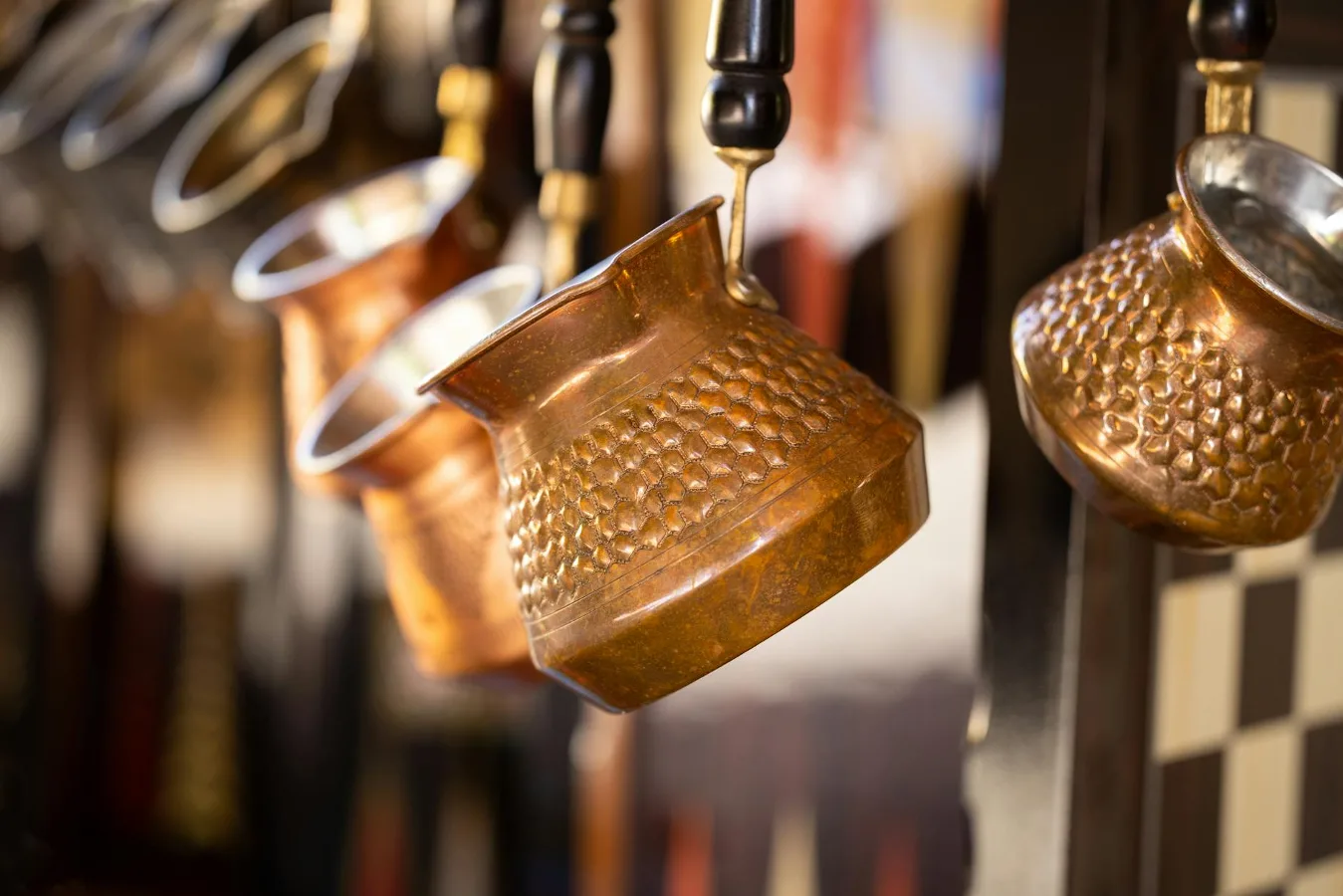
Antique copper cookware is worth considering if you want cookware that combines visual character with serious cooking appeal, but the right purchase depends on more than age or appearance. The key factors are the lining, the thickness and construction of the copper, the condition of handles and rivets, and whether the piece is meant for cooking or collecting. selena gomez cookware offers more detail on this point.
For many buyers, the appeal is practical as much as decorative. Copper responds quickly to heat, which is one reason it has remained desirable for sauces, sugar work, and other temperature-sensitive cooking tasks. But antique pieces also come with limits: linings wear, repairs can be costly, and not every older pan is ready for regular use without inspection.
Quick answer: what antique copper cookware is best for
If you are looking for antique copper cookware to actually cook with, prioritize pieces with a sound interior lining, solid handles, and no visible signs of severe warping, deep dents, or corrosion. If you are buying mainly for display or collecting, originality, maker marks, and decorative condition may matter more than current cooking performance.
The most practical antique copper pieces are usually those that were well made and later maintained carefully. A pan with a clean, intact tinned or other food-safe lining can be useful in the kitchen, while an unlined decorative piece is better treated as an object of display unless it has been professionally restored for culinary use.
What makes antique copper cookware appealing
Copper is valued because it conducts heat efficiently and reacts quickly when the burner changes. That responsiveness can make it easier to control delicate preparations, especially in pans where temperature precision matters. Antique cookware often adds a second layer of appeal: hand-finished details, substantial weight, and a look that modern mass-produced cookware rarely matches.
Collectors also appreciate the craftsmanship. Older copper pots and pans may show signs of traditional fabrication such as rivets, rolled rims, hammered surfaces, and hand-applied tinning. These details can indicate age and production methods, but they are also practical clues about the piece’s construction and durability.
There is a trade-off, though. Antique copper cookware is rarely the easiest option for everyday low-maintenance cooking. It often demands more care than stainless steel or nonstick cookware, and condition matters far more than with many modern pieces.
How to judge condition before buying
Condition is the biggest deciding factor in antique copper cookware. A beautiful exterior does not guarantee a usable interior, and a rare shape does not automatically make a pan worth the asking price. Focus on the parts that affect safety, performance, and repair cost.
Lining
Many antique copper pans were lined with tin. Tinned copper cookware can be excellent for cooking, but the lining is a wear item. If it is thin, scratched through, flaking, or missing in spots, the pan may need relining before it is used regularly. Some older pieces may be lined with stainless steel from a later restoration, which can be practical, but it changes the piece’s originality.
Unlined copper cookware should be treated with caution. Copper can interact with acidic foods, so unlined pans are generally not appropriate for routine cooking unless they are being used for specific traditional applications and you understand the limitations.
Body and shape
Look for heavy dents, out-of-round rims, bulges, and uneven bottoms. Small cosmetic marks are common on antiques and do not necessarily reduce usability. Structural damage is different. A pan that no longer sits flat may heat unevenly; one with deep creasing or deformation may have been dropped, overheated, or repaired poorly.
Handles and rivets
Handles should be secure, and rivets should not show obvious loosening. Some movement at a very old joint may be a warning sign. Check whether the handle shape still allows comfortable lifting when the pan is full. Long-handled pans can feel very different from modern cookware, especially if the piece is heavy. how to choose vintage cookware offers more detail on this point.
Surface condition and patina
Patina is normal on antique copper cookware. A warm, aged finish can be attractive and often desirable to collectors. But dark tarnish, green corrosion, or sticky residues should be evaluated carefully. Tarnish can often be cleaned; corrosion, especially if it appears in seams or around rivets, can signal deeper problems.
Buying for cooking versus collecting
Not every antique copper pan should be evaluated by the same standard. A collector may value originality, maker marks, and decorative condition, while a cook will care more about lining integrity, handle strength, and whether the pan performs reliably on a stove.
| Priority | Best for cooking | Best for collecting |
|---|---|---|
| Lining condition | Essential | Important, but originality may matter more |
| Cosmetic finish | Secondary | Often important |
| Maker marks | Helpful | Highly relevant |
| Repairs or relining | Acceptable if done well | May reduce originality value |
| Structural integrity | Critical | Still important |
If you are buying for both use and display, try to find the middle ground: a piece with attractive age, usable construction, and no major structural compromises. That balance is usually more satisfying than chasing rarity alone.
Common mistakes to avoid
One common mistake is assuming that all old copper cookware is automatically high quality. Age alone does not tell you whether the pan was well made, properly maintained, or safe to use. Some antique pieces are heavily worn, poorly repaired, or not suitable for modern cooking.
Another mistake is overlooking lining costs. A pan that looks like a bargain can become expensive if it needs relining or serious restoration. Buyers sometimes focus on the exterior shine and ignore the part that touches food.
It is also easy to confuse decorative copper pieces with functional cookware. Wall-hung copper pots, export pieces, and certain serving vessels may look cookware-like but were never intended for regular stove use. Before buying, make sure the shape, construction, and interior finish fit your intended purpose.
Finally, some buyers polish antique copper too aggressively. Overcleaning can strip away the character that gives the piece value, and harsh polishing may damage labels, stamp marks, or original surfaces. A gentle approach is usually safer unless the piece truly needs restoration.
Care and maintenance basics
Antique copper cookware rewards careful handling. Keep cleaning methods mild unless you have a specific reason to restore the surface more aggressively. For daily upkeep, warm water, a soft cloth, and a non-abrasive cleaner are usually safer than strong scrubbing pads.
If the interior is tinned, avoid metal utensils that could scratch the lining. Heat should be managed thoughtfully as well. Copper responds fast, so high heat is often unnecessary and can contribute to faster wear. Gentle to moderate heat is usually enough for many cooking tasks.
Storage matters too. Copper can tarnish in humid environments, and stacked storage can scratch or dent the exterior. If you collect several pieces, separate them with cloth or paper and keep them dry. Hangers and open shelving can be attractive, but only if the support is secure enough for the weight.
If a piece needs restoration, make sure the work matches the goal. A cosmetic clean-up for display is not the same as a full relining for regular cooking. The right approach depends on whether you value originality, usability, or both.
How antique copper compares with modern cookware
Compared with stainless steel, antique copper cookware offers better responsiveness but demands more maintenance. Compared with nonstick cookware, it offers greater durability potential and a more traditional cooking experience, but it does not provide the same effortless release for every recipe. Compared with cast iron, copper is usually more responsive and less forgiving of neglect. vintage cast iron cookware offers more detail on this point.
That makes antique copper cookware especially attractive for people who enjoy hands-on cooking and do not mind a little routine care. It is less ideal for anyone who wants low-maintenance cookware that can be tossed in the dishwasher or used carelessly on high heat.
For some kitchens, the best answer is not all copper or no copper. A single antique copper saucepan, sauté pan, or specialty vessel can add usefulness and character without replacing the rest of your cookware set.
When a piece is worth repairing
Repair can make sense when the pan has good construction, a desirable shape, and meaningful aesthetic or collector value. It may also be worthwhile when you want a piece for regular use and the only serious issue is a worn lining. On the other hand, major body damage, extensive corrosion, or a poor-quality base can make repair uneconomical or impractical.
A useful question is whether the repair will restore the piece to the purpose you actually want. If the goal is display, a cosmetic restoration may be enough. If the goal is cooking, lining quality and structural soundness matter more than preserving every original detail.
What to look for if you are shopping online
Online listings can be tricky because photos often emphasize shine and hide wear. Ask for clear images of the interior, the bottom, the handle attachment points, and any marks or stamps. Close-up shots of the lining are especially important because that is where many serious problems appear.
Read descriptions carefully for clues such as relined, re-tinned, dented, warped, repaired, or decorative. If a listing does not mention the interior condition at all, treat that as a warning sign rather than a minor omission.
Measurements matter as well, but not just for fit on a stovetop. Dimensions affect weight, handling, and the kind of cooking the piece is likely to support. A large copper vessel can be impressive, but if it is too heavy to lift comfortably when full, it may not be practical for everyday use.
Alternatives worth considering
If you like the look of antique copper cookware but do not want the maintenance burden, there are sensible alternatives. Modern copper-clad cookware offers some of the responsiveness of copper with easier upkeep. Stainless steel with an aluminum or copper core can also give good heat performance with less concern about lining wear.
For display purposes, decorative copper serving pieces or wall-mounted kitchen antiques can capture the aesthetic without the expectations of cooking performance. If your real goal is a vintage feel in the kitchen, that may be the simpler path.
For buyers who want one or two special pieces, a well-chosen antique copper pan can still be a rewarding purchase. The key is matching the piece to the job instead of buying purely on appearance.
Smart way to evaluate a piece before you buy
A useful decision process is simple: first confirm whether you want a cooking vessel or a collectible. Then inspect the lining, structure, and handles. After that, decide whether the piece needs cleaning, restoration, or relining and whether those costs still make sense for your budget and intended use.
If the answer is yes across all three areas, antique copper cookware can be a strong addition to a kitchen or collection. If not, it may still be worth admiring, but not necessarily worth buying.
That practical filter is often the difference between a satisfying find and an expensive disappointment.