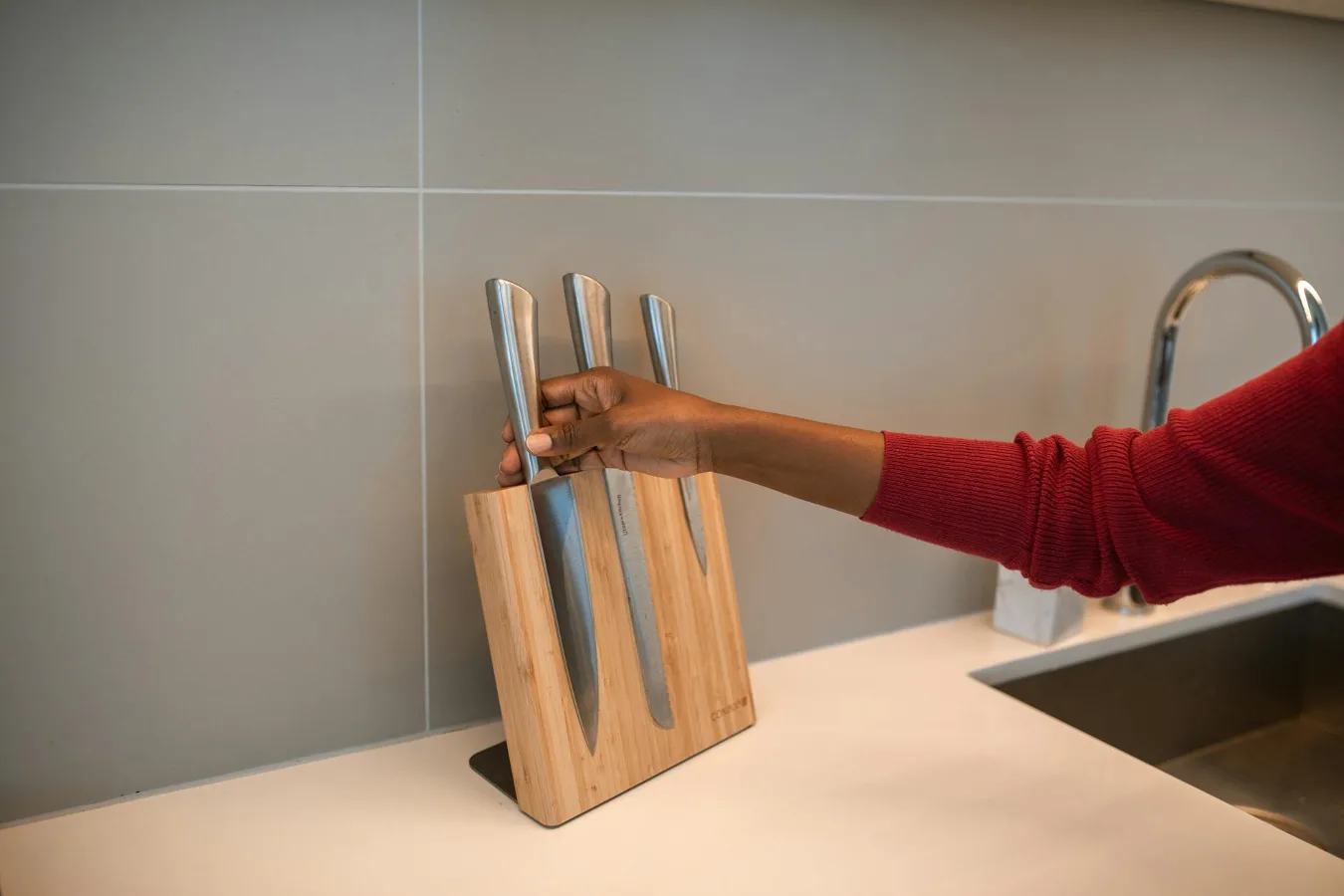
When a Smeg knife set makes sense
A Smeg knife set is usually appealing to shoppers who want kitchen tools that feel coordinated with the rest of a design-forward kitchen. The appeal is not just visual; it is also about convenience, keeping a basic group of knives in one place, and choosing a set that fits daily prep without cluttering the countertop.
For many buyers, the real question is not whether a Smeg knife set looks good. It is whether the set gives you the right balance of blade types, comfort, storage, and upkeep for the way you cook. If you already own quality specialty knives, a full set may be unnecessary. If you are outfitting a new kitchen or replacing mismatched cutlery, it can be a practical starting point.
That means the best approach is to judge the set as both a kitchen tool and a design object. The look matters, but performance, ease of care, and long-term usefulness matter more.
What to evaluate before buying
Start with the basics: what knives are included, how they are stored, and how they will be used. A knife set can look complete on paper while still missing the pieces that matter most in daily cooking.
Blade mix
Most home knife sets are built around a few core tasks: slicing bread, chopping vegetables, trimming meat, and handling smaller prep work. The most useful sets usually include a chef’s knife, a paring knife, a utility knife, and a bread knife. Some also add steak knives or specialty blades.
Before buying, compare the included knives with your actual cooking habits. If you mostly prepare vegetables, you will value a well-shaped chef’s knife and a reliable paring knife more than extra pieces you rarely touch. If you entertain often, a set with steak knives may be more useful. If you bake, a bread knife deserves real attention rather than being treated as an accessory. knife block set buying guide offers more detail on this point. imarku Knife Set Buying Guide offers more detail on this point. Pink Knife Set Buying Guide offers more detail on this point.
Handle comfort and grip
A knife can look elegant and still feel awkward in use. Handle shape, balance, and grip texture affect comfort more than many shoppers expect. If a knife feels too heavy in the handle or too slim for your hand, it can make chopping and slicing less controlled.
For a Smeg knife set, the design language is part of the attraction, but buyers should still think about how the handles feel during repetitive tasks. A comfortable grip matters more than matching the knife block to the toaster.
Storage and countertop footprint
Knife blocks solve a practical problem, but they also take space. If your kitchen has limited counter area, measure the footprint and think about placement near your prep zone. A knife set that looks compact in product photos may still crowd a small kitchen.
Also consider how often you clean around the block. A visible countertop set can collect dust, splashes, and crumbs if it sits too close to the sink or stove. This is one of the most overlooked considerations because buyers often focus on the knives themselves and ignore the storage format.
Care requirements
Even a good-looking knife set needs regular maintenance. Hand washing is generally gentler on knives than machine washing, and careful drying helps preserve the finish and edges. If you prefer low-maintenance kitchen tools, review the care instructions carefully before assuming the set will fit your routine.
A common misconception is that a premium-looking knife set will stay sharp and pristine with minimal attention. In reality, all kitchen knives benefit from proper storage, careful cleaning, and periodic sharpening or honing as needed.
Step-by-step criteria for comparing options
If you are deciding whether a Smeg knife set is the right purchase, use a simple evaluation process. This helps separate design preference from practical value.
- List your actual kitchen tasks. Write down what you prepare most often, such as vegetables, bread, fruit, meat, or herbs.
- Check the knife types included. Make sure the set covers your routine work instead of giving you duplicates you will not use.
- Assess comfort and control. Consider handle shape, blade balance, and whether the set seems suited to different hand sizes.
- Review storage style. Decide whether a knife block, magnetic strip, or drawer storage would be more practical for your kitchen layout.
- Think about maintenance. Choose a set you can realistically clean, dry, sharpen, and store correctly.
- Compare style with durability. A set should fit your kitchen visually, but not at the expense of long-term usefulness.
- Consider future flexibility. Think about whether you may want to add specialty knives later rather than buying a bigger set now.
This approach works especially well for commercial search intent because buyers often compare several options and need a clear decision framework, not just a product description.
Where a Smeg knife set fits best
A Smeg knife set is most compelling in kitchens where presentation matters as much as function. That can include open-plan kitchens, renovated spaces with coordinated appliances, or homes where countertop styling is part of the overall design.
It can also make sense for:
- new homeowners building a basic kitchen toolkit
- gift buyers looking for a polished, practical present
- people replacing a mixed, worn-out knife collection
- users who want a unified look across countertop items
- light to moderate home cooks who need the essentials covered
It may be less appealing if your priority is professional-level knife performance, specialized blade selection, or the most space-efficient storage possible. In those cases, a more utilitarian knife set or individual knives may be a better fit.
Practical trade-offs to keep in mind
The main trade-off with a Smeg knife set is usually style versus specialization. A coordinated set can simplify shopping and improve kitchen aesthetics, but it may not offer the exact blade profile or handle style that serious cooks prefer.
Another trade-off is convenience versus flexibility. A complete block set is easy to understand and easy to place in the kitchen. But once you start caring about sharper edges, specific blade geometries, or premium single knives, a set can feel less tailored than buying pieces one by one.
There is also a maintenance trade-off. A knife block keeps blades organized, but the knives still need proper care. If you want a low-effort purchase, remember that any knife set still requires routine attention to stay useful.
Common mistakes buyers make
One of the biggest mistakes is buying for appearance alone. A knife set that complements the kitchen may still be inconvenient if it lacks the knives you use most. Another mistake is overlooking storage size, especially in smaller kitchens where every inch of counter space matters.
Buyers also sometimes assume that more pieces automatically mean better value. That is not always true. Extra steak knives or specialty blades are only valuable if you will use them regularly.
Finally, many shoppers ignore care requirements until after purchase. If you do not want to hand wash or store knives carefully, any set that depends on good maintenance may become frustrating over time.
Alternatives worth considering
If you like the aesthetic but do not need a full knife block, there are several alternatives to think about.
- Individual knives: Good if you want to build a more precise kit over time.
- Separate knife block sets: Useful when performance and value matter more than brand styling.
- Magnetic knife strips: Better for counter space, though they require careful placement and safe handling.
- Drawer knife trays: A good option for keeping blades off the counter and out of sight.
These alternatives can be especially useful if your kitchen is small, if you already own a favorite chef’s knife, or if you prefer a cleaner countertop look without a visible block.
Quick checklist before you buy
- Does the set include the knives you actually use?
- Will the storage fit your counter space?
- Are the handles comfortable for your grip?
- Will the style match your kitchen without overpowering it?
- Can you reasonably maintain the knives as recommended?
- Would a smaller set or individual knives serve you better?
If you can answer yes to most of those questions, a Smeg knife set is more likely to be a satisfying purchase. If several answers are uncertain, it may be worth comparing alternatives before committing.
FAQs
Is a Smeg knife set mainly for style or function?
It can be both, but many shoppers are drawn to the coordinated design first. The more important question is whether the set includes the blade types, storage format, and comfort level you need for everyday cooking.
Do I need a full knife set for a home kitchen?
Not always. Many home cooks can handle most tasks with a chef’s knife, paring knife, bread knife, and utility knife. A larger set is useful if you want convenience or a complete starter collection.
What should I check if I have a small kitchen?
Focus on countertop footprint, storage placement, and whether the included pieces are truly useful. In a compact kitchen, a smaller set or a different storage method may be more practical.
How do I keep kitchen knives in good shape?
Use proper storage, avoid careless contact with other utensils, clean them as recommended by the manufacturer, and keep up with sharpening or honing when needed.
Is a knife block always the best storage option?
No. Knife blocks are convenient, but magnetic strips and drawer inserts can save space and sometimes fit a kitchen layout better. The best choice depends on how you cook and how much counter space you have.
A Smeg knife set makes the most sense when you want a blend of everyday utility and coordinated kitchen design. If you focus on blade mix, comfort, storage, and maintenance rather than style alone, you will be better positioned to decide whether it belongs in your kitchen or whether a simpler alternative is the smarter buy.