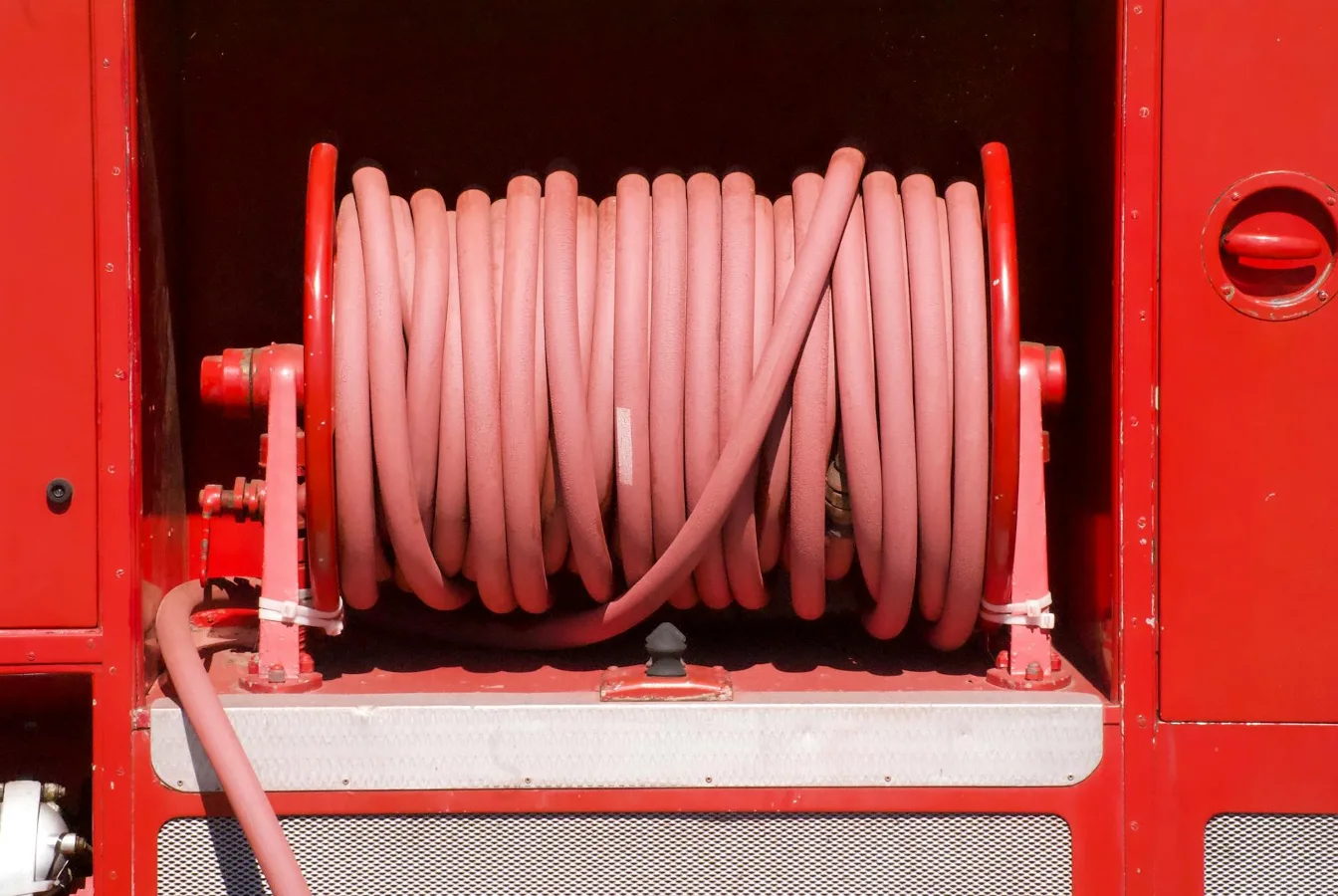
A dehumidifier hose is the line that carries collected water from the unit to a drain, sink, floor drain, sump, or another approved outlet. If you want continuous drainage, the hose matters as much as the dehumidifier itself: the wrong fit, poor routing, or unsuitable material can cause leaks, backups, or repeated shutoffs. air purifier vs dehumidifier offers more detail on this point.
For most shoppers, the real question is not whether to use a hose, but which hose will match the dehumidifier and the drain path in the room. That decision usually comes down to compatibility, length, flexibility, and whether gravity drainage is possible in your setup. dehumidifier drainage setup offers more detail on this point.
Start with the drain scenario, not the hose
The best dehumidifier hose depends on where the water is going. A hose that works well for a basement unit near a floor drain may be a poor fit for an apartment laundry room, utility sink, or elevated outlet.
Before comparing products, identify the destination:
- Floor drain: Often the simplest setup if the hose can run downhill without rising or kinking.
- Utility sink: Common in basements and laundry rooms, but the hose must be secured so it stays in the basin.
- Sump basin or condensate point: Useful in some mechanical rooms, though routing should still avoid backflow and splash issues.
- Condensate pump: Needed when the drain outlet is higher than the dehumidifier’s drain port or when gravity flow is unreliable.
A common mistake is choosing a hose first and trying to make the room work around it. For continuous drainage, the drain path determines whether the setup is practical.
What matters most in a dehumidifier hose
Several factors matter, but a few carry most of the weight in real-world use.
Compatibility with the dehumidifier port
Dehumidifiers do not all use the same connection style. Some accept a threaded garden-hose-style connection, while others need a smaller hose, a specific adapter, or a manufacturer-branded line. Check the owner’s manual or the drain-port listing before buying anything.
Compatibility is the first filter because even a high-quality hose is useless if the threads, diameter, or connector style do not match the appliance. If the connection feels forced, that is a warning sign. appliance hose compatibility guide offers more detail on this point.
Length without unnecessary slack
Longer is not automatically better. Excess length can make routing messy, increase the chance of kinks, and create low spots where water sits instead of flowing out. At the same time, a hose that is too short may pull on the fitting or force the unit into an awkward position.
The best length is usually the shortest path that allows smooth routing, gentle bends, and secure placement at the drain outlet.
Material and flexibility
Most dehumidifier hoses are made from flexible plastic or vinyl-type tubing. The practical question is how well the hose bends, how easily it resists collapse, and whether it stays usable in the temperatures and conditions where it will be installed.
In a basement or utility space, flexibility is helpful, but too-soft tubing can kink when it turns corners. A slightly stiffer hose may hold its shape better, especially over longer runs.
Inside diameter and flow resistance
Flow capacity matters more than many shoppers expect. A hose that narrows too much, pinches at bends, or has an incompatible diameter can slow drainage and contribute to standing water inside the dehumidifier. The result may be shutdowns, overflow risk, or reduced convenience.
If your dehumidifier manual specifies a hose size, treat that as the primary reference. If it does not, look for a hose intended for appliance drainage rather than a generic tube that only resembles one.
Connection security
A secure fit is more important than a decorative one. Threaded fittings, clamps, or properly matched adapters help reduce leaks and accidental disconnections. For a dehumidifier running daily, even a small drip can become a flooring or mold issue over time.
One overlooked detail is the transition point between the hose and the drain destination. A perfect appliance connection still fails if the hose is loose at the sink, drain, or pump intake.
Buyer scenarios: which hose setup fits which home?
Different buyers need different setups. Matching the hose to the scenario usually leads to a better result than chasing a generic “universal” option.
Basement dehumidifier near a floor drain
This is often the most straightforward case. A standard drain hose with a compatible fitting may be enough if the path is short and downhill. The main priorities are fit, kink resistance, and a stable outlet position.
If the dehumidifier sits on a stand or platform, make sure the hose still runs smoothly to the drain without sharp turns at the exit point.
Utility room with a sink
Here, the hose must be long enough to reach the basin but not so long that it coils in the floor path. A hose clip or secure placement in the sink can reduce the risk of the line slipping out.
This is a case where length and routing matter as much as connector style. Many leaks in sink setups happen because the hose is loosely positioned, not because the hose itself is defective.
Space with no nearby drain
If there is no easy gravity drain, the hose becomes part of a larger drainage solution. A condensate pump or alternate drainage route may be more appropriate than trying to stretch a hose across a room or up to an elevated outlet.
In these scenarios, buying a hose alone is only part of the answer. The full system has to fit the space.
Apartment or rental setup
Renters often need a flexible, removable solution. That may mean a hose that can be detached quickly, routed temporarily to a sink, and stored neatly when not in use. Easy removal and low mess often matter more than a permanent installation.
For rental spaces, avoid setups that depend on drilling, hard mounting, or complicated modifications unless the property rules clearly allow them.
Trade-offs to think through before buying
A dehumidifier hose is a small accessory, but the trade-offs are real.
- Flexibility vs. rigidity: Softer hoses are easier to route, but they may kink more easily. Stiffer hoses can hold shape better but may be harder to position.
- Length vs. reliability: Extra length gives routing freedom, yet it can also create drag, slack, and low points where water collects.
- Universal vs. exact-fit: Universal options can be convenient, but exact-fit or manufacturer-specified hoses often reduce guesswork.
- Simple hose vs. full drainage system: Some homes need only a hose. Others need adapters, clamps, or a pump to make continuous drainage dependable.
The best choice is usually the one that reduces points of failure, not the one with the longest feature list.
Material and spec factors worth checking
For shoppers comparing products online, the spec sheet can be more useful than the product photos. A few details deserve close attention.
- Hose diameter: Match the dehumidifier’s drain port requirements as closely as possible.
- Fitting type: Threaded, slip-on, or adapter-based connections each have different compatibility limits.
- Flexibility rating or hose construction: Look for a hose that balances bendability with shape retention.
- Length: Enough to reach the drain comfortably, but not so much that management becomes difficult.
- Material suitability: Make sure the hose is intended for appliance drainage rather than general-purpose use only.
- Included hardware: Clamps, connectors, or adapters can save time if they match your exact setup.
One practical nuance: a hose marketed as “universal” may still need an adapter or a specific thread pattern. Universal often means broadly usable, not truly plug-and-play.
What people often overlook
The hose itself gets the attention, but the route it takes is what usually determines success. Even a good hose can fail if it rises after leaving the unit, dips into a sag, or gets pinched behind stored items.
Another overlooked issue is backflow. If the outlet is poorly positioned, water can return toward the unit or create standing water in the line. Gravity drainage works best when the hose continuously slopes downward from the dehumidifier to the drain point.
Also easy to miss: access for cleaning and replacement. A hose tucked behind heavy storage may be hard to inspect. If the line develops mineral buildup, algae, or clogging over time, simple access matters more than an extra few inches of hose length.
Common mistakes to avoid
- Buying before checking the drain port: This is the fastest way to end up with the wrong connector.
- Using a hose that is too small or too soft: Flow problems and kinks become more likely.
- Running the hose uphill: Gravity drainage will not work reliably against a rise.
- Leaving slack on the floor: Slack can create loops that trap water or become tripping hazards.
- Ignoring the outlet security: A hose that slips out of a sink or drain can create the same water problem you were trying to avoid.
- Assuming “fits most” means fits all: Small differences in threads and diameter matter.
When a hose is not enough
Sometimes the best answer is not a different hose, but a different drainage approach. If the dehumidifier sits below the drain outlet, if the hose route is too long, or if repeated clogging occurs, a condensate pump or a more direct drain path may be the better solution.
That is especially true in finished basements, utility closets, and rooms with awkward layouts. A hose is a simple accessory; it cannot overcome every layout problem on its own.
Next steps for choosing the right hose
If you are shopping for a dehumidifier hose, use this order:
- Check the dehumidifier manual or drain-port specification.
- Measure the route to the drain. Plan the shortest practical path with a gentle downward slope.
- Decide whether you need adapters, clamps, or a pump.
- Choose a hose material that balances flexibility and kink resistance.
- Verify the outlet setup. Make sure the hose can stay secure at the sink, drain, or pump.
If your setup is simple, a compatible hose with the right length may be all you need. If the space is complicated, think in terms of the full drainage system instead of the hose alone.
For related planning, it can also help to review how continuous drainage works, common drainage problems, and choosing the right drain hose size before you buy. Those details often decide whether the setup works smoothly for the long term.