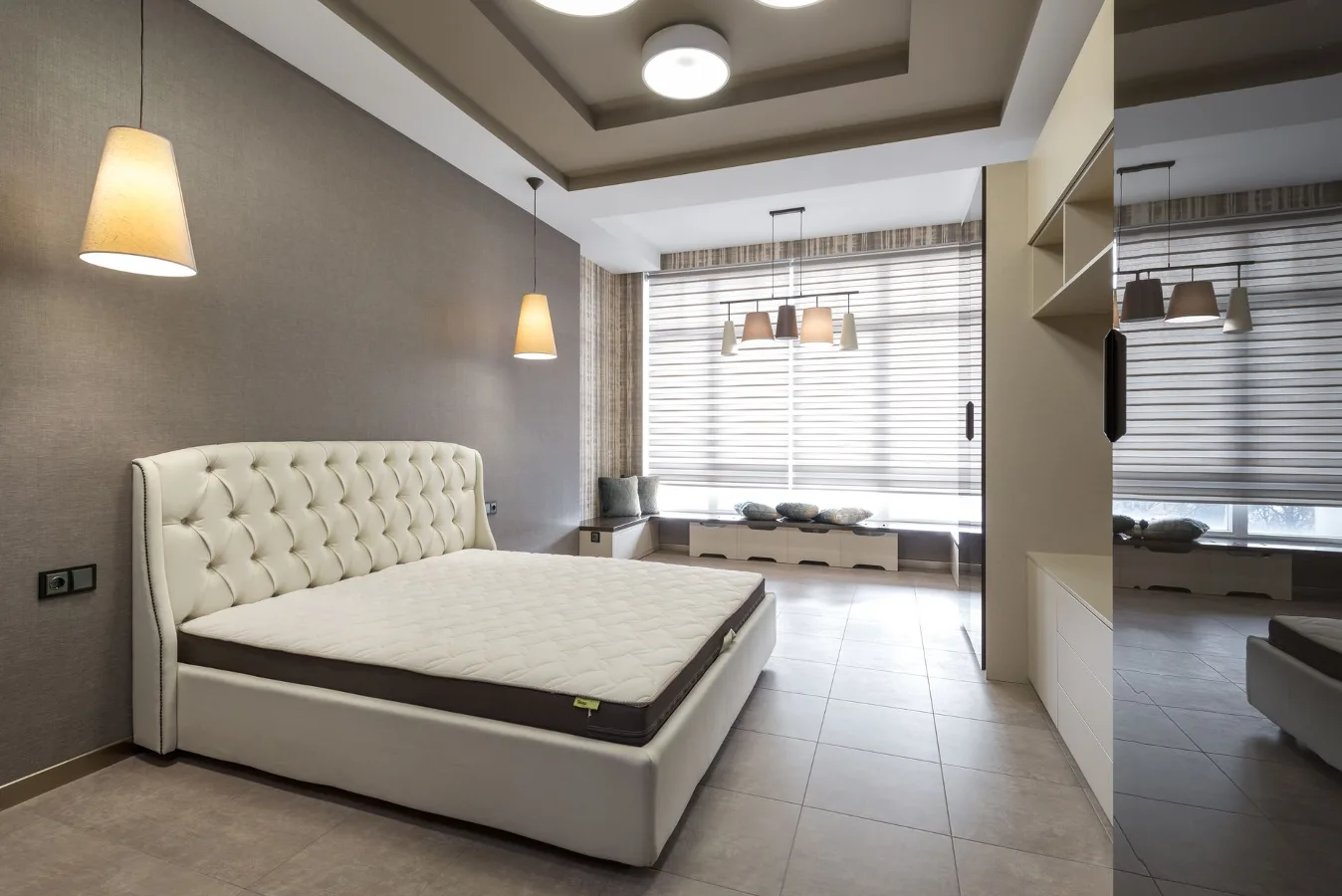
If you want a softer first feel without giving up the support of the mattress underneath, a pillow top mattress is often a strong place to start. The best pillow top mattress is usually the one that balances surface comfort, pressure relief, and underlying support for your sleep position and body preferences.
That balance matters because pillow tops can feel luxurious at first touch, but not every model delivers the same results once you lie down for a full night. Some are better for side sleepers who want extra cushioning at the shoulders and hips. Others suit back sleepers who need a little softness on top of a firmer core. The right choice depends on how the comfort layer is built, what sits below it, and how much sink you actually want. how to choose the right mattress firmness offers more detail on this point. best mattress for back and hip pain offers more detail on this point.
What makes a pillow top mattress worth considering
A pillow top mattress has an extra padded layer stitched or attached to the top surface. That layer can create a plusher feel right away, which is why pillow tops are popular with shoppers who find standard firm mattresses too rigid.
The key point is that a pillow top is not the same as a soft mattress overall. The comfort you feel comes from two parts working together: the cushioned top and the support core underneath. A good pillow top mattress should soften pressure points without letting your body sink too deeply out of alignment.
This is why many shoppers compare pillow tops across different constructions rather than focusing on the label alone. An innerspring pillow top, a hybrid pillow top, and a memory foam pillow top can all feel noticeably different.
Quick answer: how to choose the best pillow top mattress
The best pillow top mattress for most people is the one that matches their sleep position, preferred firmness, and comfort needs:
- Side sleepers: usually do better with a plush or medium-plush pillow top that cushions the shoulders and hips.
- Back sleepers: often prefer medium or medium-firm support with a softer top layer.
- Combination sleepers: typically need a balanced feel that is easy to move on without feeling stuck.
- Couples: may want stronger motion isolation and edge support.
- Hot sleepers: should pay close attention to breathable covers, coil support, and foam density.
That simple framework gets you closer to the right mattress than chasing the softest model on the market. A pillow top should improve comfort, not replace proper support.
How pillow top mattresses compare in real use
The biggest difference between pillow top mattresses is not just softness. It is how the top layer interacts with the support system below it. That combination affects pressure relief, responsiveness, and long-term comfort.
| Type | Feel | Best for | Trade-off |
|---|---|---|---|
| Innerspring pillow top | Springy with a cushioned surface | People who like bounce and easier movement | Can transfer more motion than foam-heavy options |
| Hybrid pillow top | Balanced support with contouring | Sleepers who want both comfort and structure | May feel heavier and more complex in construction |
| Memory foam pillow top | More body-contouring and slower response | Pressure relief and motion reduction | Can retain more heat and feel harder to turn over on |
If you are comparing these styles, focus on how the mattress feels after the first few minutes and how it supports you after prolonged lying down. A pillow top that feels immediately plush can still lack support for the lower back, especially for back and stomach sleepers.
Key factors that matter most
1. Sleep position
Sleep position is one of the most useful filters in mattress shopping. Side sleepers generally need a deeper cushion to reduce pressure at the shoulder and hip. Back sleepers usually need enough contouring to keep the spine neutral. Stomach sleepers often need firmer support than a typical pillow top provides, because too much sink can strain the midsection.
For combination sleepers, the best pillow top mattress is often one with a more responsive comfort layer. If the mattress feels too deep or slow, changing positions can become awkward during the night.
2. Firmness and support level
Many shoppers assume pillow top means soft, but firmness and plushness are not the same thing. A mattress can have a soft-feeling surface while still offering medium-firm support underneath. That distinction is important for comfort and posture.
If you tend to wake up stiff, the issue may not be that the mattress is too firm overall. It may be that the pillow top is soft enough on the surface but the core does not match your body weight or sleep position. In other words, softness without support is not a win.
3. Pressure relief
Pillow tops are often chosen for pressure relief, especially around common contact points like the shoulders, hips, and knees. A good comfort layer should spread weight more evenly rather than creating a single hard contact point.
That said, too much cushioning can create a different problem: your body may sink unevenly, which can reduce support in the lumbar area. The right level of pressure relief should feel supportive, not marshmallow-like.
4. Motion isolation and edge support
Couples should look closely at motion isolation if one partner moves frequently or gets in and out of bed during the night. Foam and hybrid designs usually isolate movement better than traditional spring-heavy models, though actual performance varies by construction.
Edge support is another overlooked factor. If you sit on the side of the bed often, sleep near the edge, or share a smaller mattress, weak edge support can make the usable surface feel smaller than it is.
5. Temperature and breathability
Some pillow tops sleep warmer than others because plush comfort layers can hold more heat. Cooling performance depends on the materials and construction rather than the word pillow top itself.
Look for breathable covers, ventilated foams, or coil-based support systems if you tend to sleep hot. If a mattress uses multiple dense foam layers, it may feel noticeably warmer than a design with more airflow.
6. Durability and long-term value
The soft upper layer of a pillow top can compress over time, which is one of the most common long-term concerns. A mattress may feel excellent at first and gradually lose that cushioned surface feel.
This is why construction details matter. The quality of the comfort layer, the resilience of the support core, and how well the materials hold shape all influence how long the mattress keeps its feel. A cheaper pillow top may seem appealing upfront but become less comfortable sooner if the top layer breaks down quickly.
Who a pillow top mattress suits best
A pillow top mattress is often a good fit for sleepers who want a softer surface without moving all the way to an ultra-plush bed. It can be especially appealing if your current mattress feels too hard, if you notice pressure points on your side, or if you prefer a more cushioned bed feel.
It may also suit shoppers who like the traditional feel of a mattress with noticeable loft on top, rather than the close-body contouring associated with some all-foam models. Some people simply sleep better on a surface that feels gently padded rather than flat or rigid.
It may be less suitable if you consistently prefer a very firm sleep surface, if you are a stomach sleeper who needs strong midsection support, or if you dislike the slightly deeper feel that some pillow tops create.
Mistakes to avoid when shopping
- Choosing softness over support: a very plush pillow top can feel comfortable in a showroom but still fail to support your spine well at night.
- Ignoring sleep position: the best mattress for a side sleeper is often a poor choice for a stomach sleeper.
- Overlooking edge support: a mattress can feel fine in the center and still be frustrating around the perimeter.
- Assuming all pillow tops sleep hot: some do, but materials and airflow matter more than the label alone.
- Focusing only on the first impression: a mattress should be judged by how it feels after sustained lying, not just the initial softness.
- Buying based on the top layer only: the support core largely determines whether the mattress keeps your body aligned.
A common misconception is that a pillow top automatically means better comfort for everyone. In practice, comfort is highly personal. The same mattress can feel ideal to one sleeper and unsupportive to another.
Practical alternatives if a pillow top is not the right fit
If you like the idea of softness but want a different feel, there are a few alternatives worth considering:
- Plush euro top mattress: similar cushioning, but the top layer is integrated differently and may feel a little more uniform.
- Hybrid mattress with a softer comfort layer: a good option if you want both contouring and stronger support.
- Mattress topper: useful if your current mattress is supportive but too firm, though it will not fix a worn-out core.
- Medium-firm mattress with pressure-relieving foam: often a better match for sleepers who want comfort without a deeply padded surface.
The topper route is often overlooked. It can be a practical short-term solution, but it works best when the mattress underneath is already in good shape. If the base mattress is sagging or lacks support, adding softness on top usually does not solve the main problem. Best Backache Mattress Topper Guide offers more detail on this point.
What to compare before you buy
Before deciding on the best pillow top mattress for your bedroom, compare the details that affect everyday use:
- Construction: innerspring, hybrid, or foam-based
- Comfort feel: plush, medium, or medium-firm
- Pressure relief: especially for shoulders and hips
- Motion control: important for partners
- Edge support: helpful for shared beds and smaller sizes
- Temperature: important for hot sleepers
- Surface responsiveness: matters if you move around often
- Long-term structure: helps the top layer keep its shape
Those factors tell you much more than a product name ever will. Two pillow tops may look similar online and feel very different in person because their internal structures are not the same.
How to narrow the choice without overcomplicating it
If you are comparing several options, start with your sleep position, then narrow by firmness, then look at support features. That sequence keeps the decision practical.
For example, a side sleeper who likes a cushioned bed may lean toward a medium-plush hybrid pillow top. A back sleeper who wants a little extra comfort may do better with a medium pillow top that still keeps the lower back supported. A hot sleeper may prioritize breathability over maximum softness. A couple may trade a little plushness for better motion isolation and stronger edges.
That kind of prioritization is usually more effective than chasing the softest model or the most expensive one. The goal is not to find the most luxurious-feeling mattress in a showroom. It is to find the one that still feels good after ordinary nights, different sleeping positions, and real use over time.
Final take
The best pillow top mattress is the one that gives you a softer surface without sacrificing the support your body needs. For many shoppers, that means balancing plush comfort with a sturdy core, then checking the details that affect daily use such as motion isolation, temperature, edge support, and durability.
If you keep those trade-offs in mind, shopping becomes much easier. Instead of treating pillow top as a single category, you can compare the versions that actually fit how you sleep.