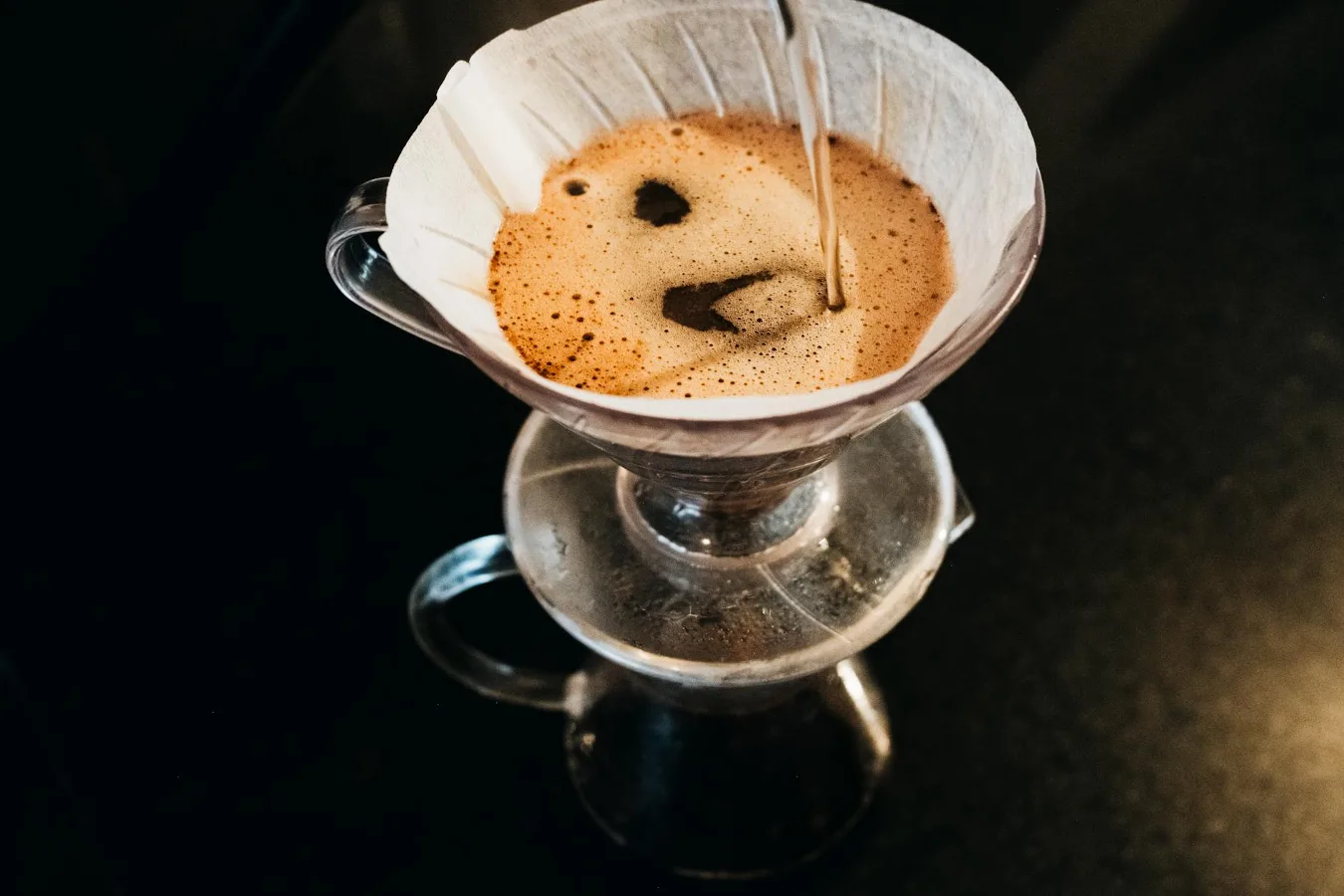
A manual drip coffee maker is best for people who want a hands-on brewing method with more control than a standard automatic machine. Instead of pressing a button and walking away, you guide the water flow, extraction, and timing yourself, which makes it easier to shape the final cup. best coffee makers for home brewing offers more detail on this point. coffee grinder buying guide offers more detail on this point. built in coffee maker offers more detail on this point.
That extra control is the main reason buyers consider this category. The trade-off is that you give up convenience and consistency from machine automation. If you want a straightforward path to cleaner, more nuanced coffee and you do not mind a little technique, a manual drip setup is worth a close look.
What a manual drip coffee maker actually does
A manual drip coffee maker is a brewing device that lets hot water pass through ground coffee and a filter by hand-pouring rather than by automatic pump or programmed spray system. Most designs use a cone or flat-bottom brewer placed over a mug, carafe, or server.
Because you control the pour, you also influence how evenly the grounds saturate, how quickly water drains, and how long the coffee stays in contact with the water. That matters because brew time and extraction shape flavor. A steadier pour can help reduce weak or over-extracted cups, while an uneven pour can create a lopsided result.
People sometimes use the phrase manual drip coffee maker interchangeably with pour-over brewer, and in practice the categories overlap heavily. The main idea is the same: manual water delivery, filter-based brewing, and a strong connection between technique and taste.
Who it suits best
This type of brewer is a strong match for buyers who care about flavor clarity, want more brewing control, or prefer a compact setup. It also works well for people who drink one or two cups at a time and do not need a large thermal carafe or a fully automated machine.
- Flavor-focused drinkers: If you like brighter, cleaner coffee with more definition between tasting notes, manual drip brewing can be appealing.
- Small-household users: It is often a better fit than a large appliance for single cups or small batches.
- Countertop minimalists: Many manual brewers take little space and store easily.
- Technique learners: If you enjoy dialing in grind size, water temperature, and pouring pattern, this style rewards experimentation.
It is less ideal if you want a fast, push-button routine every morning or if you regularly brew for several people at once. In those cases, convenience-focused drip machines or batch brewers may suit you better.
What to compare before buying
Not every manual drip coffee maker behaves the same way. The most useful comparison points are not decorative features; they are the details that affect brew quality, ease of use, and cleanup.
Brewer shape and flow rate
Cone-shaped drippers typically encourage a more focused flow path, while flat-bottom brewers can spread water across more of the coffee bed. Neither is automatically better. The right choice depends on the flavor profile you prefer and how much control you want over extraction.
A brewer with too few drainage channels can slow the drawdown more than expected, especially with a fine grind or paper filter. A brewer with a more open design may be easier for beginners because it is less sensitive to small pouring mistakes.
Material
Common materials include ceramic, glass, plastic, stainless steel, and sometimes silicone. Material affects durability, heat retention, weight, and portability.
- Ceramic: Good heat retention and a classic feel, but more fragile.
- Glass: Attractive and easy to inspect, but also breakable and usually less travel-friendly.
- Plastic: Lightweight, affordable, and practical for travel or beginners, though some buyers prefer other materials for long-term use.
- Stainless steel: Durable and portable, often a good choice for travel or daily handling.
- Silicone: Flexible and compact, useful for travel or tight storage.
A common misconception is that the most expensive material automatically makes better coffee. In reality, the brewing geometry and your technique usually matter more than the material alone.
Filter type
Manual drip brewers may use paper filters, metal filters, or reusable mesh-style inserts. This choice affects body, clarity, cleanup, and ongoing maintenance.
- Paper filters: Tend to produce a cleaner cup and simpler cleanup, though they create recurring consumable costs.
- Metal filters: Allow more oils and fine particles through, which can create a fuller body but may require more careful cleaning.
- Reusable filters: Reduce disposable waste, but they can be harder to keep pristine than paper.
If you want a bright, tea-like cup, paper filters often make sense. If you prefer more texture and body, metal can be worth considering.
Size and batch capacity
A manual drip coffee maker should match your actual routine. Some are designed for a single mug, while others work better with a server or larger carafe. Choosing a brewer that is too large for your typical use can make dialing in the recipe harder, because small batches behave differently from larger ones.
This is one of the most overlooked buying factors. Buyers often choose a brewer for occasional company but end up using it for one cup on most mornings. If that sounds familiar, prioritize your everyday brew size first.
Ease of cleaning
Cleanup matters more than many shoppers expect. A simple brewer with fewer seams, narrow crevices, or removable components is usually easier to rinse and dry. If you use paper filters, cleanup is often quick. If you use a metal filter, plan for a bit more attention to residue and buildup.
For many households, the best manual drip coffee maker is not the one with the longest feature list. It is the one you will actually use daily without feeling burdened by maintenance.
Portability
If you travel, camp, or want a brewer that can move easily between kitchen, office, and weekend bag, portability becomes a real decision factor. Lightweight plastic or silicone models usually make the most sense here, while ceramic and glass are better kept at home.
Portability also includes storage convenience. A small brewer that nests with filters or packs flat may be more useful than a heavier, more attractive option that stays on the counter unused.
How the choice affects your coffee
The right manual drip coffee maker can change the style of coffee you get in noticeable ways. That is less about a machine doing magic and more about how design affects extraction.
- Flavor clarity: Paper-filtered brewers usually emphasize cleaner, more distinct flavors.
- Body: Metal-filtered designs can deliver a fuller mouthfeel.
- Consistency: More forgiving brewers are helpful if your pouring technique is still developing.
- Control: Brewers with a stable base and predictable flow are easier to repeat day after day.
A nuanced point many shoppers miss: the brewer does not operate in isolation. Grind size, water temperature, coffee freshness, and pouring technique all interact with the dripper’s design. A well-chosen brewer can make good results easier, but it will not fully compensate for an unsuitable grind or inconsistent pouring.
Common mistakes to avoid
Most disappointing experiences with manual drip coffee come from mismatching the brewer with the user’s habits, not from the category itself.
- Choosing for looks alone: Attractive materials and shapes are fine, but the brew geometry and cleanup matter more.
- Ignoring filter compatibility: Some models require specific filter sizes or shapes, which affects convenience and cost.
- Buying a brewer that is too large: Oversized brewers can make small batches harder to control.
- Overlooking maintenance: Reusable filters and fine mesh parts need regular cleaning to avoid stale residue.
- Expecting automatic-machine simplicity: Manual drip brewing asks for more attention than a standard drip machine.
Another frequent mistake is underestimating the learning curve. The process is not difficult, but it does reward small changes. A different pour pattern or grind size can shift the result noticeably, which is part of the appeal for some buyers and a frustration for others.
Manual drip versus other coffee makers
If you are deciding between a manual drip coffee maker and other brewing methods, the best choice depends on how much control you want and how much effort you are willing to invest.
| Brewing option | Main advantage | Main drawback | Best for |
|---|---|---|---|
| Manual drip coffee maker | Control over pour, extraction, and flavor | Requires more attention and technique | Users who want a hands-on, clean-tasting cup |
| Automatic drip coffee maker | Convenience and repeatability | Less control over brewing variables | Busy households and batch brewing |
| French press | Full body and simple setup | More sediment, different flavor profile | Drinkers who prefer heavier coffee |
| AeroPress | Versatility and fast brewing | Less like a traditional drip cup | People who want flexible, compact brewing |
If your priority is a clean, nuanced cup and you do not mind a guided process, a manual drip brewer is often the best fit. If you want a more forgiving routine with less involvement, an automatic machine may be a better match.
What makes one a better long-term buy
Long-term value is not just about purchase price. It also comes from how well the brewer fits your routine, how durable the material is, and whether the design stays useful as your preferences evolve.
A brewer with simple construction, widely available filters, and easy cleanup tends to age better in everyday use. If you are buying for a permanent home setup, durability and comfort may matter more than portability. If you plan to keep it in a drawer or pack it for trips, lightweight construction and easy storage become more important.
The most practical choice is often the one that balances three things: enough control to make the brewing process rewarding, enough simplicity that you will use it regularly, and enough durability that it does not become a hassle.
How to narrow the options quickly
If you are comparing manual drip coffee makers and want a simple way to decide, use this short filter:
- Start with your brew size: single cup, two cups, or small-batch server.
- Pick a filter preference: paper for clarity, metal for body, reusable for less waste.
- Match the material to your routine: ceramic for home use, plastic or silicone for portability, stainless steel for toughness.
- Consider cleanup honestly: choose the model you will not dread washing.
- Think about learning curve: beginner-friendly shapes are usually more forgiving.
This approach keeps the decision grounded in actual use rather than marketing language. It also helps separate meaningful differences from cosmetic ones.
Final buying perspective
A manual drip coffee maker is a smart purchase if you want a more intentional brewing experience and are willing to trade some convenience for control. It is especially appealing for smaller households, coffee hobbyists, and anyone who wants a cleaner, more customizable cup.
The best choice is usually the one that matches your daily habits: the right batch size, the right filter system, the right material, and a cleanup routine you can live with. If those pieces line up, a manual drip brewer can become one of the most satisfying and practical appliances in a coffee setup.