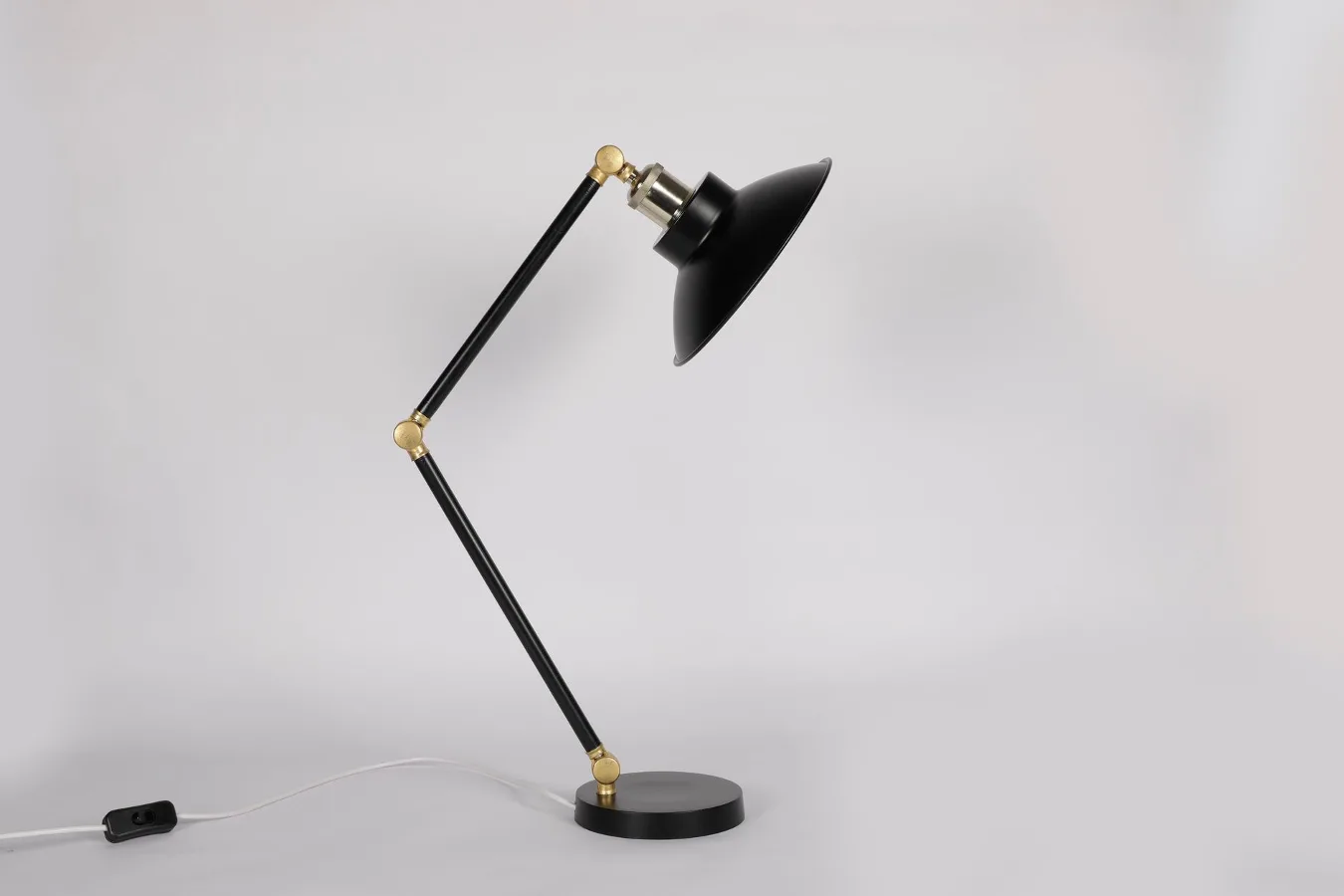
A task floor lamp is designed to put light exactly where you need it, whether that means reading on a sofa, working at a desk, knitting in a corner chair, or brightening a dark spot in a bedroom. If you want one lamp to do a specific job well, task lighting is usually a better fit than a decorative lamp that mainly adds ambience. Globe Floor Lamp Buying Guide offers more detail on this point.
The best task floor lamp depends on more than style. Pay attention to adjustability, shade design, light direction, bulb compatibility, and how the lamp fits the room. A lamp that looks right but throws light in the wrong direction can be frustrating to live with.
What makes a floor lamp a task lamp?
A task floor lamp is built for focused illumination. Instead of spreading soft light across the room, it directs light to a smaller area so you can see details more clearly. That makes it useful for reading, hobbies, close-up work, and any situation where eye comfort matters.
Common task lamp styles include swing-arm lamps, gooseneck lamps, torchiere designs with a directional head, and lamps with adjustable shades. Some are minimalist and modern, while others look more traditional. The style matters, but the light output and adjustability matter more.
Quick answer: what to look for first
If you are trying to choose a task floor lamp quickly, start with four things: where the light needs to land, whether the head or arm adjusts, whether the shade controls glare, and whether the lamp works with the bulb type you plan to use. Those four factors usually determine whether the lamp will feel genuinely useful or merely decorative.
- Light direction: Can the lamp aim light onto a book, desk, or chair?
- Adjustability: Does the neck, arm, or head move easily?
- Glare control: Will the shade or diffuser soften harsh light?
- Room fit: Will the base, height, and footprint suit the space?
Compare the main types before you buy
Different task floor lamp styles solve different problems. The best one for your home depends on what you are trying to light and how often the setup changes.
| Type | Best for | Why people choose it | Watch for |
|---|---|---|---|
| Swing-arm floor lamp | Reading chairs, sofas, flexible placement | Easy to reposition light without moving the base | Arms can feel awkward in tight spaces if they extend too far |
| Gooseneck floor lamp | Close-up tasks, craft areas, bedside use | Highly adjustable and easy to aim | Can look more utilitarian than decorative |
| Directional arc lamp | Seating areas needing overhead-style reach | Useful when the lamp sits beside furniture but needs to throw light inward | Needs room for the arc and a stable base |
| Torchiere with task focus | General room lighting with some directed light | Can combine ambient light and task support | Not all torchieres are truly task-focused |
| Shade-adjustable lamp | Living rooms and multipurpose spaces | Balances style with practical light control | Some shades reduce brightness too much |
The most important buying factors
Brightness and beam control
A task lamp should create enough light for the activity without flooding the room or shining into your eyes. The exact bulb choice depends on the lamp design, but the key idea is simple: task lighting should feel concentrated and comfortable. If the lamp has a bare bulb or an open head, glare can become a problem. If it has a heavily diffused shade, it may feel too soft for detail work.
Look for a lamp that concentrates light where you need it. A well-designed shade, an adjustable head, or a directional lens can make a much bigger difference than a more decorative shape.
Adjustability
Adjustability is one of the biggest reasons people choose a task floor lamp. If you switch between reading, laptop use, and conversation, a fixed lamp often becomes limiting. A movable head or arm lets you aim the light lower for reading and higher for broader coverage when needed. how to choose a floor lamp for reading offers more detail on this point.
One practical nuance: not all adjustable lamps stay where you put them. A lamp that feels flexible in the store may drift over time or sag under the weight of its own head. It helps to think about the mechanism as much as the design.
Height and reach
Height affects where the beam lands. Too tall, and the light may shoot over your book or screen. Too short, and the light may not clear the back of a chair or sofa. Reach matters just as much, especially in seating areas where the base sits beside furniture but the light needs to extend inward.
For a reading chair, the ideal lamp often places the light source slightly above shoulder level and angled down toward the page. For a desk-side setup, a more precise beam may work better than a broad overhead arc.
Shade and glare control
The shade is not just a design detail. It changes how comfortable the lamp feels. A good task lamp reduces glare, keeps the bulb from being directly visible, and focuses light on the activity zone. Clear glass shades, open metal heads, and exposed bulbs can work in some rooms, but they are less forgiving if you are sensitive to bright light. how lamp shade shape changes light offers more detail on this point.
If you want a lamp for evening reading, visual comfort matters more than raw brightness. Many people buy a lamp that looks striking and later realize the open design is tiring for the eyes.
Bulb compatibility
Check what bulb type the lamp accepts and whether it is dimmable if you want flexibility. LED bulbs are common because they are efficient and widely available, but the lamp should still be compatible with the style and brightness you need. A dimmable setup is especially helpful in shared spaces where you may want brighter task light sometimes and softer light at other times.
Also consider color tone. A warmer light often feels comfortable in living rooms and bedrooms, while a neutral light can be better for work areas. The right choice depends on the room and the activity, not just personal preference.
Base size and stability
Task floor lamps often live beside furniture, which means the base has to be stable without taking over the room. A narrow base works in a tight corner, but a very light base may feel risky if the lamp has a long arm or a tall reach. This trade-off is easy to overlook until the lamp starts leaning or shifting.
If you have pets, children, or a tight path beside the lamp, prioritize stability over a slimmer silhouette.
How to match the lamp to the room
Living room
In a living room, a task floor lamp often has to do double duty. It should support reading or puzzle time without clashing with the rest of the decor. A swing-arm lamp near a sofa or lounge chair can be a strong choice because it provides directed light without needing a separate table.
If the room already has plenty of overhead light, the lamp can be more focused and refined. If the room is dim overall, choose something that complements the existing lighting rather than trying to replace it.
Home office
In a home office, accuracy matters. You want light that helps you work without creating reflections on a monitor or harsh shadows on paperwork. A directional task floor lamp can be useful when desk space is limited or when overhead lighting is weak.
For screen-based work, avoid a lamp that throws direct glare onto the monitor. Position the lamp to the side and slightly in front if possible, so the light supports the workspace without becoming distracting.
Bedroom
In bedrooms, task lighting usually supports reading or quiet routines. A lamp with a softer beam and an easy switch is often more practical than a highly technical design. If the lamp sits beside a bed, check whether the shade directs light away from the eyes and toward the page.
A bedroom lamp can also be a styling piece, but comfort should lead. Overly bright or highly exposed designs can make the room feel less restful.
Craft or hobby corner
For crafts, sewing, model building, or other detailed work, the lamp needs better aim and stronger control than a typical living room lamp. Gooseneck or highly adjustable styles are often helpful because they let you fine-tune the angle as your task changes.
This is where a common misconception appears: people assume any bright lamp will work. In practice, focused positioning matters as much as brightness. Light aimed from the wrong angle can still leave shadows where you need visibility most.
Style considerations without sacrificing function
A task floor lamp should fit the room, but the safest design choice is usually one that serves the task first and the look second. Sleek metal finishes, linen shades, matte black frames, brass details, and wood accents can all work well if they do not interfere with the light pattern.
Try to match the lamp to the room’s visual weight. A delicate lamp can disappear next to a large sectional, while a heavy industrial design may overwhelm a small reading corner. The goal is balance, not perfect matching.
Common mistakes to avoid
- Choosing style over light control: A beautiful lamp that creates glare is hard to live with.
- Ignoring reach: A lamp can be tall enough but still fail to direct light where it matters.
- Forgetting stability: Long arms and lightweight bases can be a risky combination.
- Buying for one use only: A lamp that works for reading may not work for screen time or crafts.
- Overlooking bulb compatibility: The wrong bulb can change the feel of the light completely.
- Placing it too close or too far: Small placement errors can make a good lamp feel ineffective.
Alternatives worth considering
If a task floor lamp does not fit your room, there are practical alternatives. A task table lamp may work better on a side table or nightstand. A wall-mounted sconce can free up floor space and provide more predictable placement. A clip-on lamp can be ideal for very small areas, while an overhead pendant or track light may handle broader work zones.
In some rooms, the best solution is layered lighting rather than one lamp doing everything. A task floor lamp can handle the focused job while ambient lighting fills in the rest of the space.
Before you choose, think through these trade-offs
The right task floor lamp is usually a compromise between light quality, flexibility, footprint, and style. A highly adjustable lamp may look more utilitarian. A decorative lamp may be prettier but less precise. A slim base may save space but sacrifice stability. A warm bulb tone may feel comfortable but not ideal for detailed work.
That is why the best choice depends on how you actually use the room. If you mostly read at night, comfort and glare control matter most. If you work from a corner desk, direction and placement matter more. If the lamp is part of a living room design scheme, you may need a model that looks composed in daylight and still performs at night.
Mistakes buyers often make with task floor lamps
One of the most common mistakes is assuming every floor lamp is automatically a task lamp. Many are designed for atmosphere first. Another mistake is placing the lamp based on where it looks best rather than where the light is needed most. Function usually wins over symmetry in this category.
People also underestimate how much shade shape affects usability. A lampshade that appears elegant in product photos may cast light too narrowly or too softly for real reading. When in doubt, think about what the light will hit, what it will miss, and whether your eyes will be looking directly toward the source.
FAQ
What is the best type of task floor lamp for reading?
A swing-arm or adjustable lamp is often a strong choice for reading because it lets you place light where it is needed without moving the whole lamp. The best design depends on your chair height, side-table layout, and glare sensitivity.
Can a task floor lamp replace overhead lighting?
Usually not by itself. A task floor lamp is meant to support a specific area, not light an entire room evenly. It works best as part of layered lighting.
Should I choose a dimmable task floor lamp?
Dimmable lighting is useful if the lamp serves more than one purpose or if you read in the evening and want more flexibility. It is especially helpful in shared living spaces.
What bulb color is best for task lighting?
That depends on the room and task. Warmer light often feels more relaxed in living rooms and bedrooms, while a more neutral tone can feel clearer for work areas. Comfort and visibility both matter.
How do I keep a task floor lamp from looking bulky?
Choose a slim profile, a finish that blends with nearby furniture, and a design with a clean line rather than too many visual details. Just make sure the lamp still has enough stability and reach for the job.
If you want a task floor lamp that works well for everyday life, focus on light direction, adjustability, glare control, and placement. Style still matters, but the most satisfying lamp is usually the one that quietly solves a real lighting problem without asking for attention.