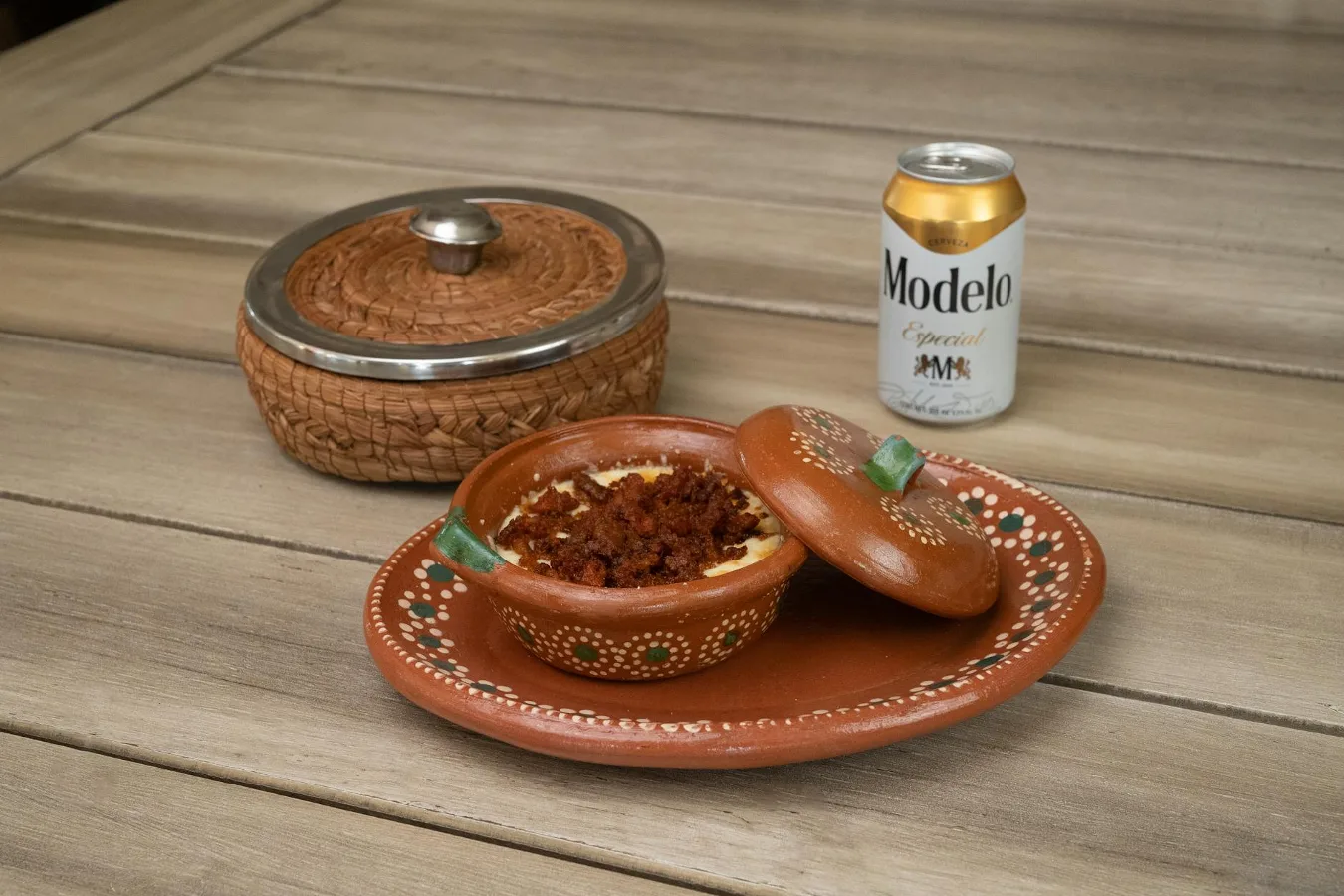
Mexican comal cookware is a flat griddle used for warming tortillas, toasting dried chiles, blistering tomatoes, heating bread, and preparing foods that benefit from direct, even contact with heat. If you are choosing one, the best option depends less on branding and more on material, size, weight, heat source, and upkeep. Best Rice Cooker and Steamer Tips offers more detail on this point.
For most home cooks in the U.S., the practical choice is usually a cast iron, carbon steel, or steel comal that matches the stove you already use. Traditional clay comales exist too, but they ask for more care and are less forgiving in everyday kitchens. The right pick is the one that fits your cooking style and the kind of maintenance you are willing to handle.
What a comal does well
A comal is different from a deep skillet or sauté pan. Its shallow, open surface gives you broad contact with heat, which is useful for foods that need quick browning, gentle drying, or a light char. That makes it a strong fit for tortillas, folded quesadillas, chiles, onions, garlic, and other ingredients that benefit from direct surface heat rather than steam.
The appeal of Mexican comal cookware is not only tradition. It is also efficiency. A comal can help you cook several tortillas at once, toast ingredients without crowding, and move between tasks without a lot of complexity. For many households, it becomes a daily-use tool rather than a specialty item.
Key factors that matter most
Material shapes how the comal behaves
The material is the first decision worth making because it affects heat response, maintenance, and long-term usability.
- Cast iron: Retains heat well and can develop a very useful cooking surface over time. It is heavier, slower to heat, and usually needs seasoning and careful drying.
- Carbon steel: Typically lighter than cast iron and quicker to respond to temperature changes. It still benefits from seasoning and consistent care.
- Steel or aluminum-clad options: May be easier to handle, but performance varies widely, so it is worth checking whether the surface is suitable for high heat and repeated use.
- Clay: Closely tied to traditional cooking, but more delicate and less tolerant of sudden temperature changes. It may be best for cooks who specifically want that experience and are comfortable with extra care.
A common misconception is that all comales are interchangeable. They are not. A cast iron comal may excel at heat retention, while a lighter carbon steel version may feel easier for everyday tortilla work. The best material is the one that matches your stove, your strength level, and how much maintenance you want to do after cooking.
Size should fit both the stove and the task
Comals come in different diameters and shapes, and the right size depends on how you cook. A larger surface is useful if you make multiple tortillas or cook for several people, but oversized cookware can be awkward on smaller burners and harder to store.
For a compact apartment kitchen, a moderate-size comal may be more practical than a very large one. If you use a gas stove, make sure the comal sits securely over the flame without excessive overhang. If you cook on a flat electric surface, a stable base and even contact matter more than decorative details.
Heat source compatibility is easy to overlook
One of the most common buying mistakes is choosing a comal that looks authentic but does not suit the cooktop. Gas burners are usually the most forgiving. Electric coils and smooth-top electric ranges need a flat, stable base. Induction cooktops require cookware with magnetic compatibility, so not every comal will work.
If your kitchen has an induction range, check compatibility carefully before buying. A traditional-looking comal may still be unusable if its base is not magnetic or if the shape prevents proper contact. This is especially important for shoppers who want Mexican comal cookware for everyday use, not just occasional stovetop warming. kitchen craft cookware offers more detail on this point.
Weight affects handling more than many buyers expect
Heavier cookware can feel reassuring because it sits firmly on the burner and holds heat well. But it also affects how comfortably you can lift, wash, and store it. If you plan to move the comal frequently, a lighter carbon steel option may be easier to manage than a thick cast iron one. cast iron vs carbon steel cookware offers more detail on this point.
This matters most for cooks who make tortillas often, clean cookware by hand, or use a shallow shelf rather than a dedicated pot rack. A comal that is technically excellent but difficult to handle can become a nuisance in daily life.
How to choose the right comal for your cooking style
If you mostly make tortillas
Choose a comal with a surface large enough for your usual batch size and a material that heats evenly. Cast iron and carbon steel are both strong candidates. If you want a surface that can preheat well and stay steady while you work quickly, either can be a good fit.
For tortillas, the main goal is controlled heat, not maximum power. A surface that is too hot can dry out dough or scorch spots before the tortilla is fully cooked. A comal that distributes heat consistently is more useful than one that simply looks traditional.
If you toast chiles, spices, or aromatics
Look for a surface that can handle short bursts of high heat and recover quickly after ingredients are added. Carbon steel often appeals to cooks who want faster response, while cast iron can give a stable base for repeated toasting. Either can work well if you manage the heat carefully.
For chiles, garlic, and tomatoes, the benefit of a comal is controlled browning rather than deep searing. A wider flat surface also helps prevent overcrowding, which can make ingredients steam instead of toast.
If you want a low-maintenance option
Some comals require seasoning, careful drying, and occasional re-oiling. If that feels like too much upkeep, look for a surface that is easier to clean and less sensitive to moisture. Just be careful not to assume that a low-maintenance surface will behave exactly like a seasoned traditional griddle.
There is often a trade-off between convenience and the cooking character people want from Mexican comal cookware. The more traditional the material, the more likely it is to reward care. The more convenience-focused the build, the more likely it is to feel familiar and low effort, but less traditional in use.
Practical solutions for everyday use
Seasoning and preheating make a bigger difference than appearance
For cast iron and carbon steel, seasoning is not just a maintenance chore; it helps create a smoother cooking surface and can improve release over time. Even a well-made comal may underperform if it is not properly seasoned or if it is heated unevenly.
Preheating also matters. A comal that is not fully warmed can cause uneven browning and sticking. For tortillas, a moderate preheat usually works better than rushing to a very high flame. That gives the surface time to heat evenly instead of creating hot spots.
Use the right utensils and cleaning habits
Gentle tools help protect the cooking surface, especially on seasoned cookware. A flat spatula, tongs, or a soft scraper can be enough for most tasks. For cleaning, remove residue promptly, then dry thoroughly to reduce the chance of rust on iron or steel.
A common mistake is soaking a comal in water for too long. That can damage seasoned surfaces and create avoidable maintenance problems. If you need to loosen stuck food, use a controlled amount of warm water and clean right away.
Storage matters in smaller kitchens
Some comales are bulky enough to need their own cabinet shelf. If your storage is limited, factor that in before buying. A beautifully made large comal can be impractical if it crowds out other cookware or is too awkward to reach regularly.
Flat storage is usually better than stacking heavy cookware directly on top of delicate surfaces. If you must stack, use a protective layer so the cooking surface does not get scratched.
Alternatives worth considering
If you want the function of a comal but not necessarily the traditional form, there are a few useful alternatives. A flat cast iron griddle can serve many of the same purposes. A heavy skillet with a wide cooking surface can toast some ingredients effectively, though it does not offer the same open layout.
For some kitchens, a reversible griddle is practical because it provides a flat side for tortillas and a ridged side for other cooking. That said, it is not always the best substitute if your main goal is authentic-style tortilla work or toasting multiple small ingredients at once.
Another alternative is a nonstick flat pan, which may be easier to clean but usually lacks the heat retention and traditional feel many cooks want from Mexican comal cookware. It can be a sensible compromise for occasional use, but it is not always the best match for high-heat or long-term durability.
Common mistakes to avoid
- Buying by looks alone: Decorative style does not guarantee good heat performance or compatibility.
- Ignoring burner size: A comal that is too large or too small for the heat source may cook unevenly.
- Skipping seasoning: For iron and steel surfaces, this can lead to sticking and poor performance.
- Choosing the heaviest option by default: More weight is not always better if the cookware becomes hard to handle.
- Assuming it will work on induction: Always verify magnetic compatibility before ordering.
- Using high heat too quickly: That can create hot spots and make tortillas cook unevenly.
Who should choose which type
| Cook type | Best fit | Why it works |
|---|---|---|
| Frequent tortilla maker | Cast iron or carbon steel comal | Good heat control and a broad flat surface |
| Cook with limited storage or strength | Lighter carbon steel comal | Easier to lift, wash, and store |
| Traditional cooking enthusiast | Clay or classic iron-style comal | Closer to heritage cooking methods, with more care required |
| Induction user | Magnetically compatible flat griddle | Necessary for proper cooktop function |
| Occasional user | Simple flat griddle or reversible griddle | Practical for mixed kitchen tasks |
Decision guidance: what to prioritize first
If you are trying to narrow the field quickly, start with this order: heat source compatibility, material, size, and maintenance level. That sequence solves most buying problems before they start.
If your stove is gas and you want a classic experience, cast iron or carbon steel usually makes the most sense. If your priority is easier handling, carbon steel may be more comfortable. If you want something more traditional and are willing to care for it carefully, clay can be appealing. If you want the simplest everyday utility, a flat griddle or seasoned metal comal is often the most practical answer.
The best Mexican comal cookware is not the most ornate piece or the heaviest one. It is the one that fits your stove, your storage, your comfort level, and the foods you actually make.
Frequently asked questions
What foods can you cook on a comal?
Tortillas are the best-known use, but comales are also useful for quesadillas, toasted chiles, garlic, onions, tomatoes, and bread that benefits from dry heat.
Can you use a comal on an induction cooktop?
Only if the comal is magnetically compatible. Always check the base material and product details before buying for induction use.
Do you need to season a comal?
Cast iron and carbon steel usually benefit from seasoning. Clay and some coated surfaces follow different care rules, so it is best to follow the manufacturer’s guidance.
Is a comal better than a skillet for tortillas?
For tortillas and similar flat foods, a comal’s open surface is often more convenient than a deep skillet. A skillet can still work, but it does not offer the same broad cooking area.
What is the easiest comal to maintain?
That depends on the material, but many cooks find carbon steel easier to manage than heavier cast iron. Coated or nonstick alternatives may be simpler to clean, though they do not always deliver the same traditional cooking results.