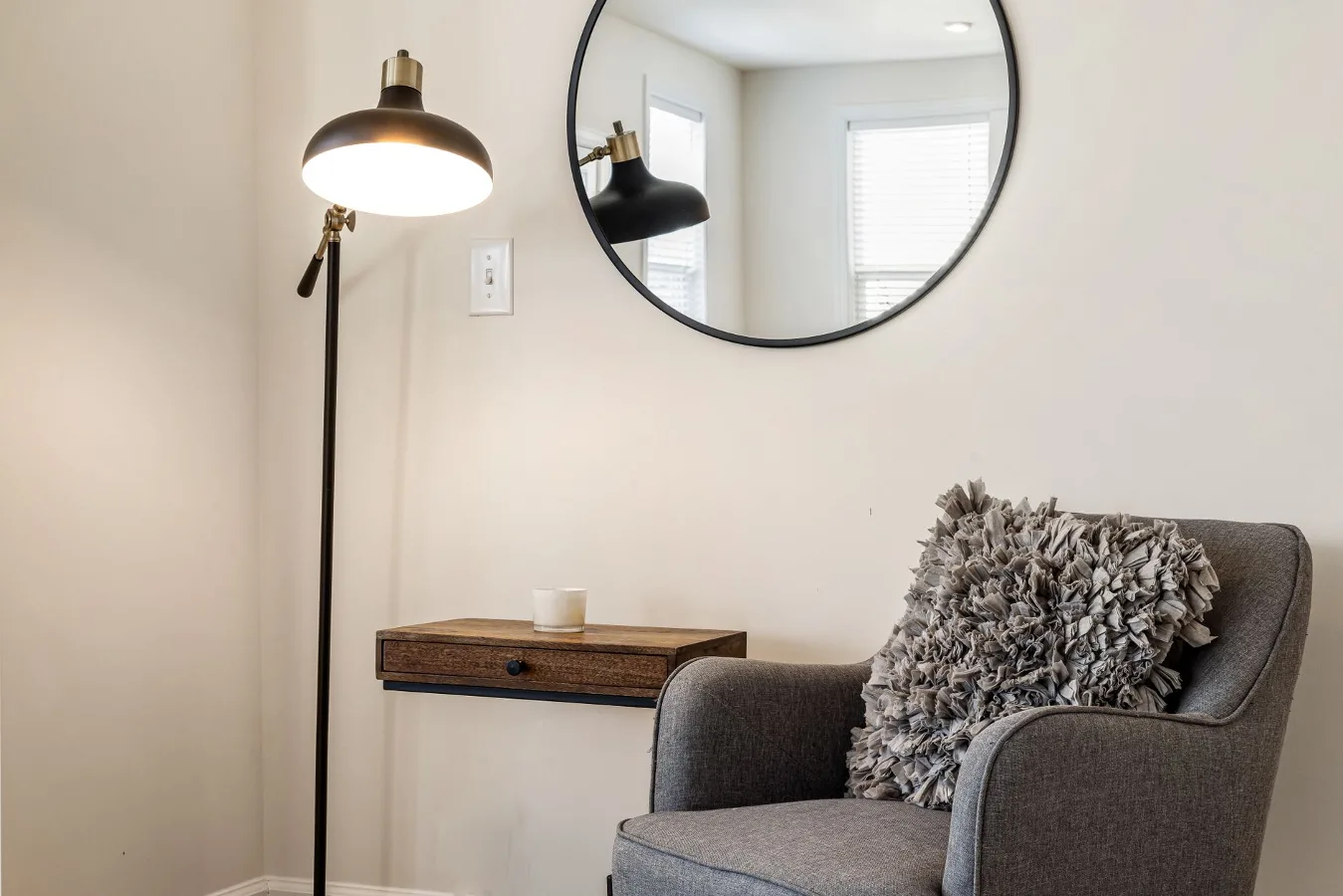
Who a Swing Arm Floor Lamp Works Best For
A swing arm floor lamp is a smart choice when you want light that can move with your routine. The adjustable arm lets you direct illumination where you need it most, which makes this style especially useful for reading chairs, sofa corners, craft stations, and rooms where one fixed ceiling light is not enough. adjustable floor lamps for reading corners offers more detail on this point. floor lamp styles that work with sofas offers more detail on this point. arched floor lamps offers more detail on this point.
For many buyers, the appeal is simple: it combines flexibility with a relatively small footprint. Instead of adding a table lamp or rewiring a hardwired fixture, you can place a floor lamp beside seating and adjust the arm as your needs change. That makes it a practical option for apartments, living rooms, bedrooms, and home offices.
The main question is not whether a swing arm floor lamp is useful. It is whether the arm reach, base stability, shade style, and overall scale will suit your space. Those details matter more than the lamp’s general shape.
Why This Lamp Style Is Different
Unlike a standard floor lamp that points light in one direction, a swing arm model gives you more control over placement. The arm can extend, pivot, or angle the shade toward a book, seat, or work surface. That makes it better for task lighting than a purely decorative lamp.
This design is often misunderstood as being only for reading. In practice, it can serve several roles at once. It can brighten a dark corner, add a vertical design element, and supplement overhead lighting without taking up table space. In a room with layered lighting, that versatility is a real advantage.
Still, the adjustability can be overvalued if the rest of the lamp is poorly matched to the room. A lamp with great reach but a flimsy base or an oversized shade may be awkward in daily use. The swing arm is only one part of the equation.
Start With the Buyer Scenario
The best swing arm floor lamp depends on how you plan to use it. Different buyer scenarios call for different priorities.
- Reading chair near a wall: Look for an arm that can extend over the seat without crowding walkways.
- Sectional sofa corner: A lamp with good horizontal reach helps light a seated area that sits away from outlets or side tables.
- Bedroom reading nook: A softer shade and controllable light direction may be more comfortable than a bare or sharply focused bulb.
- Home office or hobby area: Choose a lamp that can aim light precisely without glare on screens or shiny surfaces.
- Small apartment living room: A slimmer profile and stable base matter more than decorative bulk.
Thinking in terms of use case helps narrow the field quickly. If you mainly need accent light, you can prioritize style. If you need functional reading light, arm movement and shade design become much more important.
Trade-Offs to Expect
A swing arm floor lamp usually offers more flexibility than a fixed floor lamp, but that flexibility comes with trade-offs. The most common ones involve stability, visual presence, and ease of adjustment.
Stability versus reach: A longer arm can be helpful, but it may also shift the balance of the lamp. That is why a weighted base is worth paying attention to, especially if the lamp will sit near pets, children, or a busy walkway.
Task lighting versus ambience: A lamp designed for direct light may feel too focused if you want a softer decorative glow. A fabric shade can spread light more gently, while a more open design can be better for concentrated reading light.
Style versus practicality: Some swing arm lamps look elegant in photos but feel bulky in smaller rooms. Others are compact and functional but visually plain. The right choice depends on whether the lamp needs to disappear into the room or act as a visible design feature.
Adjustability versus simplicity: More moving parts mean more convenience, but also more to check over time. If you know you will rarely reposition the light, a simpler floor lamp might be easier to live with.
Material and Spec Factors That Matter Most
For a swing arm floor lamp, the most useful evaluation factors are the ones that affect daily use: materials, reach, base design, shade type, and bulb compatibility.
Base weight and footprint
The base should feel substantial enough for the lamp’s height and arm extension. A wider or heavier base often improves confidence in tight spaces, especially when the arm is extended outward. If you are placing the lamp beside a sofa or chair, check that the base will not interfere with foot traffic or furniture legs.
Arm construction and range of motion
The swing arm should move smoothly and hold position without constant readjustment. Look for a design that offers enough reach for your seating layout, but not so much that it becomes cumbersome. A lamp can have impressive flexibility on paper and still be awkward if the arm overextends into open space.
Shade shape and light spread
The shade affects both style and function. A deeper shade tends to focus light downward or forward, which can help with reading. A wider or more open shade may distribute light more broadly, which can work better for general room lighting. Fabric shades often soften the light, while metal or more structured shades can feel more directional.
Finish and material
Common finishes such as matte black, brushed metal, brass-toned, or painted metal can shift the lamp from utilitarian to decorative. Choose a finish that matches other room details like cabinet hardware, table legs, or picture frames. In visual terms, the lamp should feel intentional, not accidental.
Bulb type and light quality
Because swing arm lamps are often used for task lighting, the bulb matters. Pay attention to the bulb base, the maximum wattage, and whether the fixture works best with warm or cooler light. For reading areas, glare control and brightness comfort matter more than raw output alone. A lamp that can be dimmed may be more versatile, provided the fixture and bulb are compatible.
How to Match the Lamp to the Room
Scale is one of the most overlooked considerations. A swing arm floor lamp may seem compact, but once the arm is extended, it occupies more visual and physical space than a standard lamp.
If the room already has a lot of visual activity, such as patterned upholstery, dark wood, or multiple accessories, a simple lamp can help reduce clutter. If the room is minimal, the lamp can become a strong decorative accent. Either way, the lamp should relate to nearby furniture rather than compete with it.
Placement also matters. A swing arm floor lamp works best when it can sit close to the area it serves. That usually means beside a chair, at the end of a sofa, or near a side table. Placing it too far away weakens the point of the adjustable arm and may leave the light awkwardly positioned.
One practical nuance: people often focus on height and forget clearance. The arm needs room to swing without hitting shelves, wall art, drapes, or cabinet doors. Before buying, imagine the lamp in its extended position, not just folded upright.
Common Mistakes Buyers Make
Many shoppers assume every swing arm floor lamp will solve the same problem. That leads to avoidable mismatches.
- Choosing based on style alone: A beautiful lamp can still be the wrong lamp if the arm is too short or the base feels unstable.
- Ignoring furniture height: The ideal lamp for a low lounge chair may not work beside a tall reading chair or sectional arm.
- Overlooking glare: A bare bulb or poorly angled shade can create uncomfortable brightness, especially in evening reading setups.
- Forgetting about clearance: The arm needs room to move without colliding with walls, shelves, or walkways.
- Assuming all lamps are equally easy to adjust: Some move smoothly, while others feel stiff or loose; the mechanism should suit how often you plan to reposition it.
Another misconception is that more brightness automatically means better performance. In a reading or relaxation zone, comfortable light distribution matters as much as intensity. A lamp that is technically bright but harsh can be less useful than one with a softer, more controlled beam.
Good Alternatives If a Swing Arm Floor Lamp Is Not the Right Fit
There are situations where another lamp style may serve you better.
- Arc floor lamp: Better if you want a sweeping overhead look and do not need as much fine-tuned adjustability.
- Standard torchiere: Useful for ambient upward light, but not ideal for targeted reading.
- Table lamp: Often simpler for bedside or side-table use, especially where floor space is limited but surfaces are available.
- Clamp lamp or wall-mounted reading light: A better option when you want a fixed position and very precise task lighting.
If your main goal is visual softness rather than directional light, a different lamp style may better suit the room. The swing arm design is strongest when flexibility is part of the need, not just a preference.
Styling Considerations That Make a Difference
Because this is a visible piece of decor, the lamp should support the room’s overall look. Industrial finishes can suit loft-style interiors, while warm metallic tones may feel more traditional or transitional. Slim black frames often disappear visually, which is useful in modern spaces where you want the lamp to support the room without drawing too much attention.
Shade material can also change the mood. A linen or fabric shade tends to soften the look, while a metal shade can sharpen it. If the room already has plenty of hard surfaces, adding a softer shade can help balance the composition. If the room is dominated by upholstered furniture and soft textures, a more structured lamp may provide contrast.
The lamp does not need to match every finish in the room. It only needs to feel deliberate. Repeating one or two design cues, such as black metal legs, brushed brass accents, or a neutral shade, is usually enough to make it feel integrated.
Next Steps Before You Buy
Before choosing a swing arm floor lamp, measure the space where it will live and think through how the arm will be used. Check the lamp’s footprint, how far the arm reaches, and whether the shade will clear nearby furniture. Then compare the lamp’s look against the room’s existing finishes and the type of light you want.
If you are buying for a reading spot, prioritize adjustability, shade control, and stability. If you are buying mainly for decor, focus more on finish, silhouette, and how the lamp complements the room. If you need both, look for a balanced design rather than the most dramatic one.
It can also help to picture the lamp in two states: folded and extended. Some lamps look clean when tucked in, but feel oversized when fully opened. That simple check prevents a lot of buyer’s remorse.
FAQ
Are swing arm floor lamps good for reading?
Yes, they are often a strong choice for reading because the arm lets you aim light toward a chair or sofa seat. The best results come from a stable base, an appropriate shade, and comfortable light direction.
How much space do I need for one?
You need enough room for both the base and the extended arm. That usually means planning for the lamp’s upright footprint plus the space it uses when the arm swings outward. Clearance matters as much as floor space.
What shade type is best for task lighting?
A more directional shade often works well for task lighting, while a fabric shade can soften brightness. The right choice depends on whether you want focused reading light or a gentler room glow.
Is a swing arm lamp better than an arc lamp?
Not always. A swing arm lamp usually offers more direct, adjustable task lighting, while an arc lamp can create a broader visual statement. Choose based on whether function or form is the bigger priority.
What is the biggest buying mistake to avoid?
The most common mistake is choosing a lamp that looks right but does not fit the furniture layout. Reach, stability, and clearance should be checked before style details.