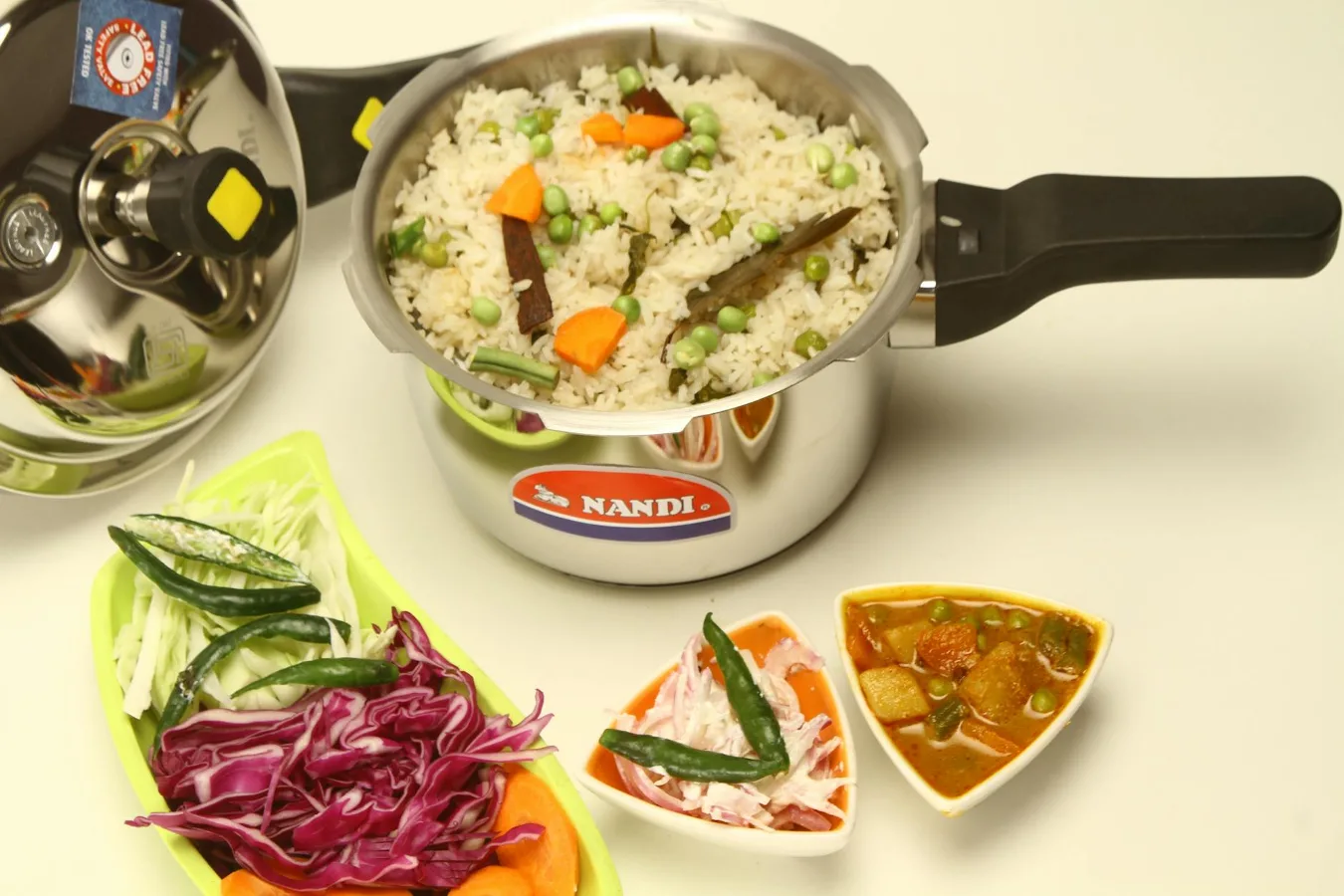
A rice cooker and steamer is a practical choice if you want one appliance that can handle rice, grains, and steamed vegetables without much attention. For many home cooks, the main appeal is convenience: set the rice, add water, place food in the steamer insert if included, and let the appliance do the work. commercial rice cooker offers more detail on this point.
If you are trying to decide whether this is the right fit, the best question is not just which model is best, but how you plan to use it. A basic rice cooker with a steamer basket can be enough for simple meals, while a more advanced model may make sense if you cook rice often, want more consistent results, or need better control over different grains.
Who a rice cooker and steamer works best for
This type of appliance is especially useful for people who cook rice regularly and want a low-effort way to round out meals with vegetables, dumplings, fish, or other steam-friendly foods. It also fits kitchens where counter space is limited, since one appliance can often replace two separate tools.
It is a strong option for:
- busy households that want hands-off cooking
- small kitchens with limited storage
- meal preppers who batch-cook grains
- people who prefer simple, repeatable cooking
- home cooks who want to steam side dishes while rice cooks below
It may be less useful if you rarely cook rice, prefer crisp textures, or need a machine that can do a wide range of cooking tasks beyond steaming and grain cooking.
What the appliance does well
The main strength of a rice cooker and steamer is consistency. Rice cookers are designed to heat the pot evenly and switch to a warm mode once the liquid is absorbed or evaporated. That makes them easier to use than a stovetop pot when you want steady results with less monitoring.
The steamer function adds real value because it lets you build a simple meal with more than one component. A common setup is rice below and vegetables above, which can save time and reduce cleanup. For many people, that is the point: fewer pots, fewer burners, fewer chances to overcook something while focusing on another task.
Common foods that work well
- white rice
- brown rice, if the cooker supports it well
- quinoa and other grains, depending on the model
- broccoli, carrots, green beans, and similar vegetables
- dumplings and similar steam-cooked items
- small portions of fish or poultry, if the appliance and insert size allow it
One overlooked consideration is timing. Steaming and rice cooking do not always finish at exactly the same moment. That is not necessarily a drawback, but it does mean the best setup depends on what you are cooking together. Softer vegetables may need less time than rice, while denser foods may need a separate steam cycle or a staggered start.
Trade-offs to think through before buying
Like any single-purpose or semi-multi-purpose appliance, a rice cooker and steamer comes with compromises. The biggest one is that convenience can come at the expense of flexibility. A simple model may be excellent for rice but limited when you want precise control over texture, grain variety, or steaming space.
Another trade-off is capacity. Many shoppers focus on the rice capacity listed on the box, but the steamer insert size can be the real limiting factor. If you plan to cook vegetables for several people, the top tray may feel tight even when the rice bowl itself seems large enough.
It is also worth considering cleanup. Some models have removable parts that are easy to wash, while others have lids, vents, or inserts that require more careful maintenance. The steamer can be especially important here because food residue builds up quickly on perforated surfaces.
Finally, a rice cooker and steamer is not the same as a full multi-cooker. If you want to sauté, pressure cook, slow cook, or bake, a basic rice cooker may feel too limited. If your only goal is reliable rice plus light steaming, that limitation may not matter at all.
Material and spec factors that matter most
For this category, a few build and design details matter more than flashy extras. You do not need the longest feature list; you need the right features for the foods you actually cook.
Inner pot material
The inner pot affects both cooking feel and cleanup. Many rice cookers use a nonstick inner pot, which is convenient for rice release and easy washing. Others use stainless steel or another coated metal finish. Nonstick can be practical, but it may require gentler utensils and careful cleaning to preserve the surface. Stainless steel can feel more durable, though rice may stick more easily depending on the design. Best Stainless Steel Knife Sets: Buyer’s Guide offers more detail on this point.
Steamer insert design
Look closely at whether the steamer is a basket, tray, or separate tier. A deeper insert may be more useful for vegetables and mixed dishes, while a shallow tray may be fine for smaller portions. Perforation pattern matters too, since it affects how evenly steam moves through the food.
Controls and settings
A basic one-touch cooker can be enough for white rice and simple steaming. If you cook brown rice, mixed grains, or different textures, dedicated settings can be useful. The value of extra settings depends on whether they improve results or simply add clutter to the control panel.
Lid and vent design
Steam management affects both texture and cleanup. A lid that seals well and vents predictably is easier to use than one that lets condensation drip where you do not want it. Some models have removable inner lids or steam vents, which can make maintenance more manageable over time.
Size and footprint
Size should match both household needs and storage reality. A compact rice cooker may be ideal for one or two people, but a family that cooks rice often may want something larger. Keep in mind that a larger body is not automatically better if it takes up too much counter space for the amount of food you prepare.
How to judge whether the size is right
Capacity claims can be confusing because rice cooker sizes are often described in cups of uncooked rice rather than finished portions. That can make two appliances seem similar on paper when they are not equally practical in real use.
To evaluate size wisely, think about:
- how many people you usually cook for
- whether rice is a side dish or the center of the meal
- how often you want leftovers
- how much room the steamer basket has once rice is in the pot
- whether you need the cooker to fit in a cabinet or on a crowded counter
For many buyers, the steamer tray is the hidden constraint. A cooker may handle enough rice for a group, but the steaming area may only suit a small batch of vegetables. That is why it helps to think in meal scenarios, not just product capacity labels.
What to expect from cooking performance
Performance in this category usually comes down to three things: how evenly the rice cooks, how well the appliance handles different grain types, and whether the steaming function works without affecting the rice below.
A reliable rice cooker should make it easier to avoid undercooked centers or scorched bottoms, especially for white rice. More advanced units may handle brown rice or mixed grains better, but only if the settings and heating control are actually suited to those foods. A long feature list does not guarantee better results.
For the steaming side, consistency matters more than speed. You want enough steam circulation to cook food evenly without leaving cold spots. The design of the insert, lid, and water reservoir all affect that outcome.
One practical limitation: if you are cooking strongly flavored ingredients like fish or seasoned dumplings alongside plain rice, aromas can transfer. That may be fine for some meals, but not if you want the rice to stay neutral. Separating ingredients or using the appliance in stages can help.
Ease of use and cleanup
Many people choose a rice cooker and steamer because the use case is simple, so ease of operation should stay high on the priority list. Clear water markings, intuitive controls, and easy-to-lift baskets are more valuable than complicated presets you may never use.
Cleanup should also be part of the buying decision. A removable inner pot is helpful, but also check the lid, condensation collector, and steam basket. These are the parts that often create extra work. If the components stack awkwardly or have hard-to-reach corners, the appliance may be less convenient than expected. Comal Cookware Buying Guide offers more detail on this point.
A good rule is to prefer a design you can clean consistently after regular use. If an appliance is only easy to clean when it is brand new, it may become annoying quickly.
Common mistakes shoppers make
People often focus on the wrong details when buying this type of appliance. A few mistakes come up repeatedly:
- choosing based only on rice capacity and ignoring steamer space
- buying more settings than they will realistically use
- overlooking how much counter and cabinet space the cooker needs
- assuming every model handles brown rice equally well
- forgetting to check how easy the lid and steam parts are to clean
- assuming steaming and rice always finish at the same time without adjustment
Another misconception is that a rice cooker and steamer is automatically a full meal solution. It can absolutely support simple meals, but it still works best when you understand its limits and choose recipes that suit the appliance.
Alternatives worth considering
If you are not sure this is the right buy, a few alternatives may fit your routine better.
- Basic rice cooker only: better if you mainly cook rice and do not need steam features.
- Multi-cooker: better if you want more functions, but usually larger and more complex.
- Stovetop steamer insert: better if you already cook rice well on the stove and only need steaming occasionally.
- Bamboo steamer: useful for certain foods, especially if you already have a compatible pot setup.
The best option depends on how often you will use the steaming function. If it is central to your routine, an integrated rice cooker and steamer is easier to live with than separate tools.
How to make a smart next-step choice
Start with your meals, not the feature list. If your typical dinner is rice plus vegetables, look for a model with a practical steamer insert, clear controls, and enough capacity for your household. If you cook different grains regularly, prioritize settings and cooking consistency. If easy cleanup matters most, focus on removable parts and a simple design.
Before you buy, compare these factors side by side:
- household size and likely batch size
- type of rice and grains you cook most often
- how often you plan to steam food
- space available for storage and use
- how much cleanup you are willing to do
- whether you want a basic unit or a more flexible appliance
If you shop this way, a rice cooker and steamer becomes much easier to evaluate. You are not just buying an appliance; you are choosing a workflow for everyday meals.
FAQ
Can you cook rice and steam vegetables at the same time?
Often yes, if the model includes a steamer basket or tray. The practical answer depends on the food and the amount of time it needs, since some ingredients cook faster than others.
Is a rice cooker and steamer good for brown rice?
It can be, but results depend on whether the cooker has a setting or design that handles brown rice well. Brown rice usually needs more time and different water management than white rice.
What should I clean after each use?
At minimum, clean the inner pot and any removable steamer parts. If your model has a removable lid insert or condensation collector, those should be checked regularly too.
Do I need a large model for family meals?
Not always, but the steamer size matters as much as the rice capacity. A model can hold enough rice for a family while still offering a small top tray, so review both parts before deciding.
Is a rice cooker and steamer better than a multi-cooker?
Only if your main need is rice and steaming. A multi-cooker offers more functions, but it may be larger and more complex than necessary for simple everyday use.