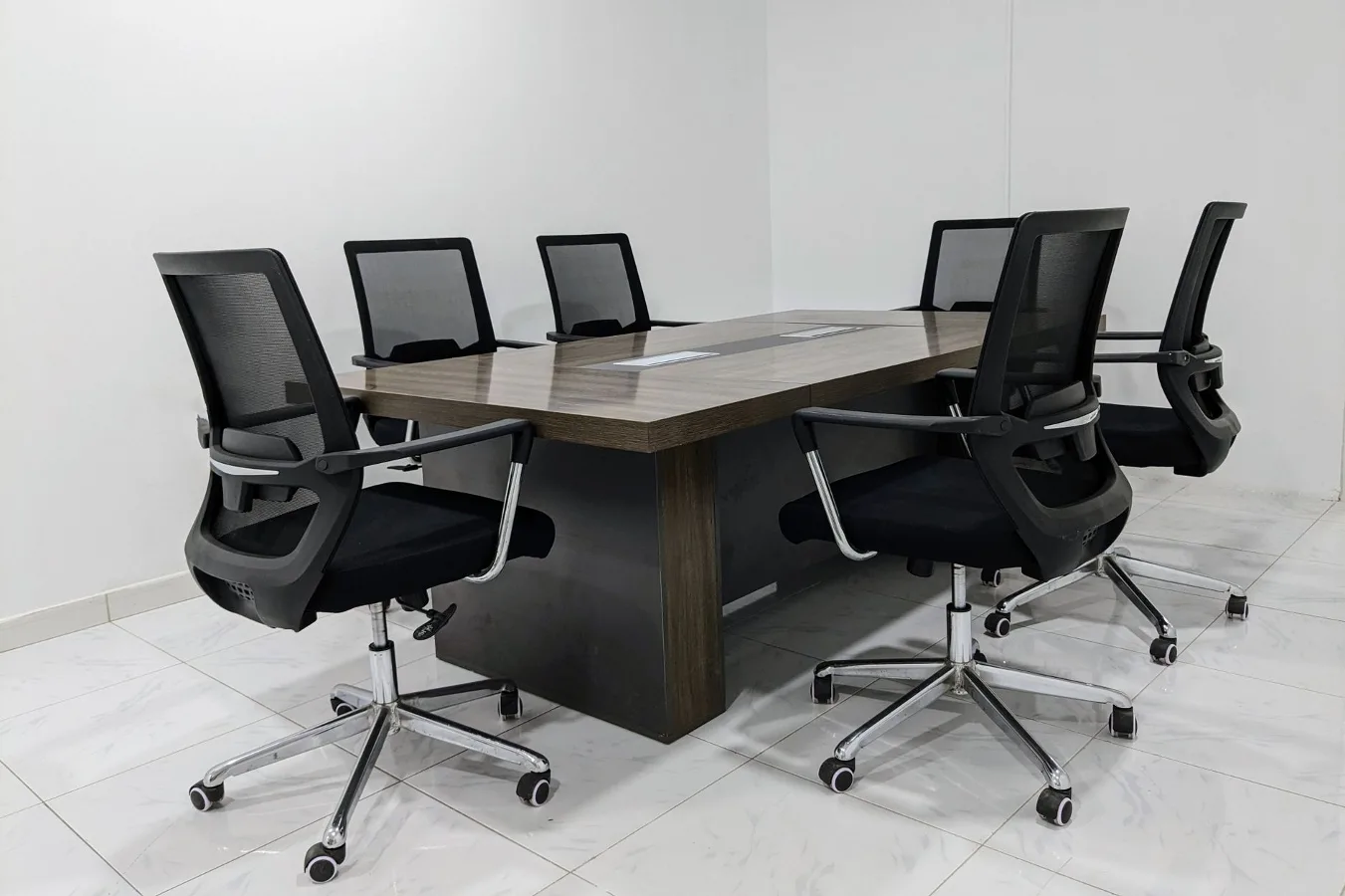
Who the Ticova ergonomic office chair is best for
If you are searching for the Ticova ergonomic office chair, you are probably trying to solve a very practical problem: finding a desk chair that offers more support than a basic task chair without moving into premium-office-chair pricing territory. That makes this kind of product especially relevant for home offices, hybrid workers, students, and anyone who spends long stretches at a computer and wants better adjustability. home office chair sizing tips offers more detail on this point.
The most useful way to think about the Ticova ergonomic office chair is not as a universal solution, but as a chair category with a specific audience. It tends to make the most sense for shoppers who want mesh-backed airflow, adjustable lumbar support, and a more customizable sitting position than a fixed-back chair can provide. If your priority is simple comfort for everyday desk work, that is the right direction to explore. If you need a chair for very specialized body support, a high-end executive model or a more advanced ergonomic chair may be a better fit.
One common misconception is that an “ergonomic” label automatically means a chair will feel right for every body. In reality, ergonomic value comes from fit. Seat height, seat depth, armrest position, lumbar placement, and backrest shape all matter just as much as the marketing terms on the box.
What matters most before you buy
For this chair, the important buying questions are practical rather than flashy. Start with how and where the chair will be used. A chair for occasional email checks has different requirements than one used for full workdays, video calls, and long reading sessions.
- Work duration: A chair used for longer sessions should prioritize adjustability and support consistency.
- Body fit: A chair can only be helpful if the seat height, back support, and armrests line up with your frame and desk.
- Room layout: Make sure the chair works with your desk height, keyboard tray, and available floor space.
- Climate and comfort: Mesh can be appealing if you tend to get warm while sitting for hours.
- Maintenance preference: Some buyers prefer materials that are easier to wipe down, while others want a softer upholstered feel.
If you are comparing this chair to a simple office chair, the main upgrade is usually adjustability. That matters because posture support is not just about sitting “upright.” It is about reducing strain by letting the chair adapt to your sitting position, rather than forcing your body to adapt to the chair.
Adjustability: where the real value usually lives
For an ergonomic office chair, adjustability is often the feature set that separates a genuinely useful chair from one that only looks supportive. With the Ticova ergonomic office chair, shoppers usually focus on three areas: lumbar support, armrests, and overall recline or tilt behavior. what to look for in lumbar support offers more detail on this point. genuine leather office chair offers more detail on this point.
Lumbar support
Lumbar support should sit in the natural curve of the lower back. If it is too high, too low, or too aggressive, it may feel distracting rather than helpful. A common mistake is assuming more pressure equals better support. That is not always true. Support should feel like guidance, not a hard push.
Armrests
Armrests matter more than many first-time buyers expect. If they are too high, shoulders can rise and create tension. If they are too low, the arms do not get much relief. Good armrest positioning helps keep the shoulders relaxed and can make keyboard work feel less tiring.
Seat and recline behavior
A chair that adjusts well should let you change positions throughout the day. Staying locked in one posture for hours is usually less comfortable than having the option to shift. Recline, tension, and seat height all influence how well the chair supports different tasks such as typing, reading, and taking calls.
One overlooked consideration is desk compatibility. A chair can be technically adjustable and still feel wrong if the desk is too high, too low, or leaves too little clearance for armrests. That is why chair selection should be done alongside desk setup, not separately.
Material and build factors to compare
For a chair in this category, material choices affect both comfort and long-term satisfaction. If you are evaluating the Ticova ergonomic office chair, pay attention to how the seat, backrest, and support structure are described rather than focusing only on the overall style.
| Factor | Why it matters | What to look for |
|---|---|---|
| Mesh back | Helps with airflow and can feel cooler during long sitting sessions | Balanced tension, not overly stiff or overly loose |
| Seat cushioning | Affects pressure distribution and day-to-day comfort | Enough support for longer use without feeling overly firm |
| Frame and base | Influences stability and durability expectations | Solid construction and a stable footprint |
| Armrest padding | Changes comfort during typing and phone calls | Comfortable contact points without excessive softness |
| Hardware and adjustment mechanisms | Impact ease of use and longevity | Controls that feel secure and easy to operate |
Material trade-offs matter. Mesh tends to breathe better than a cushioned upholstered back, but some people prefer the softer feel of padded support. Likewise, a firmer seat may hold shape better over time, but it may not feel immediately plush. The best choice depends on whether you prioritize temperature control, softness, or structured support.
Comfort trade-offs you should expect
There is no perfect desk chair, and that includes ergonomic models. A chair designed for adjustability often makes a few comfort trade-offs to achieve that flexibility.
- Support versus softness: More structured chairs can feel better for posture, but less luxurious at first sit.
- Breathability versus cushioning: Mesh keeps airflow moving, while padded surfaces often feel more cushioned.
- Customization versus simplicity: More adjustable parts can improve fit, but they also require more setup.
- Budget versus refinement: An affordable ergonomic chair may cover the basics well without matching premium chair polish.
That last point is especially important for buyers who expect an “ergonomic” chair to solve every seating issue. If discomfort comes from a desk that is the wrong height, a monitor placed too low, or a work routine with no movement breaks, even a well-designed chair will have limits. The chair helps, but it does not replace a complete workstation setup.
Who should think twice
The Ticova ergonomic office chair may be a reasonable fit for many home-office users, but there are cases where another chair type may serve you better.
- Very tall or very short users: Fit becomes more sensitive when height and proportions fall outside common ranges. Double-check dimensions carefully.
- People wanting a plush lounge feel: A more structured ergonomic chair may not deliver the softness they expect.
- Users with specialized support needs: If you need a chair for medical reasons or highly specific positioning, it is worth looking for a more targeted solution.
- Those who dislike assembly: Many office chairs require setup, and some shoppers value simpler furniture more than adjustability.
A useful rule: if you are buying for long remote-work sessions, prioritize fit and support. If you are buying for occasional computer use, comfort may matter more than deep ergonomic tuning.
Common setup mistakes to avoid
Even a decent ergonomic chair can feel disappointing if it is set up poorly. These are some of the most common problems that create unnecessary discomfort.
- Setting the seat height too high: This can leave your feet unsupported and increase pressure behind the thighs.
- Ignoring lumbar position: Lower-back support only helps if it sits in the right place for your body.
- Using armrests that interfere with the desk: Armrests should support relaxed shoulders, not block you from getting close enough to the keyboard.
- Sitting too far from the backrest: If your back is not actually contacting the chair, you lose much of the ergonomic benefit.
- Buying by appearance alone: A sleek chair is not automatically a good fit for daily use.
Another practical nuance: some users expect immediate comfort the moment a chair arrives. Often, a chair needs small adjustments over a few days before it feels right. That does not mean you should ignore obvious discomfort, but it does mean a little calibration is normal.
How it compares in practical terms
For shoppers comparing options, the Ticova ergonomic office chair sits in a useful middle ground. It is generally the kind of chair people look at when they want more support than a basic budget chair and more value-focused flexibility than a premium model.
Compared with a standard task chair, an ergonomic model usually gives you more control over positioning and posture. Compared with a higher-end office chair, it may not offer the same level of refinement, premium materials, or long-term customization range. That is not necessarily a flaw; it is often the trade-off that keeps the chair accessible for home-office buyers.
If your main goal is to improve a home workstation without overcomplicating the purchase, this kind of chair can be a sensible shortlist candidate. If your goal is to create a workstation for many hours a day across different tasks, then careful measurement and comparison become much more important than brand familiarity.
What to check before ordering
Before committing to any ergonomic chair, including the Ticova ergonomic office chair, work through a simple checklist:
- Measure your desk height and compare it with the chair’s seat range.
- Think about whether you want mesh, padded upholstery, or a mix of both.
- Decide how important lumbar adjustability is to your sitting style.
- Check whether armrests will fit under your desk when not in use.
- Consider how much assembly you are comfortable handling.
- Review return policies in case the fit is not right once assembled.
That last point is easy to overlook. A chair can look right on paper and still feel wrong in your actual workspace. Returns and exchange policies matter more for chairs than for many other furniture purchases because comfort is so personal.
Next steps if you are still deciding
If you are still comparing options, start by deciding what problem the chair needs to solve. If your current chair leaves your lower back unsupported, focus on lumbar placement. If your shoulders feel cramped, prioritize armrest adjustability. If heat buildup is the issue, mesh may be more important than extra cushioning. If you want a chair that blends into a home office without feeling bulky, look closely at the chair’s visual profile and footprint.
For shoppers in the U.S. building a practical workspace, the best decision is usually the one that matches body fit, desk setup, and daily use patterns. The Ticova ergonomic office chair can make sense in that equation, but only if its adjustment range and material style line up with what you actually need.
Shortlist it if you want a functional, adjustable office chair with a focus on everyday productivity. Keep comparing if you need a very soft seat, specialized proportions, or premium-level refinement.
FAQ
Is the Ticova ergonomic office chair good for home office use?
It can be a practical option for home office use if you want adjustable support and a chair that is more ergonomic than a basic task chair. The key is whether the fit works for your desk height and body size.
What should I compare first: lumbar support or armrests?
Start with lumbar support if lower-back comfort is your main issue. Choose armrest quality first if your shoulders, neck, or upper back tend to tense up while typing.
Is a mesh office chair always more comfortable?
Not always. Mesh can improve breathability, but some people prefer cushioned seating. Comfort depends on how the chair supports your body, not just on the material.
Can an ergonomic chair fix bad posture?
No chair can fix posture by itself. A good chair can support better positioning, but monitor height, desk setup, and movement breaks still matter.
What is the most common mistake people make when buying an office chair?
The most common mistake is buying by appearance or a single feature instead of checking fit. Seat height, lumbar placement, and desk compatibility usually matter more than styling.